
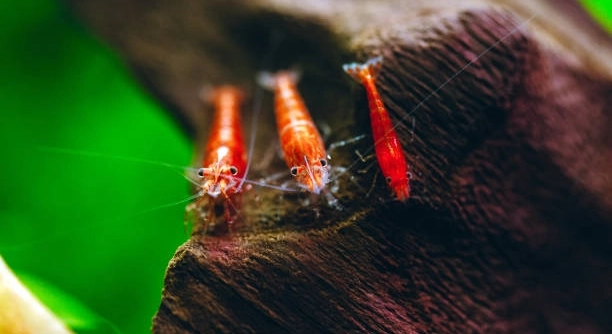
Are your shrimp staying near the bottom of the tank instead of swimming at the surface? Many shrimp owners notice this behavior and wonder if something is wrong with their water, environment, or feeding routine.
Shrimp often avoid the surface due to a combination of stress, poor water quality, insufficient oxygen, inadequate lighting, aggressive tank mates, temperature fluctuations, or lack of food at the top. Each factor can influence their natural swimming habits.
Understanding these common causes will help you improve your shrimp’s environment and encourage healthier behavior in the tank. Adjustments can make a noticeable difference in their activity levels and overall well-being.
Poor Water Quality
Water quality is one of the most important factors in keeping shrimp active and healthy. If ammonia, nitrite, or nitrate levels rise too high, shrimp may stay at the bottom to avoid the surface. Hardness and pH also play a role; shrimp prefer stable water conditions. Sudden changes in pH or temperature can stress them, causing them to hide. Filtration and regular water changes help maintain a safe environment. Removing uneaten food and debris prevents toxins from accumulating. Observing shrimp behavior after adjustments can indicate if the water conditions are improving. Even minor fluctuations can cause noticeable stress. Providing plants and hiding spots gives them comfort while water parameters stabilize. Regular testing is crucial to ensure their habitat stays consistent. A clean, well-maintained tank encourages shrimp to explore all areas, including the surface, promoting natural feeding patterns and active swimming behavior.
Maintaining clean, stable water reduces stress and supports healthy shrimp behavior, including surface activity.
Shrimp are sensitive to chemical changes. High ammonia or nitrite can irritate their gills, making surface swimming uncomfortable. Nitrates build up slowly but may cause long-term stress. Consistent water changes, careful monitoring, and gentle filtration create a safer environment. Plants and hiding spots offer security while they adapt, helping shrimp regain confidence to explore all tank levels, including the surface. Observing water parameters daily helps prevent sudden changes and encourages regular activity.
Low Oxygen Levels
Low oxygen can make shrimp stay near the bottom where oxygen is slightly higher.
Shrimp need sufficient oxygen at the surface to swim comfortably. Poor circulation or overcrowding reduces oxygen availability, affecting behavior.
Ensuring good water movement and aeration is critical. Air stones, sponge filters, or gentle surface agitation can increase oxygen levels. Plants contribute oxygen during daylight hours but may consume oxygen at night, so monitoring is essential. Overcrowded tanks can quickly deplete oxygen, especially if the water is warm, because oxygen solubility decreases with temperature. Observing shrimp for signs of stress, like gasping at the surface, can indicate low oxygen. Correcting this involves improving flow, reducing overcrowding, and performing partial water changes. Maintaining stable temperatures supports oxygen retention and prevents sudden drops. Healthy oxygen levels encourage shrimp to swim freely at all tank levels, promoting natural feeding habits and general well-being.
Aggressive Tank Mates
Aggressive fish or larger tank mates can intimidate shrimp, keeping them at the bottom.
Shrimp naturally avoid confrontation, so if they share a tank with fast-moving or predatory species, they will hide near the substrate. Even small fish that nip fins can cause stress. This behavior is more pronounced during molting, when shrimp are vulnerable. Providing plenty of hiding places with plants, rocks, or caves reduces stress and allows shrimp to explore safely. Separating shrimp from aggressive tank mates or choosing a peaceful community setup encourages them to move freely, including toward the surface for feeding. Observing interactions regularly helps identify stress sources early and allows for timely adjustments to tank layout or species combinations.
Stress from constant harassment weakens shrimp, making them less likely to swim openly. A calm environment helps maintain healthy feeding patterns and normal activity levels.
Shrimp may also adjust their swimming patterns based on the time of day. Aggressive fish often patrol open areas, so shrimp retreat to the bottom or dense foliage. Even in peaceful tanks, occasional chasing can trigger hiding. Ensuring enough cover and visual barriers reduces direct contact, letting shrimp feel secure. Over time, shrimp regain confidence and return to normal surface activity. Maintaining a balanced population and avoiding sudden tank changes further supports their comfort.
Temperature Fluctuations
Shrimp are sensitive to changes in water temperature, which can influence swimming behavior. Sudden shifts make them seek the bottom for stability.
Consistent temperatures are key for shrimp health. Rapid warming or cooling stresses them, slowing metabolism and reducing activity. This may be caused by heaters malfunctioning, direct sunlight, or cooling at night. Shrimp retreat to areas where temperature changes are minimal. Using a reliable heater and thermometer ensures stability. Gradual adjustments prevent shock during water changes. Extreme temperatures may even affect molting, reproduction, and feeding. Keeping the tank insulated from drafts and avoiding sudden exposure to new water helps shrimp feel safe. Monitoring temperature daily prevents stress-related behaviors, encouraging normal swimming patterns.
Even minor variations can cause subtle behavioral changes. Shrimp may prefer cooler, shaded corners or remain inactive for longer periods. Tracking temperature trends over weeks helps identify issues. Regular maintenance, careful water additions, and avoiding direct sunlight exposure reduce risks. By stabilizing the environment, shrimp gradually return to natural swimming routines and surface feeding habits. This consistency also supports long-term health, molting, and breeding activity. Observing their responses provides feedback for ongoing tank management, ensuring shrimp remain active and comfortable throughout the day.
Inadequate Lighting
Shrimp tend to stay near the bottom when the tank is too dark or the lighting is inconsistent.
Proper lighting helps shrimp feel secure while exploring the tank. Low light can make them hide, while gradual, natural lighting encourages surface activity.
Lack of Food at the Surface
If food only sinks quickly, shrimp will avoid the top layers. They adjust their behavior to where they find nutrients.
Providing floating or slow-sinking foods encourages shrimp to swim upward. Regularly changing feeding spots helps them explore more areas and stay active.
Stress from Molting
Molting is a vulnerable time for shrimp, causing them to hide at the bottom. This behavior protects their soft shells from harm.
Why are my shrimp hiding at the bottom all the time?
Shrimp usually hide at the bottom when they feel unsafe. Common reasons include poor water quality, aggressive tank mates, or sudden changes in temperature. Even subtle changes in pH or oxygen levels can make shrimp retreat. Providing hiding spots like plants, rocks, or moss gives them security while the tank stabilizes. Observing their behavior after improvements can help determine which factor was causing stress. Over time, a stable, calm environment encourages shrimp to explore higher levels, including the surface, without fear.
How can I encourage my shrimp to swim near the surface?
Floating or slow-sinking foods are effective ways to attract shrimp to the surface. Regular feeding at consistent spots trains them to move upward. Adequate lighting, proper oxygenation, and a clean tank also make surface areas more comfortable. Removing aggressive or territorial tank mates reduces stress, allowing shrimp to explore freely. Gentle water movement near the top prevents stagnant areas, which shrimp often avoid. Gradually introducing changes, such as adding floating plants or altering feeding locations, helps shrimp feel secure enough to swim in open areas. Over a few days, these adjustments can noticeably change their behavior.
Is my tank environment affecting shrimp activity?
Yes, shrimp are highly sensitive to their surroundings. Water parameters like ammonia, nitrites, nitrates, pH, and hardness directly influence their behavior. Even small fluctuations can make shrimp stay near the bottom. Temperature changes, low oxygen, and strong currents also impact swimming patterns. Aggressive tank mates or crowded conditions further stress them, reducing surface activity. Providing plants, hiding places, and stable water parameters encourages confidence and natural exploration. Monitoring the environment daily and making small adjustments ensures shrimp remain active and healthy, including venturing to the surface for feeding and swimming.
Can molting affect shrimp behavior?
Molting is a vulnerable period for shrimp because their new shells are soft and delicate. During this time, they often hide at the bottom to avoid predators and minimize stress. Lack of hiding spots can increase stress, slow molting, or even harm them. Providing sufficient cover like plants or decorations allows shrimp to molt safely. Once their shells harden, they gradually return to normal activity, including swimming near the surface. Monitoring shrimp during molting ensures they are safe, reduces mortality, and helps maintain consistent feeding and movement throughout the tank.
How does oxygen level influence shrimp movement?
Shrimp need sufficient dissolved oxygen to swim comfortably at all levels. Low oxygen can make them stay near the bottom where they feel safer or avoid surface areas entirely. Overcrowding, warm water, and stagnant spots can reduce oxygen availability. Installing air stones, sponge filters, or gentle circulation improves oxygen distribution. Plants can contribute oxygen during the day, but some consume it at night, so monitoring is necessary. Adequate oxygen helps shrimp remain active, feed efficiently, and explore the entire tank, including the surface, promoting healthy growth and natural behaviors.
Why do shrimp avoid the surface even when the water seems fine?
Shrimp may avoid the surface due to subtle stress factors like light intensity, mild temperature fluctuations, or lingering chemicals. Even if water tests appear normal, they may sense slight disturbances. Behavioral patterns, past experiences with predators, or lack of food at the surface also influence where they swim. Observing shrimp activity over time and adjusting environmental factors, feeding locations, and tank companions can help them regain confidence to explore higher tank levels. Creating a consistent, secure habitat encourages normal swimming patterns and surface feeding habits.
Can aggressive tank mates prevent shrimp from reaching the surface?
Yes, shrimp often hide from fast-moving or predatory species. Even small fish that nip fins can discourage surface activity. Aggressive tank mates increase stress, leading shrimp to remain at the bottom or in hiding areas. Providing visual barriers, hiding spots, and choosing peaceful tank companions allows shrimp to explore freely. Regular observation of interactions helps prevent ongoing stress. With a calm environment and secure areas, shrimp gradually return to normal surface swimming and feeding, maintaining overall health and natural behavior.
How often should I check water parameters for healthy shrimp behavior?
Daily observation is recommended for noticing behavioral changes, while formal testing of ammonia, nitrites, nitrates, pH, and temperature should be done at least weekly. Rapid changes in water chemistry can stress shrimp, causing them to hide. Consistent monitoring allows early detection of problems and ensures stable conditions. Using reliable test kits and recording trends over time helps maintain a safe, comfortable habitat. Regular water changes and careful management of tank additions prevent sudden parameter shifts. Maintaining stability encourages shrimp to explore all tank areas, including the surface, supporting natural behavior and overall well-being.
What can I do if shrimp refuse to come to the surface despite all adjustments?
If shrimp continue to avoid the surface, review all environmental factors carefully. Consider water quality, oxygen levels, tank mates, lighting, and feeding routines. Providing more plants, decorations, and gentle hiding areas may help them feel safer. Gradual changes in feeding locations, tank layout, or water movement can encourage exploration. Sometimes shrimp need extra time to adapt after stress or changes. Patience, careful observation, and consistent care ensure shrimp gradually regain confidence, leading to increased surface activity, healthier feeding habits, and more natural swimming patterns.
How important is consistency in tank care for shrimp?
Consistency is essential. Shrimp thrive in stable environments where water quality, temperature, lighting, and feeding routines remain predictable. Sudden changes cause stress, reduced activity, and hiding behaviors. Regular maintenance, monitoring, and incremental adjustments support healthy molting, feeding, and movement. A consistent routine helps shrimp feel secure, encouraging exploration of all tank levels, including the surface.
Keeping shrimp healthy and active requires attention to several small but important details. Their behavior, especially avoiding the surface, often reflects underlying conditions in the tank. Water quality is the foundation of a safe environment, and maintaining it consistently is essential. Ammonia, nitrites, nitrates, and pH levels should be monitored regularly, and water changes should be done to prevent harmful buildup. Stable temperature and proper oxygenation also play a key role. Shrimp are sensitive to fluctuations in their habitat, and even minor changes can affect their swimming and feeding habits. By ensuring clean, stable water, you provide the basic conditions needed for shrimp to feel safe and confident throughout the tank.
Behavioral factors also influence whether shrimp explore higher levels of the tank. Aggressive or fast-moving tank mates can make shrimp hide near the bottom, and lack of adequate hiding spots can add stress. Lighting and food placement matter as well. Shrimp tend to avoid areas that feel unsafe or unfamiliar, so providing plants, rocks, and decorations creates a sense of security. Floating or slow-sinking foods encourage them to swim upward and explore different areas for feeding. Gradual adjustments in these areas help shrimp regain confidence, allowing them to resume more natural behaviors, including surface swimming. Observing shrimp over time helps identify which factors most affect their activity, making it easier to adjust the tank environment appropriately.
Patience and consistency are critical when addressing shrimp behavior. They respond slowly to changes, and repeated stress can have long-term effects on health, molting, and reproduction. Small, steady improvements in water quality, oxygen levels, temperature, lighting, and tank layout gradually encourage shrimp to explore more freely. Maintaining a calm and predictable environment reduces stress and promotes healthy activity patterns. Over time, shrimp will feel comfortable moving through all tank levels, including the surface, which benefits feeding, growth, and overall well-being. Consistent care ensures that shrimp remain active, healthy, and vibrant, creating a balanced and thriving aquatic environment.

Hello,
If you enjoy the content that we create, please consider saying a "Thank You!" by leaving a tip.
Every little bit helps us continue crafting quality advice that supports the health, happiness, and well-being of pets around the world, for pets of all shapes, sizes, and species.
We really appreciate the kindness and support that you show us!