
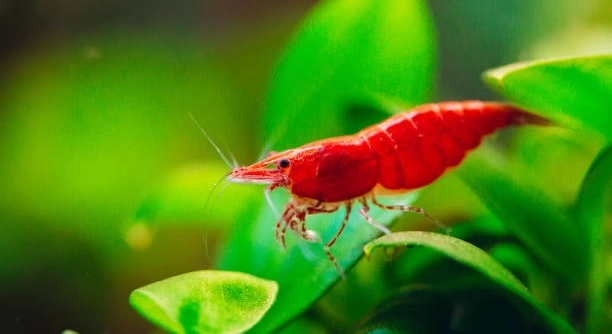
Canary-colored cherry shrimp are delicate creatures that thrive in stable, clean environments. Sudden changes in water quality, temperature, or chemical balance can shock them, sometimes leading to severe health problems or even mass casualties in your tank.
Cherry shrimp can recover from a tank crash if the water parameters are stabilized promptly and stress factors are minimized. Immediate intervention, such as partial water changes, removing toxins, and monitoring shrimp closely, significantly improves their chances of survival and recovery.
Proper care and attentive observation following a tank crash are essential. By taking swift action and maintaining optimal conditions, you can help your shrimp regain their health and stability.
Recognizing the Signs of a Tank Crash
When a tank crash occurs, cherry shrimp show visible signs of stress. They may become lethargic, hide more than usual, or cling to surfaces in unusual ways. Molting problems can appear, with shrimp struggling to shed their old exoskeleton. Their coloration may fade, turning pale or dull, which is a clear indicator of poor water conditions. Some shrimp may float or stay at the bottom, indicating extreme stress or illness. Uneaten food can accumulate quickly, leading to a rise in ammonia and nitrites. Observing water parameters immediately after a crash is crucial, as elevated toxins can be fatal within hours. Filtration may fail under sudden changes, worsening conditions, while pH shifts can further stress the shrimp. Temperature fluctuations also play a role, as cherry shrimp are sensitive to rapid drops or increases. Early recognition of these signs allows for faster intervention, giving shrimp a better chance of survival and recovery.
Prompt action can prevent further shrimp loss by stabilizing water conditions and addressing stress factors quickly.
Consistently monitoring your tank after a crash helps you track improvements and detect lingering issues. Regular water tests ensure ammonia, nitrite, and nitrate levels remain safe. Maintaining stable temperatures and adjusting filtration as needed support recovery. Even subtle changes in shrimp behavior can indicate ongoing stress, so observation is key. Adding live plants or moss provides shelter and improves water quality. Slowly reintroducing food helps prevent water contamination, while partial water changes remove toxins without shocking the shrimp. By staying attentive and consistent, you increase the chances that your cherry shrimp will recover fully and resume normal behavior, coloration, and molting cycles.
Stabilizing Your Tank Quickly
Immediate stabilization is essential to support shrimp recovery. Adjusting water parameters gradually prevents additional stress, while ensuring proper filtration and aeration maintains a safe environment.
After a tank crash, the first step is to test water for ammonia, nitrites, nitrates, and pH. Removing harmful substances through partial water changes is critical, ideally replacing 25–50% of the tank water slowly to avoid further shock. Filtration systems should be checked and cleaned if needed, ensuring proper water flow and oxygenation. Temperature should be stabilized using a reliable heater or adjusting the room environment. Avoid adding new shrimp or plants during recovery, as this can introduce additional stress. Feeding should be reduced to prevent water fouling, and live plants or moss can help absorb excess nutrients. Monitoring shrimp behavior for lethargy, color fading, or molting issues informs whether further interventions are required. With consistent care, water stabilization, and minimal stress, cherry shrimp can gradually regain strength, health, and vibrant coloration. Maintaining these practices over several days is crucial for full recovery.
Supporting Recovery with Proper Nutrition
Providing the right food helps shrimp regain strength after a tank crash. High-quality algae wafers, blanched vegetables, and specialized shrimp pellets supply essential nutrients without overloading the water with waste.
Balanced feeding encourages healthy molting and supports immune function. Overfeeding can worsen water quality, so small, frequent meals are best. Foods rich in calcium help strengthen exoskeletons, reducing molting issues caused by stress. Live or frozen foods like daphnia can supplement diet and provide variety, promoting recovery and activity. Observing how shrimp respond to feeding gives insight into their health, helping you adjust portions or switch foods if necessary. Patience is key, as recovery depends on consistent care and minimal environmental stress.
Adding natural elements, like moss or leaf litter, enhances feeding opportunities and provides hiding spaces. This reduces competition and encourages shy shrimp to eat. Feeding should remain consistent, but gradual, to avoid sudden changes in water chemistry. Shrimp will often explore new foods slowly, so giving them time to adapt is important. Combining proper nutrition with stable water conditions creates a supportive environment that maximizes recovery chances after a tank crash.
Monitoring Long-Term Health
Regular observation ensures shrimp fully recover and remain healthy. Tracking behavior, molting, and coloration over time identifies ongoing issues early.
Consistency in water quality management is crucial for long-term health. Testing parameters like ammonia, nitrite, nitrate, and pH ensures stability and allows timely correction if levels shift. Visual inspections of shrimp can reveal subtle stress signs, like color fading or unusual hiding patterns. Maintaining filtration, temperature, and oxygenation supports their metabolism and prevents recurring problems. Incorporating live plants helps maintain water quality and provides cover, reducing stress. A careful, measured approach to feeding prevents sudden chemical spikes, supporting molting and overall vitality.
Long-term health also benefits from maintaining a predictable routine. Changes in lighting, water flow, or tank placement can stress shrimp, even after recovery. Regular partial water changes keep toxins low and water conditions stable, while introducing new plants slowly prevents unexpected shifts. Observing shrimp interactions can highlight dominant or stressed individuals, allowing intervention if necessary. By combining observation, stable conditions, and careful management, you create a resilient environment where cherry shrimp can thrive, recover fully from past crashes, and remain active, colorful, and healthy for months to come.
Preventing Future Tank Crashes
Maintaining stable water parameters is key to avoiding another tank crash. Regular testing of ammonia, nitrites, nitrates, and pH levels helps identify potential problems before they escalate. Consistent maintenance reduces stress on cherry shrimp.
Avoid overfeeding and overcrowding, as both can destabilize water quality. Proper filtration and gradual adjustments to temperature or water changes keep conditions safe. Paying attention to these details minimizes risk and ensures a healthier environment for all tank inhabitants.
Handling Sick or Injured Shrimp
Separating sick or injured shrimp in a quarantine tank prevents disease spread and allows focused care. Gentle handling and minimal disturbance reduce stress, improving chances of recovery.
Provide optimal water conditions, clean surroundings, and suitable food to support weakened shrimp. Monitor them closely for signs of improvement, molting complications, or unusual behavior. Removing aggressive tank mates during recovery can also prevent further stress. Gradual reintegration after full recovery ensures shrimp remain healthy and resilient, reducing the likelihood of setbacks in the main tank.
Using Plants to Aid Recovery
Live plants improve water quality by absorbing excess nutrients and providing hiding spots, which lowers stress for recovering shrimp.
FAQ
Can cherry shrimp survive a tank crash without intervention?
Cherry shrimp may survive minor crashes on their own if conditions stabilize quickly, but relying solely on luck is risky. Without intervention, toxic levels of ammonia or nitrites can harm or kill shrimp. Quick water testing, partial water changes, and temperature stabilization dramatically improve survival chances. Even subtle stress signs, like color fading or lethargy, can indicate that intervention is needed. Observing shrimp behavior and adjusting their environment is critical for recovery.
How long does it take for cherry shrimp to recover?
Recovery time depends on the severity of the crash and the speed of intervention. Minor stress may resolve within a few days, while severe crashes can take weeks for shrimp to regain normal behavior, coloration, and molting cycles. Consistently monitoring water parameters, providing proper food, and reducing stressors accelerates recovery. Patience is important, as rushing changes or reintroducing new tankmates can delay healing or trigger another crash. Maintaining stable conditions ensures shrimp gradually return to full health.
What immediate steps should I take after a tank crash?
The first action is testing water for ammonia, nitrites, nitrates, and pH. Next, perform a partial water change to reduce toxins without shocking the shrimp. Check filtration and temperature stability, adjusting as needed. Remove uneaten food and debris, and minimize handling stressed shrimp. Introducing hiding places like moss or leaf litter can reduce stress. Avoid adding new shrimp or plants during recovery. Feeding should be reduced and gradual to prevent fouling, while closely observing shrimp for unusual behavior or molting issues.
What foods are best for stressed cherry shrimp?
High-quality algae wafers, blanched vegetables like spinach or zucchini, and specialized shrimp pellets are ideal. Foods rich in calcium support molting, while live or frozen foods like daphnia provide variety and stimulation. Feed small amounts frequently rather than large portions, preventing water contamination. Observing shrimp response to each food helps determine preferences and digestion efficiency. Offering hiding spaces near food ensures timid shrimp can eat safely. Gradual introduction of new foods minimizes stress and supports recovery while maintaining water quality.
Can tank plants help in shrimp recovery?
Yes, live plants improve water quality by absorbing excess nutrients and reducing toxins. Moss, java fern, or leaf litter also provide hiding spots, which lower stress and encourage feeding. Plants create a more natural environment, helping shrimp feel secure while recovering from shock. Dense plant coverage slows water flow, reducing stress for weakened shrimp. Healthy plants also support beneficial bacteria, stabilizing the nitrogen cycle and contributing to long-term tank stability. Incorporating plants strategically enhances recovery and promotes overall shrimp vitality.
How often should I test water after a crash?
Daily testing is recommended for at least the first week after a crash, especially for ammonia, nitrites, and pH. Frequent monitoring allows for quick adjustments and prevents further stress. Once conditions stabilize and shrimp behavior returns to normal, testing can be reduced to a regular maintenance schedule, such as weekly or biweekly. Consistency in monitoring ensures that water parameters remain safe and prevents future crashes. Recording results can also help identify trends and catch early signs of instability.
Is it normal for shrimp to hide after a crash?
Yes, hiding is a natural stress response. Stressed shrimp may stay in corners, among plants, or under decorations. It is a protective behavior that reduces exposure to perceived threats. Avoid disturbing them during this time and provide plenty of hiding spots. Hiding shrimp usually resume normal activity as water conditions stabilize and stress decreases. Patience and minimal handling are key to allowing shrimp to regain confidence and resume feeding and social behavior.
Should I remove other tank inhabitants during recovery?
Removing aggressive or fast-moving tankmates can reduce stress on recovering shrimp. Even small fish can intimidate shrimp, interfering with feeding and increasing vulnerability during molting. If separation is not possible, providing dense plant coverage or temporary hiding areas helps reduce encounters. Minimizing stress ensures energy goes toward recovery rather than defense, supporting faster regaining of strength, coloration, and molting cycles.
How can I prevent future tank crashes?
Maintaining consistent water parameters is essential. Regular partial water changes, controlled feeding, avoiding overcrowding, and gradual adjustments to temperature or pH prevent sudden instability. Consistent observation of shrimp behavior, filtration performance, and plant health helps detect problems early. Stable routines in lighting and maintenance reduce stress and make the tank environment more resilient. Prevention is always more effective than recovery, and careful management ensures a healthy, thriving shrimp population over the long term.
Can recovered shrimp live as long as before?
Yes, with proper care, shrimp that recover from a crash can return to normal lifespan and health. Ensuring stable water conditions, providing proper nutrition, and minimizing stress are essential. Some shrimp may experience minor lingering weakness, but consistent attention allows them to thrive. Recovered shrimp often regain vibrant coloration, normal molting, and active behavior. Continued monitoring and preventive care help maintain their health, preventing relapses or further crashes.
Final Thoughts
Recovering cherry shrimp after a tank crash requires patience, attention, and consistent care. These tiny creatures are sensitive to changes in water quality, temperature, and overall environment. A sudden spike in ammonia or nitrites can quickly harm or kill them, so immediate intervention is critical. Testing water parameters, performing partial water changes, and ensuring stable filtration are the first steps to protect the shrimp. Even small adjustments, such as stabilizing temperature or adding hiding spots, can make a noticeable difference in their stress levels. Observing shrimp behavior closely during this period helps identify those that are struggling and require extra care. Lethargy, fading coloration, or molting problems are key indicators that conditions still need improvement. Taking prompt action reduces the risk of further losses and gives the shrimp the best chance to recover fully.
Proper nutrition is an equally important factor in recovery. Feeding high-quality algae wafers, blanched vegetables, and specialized shrimp pellets supports molting and overall health. Foods rich in calcium help strengthen exoskeletons, which is critical for shrimp recovering from stress. Overfeeding, however, can worsen water quality, so small, consistent meals are recommended. Introducing live or frozen foods like daphnia adds variety and encourages activity while still being easy to digest. Additionally, providing plants, moss, or leaf litter offers both shelter and natural grazing opportunities. These additions create a safer environment for timid or stressed shrimp, allowing them to feed and rest without interference from more active tankmates. Maintaining these habits consistently over several days or weeks ensures that shrimp regain strength gradually and reduces the likelihood of relapse or new stress-related problems.
Long-term health and prevention should be the ultimate focus after a tank crash. Once shrimp begin to recover, maintaining stable water parameters and regular monitoring becomes essential to avoid future crashes. Partial water changes, careful feeding, and avoiding overcrowding help keep water chemistry balanced. Observing shrimp behavior over time ensures that any lingering issues are addressed quickly. Live plants continue to play a supportive role by improving water quality and providing hiding places. By combining proper nutrition, stable water conditions, and consistent observation, you create an environment where cherry shrimp can thrive. Their recovery is possible, but it depends on attentive care, patience, and a steady approach to maintaining a healthy, stress-free tank.

Hello,
If you enjoy the content that we create, please consider saying a "Thank You!" by leaving a tip.
Every little bit helps us continue crafting quality advice that supports the health, happiness, and well-being of pets around the world, for pets of all shapes, sizes, and species.
We really appreciate the kindness and support that you show us!