
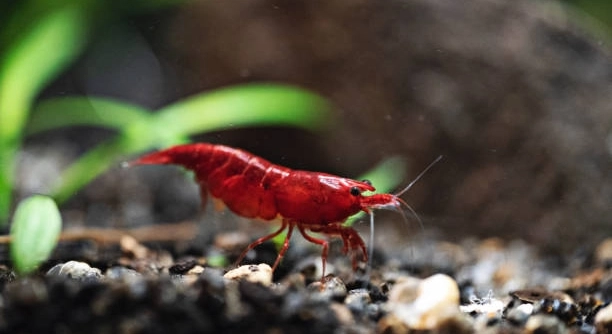
Are you keeping cherry shrimp in your home aquarium and noticing subtle changes in their activity over the year? These tiny, colorful creatures can respond to shifts in their environment, making seasonal variations worth observing carefully.
Cherry shrimp are affected by seasonal changes mainly through water temperature and daylight variations. These shifts influence their metabolism, growth, molting frequency, and breeding patterns, creating noticeable differences in behavior and overall health across different times of the year.
Understanding these effects can help you maintain a stable environment and promote the shrimp’s well-being throughout the year. Proper care ensures a thriving, vibrant aquarium no matter the season.
How Temperature Affects Cherry Shrimp
Cherry shrimp are very sensitive to water temperature, which plays a key role in their metabolism and activity. When water becomes warmer in spring or summer, their metabolism increases, and they become more active. They eat more, molt more frequently, and may reproduce faster. Conversely, cooler water in autumn and winter slows their metabolism. During these colder months, shrimp may hide more often, eat less, and grow more slowly. Sudden temperature swings can stress them, leading to weaker immune systems or higher susceptibility to illness. Maintaining a stable temperature that matches their natural comfort range, usually between 68°F and 78°F, is important. Using a reliable aquarium heater and thermometer ensures that seasonal changes do not shock the shrimp. Even small, gradual adjustments help them adjust without stress. Observing behavior changes alongside temperature shifts can give insight into how well your shrimp are coping and guide adjustments for a healthier tank environment.
Temperature impacts activity levels and molting patterns directly, affecting shrimp health and overall tank dynamics throughout the year.
By keeping temperatures consistent, you create an environment that supports proper feeding, growth, and reproduction. Shrimp that experience fewer seasonal shocks are more likely to thrive, maintain vibrant colors, and show natural behaviors. Tracking seasonal temperature trends can help anticipate changes in activity or breeding. For example, if water slowly cools, shrimp may slow their molting cycles, requiring more patience in observing growth. Understanding these effects allows you to intervene with gradual adjustments rather than sudden fixes, preventing stress. Seasonal changes also influence tank plants and algae growth, indirectly affecting shrimp behavior and food availability. Providing supplemental food during slower months helps maintain energy and health. Monitoring water parameters, including temperature, hardness, and pH, becomes even more critical during transitional seasons. Small changes in temperature can ripple through the tank’s ecosystem, affecting shrimp behavior and interactions. Careful attention ensures a balanced, stable environment year-round, promoting both shrimp vitality and a visually appealing aquarium.
Seasonal Light Changes and Shrimp Behavior
Light duration influences cherry shrimp feeding, breeding, and activity cycles. Shrimp rely on consistent day-night patterns to regulate natural rhythms.
Seasonal shifts in daylight can affect shrimp directly and indirectly. Longer daylight hours in spring and summer stimulate activity and foraging behavior. Shrimp may become more visible, explore more areas of the tank, and increase reproductive activity. Shorter days in fall and winter signal a slowdown, encouraging shrimp to conserve energy and reduce unnecessary movement. Light also affects plant growth and algae levels, which are primary food sources and shelter. In winter, reduced plant activity can impact the shrimp’s diet and hiding spots, requiring careful observation and potential supplemental feeding. Using a timer for aquarium lights helps mimic natural day-night cycles, reducing stress and promoting consistent behavior. Maintaining steady light patterns, even as seasons change, ensures that shrimp adapt smoothly without abrupt disruptions in feeding or breeding. Consistent lighting supports predictable activity patterns and healthier overall shrimp populations.
Seasonal Changes in Water Quality
Seasonal shifts can subtly alter water chemistry. Temperature changes affect oxygen levels, while rainfall or indoor heating may influence pH and hardness. Monitoring these factors helps maintain a stable environment for cherry shrimp.
Temperature fluctuations directly influence dissolved oxygen. Warmer water holds less oxygen, which can stress shrimp, especially in crowded tanks. Cooler water retains more oxygen but may slow shrimp metabolism, affecting feeding and growth. Seasonal shifts can also impact pH. For example, spring rains or tap water changes may slightly alter acidity, influencing shrimp comfort. Hardness levels may shift with evaporation or water replacement schedules. Consistently testing water parameters ensures shrimp remain healthy and active despite external seasonal changes. Regular partial water changes and careful observation prevent sudden stress from these subtle shifts.
Even small seasonal water changes can affect shrimp behavior and reproduction. Adjusting maintenance routines with the seasons can prevent illness. Monitoring ammonia, nitrite, and nitrate levels becomes more important during transitions, as shrimp are more sensitive to fluctuations in these months. Seasonal variations in temperature and light can amplify stress, making consistent water quality vital. Providing stable, clean water throughout the year supports overall shrimp vitality, feeding habits, and successful breeding cycles, ensuring the tank remains balanced and thriving across every season.
Seasonal Breeding Patterns
Cherry shrimp tend to breed more actively during warmer months with longer daylight. Cooler months slow reproduction naturally, aligning with seasonal cycles.
In spring and summer, higher temperatures and longer days trigger more frequent molting and mating. Females carry more eggs, and hatching rates improve. Conversely, in autumn and winter, breeding slows as metabolism decreases, and eggs may take longer to develop. Seasonal light changes also signal reproductive timing, influencing when shrimps are most active. Providing consistent water quality and food supports breeding, even during less active months. Tracking seasonal breeding patterns helps predict population growth and plan tank maintenance effectively. Observing these cycles allows better care tailored to shrimp needs.
Seasonal Feeding Habits
Cherry shrimp often eat more during warmer months when metabolism increases. In cooler months, their appetite naturally slows, requiring careful observation to avoid overfeeding.
Providing the right amount of food during seasonal shifts helps maintain water quality. Uneaten food can decay faster in warm water, increasing ammonia levels, so adjusting feeding amounts based on activity and temperature is important for shrimp health.
Impact of Seasonal Plant Growth
Seasonal changes affect aquarium plants, which are essential for shrimp hiding spots and grazing. Fast plant growth in spring and summer provides extra cover and food. Slow growth in colder months may require supplemental plant matter or algae wafers to ensure shrimp have enough resources.
Seasonal Stress Factors
Sudden temperature drops, light changes, or water chemistry fluctuations increase stress in cherry shrimp. Stress can reduce activity, slow growth, and affect reproduction. Monitoring tank conditions carefully during seasonal transitions minimizes these risks and supports overall shrimp health.
FAQ
How do cherry shrimp react to cold water?
Cherry shrimp slow down in colder water. Their metabolism decreases, making them less active. Feeding may drop, and molting occurs less frequently. Eggs in females take longer to develop, and overall growth slows. Providing stable temperatures helps prevent stress and health issues during colder months.
Can cherry shrimp survive sudden temperature changes?
Sudden shifts in water temperature can stress shrimp significantly. They may hide more, reduce feeding, or become vulnerable to disease. Gradual adjustments, such as slowly increasing or decreasing heater settings, allow them to adapt safely and maintain normal behavior.
Do seasonal light changes affect breeding?
Yes, daylight duration influences breeding cycles. Longer days in spring and summer encourage mating and higher egg production. Shorter days in fall and winter slow reproduction naturally. Using a consistent light schedule with timers helps maintain stable behavior year-round.
How should I adjust feeding throughout the seasons?
During warmer months, shrimp eat more because of higher metabolism. Overfeeding can pollute the tank, so monitor intake carefully. In cooler months, reduce food to match slower activity. Supplemental feeding, like algae wafers or blanched vegetables, ensures nutrition without compromising water quality.
Does seasonal water quality change affect shrimp health?
Yes. Temperature shifts impact dissolved oxygen, and rainfall or indoor heating can slightly alter pH or hardness. Regular testing of ammonia, nitrites, nitrates, pH, and hardness is essential to prevent stress. Partial water changes help maintain stability during seasonal transitions.
How do plants influence seasonal behavior?
Seasonal plant growth affects hiding spots and food availability. Fast growth in spring and summer offers extra cover and grazing surfaces. Slow growth in winter may require supplemental algae wafers or blanched vegetables to keep shrimp fed and reduce stress.
Can seasonal stress impact molting?
Yes, stress from sudden temperature changes, poor water quality, or inconsistent light can slow molting. Molting is critical for growth and color development, so minimizing stress through stable conditions ensures healthier, more vibrant shrimp throughout the year.
Should I change tank maintenance routines seasonally?
Adjusting maintenance according to seasonal changes is beneficial. Warmer months may require more frequent water changes due to faster food decomposition and algae growth. Cooler months may need less frequent cleaning, but monitoring water chemistry remains crucial to avoid hidden issues.
Are cherry shrimp more prone to illness in certain seasons?
Shrimp can be more susceptible during extreme seasonal changes or unstable conditions. Sudden drops in temperature or fluctuating water parameters increase stress and weaken immunity. Consistent water quality, stable temperatures, and careful feeding help reduce illness risk.
How do I keep cherry shrimp active during winter?
Maintain stable temperatures and provide supplemental food if natural algae growth slows. Using consistent lighting schedules helps maintain normal activity cycles. Even minor adjustments in feeding and tank care can keep shrimp healthy and prevent inactivity or lethargy during colder months.
Do seasonal changes affect shrimp coloration?
Yes, temperature, light, and stress can influence color intensity. Warmer, stable conditions generally enhance bright red hues, while stress or cold can dull colors temporarily. Ensuring consistent care and monitoring environmental factors helps maintain vibrant, healthy shrimp appearance.
Can I breed cherry shrimp year-round despite seasonal changes?
Breeding is possible with stable water parameters, temperature, and lighting. While natural cycles slow reproduction in colder months, maintaining optimal conditions supports consistent breeding. Observing seasonal tendencies helps manage tank population and plan supplemental care for eggs and juveniles.
How often should I check water parameters with seasonal shifts?
Frequent monitoring during seasonal transitions is recommended. Checking temperature, pH, hardness, ammonia, nitrite, and nitrate levels weekly helps catch small fluctuations before they become harmful. Adjustments should be gradual to reduce stress and maintain a healthy shrimp environment.
Is it necessary to adjust tank lighting with the seasons?
Yes, light duration affects behavior and breeding. Using timers to simulate consistent day-night cycles supports natural rhythms. Avoid abrupt changes in light, as they can stress shrimp, reduce feeding activity, and disrupt molting and reproduction patterns.
Do cherry shrimp need extra care during seasonal plant die-off?
When plants slow growth or die in cooler months, providing alternative food sources and hiding places is important. Supplemental algae wafers, blanched vegetables, and artificial shelters can maintain nutrition and reduce stress while natural plant cover is limited.
How can I tell if seasonal stress is affecting my shrimp?
Signs include reduced activity, hiding more than usual, poor feeding, slower molting, and duller coloration. Monitoring behavior alongside water parameters allows early intervention. Gradual adjustments in temperature, light, or feeding can help shrimp recover quickly and maintain healthy habits.
Do cherry shrimp need heating in winter?
In cooler climates, a heater ensures water stays within 68–78°F, preventing slowed metabolism and stress. Gradual temperature increases are safest. Heating supports consistent molting, feeding, and breeding, especially if ambient room temperatures fluctuate seasonally.
How does seasonal humidity affect the tank?
Humidity can influence evaporation rates, altering water hardness and concentration of dissolved minerals. Regular water top-offs and parameter checks prevent stress. Seasonal indoor heating may dry air, increasing evaporation, so monitoring levels maintains a stable environment for shrimp health.
Can seasonal algae growth impact shrimp health?
Yes, faster algae growth in warmer months provides extra food, but excessive amounts can reduce water quality. In cooler months, limited algae may require supplemental feeding. Balancing algae presence ensures consistent nutrition and reduces the risk of water quality issues.
What are the most important seasonal considerations for cherry shrimp?
Temperature stability, consistent lighting, water quality, feeding adjustments, and supplemental food during plant slowdowns are key. Paying attention to these factors helps prevent stress, supports breeding, maintains vibrant coloration, and ensures overall shrimp health throughout all seasonal changes.
Cherry shrimp are small, delicate creatures, but they are surprisingly responsive to their environment. Seasonal changes, such as fluctuations in temperature, light, and water chemistry, can influence their behavior, growth, and overall health. Warmer months generally bring increased activity, faster molting, and higher breeding rates, while colder months tend to slow metabolism and reduce feeding. Even subtle shifts in these conditions can affect their comfort and well-being. Paying attention to these seasonal patterns allows for better care and helps ensure that shrimp remain healthy and active throughout the year. Observing shrimp behavior over time makes it easier to identify when environmental adjustments are needed.
Maintaining stable water conditions is one of the most important aspects of seasonal shrimp care. Temperature fluctuations, changes in pH, and variations in water hardness can cause stress if not managed carefully. Using a reliable heater and thermometer can prevent sudden drops in temperature during colder months. Partial water changes, testing water parameters regularly, and adjusting maintenance routines to match seasonal trends help keep the tank environment steady. Feeding should also be adapted to seasonal activity levels. During warmer months, shrimp will need more food to match their higher metabolism, while in cooler months, less food is needed to avoid overfeeding and poor water quality. Supplemental foods like algae wafers or blanched vegetables can help maintain nutrition when natural food sources are limited.
Light and plant growth also play a significant role in how cherry shrimp respond to seasonal changes. Longer daylight hours in spring and summer stimulate activity and reproduction, while shorter days in winter encourage slower behavior and energy conservation. Seasonal plant growth affects the availability of hiding places and grazing surfaces. Rapid plant growth in warm months provides shelter and natural food, while slower growth in colder months may require alternative options to ensure shrimp have adequate nutrition and protection. Consistent light schedules and careful monitoring of plants can reduce stress and help shrimp adjust smoothly to seasonal differences. By understanding how temperature, light, water quality, and food availability interact throughout the year, shrimp keepers can provide a supportive and stable environment. This not only improves shrimp health but also ensures they display natural behaviors and vibrant colors, making the tank a more balanced and thriving ecosystem year-round.

Hello,
If you enjoy the content that we create, please consider saying a "Thank You!" by leaving a tip.
Every little bit helps us continue crafting quality advice that supports the health, happiness, and well-being of pets around the world, for pets of all shapes, sizes, and species.
We really appreciate the kindness and support that you show us!