
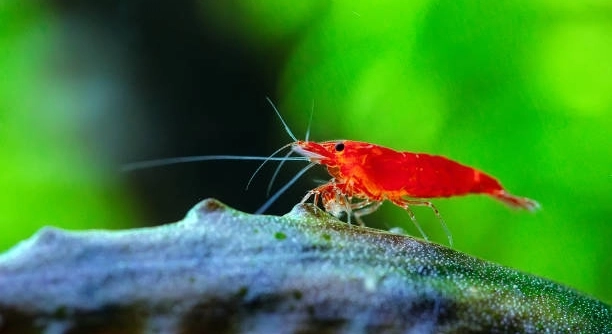
Cherry shrimp are delicate freshwater creatures that add color and life to aquariums. Their small size and gentle nature make them vulnerable to sudden disturbances, which can affect their wellbeing and overall survival in the tank.
Cherry shrimp can survive a tank crash depending on the severity of the incident. Sudden impacts can cause stress, injury, or death, but careful handling, proper water conditions, and immediate assessment of damage can improve their chances of recovery.
Knowing how to respond after an accident ensures the health of your shrimp and helps maintain a stable, thriving aquarium environment.
Understanding the Impact of a Tank Crash
A tank crash can vary from a minor bump to a complete tip-over, and the effects on cherry shrimp depend heavily on the severity. Even a small shake can stress them, making them hide or stop eating temporarily. In more severe cases, physical injuries can occur, including damage to their delicate exoskeletons or appendages. Water displacement may expose shrimp to air or cause sudden changes in temperature and pH, which they cannot tolerate well. Filtration systems can fail, leaving the tank environment unstable, and debris from broken decorations can harm the shrimp further. Observing their behavior immediately after the incident is essential. Signs such as unusual floating, lethargy, or discoloration indicate stress or injury. Quick intervention can prevent further complications. Ensuring the tank is stable, water quality is restored, and injured shrimp are isolated if necessary will increase their chances of survival and recovery, keeping the aquarium safe for all its inhabitants.
Even minor crashes require attention because cherry shrimp react quickly to stress, and early action can prevent lasting damage.
Immediate steps include checking water conditions, removing debris, and gently relocating shrimp if needed to reduce stress and stabilize the environment.
Assessing Shrimp Health Post-Accident
Stress or injury signs in cherry shrimp may include reduced movement, hiding, or abnormal swimming patterns. Observing them closely is crucial.
After a tank crash, monitoring water parameters is essential to ensure pH, temperature, and ammonia levels remain safe. Injured shrimp should be separated in a small quarantine tank with clean water, gentle filtration, and hiding spaces to minimize further stress. Feeding should be light and frequent, offering easily digestible food to support recovery. Dead shrimp must be removed promptly to prevent contamination, and decorations or gravel should be checked for sharp edges or displaced objects that could harm the shrimp. Even after initial stabilization, continue daily observation for at least a week. Behavioral changes, molting issues, or slow recovery are indicators that further attention is required. Regular water testing and careful observation are key to restoring normal conditions. By taking these steps, shrimp have a significantly higher chance of surviving the incident and returning to normal activity levels, maintaining both their health and the aquarium’s balance.
Immediate Tank Recovery
After a tank crash, the first step is to stabilize water conditions. Check temperature, pH, and ammonia levels. Remove debris and any broken decorations. Ensure filtration is running properly and that water movement is gentle.
Once immediate hazards are removed, focus on creating a calm environment for the shrimp. Avoid sudden movements or loud noises near the tank, as cherry shrimp are sensitive to vibrations. Replace or repair any equipment that may have been displaced. If water clarity is affected, perform a partial water change using dechlorinated water. Keep lighting subdued to reduce stress and observe shrimp behavior closely.
Isolating injured or stressed shrimp in a small, clean tank can improve survival. Provide hiding spots with moss or plants, and feed lightly with high-quality food. Monitor daily for molting difficulties, lethargy, or abnormal swimming. Maintain stable water parameters, as sudden changes can worsen stress. Document observations to track progress and intervene quickly if conditions worsen.
Preventing Future Accidents
Securing the tank is essential to prevent another crash. Ensure it is on a stable, level surface away from high-traffic areas.
Investing in tank braces or anti-tip devices can help avoid accidents caused by bumps or vibrations. Heavy or top-heavy tanks should have additional support. Keep cords and equipment organized to prevent tripping hazards, and avoid placing tanks near doors or windows where movement or drafts could cause instability. Regularly inspect the tank stand for wear or weakness. Educating household members about cautious behavior near the tank reduces accidental bumps.
Creating a predictable routine around tank maintenance minimizes sudden disturbances. Feeding, water changes, and cleaning should be done carefully and consistently. Use gentle equipment like soft nets and avoid overcrowding the tank, which can make shrimp more vulnerable during sudden movements. Maintaining a safe environment with stable water conditions, secure equipment, and thoughtful placement ensures that the shrimp can thrive while reducing the risk of future tank crashes.
Monitoring Long-Term Health
After a tank crash, daily observation is crucial. Watch for changes in behavior, feeding habits, or color. Injuries may not appear immediately, so vigilance helps catch problems early.
Keep water parameters consistent. Sudden shifts in pH, temperature, or ammonia levels can stress shrimp further. Test water regularly to maintain a safe environment.
Supporting Recovery
Provide plenty of hiding spots with moss, plants, or decorations. Shrimp feel safer and experience less stress when they have shelter. Avoid overcrowding and ensure gentle water flow.
Feeding After an Accident
Feed lightly and more frequently than usual. Overfeeding can pollute water, adding stress to recovering shrimp. Use small, nutritious portions to support their recovery and energy needs.
Observing Behavior Patterns
Changes in swimming, molting, or interaction with other shrimp indicate health status. Note any unusual patterns and address problems promptly to maintain shrimp wellbeing.
FAQ
Can cherry shrimp survive minor tank crashes?
Yes, cherry shrimp can survive minor accidents if water conditions remain stable and they are not physically injured. Small bumps or vibrations may stress them temporarily, but careful observation and immediate stabilization of the tank can prevent lasting harm. Stress signs include hiding, slow movement, or reduced feeding, which often resolve within a few days.
What should I do immediately after a tank crash?
First, remove debris and check the tank for broken decorations or equipment that could harm the shrimp. Test water parameters including temperature, pH, ammonia, and nitrites. Perform a partial water change if needed. Ensure filtration is working gently, and reduce lighting to lower stress levels. Observing shrimp behavior is critical during this time.
Do injured shrimp need isolation?
Yes, isolating injured shrimp in a small, clean quarantine tank can improve survival chances. Provide hiding spots with plants or moss, gentle filtration, and stable water conditions. Light feeding of high-quality food supports recovery. Daily monitoring helps identify complications like molting issues or lethargy, allowing timely intervention.
How long does it take for shrimp to recover from stress?
Recovery time depends on the severity of the crash and the shrimp’s initial health. Minor stress may resolve within a few days, while physical injuries could take one to two weeks. Consistent water parameters, calm conditions, and proper nutrition accelerate recovery. Continuous observation is necessary to ensure shrimp return to normal activity.
Can sudden water changes harm recovering shrimp?
Yes, sudden changes in pH, temperature, or ammonia levels can worsen stress. Recovery requires stable conditions. Gradual adjustments are safe, and daily testing ensures parameters remain optimal. Use dechlorinated water for any changes and avoid overfeeding, as uneaten food can alter water quality.
Will all shrimp survive a severe tank crash?
Not always. Severe crashes may cause injuries or death despite careful intervention. Broken exoskeletons, internal injuries, or extreme stress can be fatal. Quick stabilization, isolation of injured shrimp, and maintaining clean, stable water improves chances, but survival cannot be guaranteed in extreme cases.
How can I prevent future tank crashes?
Place tanks on sturdy, level surfaces away from high-traffic areas. Use braces or anti-tip devices for top-heavy setups. Secure cords and equipment to avoid tripping hazards. Regularly inspect the tank stand and maintain a consistent routine for feeding and maintenance. A secure environment reduces the risk of accidents.
Should I change the feeding routine after an accident?
Yes, light and frequent feedings help shrimp recover without polluting water. Provide small portions of high-quality food. Avoid overfeeding, which can stress water parameters. Observation of feeding behavior can indicate shrimp health and recovery progress.
Do shrimp behave differently after a crash?
Yes, stressed shrimp may hide more, move slowly, or show changes in color. Some may stop feeding temporarily. These behaviors are normal short-term reactions. Monitoring daily ensures problems are detected, and interventions like isolation or water stabilization can help shrimp return to normal patterns.
Is it necessary to monitor water quality more closely after an incident?
Absolutely. Maintaining optimal parameters is critical for recovery. Test pH, temperature, ammonia, nitrites, and nitrates daily for at least a week. Any deviation can stress shrimp further. Clean water, gentle filtration, and proper feeding all support health and minimize the impact of the crash.
How do I know if a shrimp is too injured to survive?
Signs include immobility, severe discoloration, torn appendages, or inability to molt properly. Despite interventions, some injuries are fatal. Isolating shrimp can reduce stress and prevent secondary issues, but careful observation is necessary to determine prognosis.
Can I prevent stress during future maintenance?
Yes, approach tanks slowly, avoid sudden movements, and perform maintenance at predictable times. Use gentle tools and avoid overcrowding. Keeping shrimp in calm, stable conditions reduces stress, supports molting, and maintains overall health.
Final Thoughts
Cherry shrimp are delicate creatures that require careful attention, especially after a tank crash. Their small size and fragile exoskeleton make them vulnerable to physical injuries, sudden changes in water parameters, and stress. Even minor accidents can cause behavioral changes, such as hiding, reduced feeding, or slower movement. These reactions are normal short-term responses, but consistent monitoring is necessary to ensure they do not develop into long-term health issues. Providing a calm environment immediately after a crash, including gentle water flow, subdued lighting, and removal of debris, helps shrimp feel safe and minimizes additional stress. Observing their behavior closely allows for timely interventions, such as isolating injured shrimp or performing partial water changes, which are crucial steps in supporting recovery and maintaining the overall health of the tank.
Maintaining stable water conditions is one of the most important factors in helping cherry shrimp recover. Sudden fluctuations in temperature, pH, or ammonia levels can worsen stress and even cause fatalities in vulnerable individuals. Regular water testing and careful attention to tank maintenance can prevent these problems from escalating. Feeding should be adjusted after an accident, with smaller, more frequent portions of high-quality food to reduce waste and support energy needs. Injured or stressed shrimp may require temporary isolation in a separate tank with clean water and hiding spots to ensure they have the best chance of recovery. By addressing their physical and environmental needs promptly, it is possible to mitigate the impact of a tank crash and help shrimp return to normal activity.
Prevention is also essential for long-term shrimp care. Ensuring that tanks are placed on stable, level surfaces and away from high-traffic areas reduces the risk of accidents. Anti-tip devices, tank braces, and careful organization of cords and equipment can further protect the aquarium from being disturbed. Developing a consistent routine for feeding, cleaning, and observation helps maintain a calm environment and allows for early detection of any problems. While severe accidents can be fatal despite careful intervention, most minor crashes can be managed effectively with quick action and proper care. By understanding the specific needs of cherry shrimp, monitoring their health, and maintaining a safe tank environment, it is possible to keep them thriving even after unexpected incidents.

Hello,
If you enjoy the content that we create, please consider saying a "Thank You!" by leaving a tip.
Every little bit helps us continue crafting quality advice that supports the health, happiness, and well-being of pets around the world, for pets of all shapes, sizes, and species.
We really appreciate the kindness and support that you show us!