
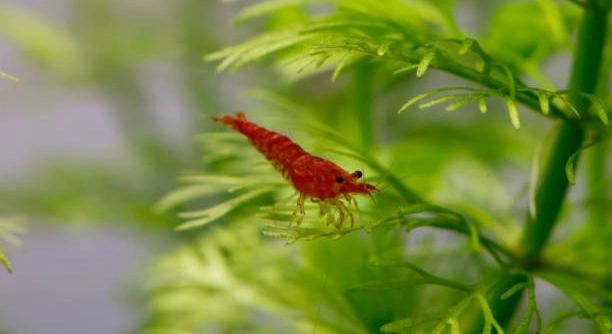
Cherry shrimp are charming little creatures that add color and life to any freshwater aquarium. Many hobbyists enjoy watching them, yet sometimes they cling to the filter for long periods. This behavior can be puzzling and concerning.
Cherry shrimp often cling to the filter due to water flow, oxygen levels, hiding instincts, stress, food availability, molting needs, or territorial behavior. These factors interact to create an environment where the filter becomes a convenient and safe spot.
Observing shrimp behavior closely can help improve tank conditions and ensure their comfort. Understanding these reasons will make caring for them much easier.
Water Flow and Filter Currents
Cherry shrimp are small and delicate, so strong water currents can make swimming exhausting. The filter creates a constant flow that can push them around, making it easier to hold onto it rather than struggle in open water. Shrimp often cling to the filter intake or edges where the current is slower. This allows them to conserve energy while still staying in areas with enough oxygen and movement. Over time, they may return to the filter repeatedly because it offers a stable place to rest. Young or molting shrimp are particularly vulnerable, so they prefer these calmer areas. Even in a well-planted tank, the filter remains an accessible spot. Their behavior is instinctive, aiming to balance safety, oxygen access, and minimal energy use. Watching shrimp cling can provide insight into how strong your tank currents are and how they adjust to them. Adjusting flow may reduce prolonged filter attachment.
Shrimp cling to the filter because it offers manageable currents and a safer resting place for conserving energy in the tank.
By observing where shrimp attach on the filter, you can see which areas have gentler currents. Adjusting flow with sponges or deflectors helps them explore more freely. Filters can also trap floating food, attracting shrimp. They often graze near the intake, benefiting from tiny particles that settle there. Strong currents may discourage them from moving across the tank floor. Hiding spots near the filter, like plants or rocks, make it a preferred location. Understanding flow patterns helps maintain shrimp health, prevents exhaustion, and encourages natural behavior. Regularly checking flow and adjusting as needed ensures shrimp remain comfortable without overexertion or stress.
Oxygen Levels and Filtration
Shrimp need well-oxygenated water, and the filter helps maintain this balance. Areas near the filter usually have higher oxygen, making it appealing to them.
Low oxygen in other tank areas can stress shrimp. The filter intake draws water through, oxygenating it before releasing it back. Shrimp instinctively gravitate toward these oxygen-rich zones to breathe more easily. Even if the tank appears clean, small fluctuations in oxygen can affect shrimp behavior. Observing their patterns helps identify spots where water may stagnate. Plants help oxygenate, but the filter often becomes the main source. Overcrowding or high temperatures can further reduce oxygen elsewhere, encouraging shrimp to stay near the filter. Providing multiple gentle water flows and maintaining proper filtration ensures even oxygen distribution, reducing dependence on one spot. Tank layout and aeration work together to keep shrimp comfortable and active throughout the aquarium. Understanding their preference helps prevent stress and supports overall health.
Hiding and Security
Shrimp cling to the filter to feel safe. The edges and intake areas provide small nooks where they can hide from larger tank mates or sudden movements.
The filter often creates corners and surfaces that give shrimp a sense of security. Even in a planted tank, open areas feel exposed, so they prefer staying near structures. During molting, when their shells are soft, they especially need secure spots to avoid predators or other shrimp. The filter offers this protection while keeping them close to water movement and oxygen.
Shrimp are instinctively cautious. They seek spots that minimize threats while still allowing access to food and oxygen. By clinging to the filter, they can watch their surroundings and retreat quickly if needed. This behavior is natural and signals their need for safe resting points in the tank.
Food Availability
Shrimp are attracted to the filter because it often collects food particles. Leftover flakes or pellets settle near the intake, creating an easy feeding area.
Filters trap tiny bits of food, making them convenient grazing spots for shrimp. Even when feeding occurs elsewhere, micro-particles float toward the filter. Shrimp benefit from this steady supply, which is especially helpful for smaller or timid shrimp. Grazing near the filter saves energy while ensuring they get enough nutrition.
This feeding behavior also supports their natural scavenging instincts. By staying near the filter, shrimp access both trapped food and algae that may grow on the surfaces. It’s a combination of safety and nourishment that encourages them to linger, making the filter a central part of their daily activity.
Molting Needs
Shrimp cling to the filter during molting because it provides a safe and stable surface. The soft, newly shed shell makes them vulnerable, so they seek secure areas to recover.
The filter’s edges offer a consistent grip while keeping them close to oxygenated water. Molting shrimp are less mobile and more cautious, avoiding open spaces where other shrimp or tank mates might accidentally harm them. Clinging helps them remain protected until their exoskeleton hardens.
Territorial Behavior
Cherry shrimp sometimes claim areas near the filter as part of their territory. This space offers food access, safety, and suitable hiding spots, making it a strategic choice.
Shrimp may return repeatedly to the same area, defending it subtly from others. This behavior is more common in males or more dominant individuals. It ensures consistent access to resources without constant movement.
Stress and Environmental Changes
Stress makes shrimp cling to the filter as a coping mechanism. Sudden water changes, temperature shifts, or aggressive tank mates can trigger this behavior.
FAQ
Why do my cherry shrimp cling to the filter all the time?
Shrimp cling to the filter because it offers a mix of safety, oxygen, and easy access to food. Strong currents in the tank or stress from tank mates can push them toward calmer areas, and the filter provides a stable spot for resting. Molting shrimp also prefer secure surfaces.
Is it harmful if shrimp stay on the filter for hours?
Not necessarily. As long as the water conditions are good and they have enough food, clinging to the filter is a natural behavior. However, constant attachment may indicate strong currents, low oxygen elsewhere, or stress. Adjusting flow and ensuring hiding spots helps balance their movement.
Should I reduce filter flow if shrimp cling too much?
Yes, modifying flow can help. Using sponge covers or deflectors reduces strong currents near the intake. This encourages shrimp to explore the tank more freely while still keeping the water clean. Too strong a current can exhaust them over time.
Do shrimp cling to filters for food?
Yes. Tiny food particles often accumulate near the filter intake or edges. Shrimp take advantage of these trapped bits and algae growth on surfaces. Staying near the filter allows them to graze without expending much energy searching across the tank.
Does molting affect filter clinging?
Absolutely. Molting shrimp are vulnerable because their new exoskeleton is soft. They cling to secure areas like the filter until their shell hardens. During this time, they avoid open spaces to minimize the risk of injury or stress.
Can stress from other tank mates make shrimp cling to the filter?
Yes. Aggressive or larger fish can intimidate shrimp, causing them to hide. The filter provides both a physical barrier and a higher oxygen area, reducing stress. Regular observation of tank interactions can help ensure shrimp feel safe and healthy.
Will adjusting tank layout reduce filter clinging?
It can. Adding plants, rocks, or decorations near open areas gives shrimp alternative hiding spots. Spreading food throughout the tank also reduces the need to stay close to the filter for grazing. Balancing shelter, oxygen, and gentle water flow encourages natural movement.
How do water quality issues influence filter behavior?
Shrimp are sensitive to ammonia, nitrites, and sudden pH changes. Poor water quality can make them cling to areas with better oxygenation, like the filter. Regular testing and maintenance ensure they feel comfortable and reduce prolonged attachment to one spot.
Do all cherry shrimp behave this way?
Not all, but many do. Behavior varies with age, health, tank population, and individual temperament. Some may prefer open spaces, while others consistently use the filter for safety and feeding. Observing patterns over time helps understand their habits.
Is filter clinging a sign of illness?
It can be, but not always. Sick shrimp may stay still near the filter or intake due to weakness. Signs of illness include discoloration, lack of appetite, or abnormal swimming. Healthy shrimp may cling for comfort rather than health issues.
How can I encourage shrimp to explore more of the tank?
Provide gentle water flow, multiple hiding spots, and evenly distributed food. Ensuring stable water parameters and minimal stress from other tank mates encourages shrimp to move around while still returning to safe areas when needed.
Cherry shrimp are fascinating little creatures that display many behaviors which may seem puzzling at first. One of the most common behaviors observed by tank owners is their tendency to cling to the filter. This action is influenced by multiple factors, including water flow, oxygen levels, food availability, stress, molting, and their natural instincts for safety and territory. Understanding why shrimp behave this way helps aquarium owners provide better care and maintain a healthy environment. While it may seem unusual to see them staying in one spot for long periods, it is often a natural response to the conditions in their tank. Observing their behavior closely can give valuable insights into the overall balance of the aquarium and how the shrimp are interacting with it.
The filter plays a central role in their daily routine because it provides a combination of safety and resources. Areas near the intake are usually well-oxygenated, which is crucial for shrimp health, especially if other parts of the tank have lower oxygen levels. Small food particles often accumulate near the filter, giving shrimp easy access to nutrition without expending extra energy. Additionally, the edges and surfaces of the filter offer secure spots for hiding, particularly when shrimp are molting or feeling stressed. By understanding these reasons, it becomes clear that filter clinging is not necessarily a negative behavior. Instead, it is a sign that shrimp are seeking stability, comfort, and safety within their environment. Tank owners can use this knowledge to make small adjustments, such as reducing strong currents, adding more plants, or distributing food evenly to encourage more balanced movement.
Paying attention to shrimp behavior over time is essential for ensuring their long-term health and well-being. Regular observation allows owners to notice patterns and detect potential issues, such as stress, poor water quality, or aggressive tank mates, early on. Making small changes to the tank environment can reduce unnecessary stress and promote more natural activity, while still allowing shrimp to use the filter as a safe spot when needed. Understanding these behaviors also makes the aquarium experience more enjoyable because it gives a deeper appreciation of the shrimp’s instincts and habits. By providing a stable, well-maintained environment, shrimp will thrive and exhibit a wider range of natural behaviors, making it easier to maintain a balanced and healthy tank. Observing how they interact with the filter and other areas of the tank can be both informative and rewarding, helping create a comfortable habitat where shrimp feel secure and active.

Hello,
If you enjoy the content that we create, please consider saying a "Thank You!" by leaving a tip.
Every little bit helps us continue crafting quality advice that supports the health, happiness, and well-being of pets around the world, for pets of all shapes, sizes, and species.
We really appreciate the kindness and support that you show us!