7 Tips for Creating a Natural-Looking Pictus Habitat
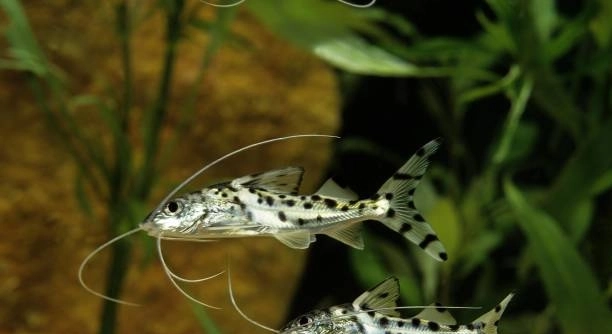
Creating a natural-looking pictus habitat requires attention to detail and understanding the fish’s environment. A well-designed tank mimics their native river conditions, promoting healthier and happier fish. This article offers practical advice to achieve that natural feel. To create a natural habitat for pictus catfish, focus on replicating their natural river environment by incorporating smooth … Read more
How Often Do Pictus Catfish Need to Eat?

Have you ever found yourself wondering how often your pictus catfish needs to eat to stay healthy and active in your aquarium? Pictus catfish should be fed once or twice daily, depending on their age and size. Younger fish often require two smaller meals, while adults typically do well with one moderate feeding per day. … Read more

Why Do Pictus Catfish Shake Their Heads?

Pictus catfish are popular freshwater fish known for their lively behavior and distinctive appearance. Their habit of shaking their heads often catches the attention of aquarium enthusiasts. Understanding why they do this can improve their care and environment. Pictus catfish shake their heads primarily to communicate and explore their surroundings. This behavior can also help … Read more

7 Small Tank Changes With Big Impacts

Small adjustments in tank setups can lead to noticeable improvements in water quality, fish health, and overall aquarium stability. Many aquarium enthusiasts overlook these minor changes, not realizing their significant benefits. Understanding these tweaks helps create a better environment for aquatic life. Seven small changes, such as adjusting filtration flow, optimizing lighting duration, and fine-tuning … Read more

Can Pictus Catfish Get Depressed?

Have you ever noticed your pictus catfish acting differently and started wondering if it might be feeling stressed or unhappy? Pictus catfish can exhibit signs of depression when kept in poor conditions, such as isolation, lack of stimulation, or inadequate tank environments. These factors affect their behavior, health, and overall activity levels, indicating emotional stress. … Read more

Are Pictus Catfish Affected by Tank Reflections?

Are your Pictus catfish acting differently near the glass walls of your tank? Reflections can sometimes affect fish behavior, causing changes in how they swim and interact with their environment. This article explores how reflections impact these lively fish. Pictus catfish can be affected by tank reflections, often mistaking their mirrored images for other fish. … Read more

What Happens If You Feed Pictus Catfish Too Much?

Feeding pictus catfish is a common part of keeping these lively fish healthy and happy. Many fish owners enjoy watching their pictus thrive and grow with the right diet. However, knowing how much to feed them is important for their well-being. Feeding pictus catfish too much can lead to health problems like obesity, poor water … Read more

7 Quick Ways to Spot Trouble With Your Pictus Catfish

Many aquarium owners enjoy keeping pictus catfish for their lively behavior and unique appearance. However, these fish can sometimes show signs of distress or illness that may be easy to miss. Recognizing early trouble can help keep your fish healthy and happy. Common signs of trouble with pictus catfish include changes in swimming patterns, loss … Read more

How to Choose the Right Tank Lid for Pictus Catfish

Is your Pictus catfish tank missing something important for keeping your fish safe and secure? Choosing the right tank lid can make a big difference in your setup and your fish’s well-being. The best tank lid for Pictus catfish is one that fits tightly, prevents escapes, and allows for proper ventilation. These active fish are … Read more

7 Reasons Your Pictus Catfish Stays in One Spot

Many Pictus catfish owners notice their fish staying in one spot for long periods. This behavior can seem unusual or even worrying if you are not sure why it happens. Understanding their habits helps create a better environment for them. Pictus catfish remain stationary due to factors such as water quality, stress, illness, lack of … Read more