
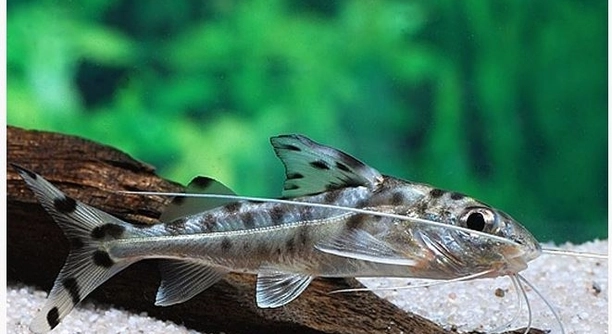
Pictus catfish are popular freshwater fish known for their lively behavior and distinctive appearance. Their habit of shaking their heads often catches the attention of aquarium enthusiasts. Understanding why they do this can improve their care and environment.
Pictus catfish shake their heads primarily to communicate and explore their surroundings. This behavior can also help remove debris from their barbels and gills, aiding in their sensory functions. Head shaking is a natural and important part of their daily activity.
Learning more about this behavior can help aquarium owners provide a healthier habitat. It also reveals interesting aspects of how these fish interact with their environment and stay comfortable.
Reasons Behind Head Shaking in Pictus Catfish
Pictus catfish use head shaking as a way to interact with their environment. This motion helps them clear their barbels, which are sensitive whisker-like organs used to detect food and navigate in murky water. If debris or algae build up on these barbels, the fish shake their heads to remove it. Additionally, this behavior can be a form of communication or a reaction to new stimuli, such as changes in the tank or nearby movement. Sometimes, head shaking signals mild irritation or stress, especially if water conditions are less than ideal. It’s important to observe other signs to ensure the fish is healthy and comfortable. Regular tank maintenance and proper water quality help reduce unnecessary stress and keep the fish active and relaxed.
This head-shaking behavior is a normal and healthy part of how pictus catfish manage their senses and environment. It usually requires no intervention unless other symptoms appear.
Understanding these reasons helps in recognizing normal fish behavior and identifying when action might be needed. It also supports maintaining a suitable habitat for pictus catfish to thrive and remain comfortable.
How Tank Conditions Affect Head Shaking
Poor water quality and overcrowding can increase head shaking frequency in pictus catfish. Stress from these conditions affects their health and behavior.
Water temperature, pH levels, and cleanliness significantly impact pictus catfish. If water is dirty or parameters are off, the fish may shake their heads more often to clear irritants or signal discomfort. Overcrowded tanks limit space and increase waste, raising stress and causing abnormal behaviors like excessive head shaking. Proper filtration and regular water changes reduce irritants and maintain balance. Additionally, providing hiding spots and adequate space helps pictus catfish feel secure and reduces stress-driven actions. Monitoring tank conditions regularly ensures the fish stay healthy and behave naturally. Addressing water quality and tank setup is essential to minimize stress-related behaviors and promote well-being.
Keeping a stable, clean environment is crucial for pictus catfish health. Proper tank care reduces unnecessary head shaking caused by irritation or stress. This also encourages more natural, calm behavior patterns in these active fish.
Common Health Issues Related to Head Shaking
Head shaking can sometimes signal health problems in pictus catfish. Parasites or infections may cause irritation, leading to this behavior. It’s important to watch for other symptoms like lethargy or loss of appetite. Early detection is key to preventing serious illness.
Parasites such as ich or flukes can attach to the fish, irritating the skin and gills. This causes increased shaking or rubbing against objects. Bacterial or fungal infections might also lead to similar symptoms. If head shaking is frequent and paired with other signs like faded color or abnormal swimming, a health check is necessary. Treatment usually involves medicated baths or water treatments depending on the diagnosis. Regular observation and prompt action can protect the fish’s well-being.
A sudden increase in head shaking may indicate a need for water testing or health treatment. Stress weakens the immune system, making infections more likely. Keeping a clean tank reduces these risks. Observing behavior changes early helps address issues before they worsen.
Impact of Tank Mates on Pictus Catfish Behavior
Tank mates influence how often pictus catfish shake their heads. Aggressive or overly active fish can cause stress, which increases this behavior. Peaceful companions help maintain calm and natural activity.
Pictus catfish are generally peaceful but can become stressed if housed with aggressive species. Constant chasing or competition for food raises stress levels, triggering frequent head shaking. On the other hand, calm tank mates reduce tension and help pictus catfish feel secure. Fish that share similar activity levels and temperaments tend to coexist better, allowing pictus catfish to display natural behaviors without added stress. Choosing compatible species and providing plenty of hiding spaces lowers conflicts and helps regulate their behavior.
Keeping tank mates that do not disrupt pictus catfish daily life is important. Proper social environments promote balanced, healthy fish behavior and reduce stress-induced actions like excessive head shaking. This creates a more harmonious aquarium for all inhabitants.
Feeding Habits and Head Shaking
Pictus catfish often shake their heads during feeding. This motion helps them sift through substrate to find food particles. It is a natural part of their foraging behavior.
Shaking also clears debris from their barbels, keeping their sensory organs sensitive. Healthy feeding routines reduce unnecessary stress and excessive shaking.
Environmental Enrichment and Behavior
Providing enrichment like plants, driftwood, and hiding spots helps pictus catfish feel secure. A stimulating environment reduces stress and excessive head shaking by encouraging natural activity.
Recognizing Normal vs. Abnormal Shaking
Normal head shaking is brief and occasional. Abnormal shaking is constant or aggressive, possibly indicating stress or illness. Observing other behaviors is important.
When to Seek Help
If head shaking increases suddenly or is paired with other symptoms, veterinary advice is recommended to rule out health issues.
FAQ
Why does my pictus catfish shake its head constantly?
Constant head shaking may indicate irritation or stress. This could be due to poor water quality, parasites, or overcrowding. Check water parameters and observe for other signs like clamped fins or faded colors. If symptoms persist, consider consulting a veterinarian for a proper diagnosis and treatment.
Is head shaking harmful to pictus catfish?
In most cases, head shaking is a natural behavior used to clean barbels and explore surroundings. However, excessive or frantic shaking can cause stress and injury. Maintaining good water quality and monitoring tank conditions helps minimize harmful effects.
Can head shaking be a sign of illness?
Yes, head shaking can signal illnesses such as parasitic infections, bacterial or fungal problems. These conditions irritate the skin and gills, prompting shaking. Look for additional symptoms like lethargy, loss of appetite, or abnormal swimming to identify illness.
How do I reduce head shaking caused by stress?
Stress often results from overcrowding, aggressive tank mates, or poor water quality. Provide enough space, compatible companions, and clean water through regular maintenance. Adding hiding spots and plants can create a calmer environment, reducing stress-related behaviors.
Does diet affect head shaking?
A proper diet supports overall health and can reduce stress behaviors. Nutritional deficiencies or poor feeding may cause discomfort, sometimes leading to increased head shaking. Feed high-quality foods suited for bottom feeders to promote health and reduce irritation.
Should I separate a shaking pictus catfish from others?
If head shaking is caused by aggression or bullying, temporarily separating the fish can reduce stress. However, isolation for long periods may cause its own stress. Focus on improving tank conditions and compatibility to resolve issues naturally.
How can I tell if the shaking is normal or abnormal?
Normal shaking is occasional and gentle, mainly during feeding or exploration. Abnormal shaking is frequent, violent, or accompanied by other signs like skin damage, gasping, or hiding. Careful observation over time helps distinguish between normal and problematic behavior.
What tank conditions help prevent excessive head shaking?
Stable water temperature, proper pH, clean water, and adequate space are key. Use a good filtration system and perform regular water changes. Avoid overcrowding and aggressive species to create a peaceful environment that supports natural behaviors.
Can head shaking cause injury to pictus catfish?
Excessive shaking against rough surfaces or tank decorations might cause damage to barbels or skin. Ensuring the tank has smooth decorations and sufficient open space reduces the risk of injury. If injury occurs, treatment with aquarium-safe antiseptics may be needed.
Is head shaking linked to breeding behavior?
Head shaking is not typically related to breeding in pictus catfish. They may exhibit other signs during spawning, such as increased activity or territoriality, but shaking itself is more about sensory maintenance and environmental interaction.
How long does head shaking last after treatment for illness?
After treating parasites or infections, head shaking usually decreases within a few days to a week. Consistent improvement in water quality and fish behavior is a good sign. If shaking continues, reassessment and further treatment may be necessary.
Are there any home remedies for reducing head shaking?
Maintaining clean water and a stable environment is the best “home remedy.” Avoid sudden changes in water parameters and provide nutritious food. Some aquarium owners use mild salt baths for mild irritation, but always research carefully and follow guidelines before applying treatments.
Can head shaking be a result of water flow in the tank?
Strong or uneven water currents can cause fish to shake their heads as they try to stabilize or clear debris. Adjusting the flow or creating calmer zones with plants or decorations helps reduce this behavior.
What should I do if I notice head shaking along with other strange behaviors?
Combine symptoms like loss of appetite, gasping, or unusual swimming with head shaking indicate a health problem. Test water quality immediately and isolate the affected fish if needed. Seek advice from an aquatic veterinarian to address serious issues promptly.
Pictus catfish head shaking is a common behavior with several explanations. It mostly helps them clear their sensitive barbels, which they use to explore and find food in their environment. This action also allows them to stay aware of their surroundings and maintain their sensory health. In many cases, head shaking is a normal and healthy part of how pictus catfish behave in an aquarium. Recognizing this behavior as typical helps fish keepers avoid unnecessary worry or intervention.
However, head shaking can also be a sign of discomfort or stress when it becomes frequent or intense. Poor water quality, parasites, or aggressive tank mates may cause a pictus catfish to shake its head more than usual. It is important to observe the fish closely for other signs such as lethargy, loss of appetite, or damaged barbels. These additional symptoms often indicate that the fish needs attention to improve its living conditions or medical care. Maintaining a clean and stable tank environment is key to reducing stress and promoting the well-being of pictus catfish.
Overall, understanding why pictus catfish shake their heads helps in providing better care. A balanced diet, proper tank setup, compatible companions, and regular maintenance are all essential factors. Watching for changes in behavior and acting quickly when problems arise can prevent serious health issues. This knowledge makes it easier to create a comfortable environment where pictus catfish can thrive and display their natural behaviors without excessive head shaking.

Hello,
If you enjoy the content that we create, please consider saying a "Thank You!" by leaving a tip.
Every little bit helps us continue crafting quality advice that supports the health, happiness, and well-being of pets around the world, for pets of all shapes, sizes, and species.
We really appreciate the kindness and support that you show us!