
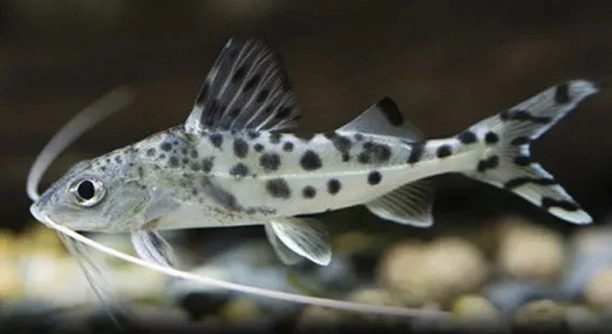
Many aquarium owners enjoy keeping pictus catfish for their lively behavior and unique appearance. However, these fish can sometimes show signs of distress or illness that may be easy to miss. Recognizing early trouble can help keep your fish healthy and happy.
Common signs of trouble with pictus catfish include changes in swimming patterns, loss of appetite, unusual spots or discoloration, and clamped fins. Monitoring these indicators regularly allows for timely intervention and proper care to prevent further health decline.
Knowing what to watch for will make caring for your pictus catfish easier and more effective. This guide offers practical tips to identify problems quickly and maintain a healthy aquarium environment.
Changes in Swimming Behavior
Pictus catfish are known for their active and swift swimming around the tank. If you notice your fish suddenly slowing down, swimming erratically, or hiding more than usual, it could be a sign of stress or illness. These changes may indicate poor water quality, infections, or even internal parasites. It’s important to observe your catfish regularly and compare their current behavior to what is normal for them. Sometimes, sudden shifts in swimming can also result from physical injuries or changes in the tank environment, like temperature fluctuations or aggressive tank mates. Keeping the aquarium clean and stable helps reduce these risks. When you see abnormal swimming, check water parameters like pH, ammonia, and nitrate levels immediately. Early detection and action can prevent serious health problems.
Erratic swimming is often an early sign of distress and should never be ignored.
By understanding how your pictus catfish usually moves, you can quickly spot unusual behavior. Consistent observation helps you act promptly, which is crucial for your fish’s well-being. Maintaining clean water and a calm tank environment supports healthy activity levels.
Loss of Appetite
Loss of appetite is a common symptom that your pictus catfish might be struggling. When your fish refuses food or eats much less than usual, it can indicate several issues. Poor water quality, disease, or stress from overcrowding can all affect eating habits. Sometimes, the food itself may not be suitable, or the fish may be competing with others for meals. It’s important to offer a balanced diet and ensure that feeding times are consistent. If your catfish stops eating for more than two days, it is wise to investigate the cause.
Feeding behavior is a reliable indicator of fish health.
When your pictus catfish shows a lack of interest in food, start by checking the tank environment and water conditions. A sudden drop in appetite can signal infections such as bacterial or fungal diseases that need prompt treatment. Stress from new tankmates or changes in water temperature can also lead to loss of appetite. Offering high-quality, varied food can sometimes encourage eating again. However, if the problem persists, consulting a veterinarian experienced with fish may be necessary to diagnose and treat underlying issues. Maintaining a clean and stable environment reduces the risk of appetite loss and supports your catfish’s overall health.
Unusual Spots or Discoloration
Unusual spots or discoloration on your pictus catfish’s body can be signs of illness or stress. These changes may appear as white patches, red sores, or darkened areas and should be checked promptly.
Discoloration often results from infections like fungal or bacterial diseases. Poor water quality, sudden temperature changes, or injuries can cause the skin to lose its normal color or develop spots. If you see white spots, it may be ich, a common parasite that needs treatment. Red sores or ulcers indicate a bacterial infection that requires immediate care. Keeping the tank clean and maintaining stable water conditions can help prevent these issues.
If you notice any skin changes, isolate the affected fish if possible and test the water. Treatment usually involves medicated baths or adding appropriate medications to the tank. Early response improves recovery chances and limits spread to other fish.
Clamped Fins
Clamped fins occur when your pictus catfish holds its fins close to its body instead of spreading them out. This behavior indicates discomfort or illness.
Fish often clamp their fins to reduce stress or protect themselves when feeling weak. Causes can include poor water quality, infections, or parasites. Sometimes, sharp objects or aggressive tankmates may injure fins, leading to clamping. It’s a clear visual sign that your fish is not feeling well and needs attention.
Regularly checking water parameters and tank conditions is important to prevent stress. Providing hiding spots and avoiding overcrowding also helps reduce fin clamping. When you notice this behavior, test the water and look for other symptoms like lethargy or loss of appetite. Addressing the underlying problem early is key to restoring your catfish’s health and comfort.
Gasping at the Surface
Gasping at the surface is a clear sign your pictus catfish may be struggling with oxygen levels. This behavior often means the water lacks sufficient oxygen or has poor quality.
Check the filter and aeration system to ensure proper water movement. Poor oxygen can stress your fish quickly and lead to serious health problems if not fixed.
Rapid Gill Movement
Rapid gill movement indicates your fish is working hard to breathe. This can be caused by poor water quality, high ammonia or nitrite levels, or diseases affecting the gills. Monitor water parameters carefully to identify and correct issues. Improving aeration and performing partial water changes often help ease this problem.
Lethargy
Lethargy in pictus catfish means they are less active than usual and may be hiding or resting more. This behavior signals illness, stress, or poor water conditions that require prompt attention to prevent worsening health.
How often should I check my pictus catfish for signs of trouble?
Regular observation is key to keeping your pictus catfish healthy. Ideally, check your fish daily to notice any changes in behavior, appetite, or appearance. Even quick visual checks during feeding times can help you spot problems early before they worsen. Consistency is important because subtle signs may develop slowly and be easy to miss with infrequent monitoring.
What are the best water conditions for pictus catfish?
Pictus catfish thrive in clean, well-oxygenated water with a temperature between 72°F and 79°F (22°C–26°C). The pH should be stable, ideally between 6.5 and 7.5. Ammonia and nitrite levels must always be zero, while nitrates should remain low, below 20 ppm. Regular water testing and partial water changes help maintain these conditions and prevent stress-related illnesses.
Can poor diet cause health problems in pictus catfish?
Yes, an improper diet can weaken your fish’s immune system, making them more susceptible to disease. Pictus catfish are omnivores and require a varied diet including sinking pellets, live or frozen foods like bloodworms, and vegetables. Feeding high-quality food in appropriate amounts supports their health and energy levels.
What should I do if I notice unusual spots or discoloration?
If you see white spots, red sores, or unusual marks, isolate the affected fish if possible to prevent spreading. Test water quality immediately and consider using anti-parasitic or antibacterial treatments, depending on the symptoms. Consulting with an aquatic veterinarian or experienced fishkeeper can help confirm the diagnosis and treatment plan.
How do I treat clamped fins?
Clamped fins usually indicate stress or illness. First, check water parameters and correct any imbalances. Improve aeration and reduce tank overcrowding. If infection is suspected, use antibacterial medication following product instructions. Providing hiding spots and reducing stressors can help your fish recover more quickly.
Why is my pictus catfish gasping at the surface?
Gasping often means low oxygen levels or poor water quality. Make sure your filter and aeration devices are functioning well. Increase surface agitation to improve oxygen exchange and perform partial water changes to lower harmful substances. Addressing these issues promptly can prevent serious health problems.
How long can pictus catfish survive without food?
Pictus catfish can survive for several days without food, but extended fasting weakens them and makes them vulnerable to disease. If your fish refuses to eat for more than two days, investigate water quality and health issues. Ensuring a balanced diet and feeding routine helps prevent appetite loss.
Can other tankmates affect my pictus catfish’s health?
Yes, aggressive or overly active tankmates can stress pictus catfish, leading to clamped fins, hiding, or reduced appetite. Choose peaceful, compatible species and avoid overcrowding. Stress weakens their immune system, increasing risk of illness.
What signs mean I should seek professional help for my pictus catfish?
If your fish shows persistent loss of appetite, severe discoloration, prolonged lethargy, or physical injuries that don’t improve, professional advice is recommended. A veterinarian with experience in aquatic animals can offer diagnosis and treatment beyond basic home care.
How can I prevent common diseases in my pictus catfish?
Maintaining good water quality is the best prevention. Regular cleaning, water testing, and partial water changes are essential. Quarantine new fish before adding them to your tank to avoid introducing disease. Provide a balanced diet and reduce stress through proper tank setup and compatible tankmates.
Taking care of pictus catfish requires careful attention to their behavior and environment. These fish are active and sensitive, so noticing small changes early can make a big difference in their health. Watching how they swim, eat, and interact with their surroundings helps you spot signs of trouble before they become serious. Simple habits like regular tank checks and clean water can prevent many common problems.
Water quality is one of the most important factors in keeping pictus catfish healthy. Maintaining the right temperature, pH, and chemical balance helps avoid stress and illness. Even small fluctuations in these conditions can affect your fish. Routine water testing and timely changes keep the tank stable. Providing enough oxygen through proper filtration and aeration supports their natural activity and breathing.
Being proactive with your fish’s care means responding quickly to any signs of sickness. If you see unusual spots, clamped fins, or changes in behavior, it is best to act immediately. Isolating the fish, adjusting water conditions, and seeking advice when needed can save lives. With patience and attention, you can enjoy a healthy and lively pictus catfish in your aquarium for many years.

Hello,
If you enjoy the content that we create, please consider saying a "Thank You!" by leaving a tip.
Every little bit helps us continue crafting quality advice that supports the health, happiness, and well-being of pets around the world, for pets of all shapes, sizes, and species.
We really appreciate the kindness and support that you show us!