
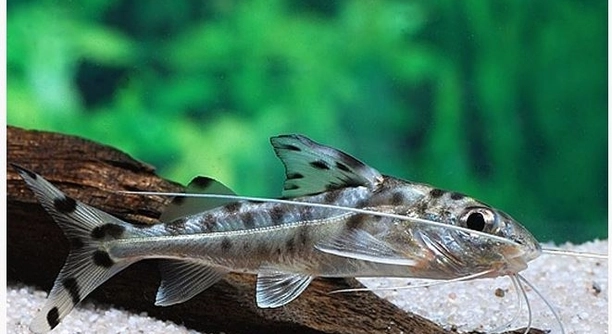
Is your Pictus catfish tank missing something important for keeping your fish safe and secure? Choosing the right tank lid can make a big difference in your setup and your fish’s well-being.
The best tank lid for Pictus catfish is one that fits tightly, prevents escapes, and allows for proper ventilation. These active fish are known to jump, so a secure and stable lid is essential for their safety.
A few small details can help you make the right choice, from lid materials to airflow and fit. Let’s explore what works best.
Why Lid Choice Matters for Pictus Catfish
Pictus catfish are active swimmers that often dash around the tank, especially during the evening hours. Because of their quick movements and tendency to jump, having a proper tank lid is not just a suggestion—it’s necessary. A secure lid helps prevent accidents, keeps your fish from escaping, and reduces the risk of injuries. These fish are curious and can easily slip through even small gaps. Mesh lids may allow for better airflow, but they must be weighed down or reinforced to prevent lifting. Solid glass or acrylic lids offer better coverage but can trap heat or reduce gas exchange if not properly designed. It’s also important to make sure any lid you choose works well with your filters, lights, and other equipment. When picking a lid, think about how it will affect the tank’s temperature, humidity, and oxygen levels. A well-fitting lid keeps the environment balanced and your fish safe.
Always check that the lid fits snugly and doesn’t shift easily when touched.
When lids don’t fit well, your catfish can leap out, or the tank conditions might change in unhealthy ways.
Types of Lids and What to Avoid
Avoid lids that are too light or made of flimsy plastic. These can move easily and offer little protection.
Glass lids are popular because they provide a solid barrier while still allowing light through. They’re easy to clean and fit tightly if chosen in the right size. However, they can trap heat, so it’s helpful to leave a small gap or use ventilation holes. Acrylic lids are lightweight and less likely to shatter, but they may warp over time if exposed to heat or humidity. Mesh or screen lids give better airflow and help with cooling, which is great for warm climates. However, if they’re not secured properly, your Pictus catfish might find a way out. Lids with built-in feeding doors can be convenient, but they must close securely. Stay away from lids with large cutouts or poor sealing, as these create risks. The right lid depends on your tank’s size, location, and temperature needs, so choose with care to keep your catfish protected.
Features to Look for in a Good Tank Lid
Look for a lid that fits tightly, has ventilation, and supports your tank’s lighting system. The material should be sturdy enough to stay in place even if your Pictus catfish jumps or brushes against it.
A good lid should not leave gaps around the edges. Choose one that fits the top of your tank without shifting or leaving open corners. If you use hang-on filters or airline tubing, look for lids with adjustable cutouts. These allow for necessary equipment without compromising safety. Ventilation is also important. Lids with small holes or built-in vents help reduce moisture buildup and improve oxygen exchange. If you’re using a glass lid, adding a spacer can help with air circulation. Choose a lid material that won’t bend or warp over time, especially if you’re using strong lighting or heaters. Durability and ease of cleaning are also worth considering during your selection.
Avoid lids that are hard to remove during maintenance. If a lid is too heavy or awkward, you may skip cleanings, which leads to problems over time. Lightweight lids with easy-lift handles or hinges make care more convenient. A lid should work with you, not against you, as you manage your tank.
How Environment and Setup Influence Your Lid Choice
Room temperature, humidity, and tank placement all play a part in how effective a lid will be. If your tank is in a warm or humid room, a mesh or vented lid can help prevent overheating and condensation buildup.
If your tank sits near windows or in a room that experiences temperature swings, a solid lid may help with insulation. In cooler environments, glass or acrylic lids help retain warmth and reduce evaporation. For tanks with high humidity, avoid lids that trap too much moisture, as this can lead to mold growth around the edges or on equipment. Your tank’s lighting system can also influence your choice—some fixtures require flat, stable lids, while others clip on and need open space. If your Pictus catfish is in a community tank, having a secure lid is even more important, since sudden movement from other fish can trigger jumps. Understanding your setup helps you choose a lid that fits your tank’s daily needs and keeps your fish safe.
Common Mistakes to Avoid
Using a lid that doesn’t fit snugly can lead to escapes or unstable tank conditions. Gaps near filters or corners give Pictus catfish an easy way out. Always double-check the fit after placing or adjusting equipment.
Avoid placing heavy items on top of the lid, especially if it’s glass or acrylic. This can cause cracks, warping, or accidents during maintenance. Lids should be clear of clutter and able to function without added weight or stress.
How to Keep the Lid Secure
If your lid tends to shift or rattle, use clips or weights made for aquariums. These keep the lid from sliding when fish bump into it or when water moves strongly. Velcro strips or silicone bumpers can also help hold lightweight lids in place. For mesh lids, consider adding a frame or securing the corners with small clamps. Make sure feeding doors snap shut and don’t leave gaps after use. Test your lid occasionally to ensure it’s still holding tight and hasn’t loosened over time. A secure lid protects your fish, keeps conditions stable, and makes tank care more reliable.
Final Tip on Lid Maintenance
Wipe your tank lid regularly to prevent water spots, dust buildup, and mold. Keeping it clean helps maintain light clarity and overall tank hygiene. Use a damp cloth or aquarium-safe cleaner for quick upkeep.
FAQ
Can Pictus catfish jump out of the tank?
Yes, Pictus catfish are known for being fast and active swimmers. They often dart around the tank quickly, especially at night. If there is no secure lid, they can easily jump out, even through small gaps. A tight-fitting lid is the best way to prevent this from happening. Avoid leaving any openings around filters or corners of the tank. Even a small space can be enough for a catfish to escape. It’s a natural behavior and not always a sign of stress, so it’s better to be prepared with the right cover.
What kind of lid is safest for a Pictus catfish tank?
A solid, snug-fitting lid made of glass or acrylic is usually the safest option. It prevents escapes and keeps the tank environment stable. Mesh or screen lids are good for airflow, but they must be secured with clamps or weights. If not, the fish may push them aside or jump through weak spots. Glass lids are heavy enough to stay in place but can trap humidity and heat, so adding ventilation or small gaps is helpful. Choose a lid that suits your tank setup and offers the right balance of security and airflow.
How do I know if the lid fits properly?
A properly fitted lid should sit flat on the tank without wobbling. It should not slide or shift easily when touched. There should be no visible gaps, especially around the edges or where filters and heaters are installed. Test it by gently pressing the corners or lifting it slightly—if it moves too easily, it’s not secure enough. If you notice condensation leaking out, that might also be a sign the lid isn’t sealed well. Check how it fits after adjusting your filter or lighting, as changes to your setup can affect the fit.
What should I avoid when choosing a tank lid?
Avoid flimsy plastic lids that bend or warp over time. Also, steer clear of lids that don’t match your tank size, even if they seem close. Lids that rest loosely or leave gaps can become dangerous, especially with active fish like Pictus catfish. Try not to use lids with large feeding flaps unless they close tightly. Don’t use general household items like glass panels or screens not meant for aquariums—they can break or create unsafe conditions. Stick to lids designed specifically for aquarium use to avoid long-term issues.
How often should I clean my tank lid?
Cleaning once every two weeks is a good habit, especially if you notice water spots, mineral deposits, or dust. If your lid is glass or acrylic, use a damp cloth or sponge with plain water or an aquarium-safe cleaner. Avoid harsh chemicals, as they can leave residue that may drip into the tank. Keeping the lid clean improves light clarity and helps maintain overall tank health. If you have a mesh lid, check for buildup around the edges and rinse it gently. Regular maintenance also helps you spot cracks or signs of wear early.
Can I modify a lid to fit around equipment?
Yes, many lids come with plastic strips or cutouts that can be trimmed to fit filters, tubing, or heaters. Use sharp scissors or a small utility knife for clean edges. Always measure before cutting to avoid leaving extra space. If your lid doesn’t include these features, you can create custom inserts or use flexible materials like weatherstripping to seal around equipment. Just make sure the adjustments don’t leave loose gaps. Modifying the lid properly allows you to keep your equipment running while still protecting your fish and keeping the tank sealed.
Are feeding doors safe to use?
Feeding doors are safe as long as they close securely and don’t loosen over time. Some lids have hinged flaps or sliding panels built in for feeding. If you use these, double-check that they’re closed after each use. Over time, the hinges or clips may wear down, so it’s important to test them occasionally. If the door doesn’t close tightly, your catfish might find a way to escape through the gap. If needed, reinforce the flap with a latch or a small clip to make sure it stays in place.
What’s the best lid material for humid or warm environments?
In warm or humid rooms, mesh or screen lids offer better airflow and cooling. However, they must be secured carefully to prevent escapes. Glass lids are good at holding in moisture and heat, which may be helpful in cooler spaces. In warm conditions, though, they may cause overheating unless there is added ventilation. Acrylic lids can also work, but they may warp under strong lighting or high humidity. If you notice condensation collecting heavily or the tank getting too warm, switch to a vented option or raise part of the lid slightly for airflow.
Final Thoughts
Choosing the right tank lid for your Pictus catfish is an important part of keeping them safe and healthy. These fish are fast swimmers and can jump without warning, so having a secure lid is not optional—it’s necessary. A lid that fits properly helps prevent accidents, keeps the tank conditions stable, and works with your equipment. It also helps manage humidity, temperature, and airflow. Whether you go with a glass, acrylic, or mesh lid, make sure it suits both your tank setup and your living environment. Small details, like feeding doors or cutouts for filters, should not leave any open gaps. A good lid supports your fish’s well-being while making your tank easier to maintain.
Think about where your tank is placed and how much heat or moisture builds up in the room. If your home stays warm or has high humidity, you may want to choose a lid with better ventilation to prevent fogging or overheating. On the other hand, if your space gets cold, a solid lid that holds in warmth could be more helpful. Always check that the lid works with your lighting and doesn’t block important features like filter hoses or airline tubing. It’s also a good idea to test the lid from time to time to make sure it hasn’t shifted or loosened. Even the best lids can become less secure with frequent use or over time.
A secure and well-fitting lid gives you peace of mind, especially when you’re not around to check the tank. It also protects your fish from outside elements like dust, falling objects, or even curious pets. While choosing a lid may not feel like the most exciting part of setting up your tank, it’s something that directly affects your Pictus catfish’s safety. Taking the time to pick the right one—and checking it regularly—can prevent a lot of stress later on. In the end, the lid you choose helps support a safe, stable home for your fish. It’s a simple step that makes a big difference.

Hello,
If you enjoy the content that we create, please consider saying a "Thank You!" by leaving a tip.
Every little bit helps us continue crafting quality advice that supports the health, happiness, and well-being of pets around the world, for pets of all shapes, sizes, and species.
We really appreciate the kindness and support that you show us!