
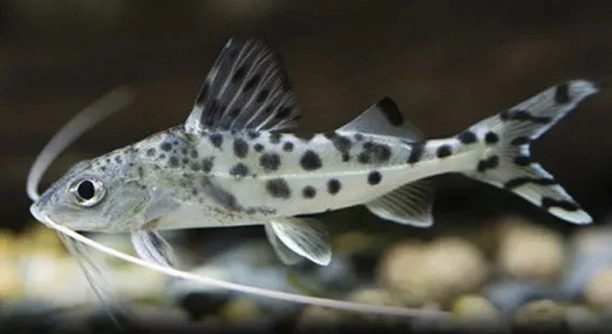
Have you ever found yourself wondering how often your pictus catfish needs to eat to stay healthy and active in your aquarium?
Pictus catfish should be fed once or twice daily, depending on their age and size. Younger fish often require two smaller meals, while adults typically do well with one moderate feeding per day.
Understanding the feeding needs of your pictus catfish can help prevent common issues like overfeeding, tank pollution, or malnutrition, all while keeping your fish happy and thriving.
How Much and What to Feed a Pictus Catfish
Pictus catfish are active bottom-dwellers that do well with a consistent feeding routine. A healthy feeding schedule includes one or two meals a day, depending on their size and age. Young fish grow fast and often need two light meals, while adults are fine with just one. The amount should be enough for them to finish in two to three minutes. Overfeeding can lead to cloudy water and waste buildup, which may stress the fish. They enjoy a mix of sinking pellets, frozen bloodworms, and brine shrimp. Variety keeps their diet balanced and helps maintain their energy. Feeding them at the same times each day helps them feel secure and develop a healthy rhythm. If they seem less active or ignore food, it could mean you need to adjust how much or how often you feed them. Proper feeding supports both their health and the tank’s cleanliness.
Feeding them too much or too little can create health issues or tank problems, so it’s important to find the right balance.
Sinking food is best for pictus catfish since they spend most of their time at the bottom of the tank. Floating food may never reach them. You can use a mix of sinking pellets and frozen foods like bloodworms or brine shrimp. Some also enjoy the occasional treat of live food, though it’s not necessary for everyday feeding. Try to rotate their diet to keep it varied and nutritious. If you feed dry pellets, choose those made for bottom-feeding fish. These often contain the protein they need and sink quickly. Frozen food can be offered in small amounts to avoid overfeeding. Always remove uneaten food after a few minutes to prevent it from spoiling in the water. Keeping a routine with a clean tank and good diet helps pictus catfish stay active and healthy for a long time.
When to Adjust the Feeding Routine
Changes in behavior, appetite, or tank conditions may signal the need to adjust how often you feed your pictus catfish.
If your pictus catfish seems more sluggish or leaves food behind, it could be a sign they’re getting too much. On the other hand, if they become overly active or start digging more than usual, they might not be eating enough. Changes in water quality, such as cloudiness or rising ammonia levels, may also indicate overfeeding. A good habit is to watch how quickly they finish their food. If leftovers remain after a few minutes, try offering smaller portions. You might also feed them once instead of twice a day if they’ve grown or their tank mates produce extra waste. During times of stress, like moving to a new tank, they may eat less, which is normal. Slowly resume their regular schedule once they adjust. Proper feeding helps prevent illness and keeps your tank stable.
Signs of Overfeeding or Underfeeding
If your pictus catfish is eating too much, you might notice leftover food, cloudy water, or a layer of waste on the tank floor. If they’re underfed, they may act restless or show signs of weight loss and reduced energy.
Overfeeding can quickly lead to poor water quality and stress for your pictus catfish. Uneaten food decays, raising ammonia levels and making the environment unhealthy. If you see your catfish ignoring food or the tank looking murky, cut back the portion size. Check their bellies—bloated fish may be getting too much, while sunken bellies could mean they’re not eating enough. These fish are naturally active, so a sudden drop in movement can also be a red flag. To avoid issues, feed them only what they can eat in a few minutes, and remove leftovers. A clean, stable tank supports their health more than extra food ever will.
Underfeeding can be just as harmful. Pictus catfish need consistent nutrients to stay active and maintain a strong immune system. If they don’t get enough food, they might show signs of stress, such as hiding more often or swimming frantically. Their color may also fade slightly. You might notice that they dig more or chase tank mates in search of food. It’s important to stay consistent with feeding times and portions. If you’re unsure, start small and monitor their behavior. As long as they finish their food quickly and stay active, they’re likely getting enough. Careful observation is the best way to avoid both extremes.
Feeding During Special Conditions
During changes like illness, breeding, or tank transitions, your pictus catfish may eat less or behave differently. Keep the water clean and reduce stress to help them return to their normal routine more smoothly.
If your pictus catfish gets sick, their appetite may drop. In this case, don’t force-feed. Instead, focus on keeping the tank water clean and at a stable temperature. Offer easily digestible foods like soaked pellets or soft frozen options in small amounts. For breeding, feed them slightly more, but only if the water conditions stay stable. Tank changes—like new plants, lighting, or moving fish—can also affect feeding behavior. Give them time to adjust. Stick to feeding at the usual times, and watch for signs of recovery or stress. If they refuse food for more than a few days, check water quality first, then consider changing the food type. Staying patient and calm helps your pictus catfish get through these shifts safely.
Feeding Pictus Catfish with Tank Mates
If your pictus catfish shares the tank with faster or more aggressive eaters, they may miss out on food. Use sinking pellets or feed at opposite ends of the tank to help them get their share.
Feeding after lights out can also help since pictus catfish are more active at night. This gives them a better chance to eat without competition.
How Age Affects Feeding Needs
Younger pictus catfish need more frequent feeding to support growth and energy. Two small meals a day usually work well for them. As they mature, their metabolism slows down, and one meal a day is often enough. Pay attention to their behavior and how much they eat each time. If they leave food behind, reduce the amount slightly. Older fish may not need as many calories but still benefit from a balanced, protein-rich diet. It’s okay to offer treats like bloodworms a couple of times a week, even as they age. Keep their diet varied, but consistent, and adjust based on their appetite.
Final Thoughts on Feeding Frequency
A regular feeding schedule, clean water, and observation will keep your pictus catfish healthy and active. Small, consistent changes often make the biggest difference.
FAQ
How often should I feed my pictus catfish?
Pictus catfish should be fed once or twice a day, depending on their age and size. Younger fish grow faster and need two smaller meals a day, while adults usually do well with one balanced feeding. Keep the amount small enough for them to finish in a couple of minutes. Feeding more often than needed can lead to waste buildup and poor water quality. If you’re unsure, start with once a day and observe their behavior to decide if a second feeding is necessary.
What type of food is best for pictus catfish?
Pictus catfish are bottom-dwellers and prefer food that sinks. Sinking pellets made for bottom feeders are a great base for their diet. You can also add frozen foods like bloodworms, brine shrimp, or daphnia. These provide extra protein and variety. Avoid only using flake food or floating pellets, as they may not reach the fish. A rotating mix helps keep their diet balanced and supports long-term health. Treats like live food can be offered occasionally but aren’t required for daily feeding.
How do I know if I’m feeding too much?
Signs of overfeeding include cloudy water, leftover food, and waste buildup on the tank floor. Your catfish may also appear bloated or less active. If they stop eating or ignore food during regular feeding times, try reducing the portion size. Watch how long it takes for them to finish the food. Anything left after two or three minutes should be removed. Overfeeding can lead to ammonia spikes, which harm both fish and water quality, so it’s important to stay consistent and avoid giving in to begging behavior.
Can pictus catfish eat vegetables?
Pictus catfish are mostly carnivorous and prefer protein-rich foods, but they can occasionally nibble on blanched vegetables like zucchini or spinach. These should be cut into small pieces and lightly boiled to soften. While veggies aren’t necessary for their daily diet, offering them once in a while won’t hurt. Always remove any uneaten pieces within a few hours to avoid water quality issues. If you notice they don’t show interest, it’s fine to skip the vegetables and focus on more suitable food options.
Should I feed my pictus catfish differently at night?
Since pictus catfish are more active during the evening and nighttime hours, feeding them after lights out can be helpful—especially if they share the tank with faster fish. Sinking pellets or frozen food offered in the dark give them a better chance to eat without competition. Make sure the food reaches the bottom where they naturally search. This routine often works well for shy or newly introduced catfish who may not compete well during the day. Just make sure to avoid overfeeding.
How can I tell if my pictus catfish is hungry?
Hungry pictus catfish may become more active, swim along the tank bottom searching, or dig through the substrate. Some may even follow your movement near the tank. If you notice them acting restless outside of usual feeding times, they might need a slight increase in food. However, it’s easy to mistake curiosity for hunger, so don’t feed more unless you’re sure they’re not getting enough. Stick to your routine and use their behavior and appearance as your guide. A healthy fish will be active, alert, and have a full belly without looking swollen.
Is it okay to skip a day of feeding?
Yes, it’s okay to skip a day once in a while, especially for adult pictus catfish. Their bodies can handle short breaks in feeding without any harm. Some aquarists even schedule a “fasting day” each week to prevent overfeeding and give the fish a break. If your fish is healthy and your tank is well-maintained, skipping a feeding now and then can be beneficial. Just make sure not to skip too often or when the fish is sick or under stress.
Do pictus catfish need different food as they grow?
Young pictus catfish need high-protein foods and more frequent feedings. As they grow, their metabolism slows, and one feeding per day with a varied, protein-rich diet is usually enough. You may also want to reduce soft or live foods over time to maintain tank cleanliness. Sticking to quality sinking pellets with occasional frozen treats is a good plan for adult fish. Adjusting their food gradually as they age helps them stay healthy without creating unnecessary waste in the tank.
What happens if my pictus catfish stops eating?
If your catfish suddenly stops eating, check the water quality first. Poor conditions are a common cause. Test for ammonia, nitrite, and pH levels. If the water is fine, look for other signs of stress like illness, injury, or recent tank changes. Sometimes, fish stop eating temporarily due to temperature drops or the presence of new tank mates. Give them a day or two, and try feeding something different like frozen food. If they still don’t eat after several days, you may need to consult a vet or fish specialist.
Final Thoughts
Feeding your pictus catfish does not have to be complicated. Once you understand how often they need to eat and what types of food they prefer, it becomes part of a simple routine. These fish are active and curious, so they benefit from regular meals that offer both nutrition and variety. Sticking to a schedule helps prevent overfeeding, which can lead to cloudy water and stress. At the same time, underfeeding can leave them hungry and restless. Finding the right balance takes a little observation, but once you get it right, it makes a big difference in their overall health and behavior.
It’s also important to remember that every fish is a little different. Some may eat more than others depending on their age, tank size, or tank mates. Younger pictus catfish often need to eat more often, while adults do well with just one feeding a day. If your fish lives with faster eaters, you may need to adjust how or when you feed them so they don’t miss out. Using sinking pellets and feeding in the evening are small changes that can help. Always watch how they act during feeding time and look for signs like leftover food or changes in movement. These clues tell you when to make small adjustments.
Keeping the tank clean and the water stable is just as important as feeding them the right amount. Uneaten food can break down and affect water quality, so remove any leftovers after a few minutes. Don’t be afraid to skip a day of feeding now and then, especially for adult fish. It helps reduce waste and keeps them from becoming overweight. Over time, you’ll get used to their behavior and know what works best. With a little consistency and attention, your pictus catfish can stay active, healthy, and a lively part of your aquarium. Feeding them properly supports not just their health, but also keeps your whole tank in better condition.

Hello,
If you enjoy the content that we create, please consider saying a "Thank You!" by leaving a tip.
Every little bit helps us continue crafting quality advice that supports the health, happiness, and well-being of pets around the world, for pets of all shapes, sizes, and species.
We really appreciate the kindness and support that you show us!