
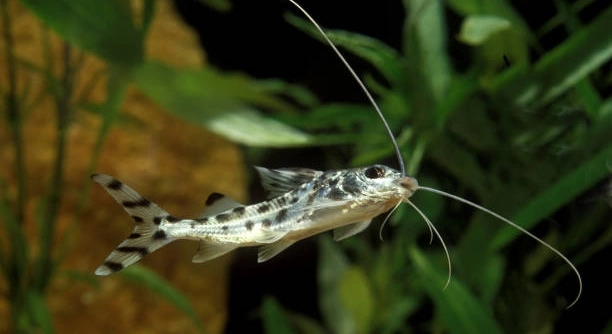
Have you ever noticed your pictus catfish acting differently and started wondering if it might be feeling stressed or unhappy?
Pictus catfish can exhibit signs of depression when kept in poor conditions, such as isolation, lack of stimulation, or inadequate tank environments. These factors affect their behavior, health, and overall activity levels, indicating emotional stress.
Understanding what causes behavioral changes in your catfish can help you create a better environment and support its long-term well-being.
Signs Your Pictus Catfish May Be Depressed
Pictus catfish are usually active swimmers that enjoy exploring their tank, especially in groups. When something is off, they may start hiding more often, stop eating, or become unusually still. A lack of interaction, poor appetite, or dull coloration are all signs something might be wrong. These changes may be easy to overlook at first, especially if you’re not used to observing your fish closely. But once you start noticing a pattern, it’s important to take action. Environmental stress is one of the leading reasons for these behaviors. Loud noises, sudden temperature shifts, or lack of hiding spots can affect their mental state. When a fish that usually darts around stays in one corner, it may not be feeling its best. Watching your pictus catfish daily helps you notice these shifts early. Subtle changes in behavior often say more than people expect, especially with sensitive species like this one.
Sometimes they become more aggressive or irritable, especially when kept alone.
Healthy pictus catfish are curious and quick. When this behavior disappears, it’s worth looking into the tank conditions. Depressed fish may hover in one place, avoid others, or lose interest in food. These are clear warning signs to address.
What Causes Stress and Unhappiness
Lack of stimulation or isolation can affect how your catfish behaves.
In their natural habitat, pictus catfish live in groups and navigate complex riverbeds. When kept alone in a bare tank, they don’t receive the interaction or enrichment they need. This often leads to signs of boredom or even stress. Tank size matters too. A small tank can feel confining and can prevent natural movement. Overcrowding, however, may cause constant competition for space, which creates tension. Light and temperature changes also play a role. Poor water conditions—like high ammonia levels or unstable pH—can physically stress your catfish, which may impact mood and health. Loud environments or tanks placed near high traffic areas can cause anxiety, as these fish are sensitive to vibrations and light changes. Lastly, not offering enough hiding spots or a variety of tank decorations limits how much they can explore. A plain environment with little cover makes them feel exposed. Creating a calm, structured space helps reduce anxiety and encourages active swimming and social interaction.
How to Improve Your Pictus Catfish’s Mood
Keeping your pictus catfish in a small group can help reduce stress and promote natural behavior. They are social fish, and being alone often makes them feel unsafe or anxious, especially in a quiet or empty tank.
Make sure the tank has enough space, ideally 55 gallons or more, and offer plenty of hiding spots using driftwood, plants, or caves. Dim lighting also helps create a calm setting. Stable water conditions are critical—test the water weekly to maintain the right pH and keep ammonia, nitrite, and nitrate levels in check. A varied diet with live or frozen food keeps them active and stimulated. Watch for any signs of bullying if housed with other fish. Pictus catfish prefer peaceful tank mates. Changing their routine, like rearranging the tank decorations now and then, can also give them a fresh sense of interest in their surroundings.
Adding flow to the tank using a powerhead mimics their natural river habitat. These fish enjoy swimming against current and staying active, which helps with their overall mental stimulation. Also, try to limit loud noises near the tank and avoid placing it in high-traffic areas. Calm surroundings paired with consistent care usually make a noticeable difference in behavior. You’ll likely see more movement and interaction once they’re more comfortable.
Things to Avoid When Caring for Them
Avoid keeping pictus catfish in tanks that are too small or lack cover. Cramped conditions can lead to constant stress, which affects their health and mood over time. They also dislike bright lights and noisy environments.
Adding aggressive tank mates or fish that nip fins can make your pictus catfish withdrawn or defensive. Also, feeding them only pellets or flakes every day can lead to boredom. These fish enjoy chasing their food, so offer live or frozen treats like bloodworms or brine shrimp a few times a week. Avoid sudden water changes or inconsistent maintenance routines. Changes in water chemistry can cause unnecessary stress. Skipping weekly water tests often leads to unnoticed ammonia or nitrite buildup, which harms both their physical and mental health. Avoid tanks with sharp decorations that could injure their whiskers. These sensitive barbels help them navigate, and damage to them can make your fish feel vulnerable. Keep things simple, consistent, and safe.
How Long It Takes to See Improvement
Once conditions are improved, behavior changes can start within a few days. You might notice more swimming, better appetite, or less hiding. Every fish is different, so some may take longer to respond depending on stress levels.
Consistency is important. If the tank stays clean, quiet, and well-decorated, your pictus catfish will slowly regain trust in its environment. Keep monitoring water quality and feeding habits closely to spot any further changes.
When to Consider Asking for Help
If your catfish continues to act withdrawn or stops eating despite good conditions, it may be time to seek advice from an aquatic veterinarian or a knowledgeable aquarium specialist. Some symptoms could be linked to illness rather than mood. It’s always better to catch problems early. A professional can help identify if there’s an underlying issue, such as parasites or an internal infection, that may not be visible right away. Sometimes behavioral changes and health problems go hand in hand. Even small signs like frayed fins, cloudy eyes, or labored breathing can mean something more serious.
How to Keep Progress Going
Stick to a regular cleaning schedule and make slow changes when adjusting the tank. Sudden shifts can undo the progress you’ve made and stress your fish again.
FAQ
Can pictus catfish really get depressed?
Yes, pictus catfish can show signs of depression or stress. When their environment is not suitable, they may stop eating, hide more, or become less active. These behaviors indicate discomfort or unhappiness caused by factors like isolation, poor water quality, or lack of stimulation.
How can I tell if my pictus catfish is depressed?
Look for changes in behavior such as reduced movement, staying in one corner, or hiding all the time. A loss of appetite or dull coloring can also be signs. Normally active and social, pictus catfish will seem withdrawn when stressed or unhappy.
What causes depression in pictus catfish?
Common causes include being kept alone, cramped tank space, poor water conditions, lack of hiding spots, and constant loud noise. Without proper care and environment, these fish can become stressed and show signs of depression.
Can changing the tank environment help?
Yes, improving tank conditions often helps. Adding more hiding places, maintaining clean water, providing good tank mates, and giving the fish space to swim can improve their mood. Pictus catfish enjoy moderate current and dim lighting, so replicating natural conditions is beneficial.
Is it okay to keep pictus catfish alone?
It’s not ideal. Pictus catfish are social and feel safer in groups of at least three or more. Alone, they may become anxious and withdrawn. Group living encourages natural behavior and reduces stress.
How important is water quality for pictus catfish’s mood?
Water quality is critical. Poor water can cause illness and stress, affecting behavior. Regular testing and maintenance to keep ammonia, nitrite, and nitrate levels low help keep your fish healthy and comfortable.
What should I feed my pictus catfish to keep it happy?
A varied diet with live or frozen foods like bloodworms, brine shrimp, and daphnia is best. These foods encourage natural hunting behavior. Occasional pellets or flakes can be included but should not be the only food.
How often should I clean the tank?
Weekly partial water changes of about 20-30% are recommended. Avoid full cleanings as they can disrupt beneficial bacteria. Keeping the tank clean reduces stress and helps maintain stable water parameters.
Can loud noises affect pictus catfish?
Yes, loud or sudden noises can cause stress. Pictus catfish are sensitive to vibrations and bright lights. Placing the tank in a quiet, low-traffic area helps create a calm environment.
What tank size is best for pictus catfish?
A minimum of 55 gallons is recommended, especially if keeping a group. Larger tanks provide space for swimming and hiding, which supports healthy behavior and reduces stress.
How long does it take for a depressed pictus catfish to recover?
Recovery times vary. Some fish may improve in a few days, while others take weeks to show signs of better behavior. Consistent care and a stable environment speed up recovery.
Can illness look like depression in pictus catfish?
Yes, illness often causes lethargy, loss of appetite, and hiding, similar to depression. Watching for physical signs like fin damage, swelling, or discoloration helps determine if the fish needs medical care.
Should I change tank decorations to help my catfish?
Occasional rearranging can add interest and stimulation, but changes should be gradual to avoid stress. Adding new hiding spots or plants can improve their environment and encourage exploration.
Are pictus catfish sensitive to light?
Yes, they prefer dim lighting, which mimics their natural habitat. Too bright or constant lighting can cause stress and make them hide more. Using floating plants or adjustable lights helps create a comfortable setting.
Can pictus catfish live with other species?
They can live peacefully with other non-aggressive fish. Avoid keeping them with fin-nippers or overly aggressive species, as this can cause stress and injury. Suitable tank mates encourage a calm and safe environment.
What should I do if my pictus catfish shows no improvement?
If no positive changes appear after adjusting the environment and diet, consider consulting an aquatic veterinarian. There could be hidden health issues needing professional diagnosis and treatment. Early action improves chances of recovery.
Is it normal for pictus catfish to hide a lot?
Some hiding is normal, especially during the day or after sudden changes. However, constant hiding may indicate stress or poor tank conditions. Providing adequate cover and a peaceful environment reduces excessive hiding behavior.
How does tank temperature affect pictus catfish mood?
Stable temperatures between 74°F and 79°F suit pictus catfish best. Sudden fluctuations cause stress and weaken the immune system. Using a reliable heater and thermometer helps maintain a comfortable range.
Can stress cause physical health problems in pictus catfish?
Yes, stress lowers immunity, making fish more vulnerable to infections and parasites. Poor conditions over time can lead to fin rot, fungal infections, or other illnesses that worsen their mood and behavior.
Is it okay to keep only one pictus catfish temporarily?
Short-term alone time is okay, but long-term isolation can cause stress and depression. If you must keep one temporarily, increase environmental enrichment and monitor behavior closely until it can join a group.
Pictus catfish are sensitive creatures that respond strongly to their environment. Their behavior reflects their comfort and well-being, so it is important to provide them with a suitable tank and good care. When these fish appear withdrawn, stop eating, or hide too much, it is often a sign that something in their surroundings is not right. Understanding their needs helps keep them healthy and active. This includes keeping them in groups, maintaining clean water, and providing plenty of places to hide and explore. Pictus catfish need more than just food and water—they require a well-balanced environment to thrive.
Proper tank size and water quality play a major role in their overall health and mood. A tank that is too small or overcrowded can cause stress, while poor water conditions can lead to illness and depression. Regular water testing and maintenance are essential to keep ammonia and nitrites low, which prevents harm to the fish. Stable temperature and lighting conditions also contribute to a calm and comfortable habitat. Pictus catfish naturally live in flowing water and prefer some current, so adding a powerhead or filter output can improve their environment. Small changes like rearranging decorations or adding new plants provide stimulation and encourage natural behavior, helping them stay curious and active.
Lastly, recognizing the signs of stress or depression early allows for quick action to improve the fish’s quality of life. If you notice your pictus catfish acting differently, it is important to review their environment and make adjustments as needed. Sometimes behavioral changes may be due to illness, so monitoring physical health and consulting a specialist when necessary is helpful. Keeping a consistent routine with feeding, cleaning, and care ensures a stable environment, which these fish rely on to feel safe. With proper attention and understanding, pictus catfish can live long, happy lives in your aquarium.

Hello,
If you enjoy the content that we create, please consider saying a "Thank You!" by leaving a tip.
Every little bit helps us continue crafting quality advice that supports the health, happiness, and well-being of pets around the world, for pets of all shapes, sizes, and species.
We really appreciate the kindness and support that you show us!