
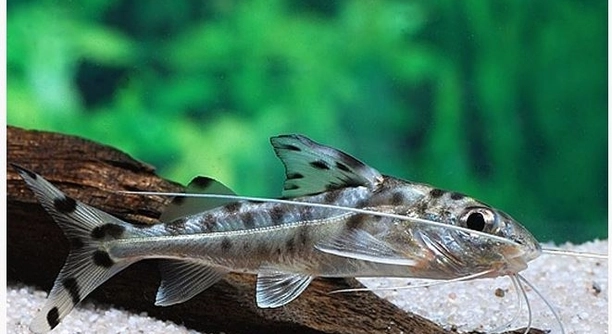
Are your Pictus catfish acting differently near the glass walls of your tank? Reflections can sometimes affect fish behavior, causing changes in how they swim and interact with their environment. This article explores how reflections impact these lively fish.
Pictus catfish can be affected by tank reflections, often mistaking their mirrored images for other fish. This can lead to stress or aggressive behavior as they react to perceived rivals, influencing their overall well-being and tank dynamics.
Understanding how reflections influence Pictus catfish can help you create a calmer and healthier environment for them to thrive. The following information offers useful insights for every fish enthusiast.
How Tank Reflections Occur
Reflections happen when light bounces off the glass surfaces of your aquarium. This creates mirror-like images inside the tank that fish can see. For Pictus catfish, which rely on their vision to navigate and recognize surroundings, these reflections can be confusing. They may think they are seeing other fish or competitors. Reflections are stronger in tanks with bright lighting or clean, clear glass. The angle of the light and the position of objects outside the tank also affect how reflections appear. Understanding how reflections form helps in managing their effects on fish behavior. Simple changes in lighting or tank setup can reduce the impact of these mirrored images and make the environment less stressful for your Pictus catfish.
Reflections are mostly an issue during certain times of the day when light hits the glass directly, increasing confusion for the fish.
Managing light sources and tank placement can minimize reflections and improve the comfort of your Pictus catfish.
Signs Your Pictus Catfish Is Affected by Reflections
When Pictus catfish react to reflections, their behavior often changes noticeably. You might see them repeatedly attacking the glass or chasing what appears to be other fish. They may also hide more often or seem stressed without an obvious cause. These fish prefer calm, secure environments, so frequent reflections can lead to increased anxiety. Over time, stress from reflections can affect their health and appetite. Monitoring these signs helps identify if reflections are impacting your fish. Adjusting tank conditions can reduce this stress and promote better well-being. Regular observation is key to noticing subtle behavioral shifts linked to reflections.
Controlling reflections creates a more peaceful tank environment and helps maintain your fish’s natural behavior.
Reducing reflections allows your Pictus catfish to focus on exploring and interacting within their tank without unnecessary stress. Proper lighting adjustments, adding background decorations, or using a tank cover can block or soften reflective surfaces. These steps encourage calmer behavior and reduce aggressive actions toward the glass. Additionally, providing hiding spots can distract fish from fixating on their reflections. A balanced environment where reflections are minimized supports healthier, happier Pictus catfish and improves your overall aquarium experience.
Preventing Reflection Stress in Your Tank
Reducing reflections can significantly lower stress levels for Pictus catfish. Simple adjustments in lighting and tank placement often make a big difference. Using a background or repositioning the tank away from direct sunlight helps minimize reflective surfaces.
Using dimmer or indirect lighting prevents strong reflections on the glass, making the environment less confusing. Adding plants or decorations near the glass breaks up reflections and distracts the fish from seeing their mirrored images. A solid or dark background behind the tank also reduces reflections by eliminating light bouncing off the back glass. These changes create a calmer space for your catfish, encouraging natural behaviors and reducing stress-related reactions.
Another helpful method is using a tank cover to block overhead light sources that cause glare. Proper tank maintenance, like keeping the glass clean but not overly shiny, can also help control reflections. Ensuring your Pictus catfish have hiding spots and enough room to swim freely further reduces their focus on reflections. Combining these strategies supports healthier fish and a more peaceful aquarium.
How Tank Setup Impacts Reflections
Tank size and shape influence how much reflection occurs. Larger tanks with more glass area tend to create more reflective surfaces. Narrow or tall tanks can also change the angles where reflections appear. Understanding your tank’s layout is important when addressing reflection issues.
A tank placed near windows or bright lights is more prone to reflections, especially during daylight hours. Positioning the aquarium away from direct light sources can reduce glare and mirror-like effects. Using diffused lighting inside the tank instead of harsh, bright bulbs also helps lessen reflections.
Tank decorations, such as plants, rocks, or backgrounds, play a key role in reducing reflections. These elements break up open glass areas and absorb light instead of reflecting it. Strategically placing these decorations can help mask reflective surfaces, creating a more comfortable environment for your Pictus catfish. Proper planning of tank layout minimizes stress caused by reflections and supports the well-being of your fish.
Lighting Choices and Their Effects
Choosing the right lighting can reduce reflections inside your tank. Soft, indirect lights create fewer mirror images compared to bright, direct lighting.
LED lights with adjustable brightness levels are ideal. They provide enough light for the tank while limiting glare and reflections on the glass.
Behavioral Changes Due to Reflections
Reflections can cause Pictus catfish to display repeated chasing or aggressive behavior. They might also hide more often, avoiding what they see as threats. These changes signal stress and discomfort caused by their mirrored images.
Using Backgrounds to Minimize Reflections
Applying a solid or dark background to the aquarium significantly reduces reflections. It blocks light from outside the tank and limits mirrored images, helping Pictus catfish feel more secure.
Providing Hiding Spots
Adding caves or plants gives your catfish safe places to retreat. These hiding spots lower stress and distract them from reflections, improving their overall comfort.
FAQ
Can reflections seriously harm Pictus catfish?
Reflections alone usually don’t cause physical harm, but they can lead to significant stress. When a Pictus catfish constantly sees its reflection, it may react aggressively or become anxious. Over time, this stress can weaken their immune system, making them more vulnerable to illness and reducing their overall quality of life.
How can I tell if my catfish is stressed from reflections?
Watch for behaviors like repeated attacks on the glass, frantic swimming, or hiding more than usual. These signs suggest the fish is confused or threatened by its own reflection. Loss of appetite and dull coloring may also indicate stress, so it’s important to observe your fish regularly for changes.
Does tank size affect the impact of reflections?
Yes, tank size can influence how reflections affect fish. Larger tanks with more glass area may create stronger or multiple reflections, which can confuse fish. Smaller tanks might reduce reflections but can increase other stressors. Proper lighting and background placement matter more than just size alone.
Will adding plants stop reflection problems?
Adding live or artificial plants helps break up reflective surfaces, reducing the chance your catfish will notice its reflection. Plants also provide hiding spots, which lower stress. However, plants alone may not completely eliminate reflections, so combining them with good lighting and backgrounds is best.
Is there a specific lighting type that reduces reflections best?
Indirect or diffused lighting is ideal for minimizing reflections. LED lights with adjustable brightness work well because you can control light intensity and direction. Avoid harsh or direct overhead lighting, which causes stronger reflections on the glass.
How often should I clean the tank glass to avoid reflection stress?
Regular cleaning is important, but overly polished glass can increase reflections. Clean your tank glass weekly to keep it clear without making it too shiny. Using a non-abrasive cloth helps prevent extra glare from scratches.
Can reflections affect other fish species in the same tank?
Yes, reflections can cause stress or aggressive behaviors in many fish species, not just Pictus catfish. Each species reacts differently, but reducing reflections is generally beneficial for a peaceful aquarium environment.
Are mirrors or reflective decorations bad for Pictus catfish?
Yes, reflective decorations or mirrors inside the tank can increase stress by creating multiple images. Avoid using shiny or reflective materials near the tank glass to help keep your fish calm.
What should I do if reflections are causing aggressive behavior?
Start by reducing light intensity and repositioning the tank away from direct sunlight. Adding backgrounds and plants can break up reflections. Providing hiding spots also helps your catfish feel safe and less likely to react aggressively.
Is covering part of the tank glass a good way to reduce reflections?
Covering the back or sides of the tank with a dark background or opaque material effectively reduces reflections. This limits the amount of light bouncing inside the tank, making your Pictus catfish less likely to see confusing mirrored images.
Can stress from reflections lead to health issues?
Yes, prolonged stress weakens the immune system and can make fish more prone to diseases like fin rot or fungal infections. Keeping reflections under control is important to maintain your catfish’s health.
How important is tank placement to prevent reflections?
Tank placement is crucial. Avoid placing your aquarium near windows or bright lamps that shine directly on the glass. Positioning the tank in a low-light area or using curtains and blinds to control outside light can minimize reflections.
Will dimming the tank lights during certain hours help?
Dimming lights during evening hours can reduce reflections and help your fish settle down. A consistent day-night cycle with gradual light changes supports healthier behavior and reduces stress caused by glare or mirror effects.
Can reflective surfaces outside the tank cause problems?
Yes, shiny furniture, mirrors, or screens near the aquarium can reflect light into the tank, creating confusing images for fish. Keeping the area around the tank free of reflective surfaces helps reduce these effects.
Are Pictus catfish more sensitive to reflections than other fish?
Pictus catfish are quite active and rely on sight, making them more likely to notice and react to reflections. However, many fish can be affected. Observing your specific fish’s behavior is the best way to determine how sensitive they are.
Is it necessary to consult a veterinarian if my fish is stressed by reflections?
If stress signs persist despite changes to lighting and tank setup, consulting a vet who specializes in fish can help. They can check for underlying health issues and recommend treatments to improve your catfish’s condition.
Reflections in a tank can impact Pictus catfish more than many people realize. These fish often respond to their mirrored images as if they are other fish, which can cause stress or aggressive behavior. Over time, this stress can affect their health and overall happiness. Taking steps to reduce reflections in the aquarium helps create a calmer environment that better supports the natural behavior of Pictus catfish. Simple adjustments, such as changing lighting or adding backgrounds, can make a noticeable difference in how your fish act and feel.
It is important to pay attention to your catfish’s behavior when considering reflections. Repeatedly attacking the glass, hiding more often, or appearing anxious are signs that reflections might be causing discomfort. The stress from constant reflection can weaken their immune system, making them more susceptible to illnesses. Addressing the issue early by managing reflections can prevent these problems and improve the well-being of your fish. Providing hiding spots, choosing proper lighting, and using tank backgrounds are practical ways to help your catfish feel secure.
Ultimately, creating a peaceful tank environment benefits not only the Pictus catfish but all the fish in your aquarium. Reflections are just one factor that can cause stress, but they are manageable with careful attention to tank setup and lighting. Understanding how reflections affect your fish helps you make better decisions for their care. With these considerations in place, your Pictus catfish can live a healthier, less stressful life in their aquatic home.

Hello,
If you enjoy the content that we create, please consider saying a "Thank You!" by leaving a tip.
Every little bit helps us continue crafting quality advice that supports the health, happiness, and well-being of pets around the world, for pets of all shapes, sizes, and species.
We really appreciate the kindness and support that you show us!