
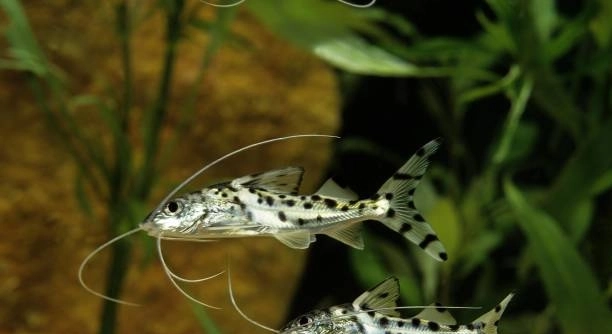
Many Pictus catfish owners notice their fish staying in one spot for long periods. This behavior can seem unusual or even worrying if you are not sure why it happens. Understanding their habits helps create a better environment for them.
Pictus catfish remain stationary due to factors such as water quality, stress, illness, lack of oxygen, unsuitable tank conditions, or natural resting behavior. Identifying the root cause is essential for ensuring their well-being and preventing health issues.
Exploring these reasons will help you support your catfish’s health and improve their tank experience in a simple and effective way.
Water Quality Issues
Poor water quality is one of the main reasons your Pictus catfish might stay in one spot. These fish are sensitive to changes in their environment, especially when ammonia, nitrite, or nitrate levels rise. If the water is not clean, it can cause stress or illness, making the catfish less active. Regular water tests and changes help keep the tank healthy. Keeping the water temperature stable and within the right range also plays a big role. If your tank water is cloudy or smells bad, it’s time for a cleaning. Proper filtration is important to remove waste and toxins. If you notice your catfish staying still near the surface or bottom, poor water quality might be affecting its behavior. Making sure the water is clear and balanced encourages your fish to swim and explore.
Clean water supports your catfish’s health and comfort, reducing the chance they stay inactive.
Maintaining good water quality means doing regular partial water changes—about 20 to 30 percent weekly. Test your water for harmful chemicals and adjust as needed. Avoid overfeeding, which leads to waste buildup. Using a reliable filter and aerator ensures fresh, oxygen-rich water. Sometimes, adding live plants can help absorb excess nutrients and improve overall conditions. By keeping the water clean and stable, your Pictus catfish will feel more at ease, active, and happy to swim around.
Stress and Tank Environment
Stress from the tank environment can make your Pictus catfish freeze in one place. Loud noises, sudden changes, or too much light can upset them. They prefer hiding spots like caves or plants to feel secure. If the tank is too small or overcrowded, they may feel trapped and stay still. Proper tank setup with enough space, hiding places, and calm surroundings helps reduce stress. Avoid tapping on the glass or sudden movements around the tank to keep them comfortable. The more peaceful their space, the more likely they are to swim freely and explore their home.
Illness or Injury
Illness or injury can cause your Pictus catfish to stay still for long periods. When sick, fish lose energy and prefer resting. Injury can make movement painful, so they avoid swimming much.
Symptoms like clamped fins, discoloration, or unusual spots may indicate illness. Infections, parasites, or fungal problems are common. Quarantine sick fish and consult a vet or fish expert for treatment options. Providing clean water and a stress-free environment supports recovery.
If your catfish has a wound, keep the tank clean to prevent infection. Observe closely for changes in behavior or appetite. Early treatment increases the chances of full recovery. Sometimes, minor injuries heal on their own if conditions are right. Proper nutrition and a calm tank also aid healing.
Low Oxygen Levels
Low oxygen in the tank makes Pictus catfish sluggish and less likely to swim. These fish need well-oxygenated water to stay active and healthy. Poor oxygen can happen if the tank is overcrowded or poorly filtered.
Increase aeration by adding an air stone or improving water circulation. Avoid overcrowding by keeping the fish population balanced. Plants help but can also use oxygen at night, so monitor levels carefully. Watch for gasping at the surface or slow movements as signs of low oxygen.
Proper maintenance and ensuring enough space prevent oxygen depletion. Clean filters and regular water changes improve oxygen levels. Creating a comfortable environment lets your catfish swim and behave normally without gasping or staying still.
Natural Resting Behavior
Pictus catfish naturally rest during the day, often staying still in one spot. They are more active at night, so some stillness is normal.
Providing hiding places helps them feel safe while resting. Don’t worry if your catfish is still during daylight hours.
Improper Tank Setup
A tank without enough space or hiding spots can make your Pictus catfish stay put. They need room to swim and places to hide to feel secure. Without these, they may freeze or hide all day, limiting their activity and natural behavior.
Lack of Stimulation
Fish need a stimulating environment to stay active. Boring tanks with no plants, decorations, or companions can make your catfish less interested in swimming around. Adding variety helps keep them engaged and healthy.
FAQ
Why does my Pictus catfish stay in one spot for hours?
Your Pictus catfish may be resting naturally, stressed, or feeling unwell. It’s normal for them to rest during the day since they are nocturnal. However, if they stay still for very long and avoid moving even at night, water quality, oxygen levels, or illness might be factors. Check the tank conditions and observe for signs of health problems.
Is it normal for Pictus catfish to stay still during the day?
Yes, Pictus catfish are more active at night and tend to rest during the day. This behavior is natural and not usually a cause for concern. Providing hiding places lets them feel safe while resting.
Could poor water quality make my catfish inactive?
Absolutely. High ammonia, nitrites, or nitrates can stress your fish and reduce activity. Regular water testing and maintenance are key to keeping your catfish healthy and active.
How can I improve oxygen levels in my aquarium?
Adding an air stone, increasing water circulation with a filter, and avoiding overcrowding are effective ways to boost oxygen. Regular water changes and live plants can also help but monitor plants at night since they consume oxygen in the dark.
What signs show my catfish might be sick or injured?
Look for clamped fins, spots or discoloration, lack of appetite, or unusual swimming. If you see these signs along with inactivity, consider isolating the fish and seeking advice from a specialist.
Can stress cause my Pictus catfish to stay still?
Yes, stress from loud noises, bright lights, or sudden changes in the tank can make your catfish freeze. Reducing disturbances and providing hiding spots helps them feel secure and more active.
Is my tank setup affecting my catfish’s behavior?
If the tank is too small, overcrowded, or lacks hiding places, your catfish may stay still because it feels unsafe. Ensure the tank size fits the fish’s needs and add plants or decorations to create shelter.
How often should I clean my tank to keep my catfish healthy?
Perform partial water changes of 20-30% weekly to maintain water quality. Clean filters regularly and remove leftover food to prevent waste buildup that harms your fish.
What is the best temperature for Pictus catfish?
They prefer temperatures between 72°F and 78°F (22°C to 26°C). Temperatures outside this range can stress them and reduce activity.
Do Pictus catfish need tank mates to stay active?
They can live alone but often feel more comfortable and active with other peaceful fish. Avoid aggressive species that could stress them.
Can diet affect my catfish’s activity level?
Yes, poor nutrition can cause lethargy. Feed a balanced diet of sinking pellets, frozen or live foods, and occasional treats to keep them healthy and energetic.
How long do Pictus catfish usually stay still when resting?
Rest periods vary but generally last several hours during daylight. They should be more active during dawn, dusk, and night.
What should I do if my catfish stays still even at night?
Check water quality and oxygen levels immediately. Observe for signs of illness and reduce stressors in the tank. If the problem continues, consider consulting a vet or fish expert.
Can lighting affect my Pictus catfish’s behavior?
Bright lighting can stress them, causing inactivity. Use dim or natural lighting and provide shaded areas to help them feel safe.
Are live plants helpful for my Pictus catfish?
Yes, live plants provide hiding spots, improve water quality, and help oxygenate the tank. However, monitor oxygen at night since plants consume it in the dark.
How do I know if my Pictus catfish is comfortable in its tank?
Signs of comfort include regular swimming, exploring, feeding well, and resting in secure spots. Sudden stillness or hiding may signal a problem.
Final Thoughts
Understanding why your Pictus catfish stays in one spot helps you take better care of it. These fish often rest during the day, which is normal behavior for nocturnal animals. However, if your catfish stays still for long periods, especially at night, it might be signaling something else. Checking the water quality, oxygen levels, and tank setup are important first steps. A clean and well-maintained tank supports your catfish’s health and activity.
Stress and illness are common reasons for inactivity. Loud noises, bright lights, or overcrowded tanks can make your catfish feel unsafe, causing it to freeze in one place. Providing hiding spots and reducing sudden movements around the tank helps lower stress. Illness or injury can also make your fish less active. Watch for changes in appearance, like spots or clamped fins, and act quickly by isolating the fish and improving its environment. Timely care increases the chances of recovery.
Creating a good home for your Pictus catfish means offering space, clean water, and proper nutrition. Regular water changes and good filtration keep the environment stable and comfortable. Adding plants or decorations provides hiding spots and stimulation. Remember that each fish has its own personality, and some may be naturally less active. Observing your catfish closely helps you notice any changes early and keep it healthy. With the right care, your Pictus catfish will be happier and more lively in its tank.

Hello,
If you enjoy the content that we create, please consider saying a "Thank You!" by leaving a tip.
Every little bit helps us continue crafting quality advice that supports the health, happiness, and well-being of pets around the world, for pets of all shapes, sizes, and species.
We really appreciate the kindness and support that you show us!