
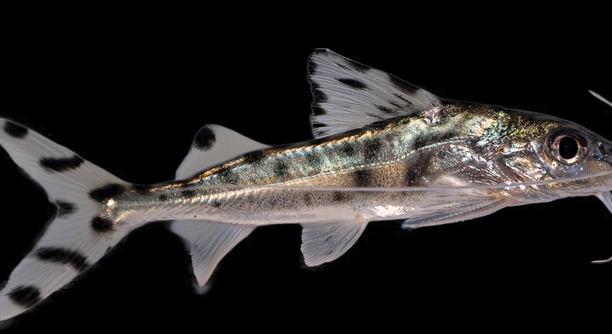
Feeding pictus catfish is a common part of keeping these lively fish healthy and happy. Many fish owners enjoy watching their pictus thrive and grow with the right diet. However, knowing how much to feed them is important for their well-being.
Feeding pictus catfish too much can lead to health problems like obesity, poor water quality, and digestive issues. Overfeeding often results in leftover food that decomposes, causing harmful ammonia levels in the tank and stressing the fish.
Understanding the risks of overfeeding will help maintain a cleaner tank and a healthier fish. This article explains the effects of too much food and how to avoid common problems.
Signs of Overfeeding Your Pictus Catfish
Overfeeding pictus catfish can cause noticeable changes in their behavior and appearance. You might see your fish becoming less active or showing signs of bloating. Uneaten food that settles at the bottom can also make the tank dirty quickly. This can cause cloudy water and an unpleasant smell. Watching how your fish respond after feeding is a good way to catch problems early. If you notice leftover food or your fish seem sluggish, it’s a sign to adjust the amount of food. Feeding small amounts and observing the fish for a few minutes after feeding can help prevent overfeeding. Keeping the tank clean and monitoring water quality regularly are important steps too. These simple habits will help your pictus catfish stay healthy and active.
Regularly checking your fish and tank will keep overfeeding problems under control.
Keeping your pictus catfish healthy means balancing their food intake with proper tank care. Uneaten food breaks down and releases harmful substances that affect water quality. This can stress your fish and make them more vulnerable to disease. Overfeeding also causes fat buildup inside the fish, which can shorten their lifespan. To avoid these issues, feed small portions and remove any leftover food quickly. Monitoring your fish’s behavior and body condition will help you find the right feeding routine. A clean tank supports good fish health by reducing toxins and providing fresh oxygen. Regular water changes and proper filtration work together to maintain a safe environment. Understanding these factors will allow you to enjoy your pictus catfish for years without common feeding problems.
How to Feed Pictus Catfish Properly
Feeding pictus catfish the right amount ensures they get the nutrients they need without harming their tank environment.
Start by offering small portions once or twice a day. Feed only what they can eat in about two minutes. This helps prevent leftover food from polluting the tank. Use sinking pellets or wafers designed for bottom feeders to match their natural eating habits. Occasionally supplement their diet with live or frozen foods like bloodworms or brine shrimp for variety. Observing your fish after feeding will tell you if they are satisfied or still hungry. Adjust the amount as needed to avoid waste. Consistent feeding times also help maintain a routine, reducing stress for your fish. Taking these simple steps supports your pictus catfish’s health and keeps the tank environment stable.
Common Health Issues from Overfeeding
Overfeeding pictus catfish often causes digestive problems and obesity. These health issues weaken their immune systems and make them prone to infections.
When pictus catfish consume too much food, they may develop constipation or swim bladder disorders, which affect their ability to swim properly. Excess fat can accumulate, leading to obesity, which puts stress on their organs. These conditions reduce their overall lifespan and make them less active. It’s important to feed only the necessary amount to avoid these problems. Regularly checking your fish’s physical condition will help catch health issues early and keep them thriving.
Maintaining a balanced feeding schedule prevents health problems and supports your fish’s long-term well-being. Avoiding overfeeding protects their digestive system and helps maintain normal behavior.
Impact on Aquarium Water Quality
Uneaten food decomposes quickly, causing water pollution that harms fish health. Ammonia and nitrate levels rise, stressing your pictus catfish.
Poor water quality from overfeeding creates an unhealthy environment. Waste buildup leads to cloudy water and increases harmful toxins like ammonia, which damage fish gills and reduce oxygen levels. This stress can trigger diseases and shorten your fish’s life. Frequent water changes and proper filtration help control these effects. Preventing leftover food by feeding less reduces pollution at its source. Keeping the tank clean supports the natural balance needed for your fish to stay healthy and active. Good water conditions also encourage beneficial bacteria that break down waste effectively, maintaining a stable tank ecosystem.
How Overfeeding Affects Behavior
Overfed pictus catfish often become less active and may hide more than usual. They lose their natural curiosity and energy.
These behavioral changes signal stress or discomfort caused by poor health or water quality. When fish feel unwell, they avoid swimming and exploring. Feeding the right amount helps keep them lively and engaged.
Preventing Overfeeding Mistakes
Measure food portions carefully before feeding. Use a small container or feeding ring to control the amount given. Feeding only what fish consume within minutes helps avoid waste.
Adjusting Feeding Amounts Over Time
As pictus catfish grow, their food needs change. Watch their size and activity to adapt feeding amounts. Younger fish need smaller, more frequent feedings, while adults eat more but less often.
Tools to Help Monitor Feeding
Using timers or automatic feeders can keep feeding on schedule. These tools prevent accidental overfeeding, especially when busy or away. Consistent feeding supports fish health and tank stability.
FAQ
How often should I feed my pictus catfish?
Feeding pictus catfish once or twice a day is usually enough. They do best with small portions that they can eat within two to three minutes. Overfeeding can cause health and water problems, so sticking to a consistent schedule helps keep them healthy.
What happens if I accidentally overfeed once?
A single incident of overfeeding is unlikely to cause serious harm if it doesn’t happen often. However, leftover food should be removed quickly to prevent water pollution. Monitor your fish for any changes in behavior or health, and adjust feeding amounts if needed.
Can pictus catfish eat frozen or live foods?
Yes, pictus catfish enjoy frozen or live foods like bloodworms, brine shrimp, or daphnia. These foods add variety and extra nutrition but should be offered in moderation. Balanced feeding with pellets or wafers designed for bottom feeders is still important.
How can I tell if my pictus catfish is overweight?
An overweight pictus catfish may appear swollen or have a rounded belly. They might also swim slower and be less active. If you notice these signs, reduce the food amount and check water quality to improve their health.
Is it okay to feed my pictus catfish flakes?
Flakes are not ideal for pictus catfish because they usually float and can pollute the water if not eaten quickly. Sinking pellets or wafers designed for bottom feeders work better and match their natural feeding habits.
What should I do if my tank water becomes cloudy after feeding?
Cloudy water often results from uneaten food decomposing. Remove leftover food, perform partial water changes, and clean the filter if needed. Adjust your feeding routine to give smaller portions that fish can eat completely.
Can overfeeding cause diseases in pictus catfish?
Yes, overfeeding increases the risk of diseases by stressing the fish and degrading water quality. Poor water conditions encourage harmful bacteria and parasites. Feeding the right amount and maintaining a clean tank reduce these risks.
How much food is too much for pictus catfish?
Too much food means anything your fish cannot eat within about two minutes. Excess food sinks and decays, which harms water quality. Start with small amounts and increase slowly if your fish finish all the food quickly.
Do pictus catfish store fat like mammals do?
Pictus catfish do store fat, mainly inside their bodies, which can lead to obesity if overfed. Excess fat affects their swimming and organ function. Feeding a balanced diet in proper amounts helps avoid fat buildup.
Can I feed my pictus catfish vegetables?
Pictus catfish mainly eat protein-based foods but can nibble on soft vegetables occasionally. Blanched peas or zucchini are good options in small amounts. Vegetables should not replace their main diet but can add variety.
How do I clean up leftover food in the tank?
Use a small siphon or turkey baster to remove uneaten food from the substrate. Regular cleaning during water changes prevents waste buildup. Avoid overfeeding to reduce the need for frequent cleanup.
Will feeding less make my pictus catfish lose weight?
If they are overweight, feeding less will help them return to a healthy size. Gradual reduction in food, along with good tank maintenance, supports weight loss without stressing the fish.
Are there signs of stress caused by overfeeding?
Signs include sluggish swimming, hiding more, loss of appetite, and gasping at the water surface. Overfeeding leads to poor water conditions and digestive problems, which cause stress. Addressing feeding habits and water quality usually improves these signs.
Is it better to feed smaller amounts more often?
Yes, feeding small amounts once or twice a day is better than large meals. Smaller portions reduce leftover food and support better digestion. Observing how much your fish eat helps adjust feeding frequency.
Feeding pictus catfish the right amount is important for their health and the tank’s condition. Overfeeding can cause many problems like poor water quality, health issues, and changes in fish behavior. It is easy to think that feeding more will make your fish grow faster or be happier, but too much food can actually harm them. Paying attention to how much food your pictus catfish eat and how they act afterward helps prevent overfeeding. Feeding small portions and removing any uneaten food keeps the tank clean and the fish healthy.
Maintaining good water quality is just as important as feeding the right amount. Leftover food breaks down and creates harmful chemicals like ammonia and nitrites in the water. These chemicals make the tank environment stressful and dangerous for your fish. Regular water changes, cleaning the tank, and using a good filter all work together to keep the water safe. When you combine proper feeding habits with good tank care, your pictus catfish will live longer and be more active. Watching your fish closely can help you catch problems early before they get serious.
Finding the right feeding routine might take some time and attention. Fish needs can change as they grow or with different tank conditions. Adjusting the amount of food and feeding frequency helps meet those needs without causing harm. Using sinking pellets or wafers designed for bottom feeders matches their natural eating style and reduces waste. Adding some variety with frozen or live foods also benefits their health. Overall, feeding pictus catfish carefully and keeping their environment clean creates a better life for them and a more enjoyable experience for you. Taking these simple steps shows care and helps your fish thrive.

Hello,
If you enjoy the content that we create, please consider saying a "Thank You!" by leaving a tip.
Every little bit helps us continue crafting quality advice that supports the health, happiness, and well-being of pets around the world, for pets of all shapes, sizes, and species.
We really appreciate the kindness and support that you show us!