How to Spot Early Signs of Arowana Distress
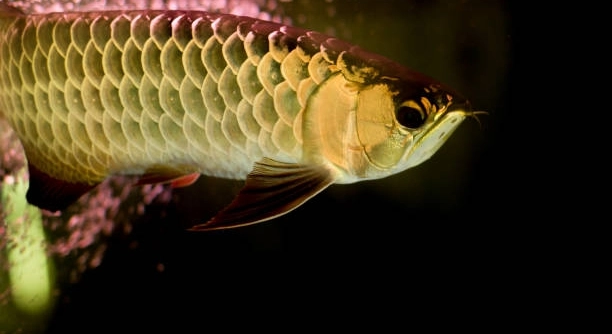
Have you ever noticed your Arowana swimming differently and wondered if something might be wrong? Observing their behavior closely can help you identify early warning signs before serious problems develop in your tank environment. Early signs of Arowana distress include changes in appetite, unusual swimming patterns, color fading, and frequent surface gasping. Monitoring these indicators … Read more
What Do Arowana Eat in the Wild vs Captivity?

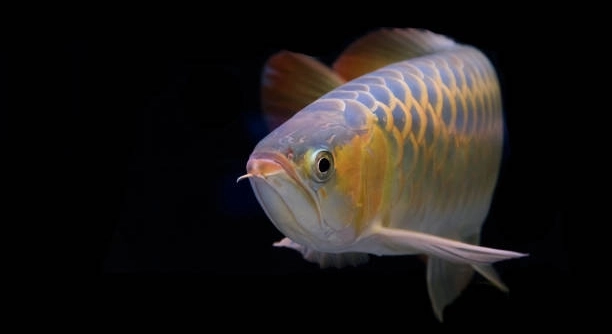
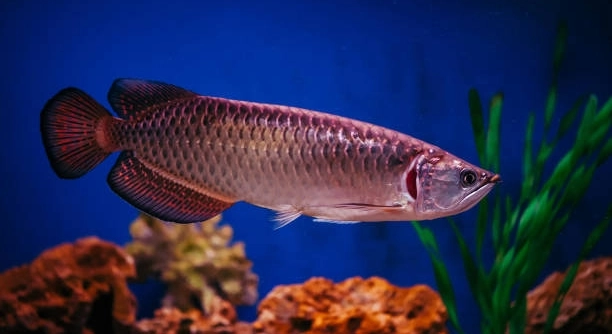
Have you ever noticed the striking beauty of arowanas gliding through rivers and streams, their scales shimmering in sunlight? These majestic fish capture attention not only for their appearance but also for their unique feeding habits. In the wild, arowanas primarily consume insects, smaller fish, and crustaceans, adapting their diet to seasonal availability and water … Read more

Is It Okay to Tap the Glass Near Arowana?

Do you ever find yourself standing in front of your arowana tank, tempted to tap the glass lightly as you admire its elegant movements? Many aquarium enthusiasts experience a mix of fascination and caution when observing these majestic fish. Tapping the glass near an arowana is generally discouraged as it can induce stress and alter … Read more

7 Tricks to Encourage Arowana Exploration

Arowanas are elegant fish that naturally enjoy exploring their surroundings. Observing them swim gracefully can be rewarding, yet they sometimes remain in one corner, ignoring decorations or open spaces in the tank. Encouraging Arowana exploration involves providing varied tank layouts, stimulating environments, and gentle interaction. Introducing floating objects, rearranging ornaments, and ensuring proper water conditions … Read more

7 Easy Enrichment Items for Arowana Tanks

Arowanas are beautiful, large fish that require more than just clean water to stay happy. Many owners find themselves looking for ways to make their tanks more stimulating and enjoyable for their fish. Adding simple enrichment items to an arowana tank can significantly improve the fish’s mental and physical well-being. Items such as floating logs, … Read more

Why Does My Arowana Follow Me Around the Room?

Do you ever notice your arowana gliding gracefully across the tank, following you wherever you move? Many fish owners find themselves amazed by this behavior, wondering why such a large and elegant creature seems so attentive to them. Arowanas often follow their owners due to recognition and curiosity. They can learn to associate human presence … Read more

7 Signs of a Comfortable Arowana Tank Setup

Do you ever find yourself adjusting your aquarium, hoping your arowana feels at home? Setting up a tank for this majestic fish requires more than decoration. Comfort, water quality, and space are key factors for a happy arowana. A comfortable arowana tank setup is characterized by stable water parameters, adequate swimming space, proper filtration, balanced … Read more

What Happens If You Overfeed Your Arowana?

Do you enjoy watching your arowana swim gracefully in its tank but notice it seems eager for more food than usual? Overfeeding can feel harmless at first, yet it can quickly affect your fish’s health and tank environment. Overfeeding an arowana can lead to obesity, digestive issues, poor water quality, and increased susceptibility to diseases. … Read more

7 Feeding Habits That Change as Arowana Age

Do you ever notice how your arowana seems to eat differently as it grows? Feeding habits evolve over time, influenced by age, size, and natural instincts. Observing these changes helps maintain their health and ensures proper nutrition throughout life. Arowana feeding habits shift significantly as they age. Juveniles require frequent, smaller meals with protein-rich foods, … Read more

What If Your Arowana Stops Moving After a Meal?

Do you ever notice your arowana lying still after finishing its meal, almost as if it has lost energy? Many owners find this behavior concerning, especially when their fish usually swims actively throughout the tank. Arowanas often stop moving after eating due to a combination of digestion and temporary lethargy. This is a normal physiological … Read more