
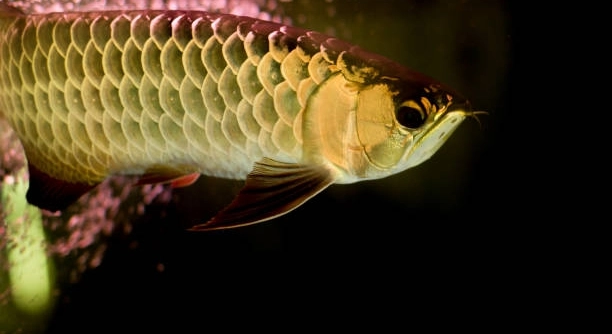
Arowanas are elegant fish that naturally enjoy exploring their surroundings. Observing them swim gracefully can be rewarding, yet they sometimes remain in one corner, ignoring decorations or open spaces in the tank.
Encouraging Arowana exploration involves providing varied tank layouts, stimulating environments, and gentle interaction. Introducing floating objects, rearranging ornaments, and ensuring proper water conditions can promote curiosity, activity, and mental engagement, ultimately supporting the fish’s overall well-being and natural behavior patterns.
Learning how to create an engaging habitat will make your Arowana more active and responsive. Small adjustments can lead to noticeable improvements in their daily behavior.
Rearrange Tank Decorations
Changing the layout of your Arowana’s tank can spark curiosity and encourage movement. Rocks, driftwood, and plants create hiding spots and resting areas, giving the fish a sense of security while promoting exploration. Rotating or repositioning decorations every few weeks keeps the environment fresh, preventing boredom. Floating ornaments, like gentle plants or light objects, can create new pathways for swimming. Even minor changes, such as tilting driftwood or shifting a plant cluster, can catch your fish’s attention. Observe how your Arowana reacts and adapt placements based on its behavior. Using a mix of heights and open spaces allows natural swimming patterns to emerge, encouraging vertical and horizontal movement. A tank with varied textures and levels provides both exercise and mental stimulation, which is essential for maintaining a healthy, active fish. Avoid overcrowding the tank, as too many items may restrict swimming and reduce exploration.
Repositioning tank decorations regularly can refresh the environment and boost your Arowana’s activity levels. Small changes make a big difference.
Consistently offering new shapes, textures, and open spaces encourages the fish to investigate corners it previously ignored. This not only promotes mental engagement but also supports physical health, keeping the Arowana active and less stressed.
Introduce Floating Objects
Adding floating objects like plants or lightweight ornaments can draw your Arowana’s attention. These objects create interest at different water levels and provide gentle obstacles, encouraging natural exploration and interaction.
Floating items stimulate movement and curiosity while allowing the fish to navigate above and around objects safely. Introducing new floating items occasionally keeps the environment engaging.
Floating objects are excellent tools to break monotony in the tank. Arowanas naturally explore their surroundings, and having elements that shift slightly with water currents mimics their natural environment. Lightweight leaves, small floating logs, or plastic plants placed carefully allow the fish to swim around and beneath them, creating a playful, interactive space. Over time, the fish may investigate more actively, testing boundaries and pathways. Observe their reactions and remove any items that obstruct swimming or cause stress. Rotating floating objects and combining them with stationary decorations enhances tank complexity, offering both challenge and security. This combination promotes exercise, improves alertness, and encourages natural behaviors, contributing to a healthier, more confident Arowana.
Use Varied Lighting
Changing the lighting in your tank can encourage Arowanas to explore different areas. Dimmer sections or gentle shifts in brightness create contrast, making the environment more interesting and stimulating natural instincts.
Different lighting levels simulate day and night cycles, which influence activity patterns. Placing brighter lights over open swimming areas and softer lights near plants or decorations can guide your Arowana to explore corners it might normally avoid. Subtle changes, such as using floating plants to diffuse light, add shadows that pique curiosity. Avoid sudden, intense flashes, as Arowanas are sensitive to harsh light, which can stress them. Gradual adjustments in light intensity encourage the fish to investigate without feeling threatened. Using timers ensures consistent cycles, helping your fish establish routines while remaining active. Overall, controlled lighting variations enhance visual appeal and promote a more dynamic, engaging environment that supports exploration and natural movement.
Consistent lighting changes provide both stimulation and structure, keeping your Arowana active while maintaining a comfortable, stress-free environment.
Offer Hiding Spots
Providing hiding spots helps Arowanas feel secure while exploring. Caves, dense plant clusters, or hollow decorations encourage movement toward different areas of the tank.
Hiding places are crucial for reducing stress and promoting natural behaviors. When Arowanas feel safe, they are more likely to swim actively and investigate surroundings. Different textures and shapes of hiding spots create variety, ensuring the fish remains engaged. Placement matters—avoid blocking main swimming paths and leave open areas nearby. Overlapping hiding spots can create layers, motivating vertical and horizontal exploration while offering retreat areas. Rotate or slightly reposition these spots periodically to prevent monotony and maintain interest. Combining natural and artificial items ensures diversity, providing both comfort and challenge. This balance encourages confidence, supports mental stimulation, and improves overall activity. By offering secure areas, you create an environment that promotes curiosity and consistent movement, leading to healthier and more interactive behavior.
Rotate Toys and Ornaments
Rotating toys and ornaments keeps the tank environment fresh. New positions and shapes spark curiosity, motivating your Arowana to explore areas it normally ignores.
Even minor changes, like shifting a floating plant or tilting a rock, can make familiar spaces feel new. This encourages movement and prevents boredom.
Feed in Different Locations
Feeding your Arowana in varied spots promotes exploration and natural foraging behavior. Placing food in different corners or near decorations encourages the fish to swim actively across the tank.
By spreading feeding areas, the fish learns to navigate its space confidently. This also prevents over-concentration in one area, balancing activity and reducing stress. Regularly changing feeding locations provides mental stimulation while encouraging consistent movement. Over time, the Arowana becomes more alert and engaged, swimming through different zones rather than remaining stationary. This practice strengthens natural instincts and enhances overall well-being, making the tank a more dynamic environment that supports both physical and mental health.
Maintain Proper Water Conditions
Stable temperature, pH, and cleanliness ensure the Arowana feels safe enough to explore. Fluctuations can make the fish retreat and stay inactive.
FAQ
How often should I rearrange my Arowana’s tank decorations?
It is helpful to rearrange decorations every few weeks. Minor adjustments, such as moving rocks or driftwood slightly, are enough to stimulate curiosity without causing stress. Frequent drastic changes can make the fish anxious, so gradual rotations work best.
Can I use artificial plants, or should I stick to real ones?
Both options are suitable. Artificial plants are easier to maintain and can be arranged without affecting water quality. Real plants provide a natural feel and some water benefits, but they may require more care to ensure they stay healthy. Mixing both can create variety and encourage exploration.
What type of lighting is best for encouraging movement?
A combination of moderate bright areas and softer, shaded zones works well. Brighter spots encourage swimming and visibility, while dimmer areas near plants or decorations allow the fish to feel secure. Using timers ensures a stable day-night cycle, which promotes regular activity.
How can I tell if my Arowana is stressed by changes in the tank?
Signs of stress include hiding excessively, refusing food, erratic swimming, or rubbing against surfaces. If these behaviors appear after rearranging or adding new items, slow down changes and remove anything that seems overwhelming. Providing consistent water conditions also reduces stress.
Are floating objects safe for Arowanas?
Yes, as long as they are lightweight, non-toxic, and do not obstruct swimming. Floating plants, small logs, or gentle ornaments create stimulation without posing harm. Regularly check them to ensure they remain secure and don’t block filter flow.
How can feeding in different areas help with exploration?
Placing food in varied corners encourages the fish to swim across the tank instead of staying in one spot. This promotes natural foraging behaviors and physical activity, while also preventing boredom and over-concentration in certain areas.
Do hiding spots really make a difference in activity levels?
Absolutely. When Arowanas feel safe, they are more willing to explore. Caves, dense plant clusters, and hollow decorations give a sense of security, allowing the fish to move confidently through the tank. Regularly rotating hiding spots maintains interest.
Is water quality important for exploration?
Yes. Stable temperature, pH, and cleanliness directly impact how active your Arowana will be. Poor water conditions make the fish retreat and reduce curiosity. Regular water changes and monitoring keep the fish comfortable and more willing to explore its surroundings.
How long does it take to see changes in behavior after implementing these tricks?
Changes can appear within days or weeks, depending on the fish’s personality and comfort level. Consistency is key, so maintaining a stimulating environment and routine will gradually encourage more active and curious behavior.
Can I combine all these methods at once?
Yes, but introduce them gradually. Sudden, simultaneous changes may overwhelm the fish. Start with one or two strategies, observe the response, and then add more. Over time, combining decoration rotation, floating objects, varied lighting, and feeding in different areas creates a fully engaging environment.
How do I balance stimulation with safety?
Ensure all decorations are secure, non-toxic, and do not obstruct swimming. Keep open areas for free movement while providing hiding spots and vertical zones. Controlled lighting and consistent water quality also maintain a safe, stress-free environment that encourages natural exploration.
Will these methods work for all Arowanas?
Most Arowanas respond positively, but individual personality matters. Some fish are naturally more curious, while others are cautious. Patience and observation allow you to adjust strategies according to your fish’s behavior, ensuring effective stimulation without causing stress.
How often should I change floating objects or feeding locations?
Every couple of weeks is sufficient. The goal is to maintain novelty without overwhelming the fish. Small rotations or occasional new items keep the environment engaging while encouraging movement and exploration consistently.
Can these methods improve overall health?
Yes. Active exploration supports both mental and physical well-being. Encouraging swimming, foraging, and curiosity helps prevent lethargy, reduces stress, and strengthens natural instincts, contributing to a healthier, more confident Arowana.
Are there any signs that my Arowana enjoys these changes?
Positive signs include swimming actively, exploring new areas, interacting with floating objects, and consistently investigating hiding spots. A calm, alert demeanor combined with regular feeding and movement indicates the fish is comfortable and engaged in its environment.
Final Thoughts
Creating an environment that encourages Arowana exploration is not complicated, but it requires attention and consistency. Small changes in the tank, such as rearranging decorations, introducing floating objects, or providing varied lighting, can make a noticeable difference in how active and curious your fish becomes. Arowanas are naturally inquisitive, but without proper stimulation, they may remain stationary or ignore parts of their tank. By offering a mixture of open spaces, secure hiding spots, and interactive elements, you give your fish opportunities to move around, investigate, and express natural behaviors. Consistent observation is key. Watching how your Arowana responds to changes helps you understand what works and what may cause stress. Some fish may take longer to adapt, while others respond quickly. Patience and small adjustments ensure that the environment remains engaging without overwhelming the fish.
Feeding techniques also play an important role in encouraging exploration. Offering food in different areas of the tank helps your Arowana move to new corners and interact with its surroundings. This practice mimics natural foraging behaviors, which not only promotes physical activity but also provides mental stimulation. Combined with hiding spots, floating items, and varied lighting, this strategy creates a dynamic environment where the fish feels both safe and challenged. Regular rotations of decorations and floating objects prevent monotony, keeping the tank interesting over time. Overcrowding should be avoided, as too many items can restrict swimming space and reduce curiosity. Balancing security with novelty ensures that the fish remains active and confident. Water conditions must also be maintained consistently. Stable temperature, pH, and cleanliness allow your Arowana to feel comfortable and safe enough to explore. Poor water quality often results in stress or reduced activity, so regular checks and maintenance are essential.
Ultimately, encouraging Arowana exploration benefits both the fish and the owner. A more active, engaged fish is healthier and shows more natural behaviors, making tank observation more rewarding. By introducing simple strategies like rearranging decorations, rotating floating items, varying lighting, providing hiding spots, and changing feeding locations, you create a stimulating environment that supports curiosity and movement. Patience and attention to detail are crucial because every fish has its own personality and pace of adaptation. Over time, these efforts lead to noticeable improvements in activity levels, mental stimulation, and overall well-being. The goal is not just a visually appealing tank but a living space that inspires your Arowana to explore, interact, and thrive naturally.

Hello,
If you enjoy the content that we create, please consider saying a "Thank You!" by leaving a tip.
Every little bit helps us continue crafting quality advice that supports the health, happiness, and well-being of pets around the world, for pets of all shapes, sizes, and species.
We really appreciate the kindness and support that you show us!