
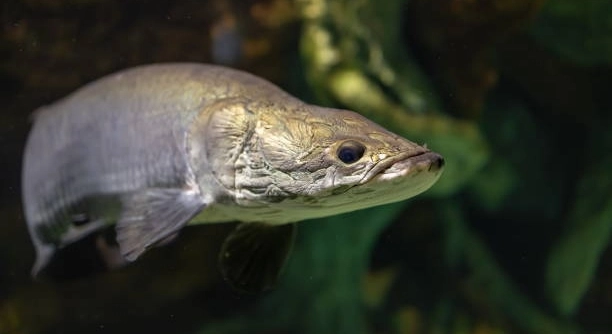
Do you ever notice your arowana lying still after finishing its meal, almost as if it has lost energy? Many owners find this behavior concerning, especially when their fish usually swims actively throughout the tank.
Arowanas often stop moving after eating due to a combination of digestion and temporary lethargy. This is a normal physiological response, allowing the fish to process food efficiently. Overfeeding, water quality, or stress can also intensify this inactivity.
Observing your fish closely can reveal patterns that affect its health. Small adjustments in care can make a significant difference in its daily activity.
Understanding Post-Meal Lethargy
After feeding, arowanas often rest to focus energy on digestion. Their large stomachs need time to process food, which can make them appear inactive. This behavior is generally normal, especially if the fish resumes swimming after a few hours. Factors like overfeeding or feeding very large portions can intensify this stillness. Over time, consistent observation helps distinguish between typical post-meal rest and signs of discomfort. Stress from sudden changes in the tank, such as new decorations, water shifts, or loud noises, can also make an arowana linger near the bottom. Temperature variations play a role as well; cooler water slows metabolism, causing slower movement. Diet type matters too—protein-heavy foods may require more digestion time, leading to longer periods of rest. Maintaining a regular feeding schedule can reduce prolonged inactivity. Proper tank care, monitoring water parameters, and balanced feeding routines are essential to ensure your arowana’s health and comfort during these resting periods.
Resting after a meal is usually a normal part of arowana digestion, reflecting healthy metabolism and energy conservation.
Consistently watching your arowana can reveal subtle patterns. Recognizing normal rest periods helps prevent unnecessary worry and ensures the fish is healthy. Observing details like swimming speed, appetite, and general alertness allows for timely adjustments to care, including water quality and feeding habits, keeping your arowana active and comfortable.
Common Causes of Prolonged Inactivity
Water quality issues are often the main reason for extended inactivity. Dirty water, improper pH, or inadequate filtration can stress fish and slow movement.
When arowanas stop moving for longer than usual, it may be due to underlying stressors. Overfeeding is a common factor, causing discomfort or bloating. Uneaten food decomposing in the tank can degrade water quality, creating harmful conditions. Temperature fluctuations may reduce metabolism, making the fish less active. Stress from aggressive tank mates, sudden environmental changes, or insufficient space can also contribute. Illnesses like swim bladder problems, internal parasites, or infections can manifest as unusual lethargy. Recognizing these signs early is critical to preventing severe health issues. Regular tank maintenance, proper diet, and observing behavior patterns are key. Small, consistent changes often restore normal activity, while professional advice can help with persistent health concerns. Understanding these factors ensures your arowana thrives, staying active and responsive without unnecessary worry.
Adjusting Feeding Habits
Feeding smaller portions more frequently can reduce post-meal inactivity. Overfeeding strains digestion and can make arowanas sluggish for hours.
Adjusting feeding habits is crucial for maintaining arowana health. Large meals can lead to bloating and slower metabolism, so dividing daily food into smaller, manageable portions helps the fish digest more comfortably. Observing how quickly your arowana finishes meals and resumes activity can guide portion sizes. Feeding only what is consumed within a few minutes prevents waste and keeps water quality stable. Choosing appropriate food types, such as pellets or frozen options, also aids digestion. Regular schedules help the fish anticipate meals, reducing stress and ensuring energy levels remain balanced throughout the day.
Overfeeding not only slows the fish temporarily but can create long-term health risks. Bloating, swim bladder issues, and digestive problems may develop if large meals are repeated. Balancing diet and portion control is key to keeping your arowana active, healthy, and less prone to extended periods of inactivity. Monitoring reactions to different foods allows for better adjustments and consistent care.
Maintaining Water Quality
Clean water is essential for activity and digestion. Poor filtration or high waste can make arowanas lethargic.
Monitoring water quality includes checking temperature, pH, ammonia, nitrite, and nitrate levels regularly. Sudden changes in any parameter can stress fish, reducing movement. Regular partial water changes help maintain stable conditions. Avoid overcrowding, as excess waste can degrade water quickly. Proper filtration ensures oxygen levels remain sufficient, supporting both energy and digestion. Observing the fish during and after water changes can indicate how well it tolerates adjustments. Tank maintenance is a continuous process that directly impacts your arowana’s activity and overall health, making consistency more important than intensity.
Keeping arowanas active depends heavily on consistent water care. Stress from poor conditions can worsen lethargy, making even healthy fish appear inactive. Maintaining a stable environment reduces disease risks, supports digestion, and encourages regular movement. Combining proper feeding, temperature control, and tank cleanliness ensures the fish recovers quickly after meals and remains alert. Paying attention to minor changes in behavior can prevent serious health issues and makes it easier to adjust care routines before problems escalate. Regular observation paired with good water management builds a healthier, more energetic arowana over time.
Monitoring Temperature
Stable water temperature is vital for arowana activity. Sudden drops or spikes can slow digestion and movement.
Using a reliable heater and thermometer ensures consistent temperatures. Ideal ranges keep metabolism steady, supporting energy and overall health.
Signs of Digestive Stress
Arowanas may remain still if digestion is difficult. Bloating, loss of appetite, or unusual swimming patterns indicate strain. Observing these signs early allows for adjustments in feeding or diet, preventing long-term issues and supporting recovery.
Providing Space to Swim
Arowanas need room to move after meals. Crowded tanks can increase stress and inactivity, making it harder for the fish to recover naturally.
Diet Variety
Feeding a mix of pellets, live, or frozen food helps digestion and nutrient balance. Consistent variety prevents lethargy and supports overall vitality.
Why does my arowana stop moving after a meal?
Arowanas often rest after eating because digestion requires energy. Their large stomachs expand and demand more blood flow to process food, which naturally slows activity. This temporary stillness is usually normal, especially if the fish resumes swimming within a few hours. Overfeeding or sudden environmental changes can make this period longer.
Is it normal for my arowana to stay at the bottom after eating?
Yes, it can be normal. Resting near the bottom helps the fish conserve energy while digesting. However, consistent inactivity or signs like bloating, unusual swimming, or loss of appetite may indicate stress, illness, or digestive problems, requiring closer observation or adjustments.
How long should my arowana stay inactive after a meal?
Most arowanas recover within one to three hours. Smaller meals generally lead to shorter rest periods. Large meals, high-protein food, or sudden drops in water temperature can extend inactivity. Observing your fish over several days helps establish a normal baseline for its post-meal behavior.
Could overfeeding cause my arowana to stop moving?
Yes, overfeeding is a common reason for post-meal lethargy. Large portions can strain the digestive system, causing bloating and slowing movement. Uneaten food can also decompose, impacting water quality and further reducing energy levels. Feeding smaller, controlled portions can prevent these issues.
Can water quality affect my arowana’s activity?
Absolutely. Poor water conditions, including high ammonia, nitrite, or nitrate levels, can stress the fish and reduce movement. Maintaining clean water through regular changes, proper filtration, and monitoring pH and temperature is essential for keeping your arowana active and healthy.
Are there health issues that make arowanas inactive?
Yes, problems like swim bladder disorders, internal parasites, or infections can make arowanas unusually still after meals. Other symptoms may include difficulty swimming, loss of appetite, or abnormal body posture. Early detection and treatment are key to recovery and preventing long-term health problems.
Does temperature affect my arowana’s movement after feeding?
Temperature plays a significant role. Cooler water slows metabolism, making digestion take longer and reducing activity. Keeping water within the ideal temperature range for your arowana ensures normal digestion and energy levels, helping the fish stay active after eating.
Should I change my arowana’s diet if it stays inactive too long?
Yes, diet adjustments can help. Switching to smaller portions, high-quality pellets, or frozen/live food with easier digestibility can reduce lethargy. Feeding at regular intervals and avoiding sudden dietary changes ensures the fish’s digestive system adapts without added stress.
How can I tell if inactivity is normal or a warning sign?
Normal post-meal rest is temporary and accompanied by regular swimming afterward. Warning signs include extended stillness, bloating, unusual swimming patterns, loss of appetite, or visible illness. Observing your fish daily and keeping records of its behavior helps distinguish normal rest from potential health problems.
Can stress from tank conditions affect post-meal activity?
Yes, stress from sudden environment changes, aggressive tank mates, overcrowding, or loud disturbances can reduce activity. Creating a calm, stable environment with sufficient space allows your arowana to digest comfortably and return to normal swimming behavior.
What steps can I take to prevent prolonged inactivity?
Feed smaller, controlled portions and maintain a consistent schedule. Ensure stable water quality, proper temperature, and adequate tank space. Introduce a balanced diet with variety to support digestion. Regular observation and quick responses to unusual behavior reduce prolonged inactivity and support overall health.
When should I consult a vet about inactivity?
If inactivity extends beyond several hours consistently, or if accompanied by bloating, loss of appetite, abnormal swimming, or visible illness, consulting a vet is recommended. Professional guidance ensures proper diagnosis and treatment, preventing long-term health complications for your arowana.
Can supplements or vitamins help my arowana stay active?
Supplements can support overall health, especially if dietary gaps exist. Vitamins and minerals may aid digestion and energy levels. However, they should complement a balanced diet and proper tank care, not replace them, ensuring your fish stays active and healthy after meals.
Is it safe for my arowana to stay still sometimes?
Yes, occasional stillness is natural. Arowanas need rest for digestion, and temporary inactivity is normal. Regular observation ensures this behavior remains within healthy limits, helping you identify any early signs of potential issues.
This FAQ section provides practical guidance for understanding post-meal inactivity, helping owners monitor and maintain their arowana’s health effectively.
Final Thoughts
Observing your arowana after meals is an important part of caring for it properly. Temporary inactivity is usually normal and simply reflects the fish’s need to digest food. Just like other animals, arowanas use energy to process what they eat, and this may make them appear sluggish or rest at the bottom of the tank. Most of the time, the fish will regain its usual activity within a few hours, and this behavior does not indicate a serious problem. However, paying attention to consistent patterns and minor changes in behavior can make a significant difference in ensuring the fish remains healthy and active over time.
Maintaining arowana health requires a combination of proper feeding, water care, and observation. Feeding smaller, balanced portions and avoiding overfeeding reduces the chances of digestive stress. Water quality also plays a major role, as poor conditions can amplify inactivity and contribute to stress or illness. Regular monitoring of temperature, pH, and ammonia levels helps maintain an environment where the fish can digest food comfortably and move naturally. Providing sufficient space and avoiding sudden disruptions in the tank can further support recovery after meals, allowing the fish to return to its normal behavior without unnecessary worry.
Consistency and careful observation are key to long-term care. Understanding what is normal for your arowana, such as short rest periods after eating, helps distinguish between temporary inactivity and potential health issues. If changes like prolonged stillness, loss of appetite, or unusual swimming patterns occur, adjusting feeding habits, checking water quality, or consulting a veterinarian may be necessary. Taking these steps ensures that your arowana remains healthy, active, and responsive in its environment. Paying attention to small details and being proactive with care allows you to support your fish’s digestion, energy levels, and overall well-being in a simple and effective way.

Hello,
If you enjoy the content that we create, please consider saying a "Thank You!" by leaving a tip.
Every little bit helps us continue crafting quality advice that supports the health, happiness, and well-being of pets around the world, for pets of all shapes, sizes, and species.
We really appreciate the kindness and support that you show us!