
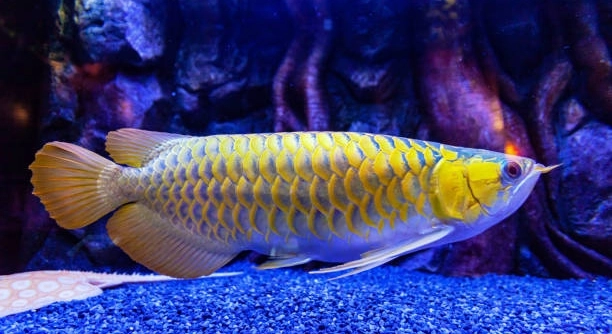
Do you ever notice how your arowana seems to eat differently as it grows? Feeding habits evolve over time, influenced by age, size, and natural instincts. Observing these changes helps maintain their health and ensures proper nutrition throughout life.
Arowana feeding habits shift significantly as they age. Juveniles require frequent, smaller meals with protein-rich foods, while adults transition to larger portions and more varied diets. Understanding these patterns allows for optimized growth, balanced nutrition, and long-term wellbeing.
Recognizing these changes early will help you provide the right diet at every stage of your arowana’s life. Proper feeding ensures a healthier, more active fish.
Juvenile Arowana Feeding Patterns
When arowanas are young, they need frequent meals to support rapid growth. Juveniles typically eat small live foods such as insects, tiny shrimp, or feeder fish. Their digestive systems are still developing, so meals should be given multiple times a day. Overfeeding can lead to water quality issues, while underfeeding may stunt growth. Observing how eagerly they eat can indicate their health and activity level. Providing a varied diet ensures they receive adequate nutrients, supporting strong bones and scales. At this stage, consistency is key, and small portions prevent waste while promoting proper digestion. Using tweezers or feeding tongs allows better control of the portion size, making it easier to monitor how much your arowana consumes. Gradually introducing high-quality pellets helps transition them to more manageable food as they grow. Juvenile arowanas also benefit from environmental enrichment, like floating objects, which encourages natural hunting behaviors and activity during feeding times.
Juvenile arowanas thrive on multiple small meals and a variety of protein-rich foods for balanced growth and health.
Consistency and portion control at this stage set the foundation for healthy adult feeding habits.
Adult Arowana Feeding Habits
Adult arowanas eat less frequently but larger meals compared to juveniles. They require a balanced diet with protein and occasional supplements to maintain health.
As arowanas grow into adulthood, their metabolism slows slightly, making frequent feeding unnecessary. Adults benefit from larger, nutrient-dense meals two to three times per week, focusing on fish, shrimp, and pellets. Protein remains important, but variety is equally essential to prevent nutritional deficiencies and maintain interest in their food. Overfeeding adult arowanas can lead to obesity and water quality issues, so carefully measuring portions is crucial. Including occasional treats like silversides or earthworms provides enrichment and satisfies natural hunting instincts. Adults also develop preferences, so rotating food types keeps them engaged and ensures balanced nutrition. Maintaining a stable feeding schedule supports overall health, minimizes stress, and reduces the risk of aggression during feeding times. Proper adult care allows your arowana to thrive, showcasing its full size and vibrant coloration while maintaining optimal energy and vitality.
Feeding Frequency Changes
Juvenile arowanas eat several small meals daily, but as they age, feeding frequency decreases. Adults typically eat larger meals two to three times a week, reflecting slower metabolism and changing nutritional needs.
Adjusting feeding frequency is essential to match an arowana’s growth and energy requirements. Young arowanas require multiple feedings to support rapid growth and maintain energy levels. Frequent small meals prevent digestive issues and help young fish develop strong bones and healthy scales. As they mature, their metabolism slows, and overfeeding can cause obesity or poor water quality. Gradually reducing feeding frequency while increasing portion size ensures proper nutrition. Monitoring appetite and adjusting accordingly helps prevent both underfeeding and overfeeding. Careful observation also allows early detection of health issues, as changes in feeding behavior often indicate stress, illness, or environmental problems. Ensuring feeding frequency aligns with age keeps your arowana active, healthy, and properly nourished.
Feeding schedules must evolve with age, balancing nutrition and preventing digestive or weight problems. Proper timing supports health and activity.
Preferred Food Types
Juvenile arowanas prefer live foods like small shrimp, insects, and tiny feeder fish, while adults enjoy larger prey and high-quality pellets. Variety is key at all stages.
Providing the right food type ensures optimal growth and health. Young arowanas benefit from live foods that stimulate hunting instincts and support digestive development. These foods are rich in protein and nutrients essential for rapid growth. Introducing pellets gradually helps them adapt to prepared foods over time. Adults need larger, more substantial meals, including fish, shrimp, and occasional supplements for balanced nutrition. Rotating food types prevents boredom, supports immune health, and maintains vibrant coloration. Treats like worms or silversides enrich feeding sessions, replicating natural hunting behaviors. Selecting foods appropriate for size, age, and dietary needs ensures your arowana receives essential nutrients while minimizing waste and keeping the tank clean. Proper selection also reduces stress during feeding and encourages consistent appetite and activity.
Consistently offering varied, age-appropriate foods enhances growth, coloration, and long-term health for your arowana.
Feeding Aggression
Young arowanas can be competitive during feeding, but aggression usually decreases with age. Establishing clear feeding areas helps minimize conflict and ensures each fish receives food.
Adult arowanas may show territorial behavior around meals. Separating aggressive feeders or using multiple feeding points reduces stress and ensures fair access to food.
Feeding Adjustments for Size
As arowanas grow, portion sizes must increase to match their body mass. Small meals for juveniles are insufficient for adults, so feeding must adapt accordingly.
Properly adjusting portion size prevents malnutrition and supports steady growth. Overfeeding can harm water quality, while underfeeding slows development. Observing appetite and measuring food carefully helps maintain balance.
Supplemental Foods
Adding occasional supplements like vitamins or calcium-rich foods supports overall health, especially in larger arowanas.
Supplemental foods help strengthen bones, improve immunity, and maintain vibrant scales. Choosing the right additions ensures nutritional gaps are filled.
How often should I feed my arowana at different ages?
Juvenile arowanas require frequent feedings, usually three to five times daily, with small portions to support rapid growth and maintain energy levels. Their digestive systems are still developing, so splitting meals into several small servings prevents overloading the stomach. As they mature, feeding frequency can decrease. Adult arowanas do well with two to three larger meals per week. The key is to match feeding schedules to their metabolic rate, ensuring they receive enough nutrients without overfeeding. Observing appetite and adjusting as needed helps maintain proper growth and overall health.
What types of food are best for young arowanas?
Juvenile arowanas thrive on live foods that mimic natural prey. Small shrimp, insects, and tiny feeder fish provide high protein and essential nutrients. These foods encourage natural hunting behaviors, which help with activity and development. Gradually introducing high-quality pellets helps them adapt to prepared diets over time. Rotating between different live foods and pellets ensures balanced nutrition and prevents boredom. Avoid feeding oversized or fatty prey, as it can cause digestive issues or water contamination. Consistent feeding with appropriate portions supports strong bones, healthy scales, and proper growth.
How do adult arowanas’ food preferences change?
Adult arowanas tend to prefer larger prey and more substantial meals. Fish, shrimp, and occasional supplements become main staples, while live insects are less necessary. Rotating food types keeps them engaged and ensures balanced nutrition. Adults may develop preferences for certain foods, but variety remains essential. Treats like worms or silversides provide enrichment and replicate natural hunting behaviors. Monitoring appetite helps ensure each adult arowana receives enough food without overfeeding. Proper portion sizes and food variety contribute to long-term health, vibrant coloration, and overall activity.
Can arowanas overeat, and what are the signs?
Yes, overfeeding is common in both juveniles and adults. Signs include slow swimming, bloating, or leftover food in the tank. Excess food also affects water quality, leading to higher ammonia and nitrate levels. To prevent this, measure portions carefully and stick to a feeding schedule. Removing uneaten food promptly helps maintain water clarity and reduces the risk of illness. Overfeeding can result in obesity, liver problems, and decreased immunity. Paying close attention to behavior and appetite ensures feeding matches the fish’s actual needs.
How can I manage feeding aggression among multiple arowanas?
Arowanas, especially juveniles, may compete aggressively during meals. Using multiple feeding points or spreading food across the tank reduces conflict. Separating highly aggressive fish temporarily can help maintain calm. Adult arowanas may be territorial, so spacing food and observing interactions is key. Providing adequate portions ensures all fish receive enough nutrition. Structured feeding routines reduce stress and prevent injuries caused by chasing or biting. Feeding during consistent times also helps establish predictability, making interactions smoother.
Are supplements necessary for arowanas?
Supplements can support growth, immunity, and scale health. Calcium-rich foods, vitamins, and occasional specialized pellets help fill nutritional gaps, especially in adult or fast-growing arowanas. Over-supplementing can cause harm, so moderation is important. Focus on a balanced diet first, and use supplements as needed. Regular observation of scales, coloration, and activity can indicate if supplements are beneficial. Proper supplementation strengthens bones, improves immunity, and maintains vibrant coloration.
What adjustments should be made when an arowana shows decreased appetite?
Decreased appetite can indicate stress, illness, or inappropriate diet. Check water quality, temperature, and tank conditions first. Offering live foods or switching pellet types can stimulate feeding. Avoid overfeeding in response, as it can worsen health issues. Monitoring behavior and appetite closely helps identify underlying problems early. Gradual adjustments and maintaining consistency in feeding schedules usually restore normal eating patterns.
How do seasonal changes affect arowana feeding?
Temperature changes can influence metabolism, affecting how often and how much arowanas eat. In cooler months, they may eat less, while warmer temperatures can increase appetite. Adjust portion sizes and feeding frequency accordingly. Maintaining stable water conditions reduces stress and ensures consistent feeding behavior. Observing activity and digestion during seasonal shifts helps maintain proper nutrition.
Is it safe to feed human foods to arowanas?
Most human foods are unsuitable for arowanas. Processed meats, dairy, or fatty foods can cause digestive issues and poor water quality. Stick to fish-safe options like shrimp, small fish, worms, and high-quality pellets. Treats should remain occasional and appropriate for size. Safe, natural foods support growth, activity, and overall health without introducing harmful bacteria or toxins.
This FAQ provides practical guidance to help your arowana thrive, covering feeding schedules, food types, supplements, and behavioral considerations to ensure optimal health and longevity.
Caring for arowanas requires careful attention to their changing feeding habits as they grow. Juveniles have different nutritional needs and feeding frequencies compared to adults, and understanding these shifts is essential for their long-term health. Feeding a young arowana multiple small meals throughout the day ensures they get enough protein and energy to support rapid growth. Using live foods such as small shrimp, insects, or tiny feeder fish helps them develop natural hunting behaviors while providing essential nutrients. Gradually introducing pellets during this stage makes the transition to adult diets easier, ensuring they adapt to a variety of food sources. Maintaining consistent feeding schedules, proper portion sizes, and observing appetite and activity levels can prevent common problems such as overfeeding, digestive issues, and stunted growth. This approach also reduces waste in the tank, keeping the water quality safe and healthy for the fish. By carefully monitoring juveniles, you lay the foundation for arowanas to grow strong and healthy.
As arowanas mature, their feeding habits change. Adult fish do not require as many meals but need larger portions to match their slower metabolism and increasing body mass. A varied diet becomes increasingly important at this stage, including fish, shrimp, high-quality pellets, and occasional supplements to provide balanced nutrition. Adults may develop preferences for certain foods, so rotating options helps maintain interest and ensures they receive all necessary nutrients. Overfeeding at this stage can lead to obesity, water quality issues, and reduced activity levels, so careful measurement of portions is crucial. Observing feeding behavior can also help identify health concerns early, as changes in appetite or activity often indicate stress or illness. Creating multiple feeding points and addressing any aggressive behavior during meals ensures that all fish get enough food while reducing competition and stress. Adult care requires a combination of consistency, attention to detail, and understanding the fish’s natural habits to maintain overall health and longevity.
Supplemental foods can be valuable at all stages of life, especially for larger or adult arowanas. Adding occasional vitamin or calcium-rich foods supports strong bones, healthy scales, and immunity. Careful monitoring of dietary needs and making gradual adjustments based on age and health ensures that supplements are used effectively without overdoing them. Understanding seasonal changes in water temperature or activity levels also helps maintain proper feeding routines, as metabolism can fluctuate throughout the year. Consistently providing a well-balanced diet that evolves with your arowana’s age encourages natural growth, maintains vibrant coloration, and supports an active, healthy lifestyle. Attention to feeding habits, food variety, and portion control is key to keeping arowanas thriving and preventing common health problems, making it easier to enjoy their presence and beauty in your tank for years to come.

Hello,
If you enjoy the content that we create, please consider saying a "Thank You!" by leaving a tip.
Every little bit helps us continue crafting quality advice that supports the health, happiness, and well-being of pets around the world, for pets of all shapes, sizes, and species.
We really appreciate the kindness and support that you show us!