
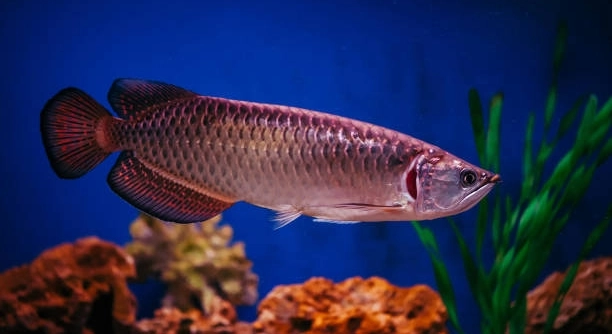
Arowanas are beautiful, large fish that require more than just clean water to stay happy. Many owners find themselves looking for ways to make their tanks more stimulating and enjoyable for their fish.
Adding simple enrichment items to an arowana tank can significantly improve the fish’s mental and physical well-being. Items such as floating logs, smooth stones, live plants, and mirror exercises encourage natural behaviors and reduce stress in a controlled aquatic environment.
These practical enhancements make the tank environment livelier while promoting healthier, more active fish. They offer subtle yet effective ways to improve daily life for arowanas.
Floating Logs
Floating logs are a simple addition that adds both visual appeal and activity for your arowana. They can be made from safe, untreated wood that won’t release toxins into the water. The fish often enjoy swimming around or under the logs, which gives them a sense of security. Logs can also encourage natural hunting behavior when small, safe items are placed nearby. They move slightly with the water, creating gentle currents that stimulate swimming. Choosing the right size and shape is important, as logs that are too small might not provide enough interaction, and overly large ones could restrict swimming space. Logs also offer resting spots near the surface, letting arowanas pause while observing their surroundings. Over time, these simple wooden structures can reduce stress and boredom, making fish more active and healthier. A few well-placed logs can transform a plain tank into a more engaging and functional space.
Adding floating logs gives fish a tangible feature to explore and makes the tank feel more natural.
Logs can also improve tank aesthetics while subtly promoting mental and physical stimulation for your arowana, creating a more dynamic environment overall.
Smooth Stones
Smooth stones add texture and interest to an arowana tank. They can be arranged in clusters or spread out, allowing the fish to swim around or rest near them. Stones also serve as natural boundaries and hiding spots, which help reduce territorial stress. Selecting stones with rounded edges prevents injury, while varied sizes make the environment more stimulating. Placing stones near filtration or near the tank bottom creates gentle currents and areas for exploring. Stones are durable, easy to clean, and do not alter water chemistry if properly chosen. They also anchor plants or decorations, giving the tank structure. By arranging stones thoughtfully, you can create a dynamic setup that encourages swimming, hovering, and occasional exploration. Observing how your arowana interacts with these stones can provide insight into its preferences and comfort. Smooth stones are a simple way to combine functionality, safety, and aesthetics in a balanced aquatic setup.
Incorporating smooth stones transforms the tank from flat to interactive while promoting natural behaviors and exploration.
A thoughtful arrangement of stones, combined with logs and other enrichment items, can help create zones for resting, swimming, and observing, allowing your arowana to engage more fully with its environment. Over time, these subtle changes contribute to reduced stress, increased activity, and a healthier, happier fish. Stones can be shifted or rearranged to refresh the environment periodically, keeping your fish curious and attentive. Proper cleaning and monitoring ensure stones remain safe, avoiding sharp edges or algae buildup. With minimal effort, smooth stones provide lasting benefits, combining beauty with enrichment, and creating a tank that feels both natural and stimulating for your arowana.
Live Plants
Live plants provide shelter and visual barriers, helping arowanas feel secure in the tank. They also improve water quality by absorbing excess nutrients, creating a healthier environment. Choosing hardy species ensures they survive in large, active tanks.
Live plants can reduce stress and encourage natural behaviors like hovering and exploring. Fast-growing plants such as hornwort or anubias can tolerate occasional nips from your arowana while maintaining their shape. Floating plants add shade and resting areas, allowing the fish to feel protected. Roots and stems give subtle hiding spots, letting arowanas retreat when needed. Plants also support small microfauna, which can provide mild foraging stimulation. Proper placement is key to balancing swimming space with coverage.
Regular care, such as trimming and repositioning, keeps plants healthy and prevents overcrowding. Combining multiple species creates depth and texture, making the tank more engaging. Live plants also stabilize water conditions, reducing nitrate buildup. By observing how your arowana interacts with different plants, you can identify favorites for optimal enrichment.
Mirror Exercises
Mirrors can gently stimulate an arowana’s curiosity when used carefully. Short, supervised sessions prevent stress while encouraging movement and attention to reflections.
Introducing a mirror for a few minutes daily can activate natural instincts without causing aggression. The fish may approach, display, or swim alongside its reflection. Positioning the mirror at different angles keeps interactions varied, providing mental stimulation. Mirrors should not be left in the tank constantly, as prolonged exposure can create anxiety or territorial behavior. Monitoring your fish’s reactions ensures the exercise remains beneficial. Using a mirror in combination with other enrichment items enhances overall activity and interest in the environment.
Mirrors offer a safe way to increase activity, mental alertness, and interaction. Over time, these exercises can make arowanas more attentive and lively. By limiting mirror exposure and alternating with other enrichment, the fish gains mental stimulation without stress. Pairing mirrors with floating logs, plants, and stones creates a balanced environment, encouraging exploration, observation, and natural movement patterns. Controlled mirror sessions provide an easy, low-cost method to diversify tank experiences while supporting physical and cognitive health.
Driftwood
Driftwood adds natural texture and hiding spaces for arowanas, making the tank feel more secure. It can also slightly tint the water, creating a calmer environment that mimics their natural habitat.
Positioning driftwood carefully prevents overcrowding while providing resting areas. It encourages exploration and vertical swimming, enhancing the tank’s overall enrichment.
Floating Rings
Floating rings give arowanas objects to swim around and interact with. They can be made from safe, non-toxic materials and vary in size and color to maintain interest. Rings help develop agility and encourage gentle activity, especially in tanks with limited décor.
Feeding Puzzles
Feeding puzzles slow down consumption and provide mental stimulation. They make arowanas work for their food, mimicking natural foraging behaviors. Using floating or submerged puzzles encourages movement and problem-solving, keeping the fish engaged during feeding times.
PVC Tubes
PVC tubes act as tunnels and hideouts, promoting exploration and territorial behavior. They are easy to clean, durable, and safe for arowanas, offering interactive areas without taking up excessive tank space.
FAQ
What types of wood are safe for arowana tanks?
Safe wood options include Malaysian driftwood, mopani wood, and manzanita. They are untreated, non-toxic, and will not release harmful chemicals into the water. Always rinse and soak wood before placing it in the tank to remove dust and tannins that could temporarily discolor the water.
How often should enrichment items be rearranged?
Rearranging items every few weeks can keep the environment engaging. Changing positions of logs, stones, or PVC tubes stimulates natural exploration behaviors and prevents boredom. Avoid frequent drastic changes, which could stress the fish. Small, gradual adjustments are best.
Are live plants necessary for enrichment?
Live plants are not mandatory, but they provide multiple benefits. They improve water quality, offer hiding spots, and encourage natural behaviors. Hardy species like anubias, Java fern, or hornwort survive well in large tanks and require minimal maintenance.
Can mirrors harm my arowana?
Mirrors are safe if used briefly and supervised. Short sessions of a few minutes stimulate curiosity and movement. Prolonged exposure may cause stress or territorial behavior. Always observe the fish and remove the mirror if aggressive or anxious behavior occurs.
What is the best size for stones and driftwood?
Stones and driftwood should be large enough to provide resting or hiding spaces, but not restrict swimming. Rounded stones prevent injury, and driftwood should fit the tank while offering vertical or horizontal space to explore. Size should suit the fish’s dimensions and swimming habits.
How do floating rings benefit arowanas?
Floating rings encourage swimming around objects, increasing activity. They offer mental stimulation and light physical exercise, particularly in tanks with limited decorations. Rings also provide gentle challenge and interaction without stressing the fish, supporting both health and engagement.
Are PVC tubes safe for long-term use?
PVC tubes are durable, easy to clean, and non-toxic if aquarium-safe materials are chosen. They provide hiding spots and tunnels for exploration. Tubes should be monitored for sharp edges and periodically cleaned to prevent algae buildup. They are a low-maintenance option for consistent enrichment.
How should feeding puzzles be used?
Feeding puzzles slow down consumption, making feeding a more engaging experience. They encourage natural foraging instincts, provide mental stimulation, and prevent overeating. Place them at different locations in the tank and vary challenges to maintain interest over time.
Can enrichment reduce stress in arowanas?
Yes. Items like logs, stones, plants, and tubes provide hiding spaces and areas for exploration. This reduces stress, promotes natural behaviors, and encourages physical activity. A well-enriched tank supports mental well-being and helps arowanas remain active and healthy.
Is there a recommended number of enrichment items per tank?
The number depends on tank size and fish behavior. A balance is key—enough items to provide stimulation, but not so many that swimming is restricted. Observing the fish helps determine the right amount, ensuring safety and proper engagement without overcrowding.
How often should enrichment items be cleaned?
Regular cleaning prevents algae buildup and debris accumulation. Logs, stones, and PVC tubes can be rinsed or scrubbed gently. Avoid harsh chemicals that may harm the fish. Live plants require trimming and removing decaying leaves to maintain overall tank health.
Do enrichment items require special maintenance?
Most enrichment items are low-maintenance. Driftwood may need soaking, plants need occasional trimming, and feeding puzzles should be cleaned after each use. Routine observation ensures items remain safe and effective for the fish.
Can I combine multiple enrichment types?
Yes, combining logs, stones, plants, tubes, and puzzles creates a more dynamic environment. Multiple types cater to different behaviors, providing mental and physical stimulation. Variety encourages activity and reduces the risk of boredom, contributing to long-term well-being.
How long does it take for enrichment to show effects?
Positive effects can be seen within days to weeks. Increased exploration, swimming, and interaction are typical signs. Over time, enrichment contributes to reduced stress, better appetite, and overall healthier behavior patterns in arowanas.
Are artificial plants effective for enrichment?
Artificial plants offer visual barriers and hiding spots but do not improve water quality. They are durable and low-maintenance but may lack some benefits of live plants, such as oxygen production and microfauna support. Using them in combination with other enrichment is effective.
Can enrichment items prevent aggression?
Providing hiding spots, territorial markers, and multiple activity areas can reduce stress-induced aggression. Enrichment allows fish to establish zones and engage in natural behaviors, decreasing confrontations and promoting a calmer tank environment.
Do all arowanas respond the same way to enrichment?
Individual behavior varies. Some arowanas are more curious, while others are cautious. Observing each fish helps determine preferred items and placement. Adjusting enrichment based on personality ensures maximum benefit and engagement.
Is it okay to leave enrichment items in the tank permanently?
Yes, most items like stones, driftwood, and tubes can remain indefinitely if safe and clean. Mirrors and feeding puzzles should be used temporarily to prevent stress. Monitoring fish reactions ensures the tank remains a positive, enriching space.
What are the most cost-effective enrichment options?
Driftwood, smooth stones, PVC tubes, and simple floating rings are affordable and long-lasting. They provide physical and mental stimulation without expensive equipment. Many items can be repurposed or arranged creatively to maintain variety while staying budget-friendly.
Can enrichment improve physical health?
Yes. Increased swimming, exploration, and interaction with objects promote muscle development and coordination. Enrichment encourages natural movement patterns, supporting overall health and longevity. Active fish are less prone to obesity and related health issues.
How do I know if enrichment is working?
Signs include more frequent swimming, curiosity, exploration, and interaction with items. Reduced stress behaviors like hiding or lethargy indicate improvement. Regular observation helps gauge effectiveness and informs adjustments to maintain a balanced environment.
Can enrichment prevent boredom in arowanas?
Yes. Rotating items, adding puzzles, and providing varied textures and hiding spots keep fish engaged. Boredom can lead to stress, overfeeding, or destructive behavior. Proper enrichment maintains mental stimulation and encourages natural behaviors consistently.
How can I safely introduce new enrichment items?
Rinse and inspect items before adding them. Introduce one at a time and observe the fish’s response. Gradual additions prevent stress and allow the arowana to explore safely. Adjust placement based on comfort and interaction levels to optimize enrichment benefits.
Are there risks associated with enrichment?
Risks are minimal if items are chosen carefully. Sharp edges, toxic materials, or overcrowding can cause injury or stress. Monitoring fish and maintaining items properly ensures safety. Safe, well-chosen enrichment consistently supports physical and mental well-being.
Can enrichment help arowanas in smaller tanks?
Yes, even in smaller tanks, properly sized and placed enrichment encourages activity, exploration, and stress reduction. Careful selection and arrangement ensure swimming space is not restricted, maximizing the benefits without compromising comfort.
Do enrichment items need to match tank décor?
Matching décor is optional. Function and safety matter more than aesthetics. Items can be arranged for visual appeal, but the primary goal is stimulation and comfort for the arowana. Practical placement enhances interaction without relying on style.
Is it better to rotate enrichment items or keep them constant?
Rotating items prevents habituation and keeps the environment engaging. Constant items provide stability and familiar resting spots. Combining both approaches balances stimulation and comfort, offering variety while maintaining a sense of security for the fish.
Can enrichment reduce tank maintenance?
Indirectly, yes. Live plants help absorb nutrients, and proper placement of stones or logs can reduce debris accumulation. While enrichment primarily targets mental and physical well-being, it can also contribute to overall tank stability when chosen wisely.
How do I choose enrichment for aggressive arowanas?
Provide multiple hiding spots, separate territories, and visual barriers. Durable and sturdy items like driftwood or PVC tubes help aggressive fish establish zones while reducing confrontations. Observation ensures safe interaction and adjustment based on behavior.
Are there seasonal considerations for enrichment?
No major seasonal changes are required in indoor tanks. However, plants may grow differently depending on light cycles, and temperature fluctuations can influence activity levels. Monitoring the fish ensures enrichment remains effective year-round.
Do young arowanas need different enrichment than adults?
Yes. Young fish benefit from smaller, lighter items that they can explore safely. Adults require larger, sturdier structures to support size and strength. Adjusting enrichment to size and behavior ensures engagement and prevents injury.
How do I combine feeding puzzles with other enrichment?
Place puzzles near logs, stones, or tubes to encourage movement and exploration. This combination stimulates both mind and body. Alternating puzzle locations maintains novelty and encourages active foraging in different areas of the tank.
Can enrichment help arowanas adapt to new tanks?
Yes. Familiar items like logs or plants can provide comfort in a new environment. Enrichment encourages exploration, reduces stress, and helps the fish establish zones, speeding adaptation and promoting healthier behavior patterns.
What is the best way to monitor enrichment effectiveness?
Observe swimming patterns, interaction with items, resting behavior, and stress indicators. Record changes over time to identify preferences and adjust placement or types of enrichment accordingly. Consistent monitoring ensures items remain beneficial.
Are there any DIY enrichment options?
Yes. Clean PVC pipes, smooth stones, floating rings, and untreated driftwood can be repurposed. DIY options allow customization for size, shape, and arrangement. Creative solutions provide safe, low-cost ways to enrich arowana tanks while maintaining effectiveness.
How often should feeding puzzles be changed or rotated?
Rotating puzzles weekly or biweekly maintains novelty and prevents habituation. Varying difficulty or placement keeps feeding engaging and supports mental stimulation. Consistent monitoring ensures puzzles remain safe and effective.
Do enrichment items influence breeding behavior?
Yes. Hiding spots, territories, and structures like driftwood or PVC tubes can support courtship and reduce stress. Enrichment provides areas for spawning behavior and natural interactions, increasing comfort for breeding pairs.
Can enrichment reduce injury in tanks with multiple arowanas?
Yes. Well-placed items create separate zones and visual barriers, reducing direct confrontations. Logs, stones, and plants allow fish to retreat, minimizing aggressive encounters and helping maintain a safer environment for all tank inhabitants.
Is it necessary to rotate enrichment in very large tanks?
Yes. Even large tanks benefit from varied placement of logs, stones, and plants. Rotating items encourages exploration across the tank and prevents areas from becoming stagnant, keeping fish active and engaged.
Can enrichment improve feeding behavior?
Yes. Feeding puzzles and interactive areas encourage natural hunting instincts, slow down consumption, and increase engagement. Active fish tend to eat more efficiently and maintain healthier body condition over time.
What is the easiest enrichment to start with?
Driftwood, smooth stones, and hardy plants are simple and low-maintenance. They provide immediate stimulation, safe hiding spots, and visual interest, making them ideal starting points before introducing more complex items like puzzles or mirrors.
Do enrichment items affect water parameters?
Live plants improve water quality, while driftwood may slightly alter pH. Stones and PVC are generally inert. Regular testing ensures water remains stable, maintaining safety and a healthy environment for the fish.
Can enrichment be combined with tank decorations for aesthetics?
Yes. Logs, plants, stones, and tubes can serve both functional and decorative purposes. Thoughtful placement enhances tank beauty while supporting natural behaviors, creating a visually appealing and engaging environment for arowanas.
How do I know if my arowana is stressed despite enrichment?
Signs include hiding excessively, reduced appetite, erratic swimming, or aggression. Enrichment helps, but individual fish may still experience stress. Observing behavior, adjusting items, and maintaining water quality are key to minimizing stress.
Can enrichment help older arowanas stay active?
Yes. Gentle stimulation through swimming routes, hiding spots, and puzzles maintains movement and mental engagement. Enrichment encourages regular activity, helping older fish retain muscle tone and overall vitality.
What is the role of water flow in enrichment?
Driftwood, stones, and floating items create subtle currents and areas for swimming. Gentle flow encourages natural movement, improving exercise and interaction with the tank environment. Balanced water flow supports both physical health and engagement.
Are enrichment benefits permanent?
Benefits persist as long as items are safe, clean, and appropriately maintained. Regular observation, rotation, and adjustments ensure enrichment continues to support physical, mental, and emotional well-being.
How do I balance enrichment with swimming space?
Provide enough items for stimulation without restricting movement. Observe swimming patterns and adjust placement to maintain open areas for active swimming while ensuring hiding spots and mental engagement.
Can enrichment reduce disease risk?
Indirectly, yes. Reduced stress and increased activity support immunity. Live plants improve water quality, and proper item maintenance prevents bacterial buildup, lowering the likelihood of disease outbreaks.
Is there a recommended order for adding enrichment items?
Start with stable, low-maintenance items like driftwood, stones, and hardy plants. Gradually introduce interactive elements such as PVC tubes, floating rings, mirrors, and feeding puzzles. Observe responses before adding more complex items.
Can enrichment replace social interaction for arowanas?
Not completely. While enrichment stimulates physical and mental activity, arowanas may still benefit from visual contact with tank mates or reflection. Enrichment enhances life quality but does not substitute all social needs.
How can I make enrichment seasonal or varied?
Rotate plants, reposition stones or driftwood, and adjust puzzles periodically. Introduce new colors or textures occasionally to maintain curiosity and engagement, keeping the environment dynamic and mentally stimulating.
Are all enrichment items suitable for aggressive fish?
No. Avoid small, fragile items that could be damaged or cause injury. Use sturdy logs, large stones, and PVC tubes to create zones and reduce conflict. Proper selection ensures safety while supporting exploration.
Do enrichment items need to match tank size?
Yes. Items should be proportional to fish size and tank volume. Oversized items can restrict swimming, while too-small items may not provide effective stimulation or hiding spaces. Balance is key for safety and engagement.
Can enrichment influence tank cleaning frequency?
Indirectly. Live plants and carefully arranged items can reduce debris accumulation and provide areas that slow waste buildup. However, enrichment does not replace regular cleaning and maintenance.
How do I monitor long-term enrichment success?
Track activity levels, feeding behavior, interactions with items, and stress indicators over time. Adjust placement, variety, and type based on observed preferences and behavior. Regular assessment ensures lasting benefits for the arowana.
Is enrichment suitable for all arowana species?
Yes, though individual species or personalities may respond differently. Observe behavior and adapt items to suit activity levels, size, and temperament. Customizing enrichment maximizes mental and physical stimulation for any species.
Can enrichment items accidentally harm the fish?
Only if items are sharp, toxic, overcrowd the tank, or are poorly maintained. Choosing safe, durable materials and monitoring placement prevents injury, stress, and other risks. Properly selected items remain consistently safe.
Does enrichment affect water temperature or oxygen levels?
Generally no. Most items are inert and do not influence temperature. Live plants may slightly contribute oxygen. Standard filtration and heating maintain stable conditions, ensuring enrichment does not disrupt the aquatic environment.
How do I store unused enrichment items?
Clean and dry items before storage to prevent mold or bacteria. Store in a safe, dry place away from sunlight. Proper storage preserves safety and longevity for future use.
Can enrichment help during quarantine or recovery?
Yes. Logs, stones, and PVC tubes provide hiding spots and gentle stimulation without causing stress. Controlled enrichment during recovery supports mental engagement and comfort while minimizing disturbance.
What is the role of enrichment in preventing lethargy?
Enrichment encourages movement, exploration, and interaction, reducing boredom and inactivity. Active fish maintain better physical condition, coordination, and overall health, preventing lethargy and promoting longer, healthier lives.
Are there enrichment options for small tanks?
Yes. Smaller driftwood pieces, compact PVC tubes, and floating rings provide engagement without overcrowding. Proper placement ensures swimming space while maintaining stimulation, making enrichment feasible even in limited volumes.
How do I measure enrichment effectiveness over time?
Observe activity, interaction, feeding efficiency, and stress behaviors consistently. Compare before and after adding items to determine benefits. Adjust types and placement to maintain ongoing effectiveness and engagement.
Can enrichment prevent fin damage?
Yes. Rounded stones, smooth driftwood, and PVC tubes reduce sharp edges. Proper arrangement avoids collisions and overcrowding, minimizing fin injury while allowing exploration.
How often should enrichment routines change?
Small rotations or additions every few weeks maintain novelty. Frequent minor adjustments keep fish curious and active, while avoiding abrupt changes that could cause stress or confusion.
Does enrichment influence appetite?
Yes. Active fish engaged with objects and puzzles tend to feed more efficiently. Enrichment encourages natural hunting behaviors, increasing interest in food and supporting healthy growth.
Can enrichment reduce aggression in multi-arowana tanks?
Yes. Hiding spots, visual barriers, and defined territories reduce direct confrontations. Proper placement of enrichment minimizes conflict while maintaining engagement and activity for all fish.
Are certain enrichment items better for indoor vs. outdoor tanks?
Most items work in both settings, but sunlight exposure and algae growth may affect live plants outdoors. Adjustments may be needed to ensure items remain safe, durable, and stimulating.
How long should enrichment sessions last?
For mirrors or puzzles, a few minutes to an hour is sufficient. Logs, stones, and plants can remain in the tank continuously. Observe fish behavior to avoid overstimulation or stress.
Can enrichment items be reused across tanks?
Yes. Clean and disinfect items between uses to prevent disease transmission. Logs, stones, and PVC tubes are durable and safe for multiple tanks if properly maintained.
What materials should be avoided for enrichment?
Avoid painted, treated, or toxic materials. Sharp edges, soft plastics that can tear, and unstable objects may harm the fish. Stick to aquarium-safe wood, stones, PVC, and approved plastics.
Do enrichment items need special placement near filters or heaters?
Placement should avoid blocking filtration or heating flow. Logs and stones can be positioned near currents to encourage swimming, while maintaining clear pathways for movement and circulation.
Can enrichment improve overall tank aesthetics?
Yes. Well-placed items add depth, color, and texture, making the tank visually appealing while also supporting fish activity and well-being.
Is enrichment more important for single or multiple arowanas?
Both benefit, but single fish may need more interactive items to prevent boredom. Multiple fish require zones and hiding spots to reduce stress and aggression.
How do I know if enrichment is too much?
Signs include restricted swimming, excessive hiding, or stress behaviors. Balance is key—enough stimulation without crowding. Observing fish reactions ensures optimal placement and quantity of items.
Does enrichment replace proper diet and care?
Final Thoughts
Providing enrichment in an arowana tank is not just about decoration. It directly impacts the fish’s mental and physical well-being. Items like driftwood, smooth stones, live plants, PVC tubes, and feeding puzzles offer opportunities for exploration, rest, and gentle activity. Enrichment reduces stress by giving fish places to hide, boundaries to navigate, and challenges to solve. Even simple objects can make a significant difference in daily behavior. Arowanas kept in plain tanks may become bored or inactive, while a thoughtfully enriched environment encourages natural behaviors such as swimming, hovering, and exploring. Over time, these small changes can improve health, reduce aggression, and promote longer, more active lives.
Consistency and observation are key when adding enrichment items. Not every item works the same for all fish, and each arowana has its own preferences and comfort levels. It is important to monitor reactions and adjust placement, type, or quantity of items as needed. Some fish may interact more with logs or stones, while others may respond positively to floating rings or mirrors. Rotating or rearranging items periodically can maintain novelty and prevent habituation, keeping the tank engaging without overwhelming the fish. Enrichment should never replace essential care such as water maintenance, proper diet, and suitable tank conditions. It is a complementary practice that enhances well-being and supports healthy development in captivity.
The benefits of enrichment are both immediate and long-term. Fish may show increased activity, curiosity, and interaction with items in days, while long-term effects include stronger physical condition and reduced stress. A carefully balanced tank offers spaces for swimming, resting, and hiding, giving arowanas the freedom to engage in natural behaviors. Providing enrichment is also a rewarding aspect of fishkeeping, allowing observation of personality, preference, and behavior over time. Small changes such as adding a log, adjusting a plant, or introducing a puzzle can transform the tank environment. Consistently offering safe, varied, and well-maintained items ensures the fish remain active, alert, and healthy. Overall, enrichment is a simple but powerful way to support the happiness and quality of life for arowanas, making their home more stimulating, comfortable, and engaging.

Hello,
If you enjoy the content that we create, please consider saying a "Thank You!" by leaving a tip.
Every little bit helps us continue crafting quality advice that supports the health, happiness, and well-being of pets around the world, for pets of all shapes, sizes, and species.
We really appreciate the kindness and support that you show us!