
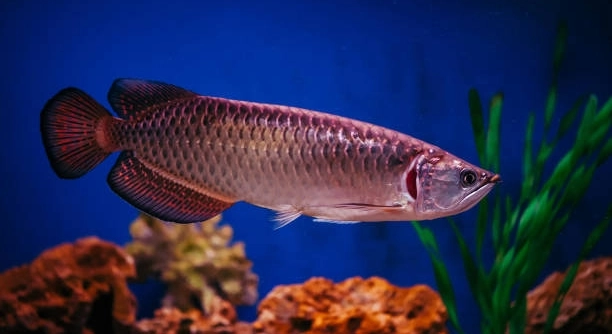
Do you ever find yourself standing in front of your arowana tank, tempted to tap the glass lightly as you admire its elegant movements? Many aquarium enthusiasts experience a mix of fascination and caution when observing these majestic fish.
Tapping the glass near an arowana is generally discouraged as it can induce stress and alter natural behavior patterns. Sudden vibrations or repeated tapping may trigger aggression, disrupt feeding routines, and negatively impact overall health in a controlled environment.
Knowing how to interact respectfully with your arowana can enhance its well-being and allow you to enjoy its presence without causing unintended harm.
Understanding Arowana Behavior
Arowanas are naturally alert and sensitive to their surroundings. Their instincts make them responsive to vibrations and movements outside the tank. Even gentle tapping can trigger a startle response, causing them to swim erratically or hide. Repeated disturbances may lead to prolonged stress, which can affect appetite, immunity, and overall behavior. They rely on a stable, calm environment to maintain health and proper growth. Observing from a distance without physical interference allows the fish to display natural behaviors. Their beauty and grace can be appreciated without introducing unnecessary stressors.
Stress from environmental disturbances can reduce an arowana’s lifespan if experienced frequently.
Providing a secure space with minimal interruptions ensures that the fish remains calm. Avoid tapping the glass, loud noises, or sudden movements. Clear observation areas and consistent lighting help the arowana feel secure. Incorporating floating plants or subtle tank decorations can give a sense of cover. A balanced diet combined with stable water conditions further supports their health. Respecting these behavioral patterns reduces aggression and supports their long-term well-being, allowing the fish to thrive naturally in captivity.
Safe Ways to Interact with Your Arowana
Observation without contact is the safest way to enjoy an arowana.
Interacting safely begins by minimizing direct disturbances. Feeding at scheduled times can create positive associations, while hand-feeding should be done cautiously to avoid accidental taps. Using a camera or glass reflections allows for close-up viewing without physical impact. Maintaining consistent tank conditions is equally important. Water temperature, pH levels, and filtration must remain stable to prevent stress responses. Training your own responses, like approaching the tank slowly and quietly, helps the fish adjust comfortably. Over time, the arowana can recognize daily routines and become more predictable in behavior, which makes observation safer and more enjoyable. Combining patience, consistency, and respect for the fish’s natural tendencies ensures a rewarding interaction without compromising its health.
Common Mistakes When Observing Arowanas
Tapping the glass is the most frequent mistake. Sudden movements or loud noises can also stress the fish, affecting behavior and appetite.
Many keepers unintentionally disturb arowanas by leaning too close or moving objects near the tank. Even shadows can cause sudden darting or hiding. Stress over time can reduce growth rates and make the fish more aggressive. Maintaining a calm environment and observing from a distance prevents these issues. Consistency in tank care and interaction patterns ensures the fish remains healthy and less prone to unpredictable reactions. Recognizing these mistakes early helps protect the arowana’s well-being.
Understanding what triggers stress allows you to adjust habits. Providing space, predictable routines, and gentle observation ensures the fish feels secure. Environmental stability, such as clean water and steady temperature, further reduces risks. Overhandling, tapping, or startling the fish can lead to long-term behavioral issues. Observing without interference is the safest way to enjoy the arowana’s natural movements. Creating a structured routine around feeding and maintenance minimizes sudden shocks and supports the fish’s mental and physical health. Patience and awareness are key to a calm, thriving aquatic environment.
Benefits of Respectful Observation
Respectful observation reduces stress and encourages natural behavior. It builds a safer environment for the fish and helps maintain health.
By watching without tapping or disturbing the tank, arowanas display natural swimming patterns and feeding habits. Minimal interference prevents stress-related aggression and reduces the risk of injury. Regular, calm observation allows owners to notice subtle changes in behavior or health, making it easier to address issues early. This method also strengthens a routine that supports proper tank maintenance and consistent feeding schedules. Understanding the fish’s reactions helps improve interactions while keeping the environment predictable and secure. Small adjustments in how you observe can significantly enhance the fish’s comfort and well-being.
Creating a Calm Environment
Keeping the tank area quiet and free from sudden movements helps the arowana feel secure. Soft lighting and minimal disturbances reduce stress.
Avoid tapping, knocking on the glass, or moving objects too close. A stable environment supports natural behavior and overall health.
Using Feeding as Interaction
Feeding time can be a safe way to engage with your arowana. Use consistent schedules and gentle methods to prevent startling. Hand-feeding or placing food in predictable spots helps the fish associate human presence with positive experiences. Over time, the arowana becomes more comfortable and responsive without stress.
Observing Subtle Behavior Changes
Noticing minor shifts in swimming patterns or appetite can indicate stress or health issues. Early observation allows timely adjustments in care.
Maintaining Tank Conditions
Regular water changes, proper filtration, and stable temperature ensure arowanas stay healthy. Consistent maintenance prevents stress and supports long-term well-being.
FAQ
Is it safe to tap the glass occasionally?
Tapping the glass even occasionally is not recommended. Arowanas are sensitive to vibrations and sudden noises. What may seem like a light tap can startle them, causing stress or sudden movements. Over time, repeated taps can affect their behavior, appetite, and overall health. Maintaining a calm environment without interruptions is always safer.
How do I know if my arowana is stressed?
Signs of stress include rapid swimming, hiding frequently, refusing food, or unusual aggression. Changes in coloration or lethargy can also indicate discomfort. Observing your fish regularly allows you to spot these behaviors early. Minimizing disturbances and keeping the tank environment stable helps prevent stress.
Can arowanas recognize their owners?
Yes, arowanas can recognize daily routines and familiar movements around their tank. They respond to predictable feeding times and consistent interactions. However, recognition does not mean they tolerate tapping or sudden disturbances. Gentle, calm observation is always better than physical contact.
Is it okay to knock on the tank lightly to get attention?
No. Even light knocking can create vibrations that mimic threats in the fish’s environment. Arowanas interpret sudden noises as danger, which can trigger aggressive or defensive behaviors. Using feeding routines or slowly approaching the tank is a safer way to interact.
What is the best way to interact with an arowana?
The safest interaction is visual observation combined with calm feeding routines. Hand-feeding should be done slowly and predictably. Avoid sudden movements, tapping, or leaning too close to the glass. Providing a stable environment, clean water, and consistent care encourages natural behavior and comfort.
How often should I check on my arowana?
Daily observation is ideal for monitoring health, behavior, and water conditions. Brief, calm checks prevent stress while allowing you to notice subtle changes. Avoid hovering over the tank or making loud noises during inspections. Consistency helps the fish feel secure.
Can tank decorations reduce stress?
Yes. Plants, rocks, or floating covers give arowanas places to feel safe and can reduce anxiety. Decorations also break up reflections that might confuse or startle the fish. Arrange them carefully to avoid sharp edges and allow enough swimming space.
What should I do if my arowana reacts aggressively?
Step back and allow the fish space. Aggressive responses often result from stress, tapping, or sudden disturbances. Ensure the tank environment is calm, and avoid repeating the behavior that triggered aggression. Maintaining routine feeding and care helps reduce tension over time.
Are vibrations from outside the tank harmful?
Yes. Vibrations from footsteps, doors, or appliances can stress the fish. Positioning the tank away from heavy traffic areas and using stable surfaces can minimize these disturbances. Arowanas thrive in environments with predictable and gentle surroundings.
Can an arowana get used to tapping over time?
Even if it seems tolerant, repeated tapping is harmful. Arowanas may appear indifferent, but subtle stress effects accumulate. Long-term consequences can include weakened immunity, reduced growth, and erratic behavior. Consistently avoiding tapping is essential for their health and well-being.
How can I safely check water conditions without disturbing the fish?
Use tools like water testing kits or small containers to sample water quietly. Avoid leaning over or tapping the tank. Gentle, predictable maintenance routines prevent stress and allow accurate monitoring of water quality, which is crucial for the fish’s health.
Does lighting affect arowana behavior?
Yes, sudden changes in lighting can startle the fish. Consistent lighting schedules and soft illumination help maintain calm behavior. Avoid direct, harsh light on the tank and sudden bright flashes that could disrupt their natural swimming patterns.
How can I encourage natural swimming patterns?
Provide a spacious tank with minimal disturbances, stable water conditions, and consistent feeding routines. Decorations like floating plants or rocks can create a sense of security without obstructing swimming space. Observing from a distance allows the fish to move naturally without stress.
Is it okay to tap the glass during feeding?
No. Even during feeding, tapping the glass can cause stress. Place food in predictable locations and allow the fish to approach on its own. Calm, routine feeding fosters trust without disturbing the fish.
Can stress from tapping cause illness?
Yes. Chronic stress weakens the immune system, making arowanas more susceptible to infections and diseases. Avoiding tapping and maintaining stable tank conditions is crucial for preventing health problems and ensuring longevity.
How do I know if my tank setup is safe?
A safe setup includes stable water parameters, secure filtration, proper temperature, minimal vibrations, and smooth decorations. Consistent observation and adjusting the environment based on behavior and health cues will help maintain a safe, stress-free habitat.
What should I do if I accidentally tap the tank?
Remain calm and avoid repeating the action. Give the arowana space and time to recover. Monitor behavior for signs of stress, such as erratic swimming or hiding. Reducing future disturbances is key to preventing lasting effects.
How long does it take for an arowana to recover from stress?
Recovery depends on the severity and frequency of stress. Minor disturbances may resolve within hours, while prolonged or repeated stress can take days or weeks. Consistent care, calm observation, and stable tank conditions promote faster recovery.
Are reflections in the glass stressful for arowanas?
Yes. Reflections can confuse or startle them, appearing as intruders. Minimizing direct light on the glass and adjusting tank surroundings can reduce reflections, creating a calmer environment. Observing the fish without introducing reflections helps maintain comfort and natural behavior.
Can tapping affect breeding behavior?
Yes. Stress from tapping or disturbances can disrupt breeding patterns, reduce spawning success, or even cause aggression between mates. Providing a quiet, stable environment with minimal interruptions supports natural reproductive behaviors.
How do I balance curiosity and care?
Observe patiently from a distance and maintain routine care without physical interference. Focus on feeding, water quality, and environmental stability. Respecting the fish’s space allows you to enjoy its behavior safely while promoting health and long-term well-being.
How important is consistency in daily routines?
Consistency in feeding, maintenance, and observation minimizes stress and supports predictable behavior. Regular schedules help arowanas feel secure and reduce the likelihood of sudden aggressive or fearful responses. Consistent routines are essential for a healthy, thriving fish.
What’s the key takeaway about tapping the glass?
Tapping should be avoided entirely. Even light or occasional taps can cause stress, affect behavior, and harm health. Calm observation, gentle interaction, and environmental stability ensure arowanas remain healthy, comfortable, and display natural, graceful behaviors.
Final Thoughts
Arowanas are beautiful and impressive fish that require careful attention and respect to thrive in captivity. Their natural instincts make them sensitive to sudden changes, vibrations, or disturbances. Tapping the glass, even lightly or occasionally, can startle them and trigger stress responses that may not be immediately visible. Over time, repeated interruptions can affect their appetite, behavior, and overall health. By observing your arowana calmly and avoiding direct contact with the tank, you create a safer and more comfortable environment for the fish. Consistent routines, including predictable feeding times and quiet observation, help the fish adjust to daily interactions without unnecessary stress. Understanding the fish’s sensitivity is the first step in ensuring it lives a long, healthy life.
Maintaining proper tank conditions is equally important. Clean water, stable temperature, and adequate filtration support the fish’s immune system and reduce stress. Providing space, decorations, or floating plants can give the arowana places to feel secure and allow natural swimming patterns. Even small disturbances from reflections, shadows, or outside vibrations can affect their behavior, so paying attention to the tank’s surroundings is essential. By combining environmental stability with gentle observation, you encourage natural behaviors while minimizing the risk of aggression or stress-related issues. Consistency and attention to these details ensure the fish develops a sense of security and remains active and healthy. The more predictable and calm the environment, the better the arowana can thrive.
Patience is key when caring for an arowana. Unlike some fish that may tolerate disturbances, arowanas respond best to calm, consistent interaction. Avoiding tapping, loud noises, or sudden movements allows you to appreciate the fish’s elegance without causing harm. Observing subtle changes in behavior can provide valuable insight into health or stress levels, giving you the opportunity to make adjustments promptly. Every step taken to minimize stress, from careful feeding practices to stable tank conditions, contributes to the overall well-being of the fish. By respecting their natural instincts and providing a calm, secure environment, you ensure that your arowana can grow, thrive, and display its natural beauty safely for years to come.

Hello,
If you enjoy the content that we create, please consider saying a "Thank You!" by leaving a tip.
Every little bit helps us continue crafting quality advice that supports the health, happiness, and well-being of pets around the world, for pets of all shapes, sizes, and species.
We really appreciate the kindness and support that you show us!