
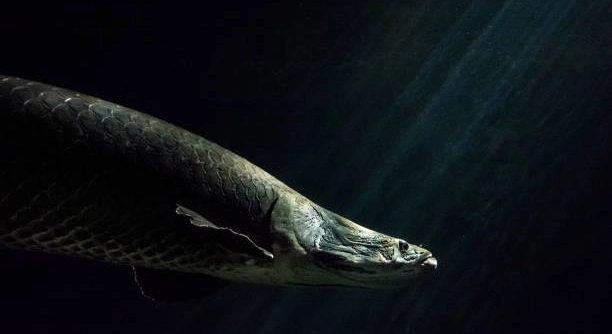
Do you ever notice your arowana gliding gracefully across the tank, following you wherever you move? Many fish owners find themselves amazed by this behavior, wondering why such a large and elegant creature seems so attentive to them.
Arowanas often follow their owners due to recognition and curiosity. They can learn to associate human presence with feeding or interaction, showing a form of attachment and environmental awareness. This behavior reflects both instinct and conditioned response in the fish.
Understanding your arowana’s behavior can improve your bond and care routines. Observing their reactions helps create a more engaging and comfortable tank environment.
Why Arowanas Follow You Around
Arowanas are intelligent and observant fish. They notice movement, light, and changes in their environment. When you walk past the tank or approach with food, your arowana may follow your movements out of curiosity. This behavior is more common in fish that feel safe and comfortable in their surroundings. Over time, they may recognize you specifically as the person who feeds or cares for them. Their tracking movements are a combination of instinctual hunting behavior and learned recognition. Arowanas are predators in nature, and following movement is part of how they assess potential prey or threats. When this behavior appears in captivity, it is often a sign that your fish is alert, healthy, and engaged with its environment. Observing this can be quite rewarding, showing how responsive your arowana is to stimuli. Some fish may even respond to gestures or tank cleaning routines, showing that they are paying attention to more than just feeding times.
This following behavior indicates a level of trust and familiarity between the fish and its caretaker.
Watching your arowana track your movements can enhance your interactions. Simple activities, like walking past the tank slowly or tapping gently on the glass, often trigger them to glide gracefully in your direction. These small moments reveal how much your fish is aware of its surroundings. Some owners notice their arowanas seem to “greet” them at the tank, while others see repeated patterns tied to feeding times. Understanding these patterns helps you predict your fish’s responses and enrich their environment. Tank decorations, hiding spots, and proper water conditions also influence how comfortable they feel while following you. Over time, this interaction can make care routines smoother and more engaging, giving both the fish and owner a stronger connection.
Signs Your Arowana Is Comfortable
Arowanas that follow you show several clear signs of comfort. They swim openly, display vibrant colors, and respond to your movements calmly.
Comfortable arowanas exhibit consistent behavior in their tank. They maintain healthy eating habits and react to new objects without excessive stress. When the fish follows your movements, it often pauses near you, observes, and then resumes swimming around the tank confidently. This indicates both curiosity and security. Environmental stability plays a key role in fostering this behavior. Proper temperature, clean water, and sufficient space allow your arowana to feel safe enough to interact with its surroundings, including noticing you. Over time, repeated positive interactions reinforce this sense of security, making the fish more likely to follow and observe you. Engaging with your arowana by maintaining routine care, gentle movement near the tank, and ensuring a balanced diet strengthens their confidence and comfort. Such behaviors suggest a well-adjusted fish that trusts its environment, demonstrating that following is both a natural and positive sign of wellbeing.
Understanding Arowana Curiosity
Arowanas are naturally curious creatures. Following movement helps them explore their environment. They notice subtle changes, from shadows to hand movements near the tank. This attention is part of their instinctual behavior.
Curiosity in arowanas is a combination of instinct and learning. In the wild, they observe movement to find food or detect danger. In captivity, this behavior shifts toward recognizing caretakers. They may follow you because they associate your presence with feeding, tank maintenance, or simple environmental changes. This pattern shows their ability to learn routines and anticipate events, reflecting both intelligence and adaptability. Over time, repeated observation strengthens this connection, making your arowana more attentive and responsive.
Following behavior also provides mental stimulation. Arowanas that track movement are actively engaging with their surroundings, which keeps them alert and healthy. This interaction reduces boredom and can prevent stress-related behaviors, creating a more balanced and enriched tank environment for the fish.
Feeding and Interaction Patterns
Feeding routines reinforce following behavior. Arowanas quickly learn to associate your presence with food and will often swim toward you in anticipation.
Consistent feeding patterns teach arowanas to recognize caretakers and predict events. When you approach the tank, they may move closer, watch carefully, and even display excitement before food appears. This behavior demonstrates associative learning, showing that the fish connects your presence with a positive outcome. Over time, they can distinguish between different caretakers and respond selectively, indicating memory and recognition skills. Feeding and interaction create a form of social engagement, even in a species that is not naturally social, enhancing their cognitive activity and environmental awareness.
Maintaining predictable feeding times while varying other interactions can improve your arowana’s responsiveness. Simple gestures, like tapping lightly on the glass or moving slowly around the tank, encourage the fish to observe and track without stress. Combining these routines with proper tank care ensures your arowana remains alert, healthy, and comfortable. These patterns also strengthen the bond between caretaker and fish, making daily care both smoother and more engaging for both of you.
Environmental Factors
Tank setup affects arowana behavior. Open swimming space, proper lighting, and clear water make them more likely to follow movements.
Decorations and hiding spots influence comfort levels. A balanced environment encourages curiosity while providing security. Fish in stressful or cluttered tanks may hide instead of following you.
Recognizing Patterns in Movement
Arowanas track repeated actions and gestures. They often respond to consistent movements like walking past the tank, tapping lightly, or hand motions. Over time, they anticipate these actions, showing recognition and memory. Recognizing these patterns helps you understand their behavior better and interact in ways that feel natural to them.
Signs of Stress
Changes in behavior, such as hiding or erratic swimming, indicate stress. Arowanas may avoid following when uncomfortable.
FAQ
Why does my arowana follow me all the time?
Arowanas follow caretakers because they recognize movement and associate it with food or attention. This behavior shows both curiosity and learning. Over time, your fish begins to anticipate your actions, understanding when feeding or tank care is likely to happen.
Is it normal for arowanas to follow people?
Yes, it is normal. Fish that feel safe in their environment often exhibit this behavior. Following is a sign of comfort, alertness, and cognitive engagement. Arowanas that frequently track movements are usually healthy and attentive.
Can following behavior mean the fish is hungry?
Often, yes. Arowanas quickly learn to associate your presence with feeding times. If your fish follows you consistently, it may be signaling anticipation for food, especially during usual meal periods. Maintaining a consistent feeding schedule reinforces this connection.
Does my arowana recognize me specifically?
Arowanas can distinguish familiar caretakers from strangers. They learn patterns associated with specific people, including movement, timing, and approach style. Recognition develops through repeated interactions, allowing the fish to respond selectively based on past experiences.
Will this behavior stop if the tank conditions change?
It might. Changes like water quality, temperature, or decorations can affect your arowana’s comfort level. Stress or uncertainty may reduce following behavior. Maintaining a stable, clean, and spacious environment helps preserve their attentiveness and curiosity.
Is following me a sign of happiness?
Yes, it can indicate contentment. Fish that are comfortable with their environment, feeding, and routine tend to display curiosity and follow caretakers. This behavior reflects both a secure habitat and mental stimulation, showing your arowana is engaged and healthy.
Can this behavior be harmful?
No, following itself is harmless. However, ensure that interactions do not stress the fish. Gentle movements, proper tank care, and avoiding sudden or excessive disturbances help maintain a positive environment.
How can I encourage my arowana to follow me more?
Consistent feeding schedules, gentle movements near the tank, and interactive routines enhance responsiveness. Providing a stimulating environment with open space and visual interest also encourages following while keeping the fish alert and active.
Do other fish behave this way?
Some fish, especially intelligent species, show similar behaviors. Predatory or curious fish are more likely to track movement, while shy or territorial species may avoid interaction. Observing each species’ natural instincts helps explain their actions.
Should I interact differently with arowanas that follow me?
Yes. Avoid sudden gestures and maintain predictable routines. Respect their comfort zones and allow them to approach on their terms. This builds trust and ensures that following behavior remains a positive form of engagement.
Does following mean the fish wants attention?
It can indicate interest or engagement rather than social interaction. Arowanas respond to stimuli, and your presence offers environmental enrichment. They may follow to investigate, anticipate feeding, or monitor activity rather than seeking attention in a human sense.
How do I know if following is due to stress or curiosity?
Observe body language and other behaviors. Calm swimming, vibrant colors, and responsive movements suggest curiosity. Rapid, erratic swimming, hiding, or aggressive displays indicate stress. Monitoring overall behavior alongside following helps differentiate between healthy engagement and discomfort.
Can following be part of training?
Yes. Arowanas can learn to respond to specific cues, like gestures or feeding signals. Training reinforces recognition and improves interactions. Simple, consistent routines help your fish associate certain actions with rewards or predictable outcomes, strengthening the following behavior.
Does tank size affect following behavior?
Yes. Larger tanks allow more exploration, but too much space without visual cues may reduce tracking. A balanced tank with open swimming areas, safe hiding spots, and clear sightlines encourages engagement while providing security.
How long does it take for an arowana to start following?
It varies, but many fish show recognition within a few weeks of consistent interaction. The process depends on individual temperament, feeding routine, and comfort with the tank environment. Patience and consistent care are key to developing this behavior.
Can following behavior change over time?
Yes, it can. Age, health, and environmental changes affect attentiveness. Healthy arowanas may continue following for years, while stress or illness can reduce responsiveness. Monitoring overall well-being ensures that changes in behavior are understood and addressed promptly.
Is it safe to touch or tap the tank to get their attention?
Gentle tapping or hand movements can encourage observation, but excessive disturbance may stress the fish. Minimal, consistent gestures maintain curiosity while ensuring the fish remains comfortable and calm in its environment.
Does following mean the fish is intelligent?
Following behavior is one indicator of cognitive ability. Arowanas demonstrate memory, pattern recognition, and learning through their responses. Observing how they track and anticipate movements reflects mental engagement and environmental awareness.
Can following be a bonding experience?
Yes. While fish do not bond like mammals, consistent interaction builds recognition and trust. Observing patterns, responding to cues, and maintaining positive routines enhance engagement, making care routines more satisfying for both the caretaker and the fish.
How do I prevent stress while encouraging following?
Maintain stable water conditions, provide enough space, avoid sudden movements, and establish predictable routines. Gentle interaction, proper tank enrichment, and attention to health ensure the behavior remains positive and does not induce anxiety or fear in your arowana.
Are there signs my arowana does not want interaction?
Yes. Hiding, rapid swimming, erratic movement, or loss of appetite indicate avoidance. Respecting these signals and adjusting routines preserves comfort, allowing the fish to engage on its terms without stress or discomfort.
Can following behavior indicate health problems?
Usually, following is a sign of normal behavior. However, sudden changes, lethargy, or unusual swimming alongside following may indicate health issues. Regular observation, proper diet, and clean tank conditions support overall wellbeing and prevent complications.
What role does routine play in following behavior?
Routine reinforces recognition and anticipation. Feeding times, tank cleaning, and consistent caretaker presence create patterns your arowana learns. Repetition strengthens attention, making them more likely to track movements predictably while remaining comfortable and alert in the tank.
How can I tell if following is purely curiosity?
Curiosity is shown by calm tracking, careful observation, and gradual approach. The fish investigates without panic, returning to normal swimming patterns afterward. Recognizing these cues helps distinguish between natural engagement and stress-related responses.
Does following behavior vary with age?
Younger arowanas may be more active and responsive, while older fish can show calmer, deliberate tracking. Age affects energy, curiosity, and patterns of interaction, but consistent care maintains engagement throughout their lifespan.
Can following be combined with other enrichment activities?
Yes. Visual stimulation, floating objects, and rearranged decorations alongside gentle human interaction enhance mental activity. Combining environmental and social enrichment keeps your arowana alert, engaged, and healthy, reinforcing following behavior naturally.
What should I avoid while my arowana follows me?
Avoid sudden movements, tapping too hard, or startling the fish. Respect their space and maintain calm interactions. Overstimulation can lead to stress, reducing the positive behavior and potentially affecting overall health.
How do I track changes in following behavior?
Keep notes on feeding times, activity levels, and responses to gestures. Observing patterns over weeks helps identify normal behavior versus changes caused by stress, health issues, or environmental factors. Consistent monitoring supports proactive care and engagement.
Can following behavior help with training feeding routines?
Yes. Associating gestures, signals, or approaching the tank with feeding encourages recognition. Over time, the fish responds predictably, making feeding smoother and reinforcing attentive behavior while providing mental stimulation and environmental enrichment.
Does following behavior affect social interactions with other fish?
It can. Arowanas may focus on caretakers instead of tank mates. Ensuring enough space and monitoring interactions prevents aggression or competition while allowing your fish to maintain healthy engagement with both humans and other inhabitants.
Are some arowanas more likely to follow than others?
Individual temperament, species variations, and past experiences influence responsiveness. While most arowanas show tracking behavior when comfortable, some may be more cautious or independent, displaying selective following based on their personality and environment.
Can following behavior be measured scientifically?
Yes. Researchers track frequency, distance, and response times to stimuli. Observing these patterns provides insight into cognitive abilities, recognition, and learning behaviors in captive fish, offering a structured way to assess engagement and intelligence.
How can I encourage positive interactions without causing stress?
Maintain predictable routines, use gentle gestures, provide a stable environment, and respect the fish’s space. Combining proper care with gradual engagement ensures that following behavior remains a sign of curiosity and comfort, not anxiety or fear.
Is it okay if the fish does not follow every time?
Yes. Variations are normal due to mood, energy, or external factors. Occasional disinterest does not indicate problems. Understanding your arowana’s patterns and respecting natural behavior promotes a healthy, balanced relationship.
What are long-term benefits of following behavior?
Following indicates engagement, mental stimulation, and comfort. Long-term, it allows caretakers to monitor health, enrich the tank environment, and strengthen recognition patterns. Regular observation supports wellbeing, reduces stress, and enhances the overall quality of life for your arowana.
Can environmental enrichment increase following behavior?
Yes. Adding open swimming space, visual cues, and interactive objects encourages exploration. Coupled with gentle human interaction, enrichment stimulates curiosity and reinforces tracking behavior while maintaining a comfortable and engaging environment.
How do I differentiate between curiosity and aggression?
Curiosity shows calm, measured tracking with pauses and observation. Aggression involves sudden lunges, chasing tank mates, or flaring. Monitoring body language and context helps identify whether following is positive engagement or defensive behavior.
Should I change feeding methods to influence following?
Adjusting feeding routines can enhance attentiveness. Consistent placement, timing, and gentle cues make the fish more likely to track movements and anticipate meals. Variety in presentation can stimulate interest without causing stress or overfeeding.
Can following indicate intelligence differences among fish?
Yes. Fish that track consistently and respond to cues show higher recognition and learning capacity. Observing patterns, memory, and problem-solving provides insight into cognitive abilities compared to less responsive fish.
How does water quality impact following behavior?
Poor water quality increases stress, making fish less likely to track or engage. Maintaining clean, well-oxygenated water ensures comfort, promoting attentive, healthy, and consistent following behavior.
Do arowanas follow in response to light or movement more?
Both play a role. Movement triggers instinctual tracking, while lighting affects visibility and comfort. A combination of clear lighting and gentle motion encourages observation and responsive following without causing stress.
Can following be a sign of affection?
While fish do not feel affection like humans, following shows recognition, comfort, and interest in stimuli. It indicates trust in the environment and anticipation of positive interactions rather than emotional attachment in a human sense.
How can I maintain healthy following behavior long-term?
Consistent care, clean water, proper feeding, and gentle interaction maintain engagement. Balancing enrichment, routine, and comfort ensures your arowana remains alert, curious, and responsive throughout its life.
Does the presence of other fish affect following behavior?
Yes. Other fish can distract or compete for attention. Ensuring enough space and minimizing stress helps your arowana focus on interactions with you while maintaining social balance within the tank.
What should I do if following decreases suddenly?
Check water quality, feeding habits, tank conditions, and health. Sudden changes may indicate stress or illness. Observing the fish closely and addressing any issues ensures comfort and restores normal tracking behavior.
Can following behavior be used to monitor health?
Yes. Consistent tracking indicates alertness, cognitive engagement, and comfort. Deviations in this behavior can signal stress, illness, or environmental problems, making it a useful observational tool for caretakers.
Does following indicate the fish is active and healthy?
Generally, yes. Active tracking shows energy, curiosity, and mental stimulation. Healthy arowanas often display this behavior, indicating that their environment and care routines support physical and cognitive wellbeing.
Are there risks in encouraging following behavior too much?
Excessive interaction or overstimulation can cause stress. It is important to balance engagement with rest and maintain a comfortable, stable environment to keep the behavior positive and beneficial.
How do I know if following is just habit or genuine interest?
Habitual following is tied to routine and predictable events. Genuine interest involves attentive observation, pausing, and investigating movements. Watching body language and responses over time helps distinguish between the two.
Can following behavior improve over time?
Yes. With consistent care, proper feeding, gentle interaction, and a comfortable environment, following becomes more pronounced and reliable, reflecting recognition, curiosity, and mental engagement.
How does tank location affect following?
A tank in a high-traffic area or near consistent activity encourages tracking. Quiet or isolated locations may reduce responsiveness. Observing patterns in different spots helps optimize engagement without causing stress.
Is following more common in certain arowana species?
Yes. Some species are naturally more attentive and curious, showing tracking behavior more frequently. Individual temperament, age, and environment also influence responsiveness, regardless of species.
Can following indicate mood changes?
Yes. Calm, attentive following shows comfort. Rapid, erratic tracking may reflect agitation. Observing these cues alongside other behaviors provides insight into your fish’s emotional state and environmental needs.
Does feeding type influence following behavior?
Live or moving foods may trigger stronger tracking due to natural hunting instincts. Dry or floating foods also reinforce recognition but may be less stimulating. A mix ensures engagement without overstressing the fish.
How do I safely interact while my arowana follows?
Move slowly, avoid tapping aggressively, and maintain predictable routines. Allow the fish to approach rather than forcing interaction, ensuring following remains a positive, stress-free behavior.
Can following behavior decline with illness?
Yes. Illness or discomfort often reduces curiosity and tracking. Monitoring behavior alongside health indicators helps detect problems early and allows prompt intervention to restore normal engagement.
Does following indicate the fish is learning?
Yes. Tracking movements, recognizing patterns, and anticipating routines show learning and memory. Repeated positive experiences reinforce these skills, making your arowana more responsive over time.
Are there environmental tricks to encourage following?
Clear sightlines, open swimming areas, and gentle lighting encourage observation. Combining environmental optimization with consistent human interaction enhances engagement and reinforces following behavior naturally.
Can following behavior become a routine for the fish?
Yes. With consistent cues and positive reinforcement, arowanas incorporate following into their daily behavior, anticipating actions and routines while remaining comfortable and stimulated.
How do I know if following is natural or learned?
Natural tracking stems from instinctual curiosity, while learned behavior links to feeding, interaction, and routine. Observing the context and consistency of responses helps differentiate instinct from conditioning.
Is following a sign of a strong bond with the caretaker?
It reflects recognition and comfort, which can resemble a bond. While not emotional attachment, consistent interaction and trust create a predictable, positive relationship between fish and caretaker.
Can following behavior be improved through gentle training?
Yes. Using visual cues, consistent feeding signals, and predictable routines reinforces recognition and responsiveness, strengthening tracking behavior without stress.
What role does lighting play in following behavior?
Proper lighting ensures visibility and comfort. Bright or flickering lights may cause stress, while consistent, clear illumination encourages observation and attentive tracking of movement near the tank.
Does following behavior indicate social skills?
Not in a human sense, but it reflects environmental awareness, pattern recognition, and learning. These skills help the fish interact safely with its surroundings and respond to stimuli effectively.
Are there seasonal changes in following behavior?
Environmental factors like temperature fluctuations or light changes can subtly influence energy and responsiveness. Consistent care mitigates seasonal effects, keeping behavior stable throughout the year.
Can diet influence responsiveness to following?
Yes. Nutritionally balanced diets support energy levels and alertness. A well-fed fish is more likely to engage and track movements, while poor nutrition can reduce curiosity and attentiveness.
Does tank size limit following behavior?
Extremely large or cluttered tanks may reduce tracking frequency. Balanced space with open areas allows observation and movement, supporting natural following behavior while preventing stress or hiding tendencies.
Is it normal for following to vary day-to-day?
Yes. Energy levels, mood, feeding schedules, and external stimuli affect daily responsiveness. Occasional variation is normal and does not indicate a problem if the fish remains healthy overall.
How can I maintain engagement over time?
Consistent care, gentle interaction, environmental enrichment, and routine monitoring ensure the fish remains alert, curious, and responsive, reinforcing healthy following behavior throughout its life.
Can following help with tank maintenance?
Yes. Observing how your arowana responds during cleaning or rearranging objects can indicate comfort levels, stress, and attentiveness, allowing adjustments to improve both fish welfare and maintenance routines.
Does following behavior indicate intelligence differences among individuals?
Yes. Fish that track consistently, anticipate actions, and respond selectively demonstrate stronger learning and memory skills compared to less attentive individuals.
How important is tank stability for following behavior?
Highly important. Stable water conditions, temperature, and environment support comfort and curiosity. Frequent changes can stress the fish, reducing tracking and engagement.
Are there signs of over-stimulation from following?
Rapid, repetitive swimming, darting, or flaring may indicate too much stimulation. Reducing external stimuli and allowing the fish space restores calm and prevents stress-related issues.
Can following behavior indicate readiness for feeding?
Yes. Anticipatory swimming and attentive tracking often precede meals. Recognizing these signals helps maintain consistent feeding routines and ensures the fish receives proper nutrition without overfeeding.
Does following behavior depend on individual personality?
Absolutely. Some arowanas are naturally curious and attentive, while others are cautious or independent. Personality affects frequency, intensity, and responsiveness of following behavior.
Can following be used to monitor environmental comfort?
Yes. Consistent tracking shows comfort, while avoidance or stress indicates environmental issues. Observing these behaviors guides adjustments to improve habitat and fish welfare.
Does tank decoration impact following behavior?
Yes. Excessive clutter can limit visibility and confidence. Balanced decoration with open swimming space encourages observation and tracking while providing security.
Can following be influenced by caretaker movements?
Yes. Slow, predictable movements encourage attention, while sudden gestures may cause stress. Adjusting how you approach the tank optimizes engagement without causing anxiety.
Does following indicate interest in activity rather than people?
Often, yes. Fish respond to stimuli rather than social attachment. Following reflects curiosity and recognition of patterns, not emotional interest in humans.
How do I safely encourage interaction during feeding?
Use consistent cues, maintain calm gestures, and avoid sudden movements. This ensures the fish associates your presence with positive
Final Thoughts
Arowanas are fascinating fish, and their tendency to follow movements around the tank is a behavior that reflects both curiosity and learning. This tracking is often linked to recognition of caretakers and anticipation of feeding. It shows that the fish is alert and engaged with its environment. Observing this behavior can give a lot of insight into the comfort and wellbeing of your fish. When an arowana follows consistently, it usually means it feels secure and familiar with its surroundings. Over time, this behavior can become part of its daily routine, showing that the fish has adapted to the tank and the caretaker’s presence. Watching how your arowana moves and responds can also provide cues about its personality, preferences, and energy levels. Each fish may show slightly different patterns, so taking note of these subtleties helps in understanding them better.
Following behavior also highlights the importance of a stable and well-maintained environment. Proper tank setup, including water quality, temperature, and space, plays a significant role in encouraging healthy and calm behavior. Arowanas that are stressed or uncomfortable are less likely to engage in tracking or responsive behavior. On the other hand, a tank with clean water, proper filtration, and enough swimming space allows them to move confidently and observe their surroundings. Decorations and hiding spots also contribute to a sense of security, giving the fish areas to retreat if needed. When these factors are balanced, the fish is more likely to show natural behavior, including following movements around the room. This combination of a safe environment and consistent interaction supports both physical health and mental stimulation. Over time, maintaining this balance can strengthen your observation skills and help you notice even subtle changes in behavior that may signal stress or health issues.
Finally, following behavior reflects the bond between observation, routine, and care. While arowanas do not show affection like mammals, they respond to consistency, gentle movements, and predictable feeding times. Their attention and tracking demonstrate recognition and comfort with their caretaker, which can make tank care more rewarding and interactive. Encouraging this behavior through careful, consistent interaction supports mental stimulation and wellbeing. Simple gestures, like moving slowly near the tank, providing visual cues, and keeping feeding routines regular, help reinforce positive engagement. Observing an arowana follow around the room is a reminder that fish are intelligent, aware, and capable of learning patterns. Over time, this behavior can enhance your understanding of their needs and create a more dynamic, comfortable environment. Paying attention to these actions ensures that your fish remains healthy, alert, and engaged, making the care experience both enjoyable and informative.

Hello,
If you enjoy the content that we create, please consider saying a "Thank You!" by leaving a tip.
Every little bit helps us continue crafting quality advice that supports the health, happiness, and well-being of pets around the world, for pets of all shapes, sizes, and species.
We really appreciate the kindness and support that you show us!