
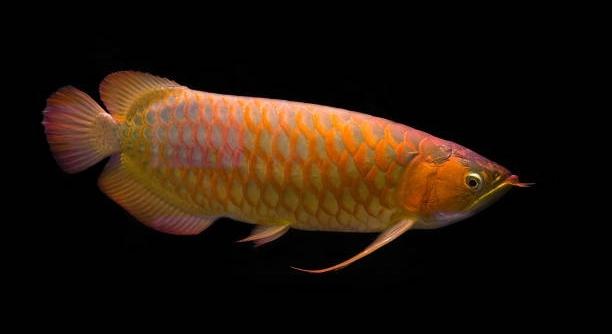
Do you enjoy watching your arowana swim gracefully in its tank but notice it seems eager for more food than usual? Overfeeding can feel harmless at first, yet it can quickly affect your fish’s health and tank environment.
Overfeeding an arowana can lead to obesity, digestive issues, poor water quality, and increased susceptibility to diseases. Excess food decomposes, raising ammonia levels, while the fish’s metabolism becomes strained, resulting in long-term health complications if unchecked.
Understanding the consequences of overfeeding is essential for keeping your arowana healthy. This article will guide you through the risks and practical ways to maintain proper feeding habits.
Signs Your Arowana Is Overfed
Overfeeding an arowana can often be noticed through its behavior and physical appearance. A fish that is consistently begging for food, showing bloating, or swimming sluggishly may be receiving more than it needs. Uneaten food left in the tank can cloud the water and encourage algae growth, which further affects the environment. Monitoring your fish daily helps you spot early signs of overfeeding. Other symptoms include distended stomachs, swollen bellies, and pale coloration. Sometimes, overfed arowanas develop constipation or swim awkwardly, making them vulnerable to injuries. Paying attention to these subtle cues ensures your fish remains healthy and the tank stays clean. Adjusting portion sizes and feeding frequency based on the fish’s age, size, and activity level is critical. Observing how much your arowana consumes in a few minutes can prevent overfeeding. Consistency and careful monitoring are key to maintaining a stable, healthy tank environment for your arowana.
Regular observation and small adjustments in feeding can prevent these issues from becoming severe.
Maintaining proper feeding routines requires measuring portions and feeding at set intervals. Using a scale or measuring spoon helps control the amount, while feeding smaller portions multiple times a day is better than one large meal. Overfeeding not only affects the fish’s health but also water quality, creating a stressful environment. High ammonia levels from decomposing food can damage gills and promote disease. Rotating food types can help digestion and provide balanced nutrition. Watching your arowana’s behavior and adjusting as needed will keep it active, healthy, and vibrant.
Health Risks of Overfeeding
Overfeeding can significantly impact an arowana’s health in various ways.
Excessive food intake can lead to liver problems, digestive blockages, and weakened immune systems, making the fish prone to infections.
Obesity in arowanas is a serious concern caused by constant overfeeding. The accumulation of fat in the body can restrict movement, increase stress on internal organs, and lower overall lifespan. Digestive issues, such as constipation or bloating, may prevent proper nutrient absorption, affecting growth and energy levels. Poor water quality from leftover food accelerates ammonia buildup, leading to gill irritation and susceptibility to bacterial and fungal infections. Overfed fish are also more likely to develop swim bladder disorders, impacting balance and mobility. Careful feeding management, including portion control and observation, reduces these risks. Choosing high-quality food that is appropriate for the arowana’s size and species helps prevent nutritional imbalances. Maintaining a regular tank cleaning schedule alongside controlled feeding ensures a healthier environment, supporting the fish’s natural behavior and longevity. Consistent attention to diet and habitat keeps your arowana strong, active, and thriving over time.
Preventing Overfeeding
Controlling portion sizes and feeding schedules is essential to prevent overfeeding your arowana. Observing how much your fish eats in a few minutes helps determine the right amount.
Measuring food before each feeding ensures your arowana receives the proper quantity. Feeding smaller amounts multiple times a day is more effective than one large meal, as it prevents bloating and digestive issues. Rotating food types and sticking to a consistent feeding schedule helps maintain balanced nutrition. Overfeeding not only harms the fish’s health but also affects water quality, so careful monitoring is necessary. Keeping a feeding log can help track changes in appetite or weight.
Adjusting feeding amounts gradually based on your arowana’s activity and growth is crucial. Younger or more active fish may require slightly more food, while older or less active fish need less. Watching for leftover food is important, as it can indicate you are giving too much. A clean, well-maintained tank supports proper digestion and reduces the risk of diseases. Consistency, observation, and moderation are key to preventing health problems linked to overfeeding.
Maintaining a Healthy Tank Environment
A clean tank is vital for your arowana’s health, especially if overfeeding has occurred. Removing uneaten food and debris prevents water contamination.
Regular water changes, filtration checks, and monitoring ammonia, nitrite, and nitrate levels are essential for a stable environment. Overfeeding can accelerate waste buildup, causing cloudy water and unhealthy conditions. Proper tank maintenance, combined with controlled feeding, reduces stress and supports natural behavior. Using a siphon to remove leftover food and performing partial water changes weekly helps maintain ideal water parameters. Aeration ensures sufficient oxygen levels, keeping the fish active and healthy.
Tank decoration and layout also impact water quality and fish behavior. Avoid overcrowding the tank, as it increases waste and stress levels. Providing hiding spots and open swimming areas encourages natural activity. Regularly clean filters without removing beneficial bacteria, and monitor water temperature consistently to match your arowana’s needs. Observing fish behavior alongside water quality gives insights into tank health. A well-maintained environment, paired with proper feeding, ensures your arowana remains vibrant, active, and resilient against illness.
Adjusting Feeding Habits
Feeding your arowana smaller amounts more frequently helps prevent overfeeding. Observing how much it eats within a few minutes ensures you only provide what it can consume.
Consistency in feeding times allows your fish to develop a stable appetite and supports digestion. Avoid sudden increases in portion size, even if the fish appears hungry.
Choosing the Right Food
Providing high-quality, species-appropriate food is essential for your arowana’s health. Pellets, live food, and occasional frozen options offer balanced nutrition. Avoid over-reliance on one type, as this can lead to deficiencies or digestive issues over time.
Monitoring Your Arowana
Keeping a close eye on your fish’s behavior, appetite, and appearance is key. Changes in swimming patterns, bloating, or lethargy often indicate feeding problems or health concerns.
FAQ
How often should I feed my arowana?
Adult arowanas typically do well with one to two feedings per day, while juveniles may require two to three smaller feedings. It is important to feed only the amount your fish can finish within a few minutes. Overfeeding even once a day can lead to digestive issues and poor water quality. Observing how your arowana responds to feeding and adjusting accordingly will help maintain both its health and the tank environment. Consistency in feeding times supports normal metabolism and reduces stress.
What happens if my arowana eats too much?
Overeating can cause bloating, constipation, swim bladder issues, and obesity. Excess food that sinks to the bottom decomposes, raising ammonia and nitrate levels, which can irritate gills and promote bacterial infections. Overfed arowanas may also become less active, showing sluggish swimming patterns. Long-term overfeeding strains internal organs, weakening immunity and reducing lifespan. Monitoring food intake and removing leftovers immediately helps prevent these problems. Proper portion control and observing appetite are critical for maintaining a healthy arowana.
Can overfeeding affect water quality?
Yes. Uneaten food quickly decomposes, producing ammonia and nitrates that disrupt the tank’s balance. High waste levels cloud the water and create an environment favorable to algae growth and harmful bacteria. Regular water testing, partial water changes, and filtration maintenance are essential when feeding. Controlling portions prevents excess waste and reduces the risk of spikes in toxic compounds, ensuring the tank remains safe for the fish. Maintaining water quality directly supports your arowana’s health and longevity.
Is live food better than pellets?
Live food can be more engaging for your arowana and mimic natural feeding behavior. However, it is riskier because it may introduce parasites or diseases. High-quality pellets provide balanced nutrition and are safer for daily feeding. A mix of both can be used occasionally, but relying solely on live food may increase the risk of overfeeding and water contamination. Moderation and variety are key to maintaining both nutrition and tank cleanliness.
How do I know if my arowana is constipated?
Signs of constipation include bloating, decreased appetite, lethargy, and stringy or unusual feces. Overfeeding or a diet lacking fiber often causes it. Feeding occasional vegetables like peas (shelled and softened) or adjusting portion sizes can help relieve constipation. Observing regular bowel movements and monitoring appetite ensures your arowana remains healthy.
Can fasting help prevent overfeeding?
Yes. Skipping one feeding per week can improve digestion and prevent bloating. Fasting also allows your arowana’s digestive system to process food fully, reducing the risk of waste buildup in the tank. This practice should be combined with measured portions during regular feedings to maintain a balanced diet.
What is the best portion size for an arowana?
A portion should be roughly the size of the fish’s eye or slightly larger, depending on its age and activity. Juveniles need slightly larger portions relative to their body size than adults. Feeding slowly and observing how much is eaten within five minutes ensures the portion is appropriate and prevents overfeeding.
How does overfeeding affect behavior?
Overfed arowanas may appear sluggish, swim less actively, or spend more time near the surface. Hunger-driven aggression may decrease temporarily, but long-term overfeeding can reduce natural hunting instincts. A balanced feeding routine maintains activity levels, promotes healthy behavior, and supports natural movement patterns.
Can tankmates influence overfeeding?
Yes. Arowanas may compete with other fish for food, leading to accidental overfeeding if more food is provided to satisfy all inhabitants. Separate feeding or careful portioning ensures each fish receives the right amount without overloading the tank. Monitoring interactions during feeding prevents stress and overeating.
How can I safely adjust my arowana’s diet?
Reduce portion size gradually rather than cutting food abruptly to avoid stress or malnutrition. Observe changes in appetite, activity, and stool. Introduce a mix of pellets, frozen, and live foods in moderation. Adjusting feeding schedules and maintaining a clean tank will ensure the transition is safe and supports overall health.
Final Thoughts
Overfeeding an arowana may seem harmless, especially when the fish eagerly accepts every bite, but it can have serious consequences for both the fish and its environment. Excess food leads to digestive problems, bloating, and obesity, which can weaken the fish’s immune system over time. Arowanas may appear healthy at first, but repeated overfeeding can shorten their lifespan and make them more susceptible to disease. Observing the fish carefully and adjusting feeding habits is crucial to preventing these issues. It is better to feed smaller amounts consistently than to give large meals, even if the fish seems hungry. Consistency and moderation are key to keeping your arowana active, strong, and thriving in its tank.
Maintaining a proper feeding schedule is only one part of the equation. Tank conditions play an equally important role in supporting your arowana’s health. Uneaten food and excess waste can quickly degrade water quality, raising ammonia and nitrate levels that are harmful to fish. Regular water changes, proper filtration, and monitoring of water parameters are necessary to keep the environment stable. Overfed fish are more likely to produce excess waste, which stresses filtration systems and creates unhealthy living conditions. Combining careful feeding with consistent tank maintenance helps ensure your arowana remains vibrant and energetic. Observing your fish’s behavior and appetite can give early warning signs of overfeeding or other health concerns, allowing you to take action before problems become severe.
A balanced diet, portion control, and attention to water quality are the foundation of responsible arowana care. Offering a variety of food types in the right amounts promotes digestion and overall health. Overfeeding may be tempting, especially when the fish seems eager or when live food is available, but restraint is necessary for long-term well-being. Adjusting feeding amounts based on age, size, and activity level, while monitoring leftovers, supports a healthy metabolism and prevents obesity. Healthy fish are more active, display natural swimming behaviors, and have stronger immunity. By taking simple steps such as measuring food, observing eating habits, and maintaining a clean tank, you can prevent common health problems caused by overfeeding. Attention to these details ensures your arowana lives a long, healthy life while you enjoy watching it flourish in a well-maintained environment.

Hello,
If you enjoy the content that we create, please consider saying a "Thank You!" by leaving a tip.
Every little bit helps us continue crafting quality advice that supports the health, happiness, and well-being of pets around the world, for pets of all shapes, sizes, and species.
We really appreciate the kindness and support that you show us!