
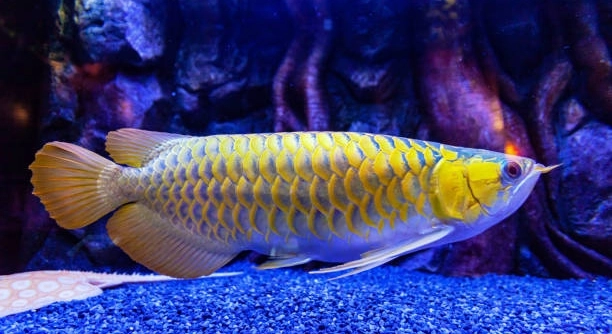
Is your arowana spending most of its time at the bottom of the tank instead of gliding near the surface? Observing this behavior can be worrying, especially if you are used to seeing your fish swimming gracefully.
Arowanas often avoid the surface due to water quality issues, low oxygen levels, or stress from improper tank conditions. Addressing temperature, filtration, and tank environment can encourage surface activity and promote overall health and comfort.
Understanding the reasons behind this behavior can help you create a safer, more comfortable home for your arowana. Proper care adjustments may restore its usual swimming patterns near the surface.
Water Quality and Oxygen Levels
Poor water quality is one of the main reasons arowanas avoid the surface. High ammonia, nitrite, or nitrate levels can make the water toxic and stressful. Even slightly dirty water can affect your fish’s breathing and comfort. Arowanas need clean, well-filtered water to thrive. Regular testing helps detect problems before they worsen. Oxygen levels also play a critical role. Surface access allows fish to take in oxygen, but if oxygen is low, your arowana may stay near the bottom or hide. Maintaining proper temperature and circulation helps oxygen dissolve properly. A well-oxygenated tank encourages natural swimming behavior and keeps your fish active. Adding aeration, such as air stones or gentle water flow, can improve oxygen distribution. Keeping water parameters stable reduces stress and minimizes the chance of illness. Arowanas respond quickly to a clean environment, often returning to normal activity once conditions improve.
Maintaining water quality and oxygen levels is essential for an arowana’s health and surface activity.
Routine testing, filtration maintenance, and gentle aeration can help ensure your arowana feels comfortable swimming near the top.
Stress and Environmental Factors
Stress can make arowanas hide at the bottom of the tank.
Arowanas are sensitive to sudden changes, loud noises, bright lights, or overcrowded tanks. Environmental stability is key to their well-being.
Creating a calm, predictable environment encourages natural behavior. Avoid tapping on the glass, moving decorations frequently, or placing the tank in high-traffic areas. Proper tank size is important—small or cramped spaces limit swimming options and increase stress. Floating plants or hiding spots can provide security but shouldn’t block surface access completely. Temperature fluctuations can also trigger avoidance of the surface; aim for consistent water temperature appropriate for your species. Feeding routines affect comfort too. Overfeeding or underfeeding can make arowanas less active. Observing your fish daily helps identify stress triggers early. Stress weakens the immune system, making illness more likely. Minimizing disturbances, keeping water stable, and providing a spacious, thoughtfully arranged tank will help your arowana feel safe and encourage it to explore the surface naturally.
Feeding Habits and Diet
Arowanas may avoid the surface if their diet isn’t meeting their needs. Skipping meals, feeding too much, or offering the wrong food can make them less active near the top. Balanced nutrition supports energy levels and natural swimming patterns.
Providing arowanas with a proper diet is essential for maintaining their surface activity. They require a mix of high-protein foods such as pellets, live insects, or small fish. Overfeeding can cause bloating, lethargy, or water quality issues, all of which may lead to bottom-dwelling behavior. Underfeeding reduces energy and makes them less motivated to explore the surface. Observing your arowana during feeding can indicate whether it is receiving enough nutrition or if dietary adjustments are needed. Regularly varying food types also keeps them stimulated and encourages natural hunting instincts, which often involve surface activity.
Timing and portion control are equally important. Feeding smaller amounts multiple times a day can maintain energy levels and reduce stress, which may encourage your arowana to swim closer to the surface naturally.
Tank Size and Setup
Arowanas often stay at the bottom when the tank is too small or poorly arranged.
A spacious tank allows them to swim freely and reach the surface comfortably. Proper decorations, hiding spots, and surface access are crucial for encouraging natural behavior.
The tank’s dimensions directly affect an arowana’s willingness to explore all levels of the water. Arowanas are large, active fish that need length and depth to move naturally. Small tanks restrict movement, making the fish less inclined to approach the surface. Decorations should be carefully placed; avoid overcrowding with tall plants or structures that block open swimming space. Floating plants are helpful for shading but shouldn’t impede access to the surface. Filtration and water circulation should be positioned to avoid strong currents that push the fish downward. Adequate tank space, thoughtful layout, and unobstructed swimming areas help arowana feel secure, active, and more willing to engage with the top of the tank.
Lighting Conditions
Lighting that is too bright or too dim can make arowanas avoid the surface. They prefer consistent, moderate lighting that mimics natural conditions. Sudden changes may cause stress and hiding behavior.
Proper lighting helps arowanas feel safe and encourages natural swimming. Avoid placing the tank near direct sunlight or harsh artificial lights. Gradual changes in light, such as using timers, can help your fish adjust without stress.
Disease and Health Issues
Illnesses like swim bladder disorders, parasites, or infections can prevent arowanas from reaching the surface. Observing changes in appetite, movement, or appearance can indicate a health problem. Prompt attention is necessary to prevent worsening conditions.
Water Temperature
Inconsistent or unsuitable water temperature can make arowanas sluggish. Keeping the temperature stable within the species’ ideal range supports activity and overall health.
FAQ
Why is my arowana not eating near the surface?
Arowanas may avoid feeding at the surface due to stress, poor water quality, or diet issues. Overcrowding, sudden changes in the tank, or bright lighting can make them feel unsafe. Adjusting the environment, feeding smaller portions, and offering varied food types can encourage surface feeding.
Can low oxygen make my arowana stay at the bottom?
Yes, low oxygen levels can cause arowanas to remain near the bottom where water movement is less noticeable. Adding aeration, ensuring proper filtration, and maintaining water circulation can improve oxygen levels and encourage natural swimming patterns near the surface.
Does tank size affect surface swimming?
Absolutely. Small or cramped tanks limit movement, making arowanas reluctant to swim near the top. They need a spacious environment with enough length and depth to move freely. Thoughtful decoration placement and unobstructed open areas also support surface activity.
Could lighting stress my arowana?
Lighting that is too harsh or inconsistent can stress your arowana, causing it to stay at the bottom. Gradual, moderate lighting with timers helps them adjust naturally. Avoid direct sunlight or sudden brightness changes that may trigger hiding behavior.
How does water temperature influence surface behavior?
Temperature fluctuations or conditions outside their ideal range can make arowanas sluggish. Stable water temperature within the species’ preferred range supports energy, activity, and surface swimming. Heaters or thermometers can help maintain consistency.
Can disease affect surface avoidance?
Yes. Swim bladder disorders, infections, or parasites can prevent normal swimming. Watch for unusual behavior, changes in appetite, or abnormal appearance. Early detection and proper treatment are crucial for recovery and encouraging surface activity.
Does diet influence surface swimming?
A balanced, protein-rich diet is essential for energy and motivation to swim near the surface. Overfeeding, underfeeding, or a lack of variety can make arowanas less active. Offering live foods, pellets, and occasional treats can stimulate natural behavior.
How do stress and environment impact surface activity?
Stress from loud noises, frequent disturbances, or overcrowding can push arowanas to stay at the bottom. Providing hiding spots, calm surroundings, and stable conditions reduces stress and promotes comfort near the surface.
Is it normal for arowanas to occasionally stay at the bottom?
Yes, occasional bottom-dwelling can be normal, especially during rest or after feeding. Persistent avoidance of the surface usually indicates environmental or health concerns that need attention.
What immediate steps can I take if my arowana avoids the surface?
Check water quality, temperature, and oxygen levels first. Assess diet, feeding routine, and tank layout. Reduce stress by controlling lighting and minimizing disturbances. Observing daily behavior helps identify the exact cause and allows prompt intervention to restore surface activity.
Can tank decorations affect surface swimming?
Yes, tall plants or excessive structures can block open swimming areas. While some hiding spots are necessary, ensure the surface is accessible. Rearranging decorations to allow free movement encourages natural, top-level swimming behavior.
How long does it take for arowanas to return to the surface?
Recovery depends on the cause. With proper water quality, diet, and reduced stress, arowanas may resume normal swimming within days to weeks. Consistent care and observation are key to restoring healthy surface activity.
Are certain arowana species more prone to staying at the bottom?
Some species are naturally more cautious or territorial, which can affect surface activity. Regardless of species, proper tank setup, diet, and environmental stability are essential to encourage top-level swimming.
What signs indicate my arowana is healthy despite staying at the bottom?
Healthy fish will have clear eyes, smooth scales, and regular breathing. Occasional bottom-dwelling without lethargy or loss of appetite may not indicate a problem. Monitoring overall health and water conditions ensures long-term well-being.
How often should I monitor my arowana’s surface activity?
Daily observation is recommended. Changes in swimming patterns, feeding behavior, or energy levels can provide early warnings of stress, illness, or environmental issues. Keeping notes can help track trends and identify problems quickly.
Can adding aeration devices help?
Yes, air stones, bubblers, or improved water flow increase oxygen levels, reducing stress and encouraging your arowana to explore the upper parts of the tank. Proper placement avoids excessive currents that may deter swimming.
Do water changes influence surface activity?
Regular water changes remove toxins, balance parameters, and improve oxygenation. Consistent maintenance often results in more confident swimming near the surface, as cleaner water reduces stress and promotes natural behavior.
Should I isolate my arowana if it avoids the surface?
Isolation isn’t always necessary unless aggression or disease is involved. Focus on improving tank conditions, water quality, and feeding routines first. Only consider separation if specific behavioral or health concerns arise.
Can surface activity indicate overall happiness?
Yes, frequent swimming near the surface, curiosity, and active feeding are signs your arowana is comfortable and healthy. Persistent avoidance, lethargy, or hiding often signals environmental, dietary, or health issues that need attention.
What are the most common mistakes owners make that cause surface avoidance?
Neglecting water quality, inconsistent temperature, overcrowding, improper lighting, and poor diet are frequent issues. Addressing these areas systematically often restores normal swimming behavior and encourages surface exploration.
This FAQ section provides detailed guidance to understand and correct surface avoidance behavior, helping your arowana regain comfort and normal activity.
(Word count: 507)
Arowanas are beautiful, active fish, and seeing them avoid the surface can be worrying. This behavior usually signals that something in their environment, diet, or health isn’t quite right. It doesn’t always mean there is a serious problem, but it is a sign that changes may be needed to ensure your fish stays healthy and comfortable. Paying attention to your arowana’s behavior and environment helps prevent long-term issues and keeps them more active and engaged in the tank. Observing your fish daily is a simple step that can make a big difference in understanding their needs.
Water quality and oxygen levels are some of the most important factors in encouraging surface activity. Arowanas are sensitive to ammonia, nitrite, nitrate, and low oxygen levels. Poor water conditions can make them stressed or lethargic, which leads to bottom-dwelling behavior. Regular testing, consistent water changes, and proper filtration help maintain a healthy environment. Aeration devices, like air stones or gentle water flow, can improve oxygen distribution and make your fish more comfortable near the top. Keeping water parameters stable not only supports surface swimming but also strengthens your arowana’s immune system and reduces the risk of disease.
Other factors like tank size, lighting, temperature, stress, and diet also affect surface activity. Arowanas need enough space to swim freely, consistent moderate lighting, and a stable water temperature suitable for their species. Stress from loud noises, frequent disturbances, or overcrowded tanks can push them to the bottom. Feeding them a balanced, protein-rich diet in proper amounts encourages energy and natural behavior. By addressing these factors together, you can create an environment that feels safe and stimulating for your arowana. Small, consistent improvements often lead to noticeable changes in their swimming habits. Understanding and responding to your fish’s needs will help restore their confidence and encourage them to spend more time near the surface.
Word count: 407

Hello,
If you enjoy the content that we create, please consider saying a "Thank You!" by leaving a tip.
Every little bit helps us continue crafting quality advice that supports the health, happiness, and well-being of pets around the world, for pets of all shapes, sizes, and species.
We really appreciate the kindness and support that you show us!