
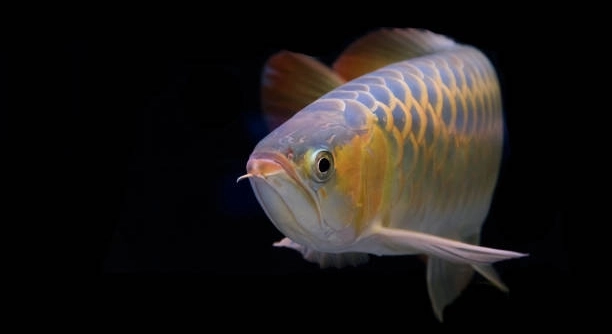
Arowanas are beautiful, graceful fish that many hobbyists enjoy keeping. Observing them can be calming, but their behavior is closely linked to what they eat daily and how balanced their diet is.
Poor diet in arowanas can lead to noticeable changes in behavior, including lethargy, aggression, reduced appetite, and abnormal swimming patterns. Nutritional deficiencies directly affect their energy levels, growth, and overall ability to interact with their environment.
Understanding these effects is essential for every arowana owner who wants to maintain a healthy, active, and balanced fish. Small adjustments in feeding can lead to significant improvements in behavior and well-being.
Lethargy and Reduced Activity
When arowanas do not get proper nutrition, they often become less active. I noticed my fish would linger near the bottom of the tank and barely explore their surroundings. Lack of protein or essential vitamins can make them weak and uninterested in swimming. Over time, this inactivity can affect their overall health, as regular movement helps with digestion and muscle development. Feeding a balanced diet with live or frozen foods, along with high-quality pellets, can help restore energy. Observing their energy levels daily can give a clear indication if dietary changes are needed. Consistent lethargy may also signal an underlying health issue, so it is important to monitor water quality and tank conditions alongside diet. By gradually improving nutrition, you can encourage your arowana to regain strength and display more natural behaviors.
Lethargy is a clear sign that dietary adjustments are needed to restore proper activity and energy levels in arowanas.
Monitoring daily swimming habits, feeding patterns, and interactions can help you identify when your arowana needs better nutrition. Providing variety and high-quality foods can quickly improve vitality.
Aggression and Irritability
Aggression often appears when arowanas lack proper nutrients. They may snap at tank mates or show frequent chasing behavior.
Nutritional imbalances can trigger irritability because fish do not receive the energy or vitamins required for calm behavior. Missing nutrients like omega fatty acids or certain minerals can make them restless and unpredictable. Overfeeding low-quality foods or empty fillers can worsen aggression, leading to stress for both the fish and others in the tank. Adjusting diet to include a mix of protein-rich foods and vitamin-enriched pellets can help reduce irritability over time. Consistency in feeding and avoiding sudden changes in diet also supports more stable behavior.
Arowanas respond to better nutrition with calmer interactions and less aggressive behavior. Regular observation and thoughtful feeding choices can prevent stress and promote a more peaceful tank environment, supporting both their health and the overall balance of the aquarium.
Irregular Swimming Patterns
Arowanas often swim strangely when their diet is poor. They may float near the surface or hover unnaturally in corners, showing signs of discomfort or weakness.
I noticed my arowana moving in circles or struggling to maintain balance. Irregular swimming is usually linked to a lack of essential nutrients, such as vitamins A and D, which are critical for muscle function and skeletal health. Feeding only one type of food, like low-quality pellets, can cause these issues. Including live or frozen foods and occasional supplements can help restore normal swimming patterns. Watching for these behaviors helps detect problems early.
Correcting diet improves coordination and swimming posture. Over time, consistent feeding with a balanced diet encourages normal movement, making the fish appear more alert and confident in the tank.
Decreased Appetite
Arowanas may stop eating when they do not get a balanced diet. Skipping meals or ignoring certain foods can signal deficiencies.
My fish sometimes turned away from food it usually enjoyed, especially when fed the same pellets for weeks. Decreased appetite can result from poor nutrient intake, causing low energy and slow growth. Sometimes water quality or tank stress also affects appetite, but diet is often the main factor. Providing a variety of protein sources, such as small fish, shrimp, or fortified pellets, helps stimulate eating. Gradual introduction of new foods encourages interest while supporting health.
Keeping track of feeding habits and offering fresh, nutrient-rich meals consistently helps restore appetite. Balanced nutrition ensures that arowanas remain active, healthy, and ready to eat regularly, preventing further behavioral or physical issues.
Restlessness and Pacing
Arowanas often pace along the tank edges when their diet lacks proper nutrients. They seem unable to settle, moving back and forth constantly.
This behavior usually comes from low energy levels or nutrient deficiencies. Ensuring a balanced mix of protein, vitamins, and minerals can help calm restlessness over time.
Weakened Immune Response
Poor diet can reduce an arowana’s ability to fight off illnesses. Missing nutrients make them more prone to infections.
I noticed my fish catching minor fungal spots more easily when its meals were repetitive and lacked variety. A diet rich in vitamins and minerals supports immune health. Including fresh protein sources like shrimp or small fish, alongside fortified pellets, strengthens defenses. Over time, the arowana shows fewer signs of stress and disease. Regularly adjusting feeding habits prevents deficiencies and promotes overall health. Consistency and quality in feeding are key for maintaining a strong immune system in these fish.
Social Withdrawal
Arowanas may isolate themselves when nutrition is poor. They often avoid tank mates and hide more frequently.
FAQ
What are the signs that my arowana’s diet is poor?
You may notice lethargy, decreased appetite, pacing, or unusual swimming patterns. Aggression toward tank mates or hiding more often than usual can also signal dietary issues. In my experience, watching their daily behavior closely gives clear clues about their nutrition. A sudden loss of color or slow growth is another strong indicator. Ensuring they get varied foods and high-quality pellets can often reverse these behaviors.
How can I improve my arowana’s diet?
Introduce a mix of live, frozen, and pellet foods to cover protein, vitamins, and minerals. For example, small fish, shrimp, and fortified pellets provide essential nutrients. Gradually rotating foods prevents sudden dietary changes, which can stress the fish. I found that feeding smaller portions multiple times a day encourages regular eating. Avoid overfeeding, as this can lead to water quality issues. Adding occasional supplements like vitamins A, D, and E can help maintain overall health.
Why does poor diet cause aggression in arowanas?
When arowanas lack proper nutrients, they often become irritable and restless. Nutritional deficiencies reduce energy and can make them snap at tank mates or chase others frequently. I noticed that once I corrected their diet with protein-rich foods, aggression lessened significantly. Balanced feeding stabilizes behavior by giving them the energy and nutrients needed for calm interactions.
Can diet affect swimming patterns?
Yes. Nutritional deficiencies impact muscle strength and skeletal health, leading to irregular or unstable swimming. I once observed my arowana floating near the surface and moving in circles due to a lack of essential vitamins. Incorporating high-quality pellets and live foods improved coordination and posture. Balanced feeding ensures normal, confident swimming habits.
What role does diet play in immune health?
Arowanas on poor diets are more prone to infections and stress-related illnesses. Missing vitamins and minerals weaken their immune system. I noticed minor fungal infections were more common when my fish ate repetitive, low-quality food. A nutrient-rich diet with protein, vitamins, and minerals strengthens their defenses and helps prevent disease. Consistency and variety in meals are key for a strong immune response.
How can I encourage arowanas to eat consistently?
Offering a variety of foods and feeding smaller portions multiple times a day helps. I rotate live, frozen, and fortified pellets to maintain interest. Avoid sudden changes in diet, as this can make them hesitant. Observing their preferences allows you to adjust meals without causing stress. Gradual introductions of new foods often result in better appetite and healthier behavior.
Is there a connection between diet and social behavior?
Yes. Poor nutrition can cause arowanas to hide or avoid interaction with tank mates. I noticed my fish isolating itself when its diet lacked essential nutrients. Once I provided a balanced variety of foods, it became more active and social. Proper diet supports energy levels and confidence, promoting natural social interactions within the tank.
How long does it take to see improvements after adjusting diet?
Improvements can be noticed within a few weeks, though full recovery may take longer. I observed more energy, calmer behavior, and regular swimming after about three weeks of consistent, nutrient-rich feeding. Patience is essential, as gradual changes in behavior indicate that the fish is adapting and regaining health.
Can overfeeding harm my arowana even if the diet is good?
Yes. Overfeeding can lead to poor water quality, obesity, and digestive issues. I always measure portions carefully and feed in small amounts multiple times daily. A balanced diet combined with proper feeding frequency keeps the fish healthy and reduces behavioral problems linked to stress or excess waste in the tank.
What is the best way to monitor the effects of diet on behavior?
Daily observation is key. Note swimming patterns, appetite, interaction with tank mates, and energy levels. I keep a small journal of feeding and behavior changes, which helps track progress. Adjusting diet based on these observations ensures that nutritional needs are met and behavioral issues are addressed promptly.
Final Thoughts
Maintaining a balanced diet for arowanas is essential for their overall health and behavior. Over time, I realized how much nutrition affects their energy, mood, and interactions in the tank. Poor diet can cause lethargy, aggression, unusual swimming patterns, and loss of appetite. These changes are not just minor annoyances—they indicate underlying health issues that can worsen if ignored. Watching my fish closely helped me notice subtle shifts in behavior, which made it easier to adjust their meals before problems became serious. Ensuring a variety of protein sources, along with vitamin-enriched pellets, is one of the most effective ways to prevent these issues. It may seem simple, but a thoughtful feeding routine can dramatically improve your arowana’s quality of life and longevity.
Consistency in diet is just as important as variety. I learned that feeding at irregular times or providing the same type of food every day can lead to nutritional gaps and behavioral problems. By offering a mix of live, frozen, and pellet foods, I was able to cover essential nutrients, including vitamins, minerals, and protein. This approach not only addressed deficiencies but also encouraged normal activity levels. Over time, my arowanas became more alert, swam confidently, and interacted with other fish more naturally. Paying attention to portion sizes and feeding frequency also helped prevent overfeeding, which can cause digestive issues and tank water problems. A disciplined feeding routine ensures the fish receive the nutrients they need while maintaining a healthy environment for the entire tank.
Diet has a direct effect on behavior, health, and overall well-being. Ignoring dietary needs can result in long-term consequences, including stress, illness, and reduced lifespan. Observing behavior daily, offering a balanced mix of foods, and adjusting meals as necessary are practical steps that produce noticeable improvements. In my experience, small, consistent changes in feeding habits had a significant impact. The fish became more energetic, social, and resilient to minor illnesses. Keeping track of these changes also made it easier to identify when further adjustments were needed. Ultimately, proper nutrition is the foundation for healthy behavior in arowanas, and investing time in planning their meals ensures they thrive, remain active, and display the natural beauty that makes them such remarkable fish to care for.

Hello,
If you enjoy the content that we create, please consider saying a "Thank You!" by leaving a tip.
Every little bit helps us continue crafting quality advice that supports the health, happiness, and well-being of pets around the world, for pets of all shapes, sizes, and species.
We really appreciate the kindness and support that you show us!