
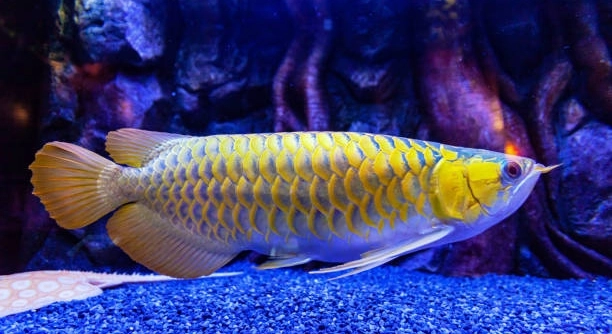
Are your arowanas showing signs of stress or unusual behavior that leaves you unsure how to respond? Observing your fish daily helps you notice patterns and provides insights into what adjustments may be necessary for their well-being.
Adjusting arowana behavior safely involves modifying their environment, feeding schedule, and interaction routines. Key methods include regulating tank conditions, introducing enrichment, minimizing stressors, and ensuring a balanced diet to promote calm and predictable behavior patterns.
Knowing how small changes can impact your arowana’s mood and activity will make caring for them easier and more rewarding.
Understanding Your Arowana’s Behavior
Arowanas are sensitive fish that respond strongly to their environment. Changes in tank size, water quality, or lighting can impact their activity and mood. Some behaviors, like hiding or sudden aggression, are signs of stress or discomfort. Observing daily patterns allows you to anticipate their needs. Feeding routines also influence behavior. Overfeeding or irregular schedules can make arowanas more anxious or sluggish. Social interactions with other fish must be monitored carefully. Aggression can escalate if tank mates are incompatible, so it’s important to plan their companions thoughtfully. Tank decor, such as hiding spots and open swimming areas, also plays a role. Arowanas need both space to explore and areas to retreat. Temperature fluctuations can subtly affect their metabolism and activity. Even minor changes can lead to noticeable behavioral shifts. Recognizing these cues early helps you address issues before they escalate, ensuring your fish remains healthy and stress-free.
Daily observation and patience are key when monitoring arowana behavior. Small changes often indicate bigger needs.
Consistency in feeding, lighting, and tank maintenance supports a balanced environment. It reduces stress and encourages natural behaviors, helping your arowana feel secure.
Adjusting the Tank Environment
Modifying the tank environment can calm an anxious arowana. Proper filtration, gentle water flow, and stable temperature all contribute to a stress-free habitat. Hiding spots and floating plants offer security.
Ensuring the water is clean, pH balanced, and temperature controlled prevents sudden behavioral problems and keeps the fish active.
Water quality is one of the most important factors in adjusting arowana behavior. Poor water conditions lead to lethargy, aggression, or disease. Regular water changes, consistent filtration, and testing parameters like ammonia, nitrites, and pH help maintain stability. Arowanas prefer slightly acidic to neutral water, with gentle currents that mimic natural habitats. Tank layout matters: open swimming areas reduce stress while strategically placed decorations create retreats. Proper lighting that follows a natural day-night cycle also influences mood and activity. Adjusting the environment gradually prevents shock and allows your arowana to adapt smoothly. Monitoring behavior after each change is crucial to ensure positive results. Overcrowding should be avoided, as it increases competition and aggression. By carefully controlling these factors, you can create a comfortable habitat that promotes calm, confident, and healthy behavior.
Regulating Feeding Habits
Overfeeding can make arowanas lethargic and irritable. Consistent, measured portions help maintain their energy and prevent aggression or bloating. Feeding at the same times each day creates a predictable routine.
Portion control is essential. Arowanas require high-protein diets, but too much food can harm their digestion and water quality. Feeding small amounts multiple times daily supports growth and activity without overwhelming the tank’s ecosystem. Avoid leaving uneaten food, as it decays and affects water chemistry. Observing your arowana’s appetite helps you adjust portions appropriately. Fresh or frozen foods like shrimp and fish fillets offer balanced nutrition while keeping feeding stimulating. Proper feeding routines also reduce competition among tank mates, preventing stress-related behaviors and ensuring all fish receive adequate nutrition.
Feeding at consistent times helps establish trust and predictability. This reduces erratic behavior, encourages active swimming, and allows your arowana to interact with its environment confidently.
Social Interaction and Tank Companions
Aggression can arise from incompatible tank mates or overcrowding. Proper selection and observation reduce conflict and stress.
Introducing companions slowly helps your arowana adjust while maintaining peace. Monitor interactions closely to prevent injuries. Choosing species of similar size and temperament ensures harmony. Avoid very small fish, as they may trigger predatory behavior. Group dynamics matter, and providing enough space and hiding spots reduces territorial disputes. Occasionally rotating decorations or adjusting tank layout can diffuse tension and keep interactions positive. Observing signs like chasing, nipping, or persistent hiding helps identify issues early. By managing social interactions carefully, your arowana can coexist safely and remain calm, healthy, and active in a shared tank environment.
Reducing Stress Triggers
Sudden movements or loud noises can startle arowanas, causing erratic swimming or aggression. Minimizing disturbances helps maintain calm behavior.
Consistent lighting and gradual changes in water conditions reduce stress. Avoid rapid temperature shifts or overhandling, as these can negatively affect your arowana’s mood and health.
Enrichment and Stimulation
Providing toys, floating plants, or driftwood encourages natural exploration and reduces boredom. Mental stimulation helps prevent destructive behaviors and keeps your arowana active. Enrichment should be safe, non-toxic, and appropriately sized to avoid injury. Rotating items occasionally maintains interest and keeps the environment engaging.
Observing Health Indicators
Changes in appetite, color, or activity often signal underlying issues. Monitoring these signs early allows prompt intervention to maintain overall well-being.
FAQ
How often should I feed my arowana?
Arowanas should be fed small portions two to three times daily. Overfeeding can cause bloating, water quality issues, and lethargy. Observing appetite allows you to adjust portions, ensuring your fish receives enough nutrition without leaving uneaten food that can decay in the tank.
Can arowanas live with other fish?
Yes, but careful selection is crucial. Choose tank mates of similar size and temperament. Avoid very small fish, which may trigger predatory behavior. Monitor interactions closely, and provide hiding spots to reduce aggression and territorial disputes. Gradual introductions help the fish adjust to one another.
What water temperature is best for arowanas?
Arowanas thrive in slightly warm water between 75°F and 82°F. Sudden temperature changes can stress them, affecting behavior and appetite. Use a reliable heater and thermometer to maintain stability, and ensure gradual adjustments if changes are needed.
How can I reduce aggressive behavior?
Aggression often stems from overcrowding, stress, or incompatible tank mates. Providing adequate space, hiding spots, and compatible companions reduces conflict. Maintaining consistent feeding routines and water quality also helps. Observing your arowana daily allows early detection of tension or bullying.
Why is my arowana hiding more than usual?
Excessive hiding usually indicates stress or discomfort. Possible causes include poor water quality, temperature fluctuations, or inappropriate tank mates. Evaluate the environment, maintain clean water, and ensure the fish has adequate space and enrichment to feel secure.
How do I know if my arowana is stressed?
Signs of stress include erratic swimming, aggression, hiding, loss of appetite, or faded coloration. Regular observation of daily behavior, water conditions, and interactions with tank mates helps identify stress early, allowing for corrective adjustments in feeding, tank setup, or companionship.
Is it safe to handle my arowana?
Frequent handling should be avoided. Arowanas are sensitive, and unnecessary handling can cause stress or injury. If handling is required, do so gently, minimizing time out of the water and supporting the fish properly to avoid damage to fins or scales.
What kind of enrichment works best?
Floating plants, driftwood, and safe decorations encourage natural exploration. Rotate items occasionally to maintain interest and prevent boredom. Avoid sharp or toxic objects, and ensure that the enrichment does not overcrowd swimming space. Mental stimulation supports calm, active behavior.
How often should I clean the tank?
Regular cleaning is essential for health. Partial water changes of 20–30% weekly help maintain water quality. Clean filters and remove uneaten food to prevent ammonia buildup. Consistent maintenance reduces stress and promotes healthy behavior.
Can arowanas recognize their owners?
Arowanas can become familiar with their caretakers’ presence and feeding routines. They may react to movement near the tank or approach during feeding times. While recognition is not like a pet responding to commands, consistency and interaction can strengthen trust and comfort.
How do I prevent diseases?
Maintain water quality, provide balanced nutrition, avoid overcrowding, and quarantine new fish before adding them to the main tank. Regular observation for changes in appetite, color, or behavior allows early intervention and reduces the risk of infections or parasites.
What should I do if my arowana becomes aggressive suddenly?
Sudden aggression may indicate stress, illness, or changes in the environment. Check water parameters, feeding routines, and tank mates. Provide additional hiding spots or temporary separation if necessary. Monitor behavior closely and make adjustments gradually to restore calm.
Can I use tank decorations to influence behavior?
Yes, decorations create hiding spaces and define territory, reducing aggression. Floating plants and driftwood provide shelter and mental stimulation. Ensure items are safe, non-toxic, and appropriately sized to avoid injury while promoting natural exploration.
Is temperature the main factor in behavior changes?
Temperature is important but not the only factor. Water quality, tank size, social interactions, and feeding routines all impact behavior. Maintaining consistent conditions across these factors ensures your arowana remains calm, active, and healthy.
How long does it take for an arowana to adjust to new changes?
Adjustment depends on the type of change and the individual fish. Gradual environmental changes, stable feeding routines, and careful introductions of companions help your arowana adapt within days to weeks, minimizing stress and promoting stable behavior.
Can enrichment reduce aggression?
Yes, mental stimulation reduces boredom and territorial disputes. Adding hiding spots, driftwood, and floating plants allows exploration and provides security. Rotating enrichment items keeps the environment engaging and encourages calm, natural behavior in your arowana.
How can I tell if my arowana is healthy?
Healthy arowanas are active, have vibrant coloration, and show consistent appetite. Fins are intact, scales are smooth, and behavior is predictable. Monitoring daily allows you to spot deviations early, addressing potential health or environmental issues before they worsen.
Is it okay to change the tank layout often?
Frequent, drastic changes can stress your arowana. Minor adjustments, like adding a new hiding spot or rotating decorations, are fine if done gradually. Maintaining some familiarity while introducing new elements keeps the environment stimulating without causing distress.
What role does lighting play in behavior?
Consistent lighting supports natural day-night cycles, influencing activity and feeding patterns. Sudden or overly bright lights can stress your arowana. Providing moderate, predictable lighting helps maintain calm and encourages regular swimming and feeding behavior.
Are small water changes enough to maintain behavior?
Small, frequent water changes are effective for maintaining water quality and stability. They reduce toxins, support metabolism, and prevent stress-induced behaviors. Monitoring water parameters ensures changes are sufficient to maintain a healthy, calm environment for your arowana.
Final Thoughts
Adjusting arowana behavior safely requires attention, consistency, and patience. These fish are sensitive to changes in their environment, feeding routines, and social interactions. Even small adjustments can make a noticeable difference in their activity and overall well-being. Observing daily habits, such as swimming patterns, appetite, and responses to tank mates, allows you to identify stress or discomfort early. By keeping an eye on these subtle signals, you can make timely changes to their habitat or care routines, preventing larger issues from developing. Consistency is key. Arowanas thrive when their surroundings are stable, with regular feeding schedules, clean water, and steady lighting. Sudden changes in water temperature, pH, or tank layout can create stress, which often leads to aggression, hiding, or reduced appetite. Maintaining a calm and predictable environment supports natural behavior, making it easier to understand and respond to your fish’s needs.
Feeding habits play an important role in behavior management. Overfeeding can cause bloating and water quality problems, while irregular feeding schedules can make arowanas anxious or overly aggressive. Providing balanced portions of high-quality protein foods, such as shrimp or fish fillets, helps sustain energy levels and promotes healthy growth. Small, frequent meals are often better than a single large feeding, as they prevent uneaten food from polluting the tank. Observing appetite closely also allows you to adjust portions appropriately. Social interactions matter too. Aggression can occur if tank mates are incompatible, overcrowded, or stressed. Introducing companions gradually and ensuring there is enough space and hiding spots reduces conflict. Mental stimulation, including floating plants, driftwood, or other safe enrichment items, keeps arowanas active and prevents boredom-related behaviors. Even small environmental enrichments can create a sense of security, allowing the fish to feel confident while exploring its tank.
Overall, understanding your arowana’s behavior is a matter of observation, adaptation, and careful planning. By regulating feeding, maintaining water quality, and monitoring interactions, you can create a stable and stimulating environment. Avoid sudden changes and handle stressors gradually, whether they involve water adjustments, tank decorations, or social introductions. Attention to detail and regular monitoring will help you notice early signs of distress or aggression, allowing for immediate corrective measures. Over time, arowanas become more predictable, active, and confident when their environment consistently meets their needs. Creating a calm, healthy habitat not only ensures better behavior but also contributes to the long-term health and vitality of your fish. Focusing on these key factors allows you to maintain a balanced, stress-free environment where your arowana can thrive.

Hello,
If you enjoy the content that we create, please consider saying a "Thank You!" by leaving a tip.
Every little bit helps us continue crafting quality advice that supports the health, happiness, and well-being of pets around the world, for pets of all shapes, sizes, and species.
We really appreciate the kindness and support that you show us!