
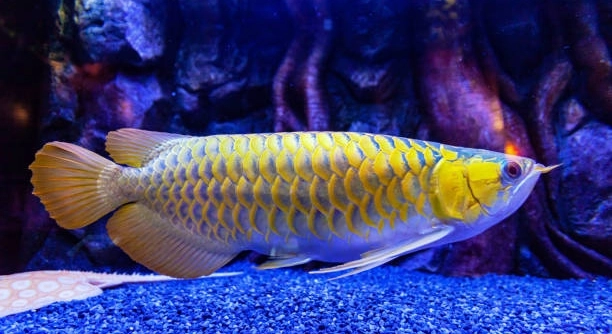
Do you ever wonder how your Arowana handles the hustle of a busy home? These fish are elegant and calm, yet their behavior may shift depending on the noise and activity around them. Observing them closely helps owners understand their needs.
Arowanas generally tolerate moderate household activity if their environment is stable. Excessive noise or sudden movements can stress them, but consistent feeding, proper tank setup, and hiding spots help them remain calm and healthy despite a lively home.
Understanding their reactions to everyday chaos can help ensure a peaceful and thriving environment for your Arowana.
Understanding How Arowanas React to Household Activity
An Arowana can adjust to a lively home when its environment remains steady and predictable. These fish rely on clear routines, steady lighting, and calm water to feel secure. When noise levels rise or people move quickly near the tank, an Arowana may show subtle signs of stress, such as reduced movement or sudden darting. Keeping the tank in a quieter spot, away from constant foot traffic, helps maintain its sense of safety. I always find that when the surroundings stay consistent, the fish settles faster and behaves more confidently. Arowanas also benefit from tall plants or decorations that allow them to feel partially shielded from activity. These additions create a soft barrier that supports their comfort without limiting their space. By focusing on stability, gentle handling, and predictable care routines, owners can help their Arowanas manage the daily energy of a busy home.
A stable setup allows the fish to cope better with everyday noise and movement in a lively household.
Small adjustments in placement, decor, and routine can make a noticeable difference in how relaxed your Arowana feels each day.
Creating Conditions That Support Comfort
Arowanas thrive when their environment remains calm, predictable, and thoughtfully arranged.
A well planned habitat helps these fish handle a bustling home without unnecessary stress. Start by choosing a tank location with balanced lighting and limited sudden movement. Arowanas feel more secure when they can observe their surroundings without constant interruption, so avoid placing the tank near doors that open often or areas with loud entertainment systems. Water quality is another key factor in maintaining comfort. Regular filtration, gentle flow, and consistent temperatures create stability that offsets outside activity. I find that adding a few tall plants or sturdy decorations gives the fish places to shadow themselves when the environment becomes active. Feeding on a regular schedule also helps the Arowana build trust in its surroundings. When care stays predictable, the fish learns to remain calm even as people move through the home. By focusing on these simple adjustments, you create an environment that supports confidence, reduces stress, and encourages steady behavior in your Arowana.
Supporting Calm Behavior Through Daily Care
Daily care plays a big role in how well an Arowana handles a busy home. Simple habits like steady feeding times and gentle movements around the tank help keep the fish relaxed and responsive.
Consistent routines make a noticeable difference in how secure an Arowana feels each day. I always try to keep feeding times predictable and avoid sudden gestures near the glass. Stable lighting also helps reduce unnecessary stress, since quick changes can startle the fish. Clean water supports calm behavior too, so regular maintenance should never be skipped. When these small habits stay steady, the Arowana becomes more confident and less reactive to the noises and movements around the home.
Decor also helps shape its comfort. Tall plants, driftwood, and elevated hiding areas allow the fish to retreat when the house becomes too active. I often notice the Arowana settling behind these structures during busy times, which shows how important they are. Creating a layout that feels open but still gives the fish options helps keep it balanced throughout the day. This setup encourages smoother behavior and reduces sudden bursts of activity caused by stress.
Reducing Stress in a Lively Home
Simple adjustments in the environment can reduce tension for an Arowana living in an active household. Keeping the tank away from frequent movement and loud sounds helps the fish remain stable and confident throughout the day.
A carefully chosen tank location makes a major difference in long term comfort. I always try to avoid placing the aquarium near speakers, doorways, or busy hallways because constant disturbances can unsettle the fish. Gentle filtration, clear water, and proper temperatures create a soothing environment that supports calm behavior even during busier hours. Adding tall plants, floating decor, or sturdy structures gives the Arowana places to drift behind when it needs a break from activity. These simple details help regulate the fish’s stress levels and allow it to feel secure without limiting how much space it has to move.
Encouraging Stability During High Activity
Maintaining steady lighting and avoiding abrupt changes around the tank helps the Arowana stay calm even when the home feels busy. I find that keeping the environment predictable allows the fish to settle more easily throughout the day.
Feeding at consistent times adds another layer of stability. This simple routine helps the Arowana feel secure and reduces nervous behavior caused by irregular care or sudden household commotion.
Adjusting the Environment When Needed
Sometimes small changes help the fish cope better with an active home. Moving the tank a few feet away from heavy traffic areas can make a clear difference. I also make sure the filtration remains smooth and the temperature stable, since these details support calm behavior in noisy settings.
Observing Behavior for Early Signs
Watching the Arowana closely helps catch stress signs before they grow worse. I look for sudden darting, reduced appetite, or hiding more than usual, since early action keeps the fish comfortable.
FAQ
How much noise can an Arowana tolerate in a busy home?
An Arowana can handle a moderate amount of daily noise as long as the environment stays steady and predictable. Sudden loud sounds or constant sharp noises can cause stress, but normal household activity is usually manageable when the tank is placed in a calmer location. I notice that when noise is steady rather than abrupt, the fish adjusts more easily. Consistent routines, clean water, and stable lighting all help soften the impact of a loud home. Over time, the Arowana becomes familiar with the regular sounds of the household, which reduces unnecessary stress reactions.
Can my Arowana adapt to frequent movement around the tank?
Frequent movement near the tank can startle the fish, especially when it’s not used to it. With time and a stable setup, many Arowanas learn to tolerate regular foot traffic. I try to avoid sudden gestures or running near the aquarium because that usually triggers darting or hiding. If people walk by often, adding tall plants or vertical decorations helps the fish feel safer. These structures give it something to retreat behind without limiting swimming space. A calm environment paired with predictable patterns of movement allows the fish to adapt more comfortably to active homes.
What signs show that an Arowana is stressed by a busy environment?
Stress usually appears through quick darting, hiding more than usual, or refusing food. Sometimes the fish may also pace along the glass or linger near the bottom. I always pay attention to these small changes, since catching them early prevents the problem from getting worse. When stress becomes long term, the fish may develop minor fin issues or lose some of its usual alertness. By observing the Arowana’s behavior each day, I can adjust the lighting, the tank location, or the decor to help it feel safer. Small corrections often bring the fish back to normal quickly.
How can I make the tank feel more secure for my Arowana?
Adding tall plants, sturdy decor, and gentle lighting creates a sense of safety without closing the space too much. These items offer soft hiding areas and reduce stress caused by sudden movement around the tank. I try to arrange decor so the fish can glide behind something when the house becomes busy. Stable water conditions also contribute to a secure feeling, since poor quality makes the fish more reactive to outside activity. Simple steps like keeping filtration smooth, temperatures steady, and feeding on a schedule go a long way in helping the Arowana stay confident.
Is it better to move the tank if the home becomes too active?
If the household activity grows intense or unpredictable, moving the tank can make a clear difference. A quieter spot away from frequent movement, doors, or entertainment systems helps the fish stay balanced. I always choose a location with steady lighting and limited vibration. Even moving the tank a few feet sometimes reduces stress, especially when the previous location had sudden commotion. After relocating, I watch the Arowana closely to see how it reacts. When the new spot is calmer, the fish usually becomes more relaxed and shows smoother swimming behavior.
Do Arowanas get used to busy households over time?
Most Arowanas adjust when their environment stays consistent and predictable. They rely on routines to build trust, so steady care helps them adapt to a lively home. I’ve noticed that once the fish learns what to expect each day, it becomes less reactive to noise and movement. A strong feeding schedule, stable water, and a calm tank layout make this adjustment easier. While each fish is different, many settle well with proper support. Offering a balanced mix of open space and gentle hiding areas helps them feel secure as they grow more familiar with the household activity.
Final Thoughts
Caring for an Arowana in a busy household means paying attention to the small details that shape its comfort each day. These fish respond strongly to the environment around them, so creating a space that feels steady and predictable is important. I always try to keep the tank in an area where movement feels gentle rather than sudden, because the fish reacts better when it can sense a clear rhythm in the home. Stable lighting, smooth filtration, and clean water help anchor the Arowana, even when the home feels active. Over time, these steady habits support a calm mindset for the fish, letting it adjust without feeling overwhelmed by daily noise or activity. When I notice the fish becoming more relaxed, it confirms how much these simple choices matter. The goal is not to create a silent home, but to build an environment that feels balanced and dependable for the fish.
Watching how an Arowana behaves offers helpful clues about what it needs. Signs like darting, hiding more often, or skipping meals can show that the environment might need small adjustments. I find that even gentle changes, such as adding tall plants for cover or shifting the tank a short distance away from frequent activity, can make a clear difference in how the fish behaves. The key is to observe consistently and respond with small, thoughtful actions. It helps to remember that Arowanas are naturally alert fish, so some level of sensitivity is normal. What matters is supporting the fish so that it doesn’t feel constantly on edge. When the environment supports calm behavior, the Arowana swims more smoothly, eats well, and interacts with the space in a more confident way. This steady improvement shows that consistent care does not need to be complicated to be effective.
Living with an Arowana in a lively home becomes easier when the care routine feels natural and dependable. Once the fish becomes familiar with the household patterns, it often adjusts better than expected. I try to maintain habits that stay the same each day, because predictability helps reduce unnecessary stress. The goal is to offer the fish stability without removing the energy of a busy home. With clear routines, thoughtful placement of the tank, and a few supportive decor choices, an Arowana can remain healthy and calm even when life feels active around it. These efforts create a stable space where the fish can thrive. Over time, the environment becomes a steady backdrop that supports the Arowana’s well being, allowing it to live comfortably in a home filled with movement and sound.

Hello,
If you enjoy the content that we create, please consider saying a "Thank You!" by leaving a tip.
Every little bit helps us continue crafting quality advice that supports the health, happiness, and well-being of pets around the world, for pets of all shapes, sizes, and species.
We really appreciate the kindness and support that you show us!