
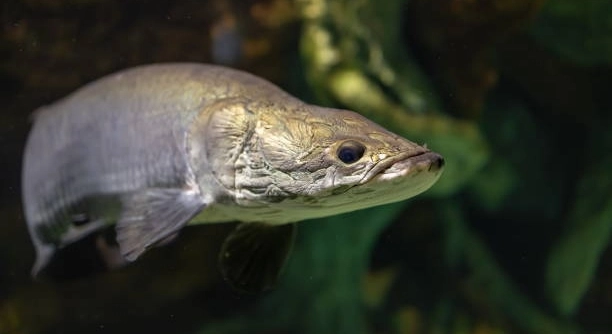
Arowanas are beautiful and elegant fish that many enjoy keeping at home. Watching them glide through the water is calming, yet their sleep patterns are often overlooked, affecting their overall health and well-being in subtle ways.
Several factors can disturb Arowana sleep cycles, including inconsistent lighting, sudden noises, overcrowded tanks, improper water temperatures, poor water quality, constant human activity, and aggressive tank mates. These stressors can alter natural rhythms, leading to disrupted rest and weakened immune function.
Learning how these elements affect sleep will help you create a calmer, healthier environment for your Arowana and support its long-term vitality.
Inconsistent Lighting
Arowanas are highly sensitive to light. Sudden changes or inconsistent lighting can confuse their natural circadian rhythm. Bright lights at night or prolonged darkness during the day can stress them, causing restlessness. Ideally, your tank should mimic natural day and night cycles. Using a timer for your tank lights helps maintain consistency. Some Arowanas become more active during nighttime if the lighting is irregular. Over time, this disruption can affect their appetite and immune system. Even small fluctuations in light intensity, like turning on a lamp near the tank, may interfere with their sleep. Observing your Arowana’s behavior will show if the lighting setup is appropriate. Adjusting the light gradually can help them settle into a healthier sleep cycle. Soft, indirect lighting is preferable, especially during evening hours. Keeping a calm and predictable lighting routine benefits not just sleep but overall comfort and stress levels, making your tank a more stable environment.
Consistent lighting is crucial for regulating Arowana sleep, reducing stress, and promoting healthy biological rhythms necessary for proper growth and immune system function.
Monitoring light patterns and making small adjustments gradually ensures your Arowana adapts without unnecessary stress or activity spikes.
Sudden Noises
Loud or abrupt noises, such as clanging on furniture or slamming doors, can startle Arowanas. Even sounds from outside the house can carry through walls and disturb them. Their natural instincts make them sensitive to potential threats, and this triggers stress responses. Over time, repeated disturbances can lead to irregular sleep cycles and erratic swimming behaviors. Minimizing sudden noise around the tank helps the fish remain calm. Using tank covers or placing the tank in quieter areas can be effective. A stable, peaceful environment allows Arowanas to rest without interruption.
Sudden noises create stress responses in Arowanas that interrupt their sleep and may impact their long-term health.
Repeated exposure to unpredictable sounds can lead to chronic stress, reducing an Arowana’s immune function and overall vitality. When they are startled, their bodies release stress hormones like cortisol, which increases heart rate and energy usage. Continuous exposure prevents proper recovery during rest periods, leading to fatigue and even behavioral issues like aggression or refusal to eat. Creating a quieter environment is essential. You can place the tank in a room away from daily household activity or use soft background music to mask sporadic noises. Avoid tapping the tank glass or moving nearby objects suddenly. Even routine cleaning can be adapted to minimize sudden disturbances. Gradually adjusting the environment ensures the Arowana feels safe and secure. A calm space encourages consistent sleep cycles and overall better health, reinforcing natural rhythms essential for long-term well-being.
Overcrowded Tanks
Overcrowding increases stress for Arowanas, reducing their ability to rest properly. Too many fish in one tank create competition for space, oxygen, and food, which can disrupt natural sleep patterns.
When Arowanas share a tank with too many companions, constant movement and activity can prevent them from settling. Aggressive or territorial behavior may arise, leading to chasing or hiding. Limited swimming space causes fatigue but paradoxically reduces quality rest, as they remain alert for potential threats. Overcrowding also increases waste, affecting water quality, which further disturbs their sleep. Providing adequate space per fish and reducing the number of tank mates creates a calmer, healthier environment.
Managing population density is essential. Appropriate tank size allows Arowanas to establish territory, swim freely, and rest without disturbance. Careful planning of tank inhabitants ensures everyone’s well-being. Monitoring their interactions helps prevent stress-related behaviors and maintains consistent sleep cycles.
Improper Water Temperature
Incorrect water temperature affects metabolic rates and sleep quality. Too warm or too cold water makes Arowanas restless and can trigger disease susceptibility.
Arowanas thrive in a stable temperature range, typically between 75°F and 82°F. Sudden fluctuations cause stress responses, making them swim anxiously or hide. Extreme temperatures reduce appetite and disrupt normal rest periods. Using a reliable heater and thermometer helps maintain a steady environment.
Stable water temperature supports normal biological rhythms. Fluctuations impact oxygen levels, causing increased movement and constant vigilance. Even a few degrees outside the ideal range can prevent proper sleep and stress the immune system. Regularly checking equipment and adjusting temperature gradually keeps the tank consistent. This stability ensures that Arowanas can rest deeply, maintain energy, and avoid fatigue. A calm environment with proper thermal regulation allows them to thrive physically and behaviorally. Consistent monitoring is key for long-term sleep quality and overall health.
Poor Water Quality
Dirty or polluted water forces Arowanas to remain alert, disrupting their sleep. High levels of ammonia, nitrites, or nitrates stress them and can cause long-term health issues.
Frequent water changes and proper filtration are essential. Neglecting tank maintenance increases toxins, making it hard for Arowanas to rest properly. Monitoring water parameters ensures a safer environment.
Constant Human Activity
Arowanas are easily stressed by continuous movement around the tank. Noise, tapping, or sudden presence nearby interrupts their rest and creates anxiety.
Aggressive Tank Mates
Arowanas need space to feel secure. Aggressive or overly active tank mates chase or intimidate them, making sleep difficult and increasing stress.
FAQ
How do I know if my Arowana is stressed from sleep disruption?
Signs of stress include erratic swimming, hiding, loss of appetite, and frequent surface breathing. Restless behavior during night hours or unusual activity patterns can also indicate that sleep cycles are disturbed. Observing daily routines closely helps identify these changes early.
Can lighting really affect Arowana sleep that much?
Yes. Inconsistent or overly bright lighting can confuse their circadian rhythm, making them active at odd hours. Using timers to create predictable light and dark periods helps them establish regular sleep cycles and reduces stress over time.
Is tank size important for sleep?
Absolutely. Arowanas need ample space to swim freely and establish territory. Overcrowded tanks increase stress and prevent restful sleep. Maintaining a proper fish-to-tank ratio ensures they can rest without constant competition or threats from other fish.
How often should I check water quality?
Water parameters should be checked weekly for ammonia, nitrites, nitrates, and pH. Regular water changes and filtration prevent toxins from building up, allowing Arowanas to rest comfortably. Clean water supports healthy metabolism and immune function.
Do temperature fluctuations really disturb sleep?
Yes. Sudden changes in water temperature trigger stress responses, making Arowanas restless. Maintaining stable temperatures between 75°F and 82°F ensures proper metabolism and allows the fish to settle into a regular sleep schedule.
Will noise from outside affect my fish?
Arowanas are sensitive to sudden or constant noise. Loud activity, tapping, or nearby movement can startle them and interrupt sleep. Placing the tank in a quieter area or using tank covers can help reduce disturbances.
Can aggressive tank mates disrupt sleep?
Yes. Aggressive or overly active companions create stress and force Arowanas to stay alert. This constant vigilance prevents proper rest and may lead to long-term health issues. Monitoring interactions and separating incompatible fish is crucial.
Is there a way to help my Arowana sleep better?
Maintaining a calm, stable environment is key. Consistent lighting, proper water quality, stable temperature, minimal noise, and appropriate tank mates all contribute to restful sleep. Gradually adjusting any disruptive factors ensures the Arowana adapts without additional stress.
Can poor sleep affect their growth?
Yes. Interrupted sleep reduces energy for growth and weakens immune function. Over time, chronic stress from poor rest can stunt growth and increase susceptibility to disease. Supporting healthy sleep cycles is essential for overall development.
How can I monitor sleep patterns effectively?
Observe your Arowana during night and day. Look for periods of stillness, reduced activity, and resting near safe spots. Tracking behavior over time helps identify disturbances and assess whether environmental adjustments are effective.
Does diet impact sleep at all?
Indirectly. A balanced diet keeps energy levels stable and supports healthy metabolism, which influences rest. Overfeeding or poor-quality food can cause stress or digestive discomfort, making it harder for the fish to settle and sleep properly.
What is the most common mistake owners make that affects sleep?
Ignoring environmental factors like lighting, temperature, or tank mates is common. Small disruptions add up over time, significantly affecting sleep quality. Regular observation and preventive care help avoid these issues and maintain a healthy, rested Arowana.
Can supplements help with stress and sleep?
Certain supplements may support immune function or reduce stress, but they cannot replace proper environmental care. A stable, low-stress habitat is far more effective for promoting healthy sleep than relying solely on additives.
How long does it take for sleep patterns to normalize after changes?
It depends on the fish and the adjustments made. Minor changes may show improvements within a few days, while significant disruptions may take weeks. Gradual adaptation reduces stress and supports more consistent rest.
Are all Arowanas equally sensitive to sleep disturbances?
Sensitivity varies by species, age, and individual temperament. Some may tolerate minor disturbances, while others react strongly to small changes. Monitoring each fish individually ensures tailored care for optimal rest and health.
Can stress from sleep disruption affect behavior long-term?
Yes. Chronic sleep disturbance can lead to aggression, hiding, and reduced appetite. Maintaining a stable environment prevents long-term behavioral issues and promotes overall well-being.
Is it ever okay to have multiple stressors at once?
No. Combining factors like poor water quality, aggressive tank mates, and loud environments compounds stress and severely disrupts sleep. Prioritizing one adjustment at a time ensures the Arowana adapts safely and recovers fully.
How do I know if my adjustments are working?
Positive signs include calmer swimming, regular resting periods, and normal appetite. Consistent observation and patience are key. Tracking behavior daily helps confirm that changes are supporting proper sleep and overall health.
Can Arowanas recover fully from long-term sleep disruption?
Yes, with careful attention to environment and health. Gradual improvements in lighting, temperature, water quality, and tank dynamics allow recovery. However, persistent neglect may cause lasting stress-related effects, emphasizing the importance of early intervention and consistent care.
How often should I reevaluate the tank environment?
Monthly checks are recommended for lighting, temperature, water quality, and tank dynamics. Frequent observation ensures that changes in fish behavior or environmental shifts don’t compromise sleep quality or overall health.
Is there any difference between day and night care?
Yes. Nighttime should be quiet, dark, and calm to allow uninterrupted rest. Daytime care focuses on feeding, observation, and minor maintenance without sudden disruptions, creating a predictable routine that supports natural sleep cycles.
Can natural plants or decorations help with sleep?
Yes. Hiding spots, plants, and soft substrates create safe zones, reducing stress and providing places to rest. Thoughtful tank decoration contributes to calm behavior and better sleep quality, making the environment more comfortable for Arowanas.
Does tank location in the house matter?
Absolutely. Placing the tank in a low-traffic, quiet area reduces disturbances. Avoid direct sunlight, frequent vibrations, or household noise, which can all disrupt sleep and stress the fish.
Can I use timers or automation to improve sleep?
Yes. Timers for lighting, heaters, and filtration create consistency, reducing sudden changes that disturb sleep. Automation supports a predictable environment, helping the Arowana maintain regular rest and overall health.
How long do Arowanas typically sleep each day?
Arowanas require several hours of uninterrupted rest, often during nighttime. While exact duration varies by species and individual, providing a quiet, stable environment ensures they receive sufficient sleep for growth and vitality.
What is the role of stress hormones in sleep disruption?
Stress triggers cortisol release, increasing activity and alertness while reducing rest. Chronic elevation can weaken immunity, stunt growth, and alter behavior. Controlling environmental stressors minimizes hormone spikes, promoting healthy sleep cycles and overall well-being.
Are younger Arowanas more affected than adults?
Juveniles are often more sensitive because they are developing rapidly and need more consistent rest. Disruptions can impact growth, metabolism, and immune function, making careful environmental control even more critical for young fish.
Can sudden changes in feeding times disrupt sleep?
Yes. Irregular feeding can cause activity spikes at unusual hours, interrupting rest. Maintaining consistent feeding schedules supports predictable behavior and helps reinforce natural sleep patterns.
Is tank filtration noise a problem?
If too loud or inconsistent, it can disturb sleep. Choosing quiet equipment or adjusting placement minimizes stress. Balanced filtration ensures water quality without creating constant disruption that interferes with rest.
Can light reflections or shadows disturb Arowanas?
Yes. Sudden reflections or moving shadows can mimic threats, triggering stress responses. Keeping the tank environment visually stable helps prevent unnecessary interruptions to sleep.
How long should an Arowana rest each night?
While individual needs vary, several hours of uninterrupted rest each night is essential. Providing a calm, dark environment supports these periods, allowing the fish to recover and maintain healthy behavior and growth.
Can seasonal changes affect sleep cycles?
Yes. Changes in daylight, temperature, or household activity can subtly impact circadian rhythms. Monitoring conditions and adjusting artificial lighting and temperature ensures consistent rest throughout the year.
Is it necessary to separate aggressive tank mates at night?
If aggression persists, temporary separation at night allows Arowanas to rest safely. Providing hiding spots or separate zones reduces conflict and ensures uninterrupted sleep.
Do Arowanas require complete darkness to sleep?
They prefer dim or low-light conditions. Bright light can disrupt sleep, while total darkness is not strictly necessary. Soft lighting or shaded areas helps them feel secure and promotes restful periods.
How important is patience when adjusting the environment?
Very. Sudden changes increase stress and further disrupt sleep. Gradual adjustments allow the Arowana to adapt comfortably, ensuring long-term improvements in behavior, health, and sleep quality.
Can monitoring behavior help prevent health problems?
Yes. Observing activity, rest patterns, and reactions to the environment provides early warning signs of stress or illness. Prompt adjustments help prevent chronic sleep disruption and maintain overall well-being.
Do all Arowanas respond the same to environmental changes?
No. Individual temperament, age, and species influence reactions. Some adapt quickly, while others show prolonged stress. Tailoring care to each fish ensures better sleep and overall health outcomes.
Can lighting timers alone fix sleep issues?
Not entirely. Timers help regulate day-night cycles but must be combined with stable water quality, temperature, and a calm environment for full effectiveness. Comprehensive care ensures optimal sleep conditions.
Is it better to make multiple changes at once or gradually?
Gradual changes are safer. Sudden adjustments can cause additional stress, worsening sleep disruption. Step-by-step improvements allow the Arowana to acclimate comfortably and maintain natural rest cycles.
Can poor sleep affect reproduction?
Yes. Chronic sleep disruption can reduce fertility and affect breeding behavior. Healthy rest supports hormonal balance, making sleep an important factor for reproduction.
How do I handle unavoidable noise or activity near the tank?
Use barriers, covers, or background noise to minimize disturbances. Preparing for predictable disruptions and maintaining calm afterward reduces stress and allows the Arowana to resume normal sleep.
Are there long-term effects of repeated sleep disruption?
Chronic disturbances can lead to weakened immunity, stunted growth, and behavioral changes. Ensuring a stable, low-stress environment is critical for long-term health and consistent sleep cycles.
Can tank plants help mask noise or movement?
Yes. Plants and decorations create visual and physical buffers, reducing stress from movement or reflections. Thoughtful arrangement provides secure resting areas and promotes consistent sleep behavior.
Is it necessary to track sleep patterns over time?
Tracking helps identify problems and evaluate interventions. Observing daily routines and noting changes ensures that adjustments are effective and supports ongoing health maintenance.
How do I balance activity and rest for my Arowana?
Provide ample swimming space, consistent feeding, and a calm environment. Structured routines during the day with quiet nights help maintain natural sleep cycles and overall well-being.
Can temperature and lighting adjustments be automated together?
Yes. Coordinated timers and thermostats maintain predictable conditions, reducing stress and allowing the fish to rest consistently without constant human intervention.
Do Arowanas nap during the day?
Some may rest during daylight if the environment is calm. Providing safe hiding spots and stable lighting supports brief daytime rest while preserving nighttime sleep quality.
Are tank vibrations a problem?
Constant vibrations from nearby machinery or heavy traffic can disturb sleep. Minimizing vibration sources and placing tanks on stable surfaces supports uninterrupted rest and reduces stress.
Can seasonal light changes in homes disrupt sleep?
Yes. Natural shifts in daylight may affect circadian rhythms. Using controlled artificial lighting ensures consistent day-night cycles regardless of external changes.
Is water movement a factor in sleep?
Excessive current or turbulent filtration can prevent restful periods. Gentle flow supports oxygenation without creating stress, allowing Arowanas to rest comfortably.
How do I know if sleep has improved?
Signs include calmer swimming, regular resting spots, normal feeding, and reduced startle responses. Consistent observation confirms that environmental adjustments are effective.
Can multiple environmental adjustments be made at once safely?
Only if changes are minor. Large, sudden alterations can stress Arowanas. Gradual, stepwise adjustments are safest and most effective for restoring healthy sleep cycles.
Are older Arowanas more resilient to sleep disruption?
They may tolerate minor disturbances better but still benefit from consistent care. Older fish are less adaptable to major changes and require stable environments to maintain quality rest.
Is tank location near windows a problem?
Direct sunlight or moving shadows can disrupt sleep. Placing tanks away from windows or using shades helps maintain consistent light conditions and reduces stress.
How important is overall tank maintenance for sleep?
Very. Clean water, stable temperature, and functional equipment create a predictable environment that supports rest. Regular maintenance prevents cumulative stressors that interfere with sleep.
Can dietary changes influence sleep patterns?
Yes. Overfeeding or low-quality food can cause digestive discomfort, making it harder for Arowanas to settle. Balanced nutrition supports energy stability and restful periods.
Does tank shape affect sleep?
Tanks with adequate length and hiding spots allow more natural swimming and resting behavior. Limited space or poorly designed tanks can increase stress and disrupt sleep cycles.
Are young and adult Arowanas affected differently?
Young fish need more stable conditions for growth and are often more sensitive to disturbances. Adults may tolerate minor fluctuations but still benefit from consistent care.
Can nighttime lighting reduce sleep quality?
Yes. Bright or inconsistent light at night can prevent rest. Low, indirect lighting or darkened areas helps maintain natural sleep cycles and reduces stress.
Should filtration be adjusted at night?
Only if noise or strong current disrupts sleep. Gentle, quiet filtration maintains water quality without interfering with rest, supporting long-term health.
Can reflections in the tank disturb sleep?
Yes. Moving shadows or reflections may mimic threats, triggering stress responses. Stable, calm lighting and placement help prevent unnecessary disturbances.
How long does it take to correct sleep problems?
Minor adjustments may take days, while chronic disruptions may require weeks. Gradual, consistent environmental improvements lead to restored sleep and better overall health.
Are some species more sensitive than others?
Yes. Sensitivity varies by species, age, and temperament. Tailored care ensures optimal rest and reduces long-term stress effects.
Is it necessary to reduce all disturbances simultaneously?
Addressing the most impactful factors first is effective. Gradual reduction of additional stressors ensures safer adaptation and better results for sleep restoration.
Do hiding spots really improve sleep?
Yes. They provide security, reduce stress, and allow Arowanas to rest undisturbed. Proper tank design with shelters supports natural behavior and healthy sleep cycles.
Can I rely on automated systems alone?
Automation helps maintain consistency but must be combined with careful monitoring, proper feeding, and observation of fish behavior to ensure complete care and effective sleep.
Does the type of tank mate matter?
Yes. Aggressive or active companions disrupt sleep. Choosing compatible species or separating incompatible fish reduces stress and allows restful periods.
Can sleep disruption cause illness?
Chronic stress from poor sleep weakens immunity, increasing susceptibility to disease. Maintaining a calm, stable environment is essential for preventing health issues.
Is observation the best tool for managing sleep?
Yes. Watching behavior, rest periods, and responses to the environment provides immediate feedback, allowing timely adjustments to improve sleep quality and overall health.
How do I balance water movement and sleep needs?
Gentle filtration ensures oxygenation without creating turbulence. Balancing water flow supports restful periods while maintaining a healthy environment.
Does diet timing affect sleep?
Consistent feeding schedules prevent unusual activity spikes that can disturb rest. Predictable meal times help maintain natural sleep patterns and energy stability.
Are plants or decorations more beneficial for sleep or stress reduction?
Both. Plants and decorations provide shelter, reduce visual stress, and create secure zones for resting, contributing to calm behavior and consistent sleep cycles.
Can light timers fully replace natural day-night cycles?
Timers replicate predictable cycles but may not perfectly mimic natural light intensity or spectrum. Combined with stable temperature and quiet surroundings, they effectively support regular sleep patterns.
Do all Arowanas respond to environmental improvements the same way?
No. Individual temperament and past experiences affect adaptation. Some show immediate improvement, while others require longer adjustment periods to restore normal sleep behavior.
How often should I reevaluate tank conditions for sleep?
Monthly checks of water quality, temperature, and lighting help prevent disturbances. Continuous observation of fish behavior ensures that sleep remains consistent and stress-free.
Can stress from previous sleep disruption linger?
Yes. Past disruptions may cause cautious or restless behavior. Maintaining a stable, predictable environment over time allows gradual recovery and restores normal sleep cycles.
Is it possible to overcorrect sleep disturbances?
Yes. Sudden, drastic changes can create additional stress. Gradual, stepwise adjustments are safer and more effective in helping Arowanas regain consistent rest.
Do Arowanas ever adjust naturally to minor disturbances?
Some may adapt, but frequent minor disruptions accumulate, affecting long-term sleep quality. Proactive care ensures optimal rest and overall well-being.
Can seasonal water temperature changes affect sleep?
Yes. Seasonal shifts can alter metabolism and activity. Using heaters or coolers to maintain stable temperatures helps preserve sleep consistency throughout the year.
Do older Arowanas require different sleep considerations than younger ones?
Older fish may tolerate minor disturbances better but still need stable conditions. They are less resilient to major changes, so consistent care supports health and restful periods.
Can chronic stress from poor sleep reduce lifespan?
Yes. Long-term sleep disruption weakens immunity and impacts growth, increasing vulnerability to disease. Ensuring consistent rest supports longevity and overall health.
Is regular maintenance the key to preventing sleep problems?
Yes. Clean water, stable temperature, consistent lighting, and quiet surroundings create an environment conducive to uninterrupted sleep and long-term well-being.
Can nighttime feeding disrupt sleep?
Yes. Feeding at inconsistent or late hours increases activity, preventing restful periods. Sticking to a predictable daytime feeding schedule helps maintain natural sleep patterns.
Do aggressive tank mates have long-term effects even if separated at night?
They can cause lingering stress if interactions are frequent. Providing separate zones or permanent separation ensures safety, calm behavior, and proper sleep cycles.
Can adding new fish temporarily disrupt sleep?
Yes. Introduction of new tank mates causes stress and increased alertness. Gradual acclimation and monitoring minimize disruption and allow sleep to normalize quickly.
Is there a difference between wild-caught and captive-bred Arowanas regarding sleep sensitivity?
Wild-caught fish may be more sensitive to environmental changes due to prior stress. Captive-bred fish often adapt more readily, though both benefit from stable conditions and careful monitoring.
Can light spectrum impact sleep quality?
Yes. Harsh, cool-toned light can be stressful at night. Warm, indirect lighting or gradual dimming
Arowanas are remarkable fish that require a stable and calm environment to thrive. Their sleep patterns are sensitive to many factors, from lighting and water temperature to tank mates and noise levels. Even small disturbances can accumulate over time, leading to stress, reduced immunity, and behavioral changes. Providing a predictable environment is essential for their overall health and well-being. Consistent lighting, proper tank size, clean water, and gentle filtration all contribute to maintaining natural sleep cycles. Observing their behavior regularly helps identify any issues early and allows for timely adjustments. Ensuring that the tank environment is free from sudden noise, reflections, or aggressive companions supports restful periods, which are critical for growth and energy restoration. Overcrowding or improper care can cause unnecessary stress, making it difficult for the fish to relax and rest properly. By prioritizing these factors, the Arowana’s life in captivity can be more comfortable and less stressful.
Proper sleep is more than just a period of rest for Arowanas. It directly impacts their metabolism, growth, immune system, and long-term vitality. When fish experience disrupted sleep, they may become restless, hide more often, or even lose interest in feeding. Chronic sleep disturbances can weaken their health, making them more prone to disease. Understanding how different environmental factors influence sleep allows owners to create a tank setup that minimizes stress and encourages natural rest. Small changes, such as stabilizing water temperature, reducing sudden noise, or providing safe hiding spots, can significantly improve sleep quality. Timers for lighting and automated equipment help maintain predictability and reduce the risk of unintentional disturbances. Observing how Arowanas respond to these adjustments provides valuable feedback for improving care. In this way, owners can ensure that their fish are not only active and healthy during the day but also enjoy uninterrupted periods of rest at night, which is just as important for overall health.
Long-term attention to sleep cycles is key to raising healthy Arowanas. Gradual adjustments to their environment, careful monitoring, and consistent care create a low-stress habitat that supports natural behavior and well-being. Patience is important, as changes may take days or even weeks to show results, but the effort pays off in the fish’s overall quality of life. Ensuring that lighting, temperature, tank mates, and water quality remain consistent prevents repeated stress and encourages healthy growth. Providing hiding spaces or plants adds security, while maintaining a calm atmosphere reduces unnecessary activity and interruptions. Healthy sleep cycles also foster better behavior, improved appetite, and stronger immunity. Regularly observing the fish, tracking behavior, and making careful adjustments when necessary are all part of responsible Arowana care. By focusing on these factors, owners can create a tank environment that allows their Arowanas to rest fully, stay healthy, and live a longer, more balanced life.

Hello,
If you enjoy the content that we create, please consider saying a "Thank You!" by leaving a tip.
Every little bit helps us continue crafting quality advice that supports the health, happiness, and well-being of pets around the world, for pets of all shapes, sizes, and species.
We really appreciate the kindness and support that you show us!