
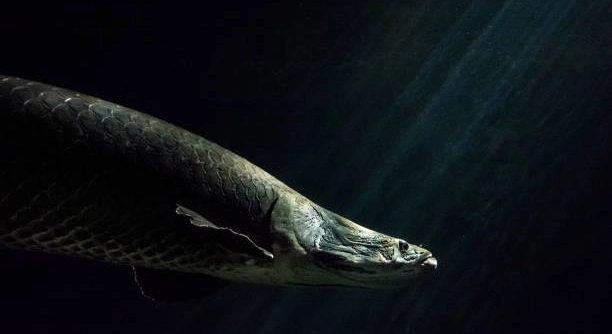
Arowanas are striking fish admired for their shimmering scales and graceful movements. Many aquarists enjoy keeping them but wonder how to tell if their fish are genuinely healthy and thriving in the tank environment.
Healthy arowanas display clear, vibrant scales, smooth swimming patterns, responsive behavior, well-formed fins, bright eyes, consistent appetite, and proper body shape. Observing these visual cues regularly helps ensure the fish are free from stress, disease, or poor water conditions.
Recognizing these signs early can make a big difference in your arowana’s care and longevity in the aquarium.
Vibrant, Shiny Scales
Arowanas with healthy scales catch the eye immediately. Their scales should be bright, uniform, and reflective, showing no dullness or missing patches. I often notice that when my arowana is stressed or sick, its scales lose some shine or develop irregular spots. The vibrancy of their scales is a good initial indicator of overall health. Scales can also reveal water quality issues; cloudy or acidic water may make them appear rough or faded. Regularly checking your fish while feeding or cleaning the tank helps you spot subtle changes before they turn into bigger problems. Maintaining a balanced diet rich in vitamins and minerals supports strong, lustrous scales. This includes high-quality pellets and occasional live or frozen foods. Clean water with stable temperature, pH, and oxygen levels also plays a crucial role in keeping scales in top condition. Observing your arowana closely makes early intervention easier, protecting its beauty and well-being.
Shiny, uniform scales reflect proper nutrition and tank conditions. Dull or missing scales can indicate stress or illness.
Regular attention to scale condition can prevent bigger health issues. Clean water, balanced diet, and stable tank conditions support long-term vibrancy and overall fish health, making monitoring scales a key part of daily care.
Smooth, Confident Swimming
Healthy arowanas move with ease and confidence, gliding through the water without hesitation or wobbling. Their swimming should be fluid, with no signs of struggling near the surface or bottom. I notice when my fish slows or floats unusually, it often signals stress, swim bladder issues, or other internal problems. Observing swimming patterns gives an immediate sense of fitness and energy. Tank layout also affects movement; they need enough open space to swim freely. Overcrowded tanks or strong currents can disturb natural behavior. In a stable environment, arowanas display steady, graceful strokes, rarely bumping into objects. This helps them maintain balance and respond quickly to changes in the tank. Consistent swimming behavior is also a sign that their diet is appropriate, and they are not overfed or underfed.
Arowanas that swim smoothly are usually healthy and comfortable in their environment.
Monitoring movement daily helps spot early signs of illness or stress. Adjusting tank conditions and diet can restore normal swimming behavior, keeping your arowana active, balanced, and alert over time.
Bright, Alert Eyes
Healthy arowanas have clear, bright eyes without cloudiness or swelling. I notice immediately when my fish’s eyes look dull or sunken, which usually signals illness or poor water quality. Eyes are a quick visual check for overall health.
Clear, alert eyes indicate the fish is receiving proper nutrition and lives in a stable environment. Cloudy or bulging eyes can result from infections, vitamin deficiencies, or high ammonia levels. I often test water and adjust feeding habits whenever I see subtle changes, because early action prevents more serious problems. Eyes also reflect age and growth patterns, so comparing older and younger arowanas can show how well they adapt to their surroundings. Observing eye health consistently gives peace of mind that the fish is thriving.
Keeping eyes bright requires regular water changes and a balanced diet. Vitamins in live or frozen food support clarity. Avoid overcrowding, as stress can affect vision over time.
Well-Formed Fins
Fins should be intact, symmetrical, and free from fraying or curling. I immediately notice any irregularities during feeding or tank cleaning. Healthy fins support proper swimming and balance, making them essential to monitor daily.
Torn or clamped fins can result from aggression, infections, or poor water conditions. Regular observation and gentle handling prevent injuries. Maintaining stable temperature, pH, and oxygen levels helps keep fins strong and functional. Feeding high-quality pellets and occasional live foods ensures the fish gets essential nutrients to support fin growth. I also make sure there are no sharp objects in the tank, as these can damage delicate fins. Watching fins gives a clear sense of whether the fish is comfortable and free of stress.
Well-formed fins indicate overall health and resilience. They reflect both diet and environment quality, allowing early intervention if problems arise. Regular inspection ensures your arowana maintains strength and mobility while preventing long-term damage.
Consistent Appetite
A healthy arowana eats regularly and shows interest in food. I can tell immediately if my fish skips meals or hesitates, which often signals stress or illness.
Refusing food or sudden changes in appetite usually point to internal problems, poor water conditions, or dietary imbalance. Monitoring feeding habits helps catch issues early.
Proper Body Shape
Arowanas should have a streamlined, proportional body without bloating or sunken areas. Irregularities often indicate illness or nutrient deficiencies. Observing the body shape during movement helps me judge overall health quickly and accurately.
Responsive Behavior
Healthy arowanas react to their environment and respond to movement near the tank. They should be alert but calm, showing curiosity without excessive stress or aggression.
FAQ
How often should I check my arowana’s scales?
I usually inspect my arowana’s scales at least once a day, especially during feeding. Daily observation helps me notice changes in color, shine, or texture before they develop into bigger problems. Scales often reflect both diet and water quality, so regular checks allow for quick adjustments.
What does it mean if my arowana swims slowly?
Slow swimming can indicate stress, swim bladder issues, or illness. I compare the current behavior to past activity levels. Overcrowded tanks or sudden temperature changes can also slow movement. Ensuring proper tank size and water conditions usually helps restore normal swimming patterns.
Why are my arowana’s fins fraying?
Frayed fins often result from poor water quality, aggression from tank mates, or minor injuries from decorations. I make sure the tank is clean, check pH and ammonia levels, and remove anything sharp. Nutrient-rich food also supports fin recovery and prevents further damage.
How can I tell if my arowana is eating enough?
A strong appetite is a good sign. I monitor how quickly my fish finishes meals and look for consistent feeding behavior. Sudden loss of interest in food can point to illness or stress. Small, frequent meals help maintain appetite and avoid overfeeding.
What causes cloudy eyes in arowanas?
Cloudy or sunken eyes usually indicate infection, vitamin deficiencies, or poor water quality. I test the water for ammonia, nitrite, and nitrate levels and adjust diet to include foods rich in vitamin A. Early attention often prevents permanent eye damage.
How can I prevent my arowana from getting stressed?
Stress comes from poor water conditions, sudden temperature changes, overcrowding, or aggressive tank mates. I maintain a stable environment, limit sudden disturbances, and provide enough space. A calm, consistent routine keeps the fish healthy and responsive.
When should I worry about a bloated body?
Bloating may be caused by overfeeding, constipation, or internal disease. I observe if swelling persists, check feeding habits, and test water conditions. In severe cases, consulting a vet or an experienced aquarist is necessary to prevent serious health issues.
Are arowanas sensitive to tank decorations?
Yes, sharp or rough decorations can injure fins and scales. I choose smooth surfaces and place decorations carefully. Keeping enough open swimming space reduces accidents and stress.
How often should I perform water changes?
Frequent water changes help maintain oxygen, pH, and remove toxins. I typically change 20–30% of water weekly, monitoring levels to keep the environment stable. Consistency prevents stress-related illnesses and supports overall fish health.
Can diet affect my arowana’s appearance?
Absolutely. A balanced diet keeps scales shiny, fins strong, and eyes bright. I feed high-quality pellets, live or frozen food, and supplements as needed. Proper nutrition directly influences energy, appetite, and long-term well-being, making it a key factor in visual cues of health.
How do I know if my arowana is happy?
A happy arowana shows smooth swimming, bright eyes, and consistent feeding. It responds to surroundings without stress or aggression. I watch behavior daily and adjust the tank environment to ensure comfort, which often reflects in appearance and activity.
What signs indicate an immediate problem?
Rapid changes in swimming, appetite loss, frayed fins, dull scales, or abnormal body shape signal urgent attention. I act quickly by checking water quality, diet, and consulting resources or professionals to prevent deterioration. Prompt action often ensures recovery and maintains health.
Can water temperature impact health cues?
Yes. Temperature fluctuations can stress arowanas, causing lethargy, loss of appetite, and dull scales. I maintain a stable temperature suitable for tropical fish. A heater and thermometer help keep conditions consistent, reducing stress and supporting overall vitality.
How do I safely handle my arowana if needed?
I avoid unnecessary handling. When required, I use a soft net and gentle movements to reduce stress and prevent injuries to scales or fins. Handling should be brief, calm, and only for health checks or tank maintenance.
How quickly should I react to health changes?
Immediate observation and intervention are essential. Early detection of changes in scales, fins, eyes, swimming, or appetite often prevents severe illness. I keep detailed notes of behaviors and water conditions to act quickly when issues arise, ensuring the fish remains healthy.
What is the best way to monitor daily health?
Watching feeding, swimming, fin condition, eye clarity, and scale shine daily provides a full picture of health. I make small adjustments to water, diet, and tank conditions as needed. Consistent monitoring builds a routine that keeps problems minimal and easy to manage.
Can tank mates affect visual health cues?
Yes, aggressive or incompatible tank mates can stress arowanas, leading to dull scales, frayed fins, and erratic swimming. I carefully select compatible species and provide enough space to reduce conflict. Stress management improves overall appearance and behavior of the fish.
How do I know my arowana’s fins are recovering?
Fins grow back gradually if the cause of damage is addressed. I watch for new growth, reduced fraying, and restored symmetry. Proper diet, clean water, and stress-free conditions are essential for full recovery, and I track progress weekly for reassurance.
What minor signs are often overlooked?
Small scale discolorations, slight hesitation in swimming, or minor appetite changes are easy to miss. I pay attention to even subtle shifts, as early detection often prevents serious health issues. Daily observation and consistent care make these minor signs valuable indicators of well-being.
How important is tank size for visual health cues?
Arowanas need space to swim freely. Restricted movement can cause stress, uneven body shape, and frayed fins. I ensure my tank is large enough to accommodate full growth and natural behavior. Adequate space supports proper movement, feeding, and overall physical condition.
What is the most common mistake that affects visual health?
Neglecting water quality, overfeeding, and overcrowding often lead to dull scales, frayed fins, and abnormal swimming. I focus on maintaining clean water, balanced nutrition, and enough space, which consistently prevents most visible health problems.
How long does it take to see improvement after changes?
Visual improvements usually appear within a few weeks if water, diet, and tank conditions are corrected. I monitor scales, fins, and behavior closely. Patience and consistency are key, as some signs like fin regrowth or increased vibrancy take time to fully develop.
Can supplements help improve appearance?
Yes, vitamins and minerals in pellets or occasional live food support scale shine, eye clarity, and fin strength. I use them cautiously and according to recommendations, balancing nutrition without overfeeding. Proper supplementation complements a healthy diet for long-term visual cues.
What routine keeps visual health cues consistent?
Daily feeding observation, weekly water testing, regular partial water changes, careful tank decoration, and occasional health checks create a consistent routine. I keep notes on any behavioral changes, ensuring the fish remains vibrant, alert, and strong. Consistency in care reinforces all aspects of visual health.
How do I know if stress is affecting appearance?
Signs include dull scales, clamped fins, erratic swimming, or loss of appetite. I address potential stress sources like water fluctuations, tank mates, or sudden changes. Observing these cues daily allows me to intervene quickly, preventing long-term impact on health and appearance.
Is there a way to prevent common visual problems?
Maintaining clean water, a balanced diet, suitable tank conditions, and observing behavior daily reduces the risk of dull scales, frayed fins, or abnormal swimming. I prioritize these factors, as prevention is always easier than recovery and ensures my arowana stays healthy and alert.
How important is consistency in care?
Consistency directly affects scales, fins, eyes, and behavior. I stick to feeding schedules, water maintenance, and observation routines. Regular care prevents stress, illness, and visual deterioration, keeping the fish strong and vibrant over time.
What should I do if multiple signs appear at once?
Immediate attention is crucial. I test water, adjust diet, isolate if necessary, and consult professional advice. Multiple signs often indicate serious problems, and prompt intervention maximizes the chance of full recovery, protecting both appearance and overall health.
How do I track subtle changes over time?
I take notes, photos, or videos weekly. Tracking allows comparison, helping me catch gradual shifts in scales, fins, eyes, or swimming. Subtle changes often precede major issues, and consistent monitoring ensures early action and effective care.
Can seasonal changes affect visual cues?
Yes, temperature fluctuations and light changes can stress arowanas. I adjust heating, lighting, and feeding accordingly. Monitoring these cues ensures the fish maintains bright scales, healthy fins, and normal behavior despite environmental changes.
Are young arowanas different in visual cues?
Juveniles may have slightly less vibrant scales and smaller fins, but consistent growth and activity indicate health. I pay attention to proportional development, appetite, and swimming patterns, which show whether they are thriving in the tank.
What is the most reliable visual cue overall?
Smooth swimming, bright scales, clear eyes, intact fins, and regular appetite together form the most reliable indicators. I look for all these signs collectively, as they provide a comprehensive view of my arowana’s health, minimizing overlooked problems.
How do I maintain long-term visual health?
Balanced diet, clean water, proper tank size, compatible mates, stable temperature, and daily observation are key. I keep a routine, monitor subtle changes, and intervene quickly when needed. Long-term consistency ensures my arowana remains strong, alert, and visually healthy for years.
Can stress-free interaction improve visual cues?
Yes, gentle observation and minimal disturbance keep stress low. I avoid tapping on the glass or sudden movements, allowing the fish to display natural behavior, vibrant scales, and smooth swimming without unnecessary stress.
What role does water clarity play?
Clear, clean water highlights scales and eyes, reduces infections, and supports healthy fins. I maintain filtration and perform regular water changes. Water clarity is not just aesthetic—it reflects the overall health of my arowana and helps detect early warning signs.
How do I combine all visual cues for a complete check?
I observe scales, fins, eyes, body shape, swimming, and appetite together. Any deviation prompts investigation into water, diet, or behavior. Monitoring all cues collectively ensures a comprehensive understanding of health and allows timely corrective measures for a thriving arowana.
How can I prevent recurring issues?
Maintaining water quality, balanced diet, suitable tank environment, and daily observation prevents most recurring problems. I adjust care as needed and track behavior over time, ensuring visual cues remain consistent and my fish stays healthy.
Are there signs that should never be ignored?
Rapid fin deterioration, bulging eyes, abnormal body shape, or severe lethargy demand immediate action. I treat these as urgent, testing water, adjusting diet, and consulting professionals. Ignoring them can lead to irreversible health decline.
Can minor changes indicate future health problems?
Yes, small shifts in scales, appetite, or swimming often precede larger issues. I monitor subtle changes carefully, adjusting care early to prevent serious problems. Consistent observation allows proactive measures, keeping the arowana healthy and visually vibrant.
What is the easiest visual cue to track daily?
Appetite and swimming patterns are easiest to observe daily. I watch how the fish reacts to feeding and moves through the tank, which immediately reflects stress, health, or diet problems. Daily attention keeps other cues easier to monitor.
How do visual cues reflect overall well-being?
Bright scales, intact fins, clear eyes, proper body shape, and smooth swimming indicate nutrition, water quality, and stress management are adequate. I rely on these cues as a quick assessment, ensuring that my arowana is physically and mentally healthy.
Can visual health cues predict lifespan?
Consistent signs of health—vibrant scales, strong fins, bright eyes, regular appetite, and smooth swimming—often correlate with longevity. I focus on maintaining these cues, knowing that attentive care directly supports a long, healthy life for my arowana.
How often should I update care routines based on cues?
Whenever I notice consistent changes in scales, fins, eyes, appetite, or swimming, I review diet, water, and tank conditions. Adjustments ensure problems don’t escalate. I find that minor, frequent updates keep the fish healthier than large, infrequent changes.
Do visual cues differ between species of arowanas?
Yes, slight differences exist in coloration, scale size, and fin shape. I compare with species-specific norms, using general cues like clarity of eyes, fin integrity, and swimming patterns as universal indicators of health across varieties.
What is the most important daily habit for visual health?
Observing the fish’s behavior and appearance every day. I note appetite, swimming, scale shine, and fin condition. This simple habit allows me to detect early signs of stress or illness and adjust care immediately, keeping the arowana healthy.
How can I track multiple fish effectively?
I maintain a checklist or journal for each arowana. Recording scales, fins, eyes, appetite, and swimming helps identify individual issues. Comparing notes allows me to manage multiple fish without missing subtle health changes.
How do I know if water changes are enough?
If scales remain shiny, fins intact, eyes clear, and appetite consistent, water changes are adequate. I monitor ammonia, nitrite, nitrate, and pH levels regularly. Adjustments are made if visual cues suggest water quality is declining.
Can tank lighting affect visual cues?
Yes, proper lighting enhances scale coloration and encourages natural behavior. I avoid overly bright or dim lighting. Balanced lighting supports health, reduces stress, and makes changes in appearance easier to detect.
How long does it take for visual cues to reflect water or diet changes?
Usually a few days to a couple of weeks. I track scales, fins, eyes, swimming, and appetite during this time. Improvement in these areas signals that changes are working, while lack of progress indicates further adjustment is needed.
Should I separate a sick arowana immediately?
Isolation helps prevent spread of disease and reduces stress on the affected fish. I move it to a quarantine tank while maintaining water quality and monitoring visual cues closely. Prompt separation often leads to faster recovery.
How does stress show differently than illness?
Stress may show as clamped fins, dull scales, or hesitation in swimming, but appetite might remain normal. Illness often includes multiple changes like cloudy eyes, loss of appetite, or bloating. I use a combination of visual cues to determine the cause and act accordingly.
What is the final check before assuming health?
I confirm consistent appetite, smooth swimming, bright scales, clear eyes, intact fins, and proper body shape. All cues aligned give confidence that my arowana is healthy, active, and thriving in the tank environment.
How can I make visual monitoring part of a daily routine?
I observe the fish during feeding, cleaning, or maintenance. Noting any changes in scales, fins, eyes, swimming, or appetite becomes second nature. Daily monitoring ensures early detection of issues and helps maintain long-term health.
What role does diet variety play in visual cues?
Diet variety ensures scales remain vibrant, fins strong, and eyes clear. I rotate pellets, live, and frozen foods, making sure essential vitamins and minerals are included. A varied diet reduces deficiencies and supports consistent visual indicators of health.
How do visual cues differ between young and adult fish?
Young arowanas may have smaller fins and slightly duller scales but should still swim confidently and eat regularly. I focus on growth, proportional body shape, and consistent behavior as indicators that juveniles are developing healthily.
Can minor injuries affect overall visual health?
Yes, small cuts or scrapes can lead to frayed fins or missing scales. I monitor injuries, maintain clean water, and provide proper nutrition to promote healing, ensuring minor damage doesn’t escalate into major health problems.
How do I combine observation with preventive care?
I use visual cues to adjust diet, water, and tank conditions before problems arise. Daily observation, consistent maintenance, and careful monitoring prevent stress and illness, keeping my arowana healthy and visually vibrant long-term.
What are the top three visual cues to prioritize?
Smooth swimming, bright scales, and intact fins. I focus on these first as they provide the clearest indication of health. Regular monitoring of these cues allows early intervention and maintains the fish’s overall well-being effectively.
How do I know when to seek professional help?
If multiple visual cues worsen rapidly—dull scales, cloudy eyes, frayed fins, abnormal swimming, or appetite loss—I contact a veterinarian or experienced aquarist. Prompt professional advice prevents long-term damage and ensures the fish receives proper care quickly.
Can stress-free handling improve long-term health cues?
Yes, minimizing handling reduces risk of fin damage, scale loss, and stress-related issues. I handle my arowana only when necessary, using gentle techniques. This supports consistent visual indicators of health over time.
How often should I record visual observations?
Daily notes or weekly photos help track trends and subtle changes. I record appetite, swimming, scales, fins, and eyes. Consistent documentation provides early warning signs and confirms the effectiveness of care adjustments.
What is the easiest way to notice subtle changes?
Watching behavior during feeding or movement in the tank is simplest. Small shifts in speed, fin position, or scale shine are easier to detect in familiar routines. I integrate observation into daily tasks for effortless monitoring.
How do I prevent recurring fin problems?
Maintain clean water, provide proper nutrition, avoid aggressive tank mates, and remove sharp decorations. I monitor fins regularly to catch fraying early and prevent long-term issues. Prevention keeps fins strong and ensures smooth swimming.
Can diet alone fix dull scales?
Diet helps, but water quality, tank conditions, and stress management are equally important. I ensure a balanced, nutrient-rich diet and stable environment to restore shine and maintain vibrant scales consistently.
What visual cues indicate recovery after illness?
Restored appetite, smooth swimming, bright scales, clear eyes, and intact fins show recovery. I watch progress carefully to confirm the fish is regaining full health and thriving in its environment again.
How long does full recovery take?
Depending on the problem, recovery can take days to weeks. I maintain clean water, proper diet, and stress-free conditions. Visual cues improve gradually, giving confidence that the fish is returning to full health.
Can water testing prevent visual problems?
Yes, monitoring ammonia, nitrite, nitrate, and pH prevents stress-related scale, fin, and eye issues. I test water regularly to catch potential problems early and maintain a healthy environment for my arowana.
What is the best daily observation strategy?
Observe during feeding, note swimming patterns, check scales, fins, eyes, and appetite. I integrate this routine into daily
Arowanas are beautiful fish that require careful attention to maintain their health. Watching visual cues such as scales, fins, eyes, body shape, swimming, and appetite provides clear signs of their well-being. I have learned that regular observation makes it easier to spot changes early, which helps prevent serious problems. Healthy arowanas generally display bright, uniform scales without dull spots or damage. Their fins remain intact and symmetrical, showing no signs of fraying or curling. Clear, bright eyes indicate proper nutrition and a stable environment, while smooth swimming reflects both physical fitness and comfort in the tank. Paying attention to these cues every day allows me to understand my fish better and respond quickly if any issue arises.
Proper care goes beyond observation. Maintaining clean water with stable temperature, pH, and oxygen levels is essential to supporting all visual indicators of health. I perform regular partial water changes, monitor ammonia and nitrate levels, and remove any debris to ensure a healthy environment. Diet also plays a critical role. Feeding high-quality pellets, occasional live or frozen food, and supplements when necessary keeps scales vibrant, fins strong, and appetite consistent. Overfeeding or sudden changes in diet can affect swimming, body shape, and overall vitality. Providing enough open space in the tank allows the arowana to move freely and maintain proper muscle tone. Minimizing stress from aggressive tank mates or sudden disturbances contributes to smoother swimming patterns and calmer behavior, which are also important signs of well-being.
Consistency in care is the key to long-term health for arowanas. Daily monitoring, regular water maintenance, and a balanced diet create a stable environment where the fish can thrive. Even small changes in visual cues, like dull scales or hesitation while swimming, can signal a need for adjustment. By observing these indicators and responding promptly, I can prevent problems from escalating and ensure my fish remains strong and alert. Paying attention to multiple cues together—scales, fins, eyes, body shape, appetite, and behavior—gives a full picture of overall health. Arowanas that receive steady, attentive care typically show lasting vibrancy and energy, demonstrating that regular observation and proper maintenance are the foundation of a thriving aquarium. Consistent routines and careful attention help the fish live longer, healthier lives while maintaining the striking appearance that makes arowanas so captivating.

Hello,
If you enjoy the content that we create, please consider saying a "Thank You!" by leaving a tip.
Every little bit helps us continue crafting quality advice that supports the health, happiness, and well-being of pets around the world, for pets of all shapes, sizes, and species.
We really appreciate the kindness and support that you show us!