7 Clues Your Shrimp Aren’t Getting Enough Food
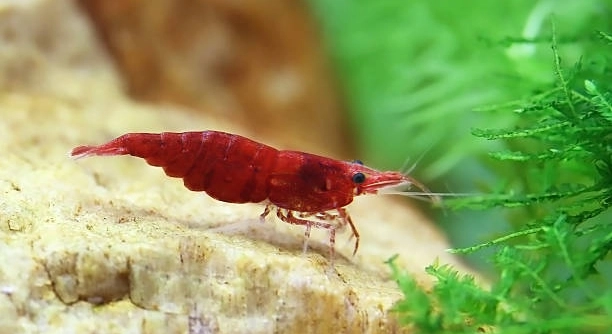
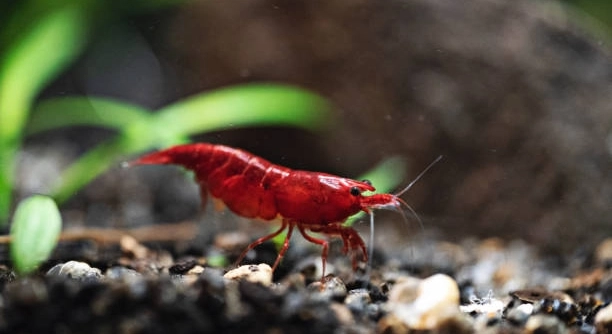
Are your shrimp acting less active than usual or hiding more often in the corners of the tank? Observing their daily habits can reveal subtle signs that something in their care might be off. Shrimp that are not receiving adequate food may show stunted growth, reduced molting frequency, decreased activity, and a weakened immune response. … Read more
Can Cherry Shrimp Learn Tank Routines?

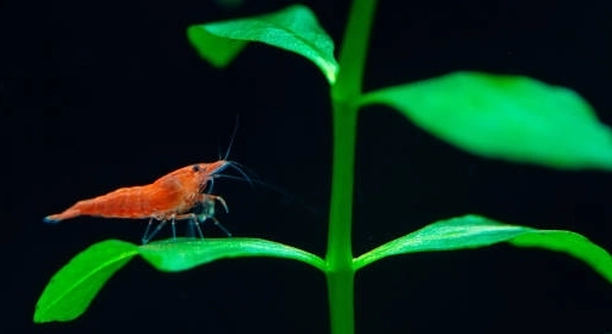
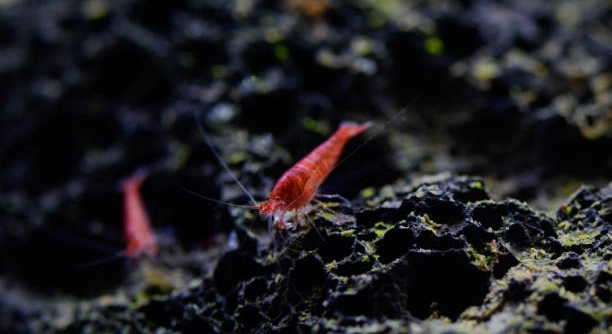
Have you ever watched your cherry shrimp glide around their tank and wondered if they recognize the rhythms of their little world each day as you feed them and care for their peaceful underwater space? Cherry shrimp can adapt to steady tank routines through associative learning, reacting to repeated cues like feeding times and lighting … Read more

Why Shrimp Gather Around Certain Tank Items

Many shrimp owners notice their pets often gather around decorations, plants, or other tank items. These tiny creatures display distinct preferences, moving toward certain spots more than others within the aquarium environment. Shrimp are naturally attracted to areas that provide safety, food sources, or surfaces suitable for grazing. Tank items offer shelter, surfaces for biofilm … Read more

7 Reasons Shrimp Fights Might Be Happening

Have you ever noticed your shrimp acting aggressively in their tank, nipping at each other or chasing one another around? These behaviors can be surprising, especially if your shrimp usually seem calm and peaceful. Shrimp fights often occur due to competition over food, territory, or mates. Environmental stressors, overcrowding, and water quality also play significant … Read more

Do Cherry Shrimp Recognize Specific Foods?

Cherry shrimp are small, vibrant creatures often kept in home aquariums. Many hobbyists notice their feeding habits and wonder how these tiny shrimp respond to different foods offered in their tanks. Cherry shrimp can recognize specific foods through visual and chemical cues. They learn to associate certain smells and appearances with nourishment, allowing them to … Read more

Do Cherry Shrimp Understand Depth in a Tank?

Do you enjoy keeping cherry shrimp in your tank but find yourself noticing how they move through different levels? Observing these tiny creatures can be fascinating, as they explore both the surface and the hidden corners. Cherry shrimp are capable of perceiving depth within their tank. Their visual and sensory systems allow them to distinguish … Read more

Do Cherry Shrimp Sleep Together or Spread Out?

Have you ever noticed your cherry shrimp quietly moving around their tank and wondered about their resting habits? These tiny freshwater creatures have unique behaviors that are both fascinating and subtle to observe. Cherry shrimp do not typically sleep together in clusters. They prefer to spread out across the tank, finding individual spots among plants, … Read more

7 Observations That Suggest a Happy Shrimp

Do your aquariums sometimes feel like they are missing a lively spark despite careful maintenance? Observing shrimp can reveal more than just activity; subtle behaviors indicate whether they are thriving and content in their environment. Happy shrimp display distinct behaviors and physical signs that reflect optimal well-being. Healthy coloration, active movement, regular feeding, and consistent … Read more

Are Cherry Shrimp Better in Groups?

Have you ever watched cherry shrimp gliding across the substrate of your aquarium and wondered how they behave with others? Observing their tiny movements and interactions can be surprisingly calming and interesting to notice. Cherry shrimp thrive better in groups because they display more natural behaviors, feel safer, and reduce stress when kept with companions. … Read more

7 Reasons Cherry Shrimp Hover Near the Surface

Cherry shrimp are small, colorful creatures that often attract attention in aquariums. Observing their behavior can be fascinating, especially when they spend more time near the water’s surface than at the bottom. Cherry shrimp hover near the surface for several reasons, including oxygen levels, water quality, temperature fluctuations, and feeding habits. Surface activity can indicate … Read more