
Do your aquariums sometimes feel like they are missing a lively spark despite careful maintenance? Observing shrimp can reveal more than just activity; subtle behaviors indicate whether they are thriving and content in their environment.
Happy shrimp display distinct behaviors and physical signs that reflect optimal well-being. Healthy coloration, active movement, regular feeding, and consistent molting patterns are all reliable indicators that shrimp are experiencing minimal stress and a well-balanced habitat.
Recognizing these behaviors early can enhance care routines and promote a thriving aquatic environment for your shrimp population.
Bright and Vibrant Coloration
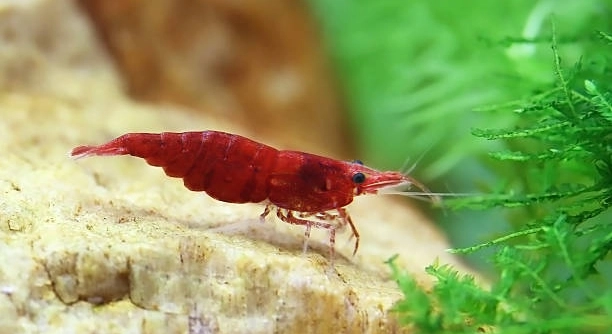
Shrimp that are happy often show bright, vibrant colors. When their colors appear strong and consistent, it is a clear sign that they are receiving proper nutrition and living in a stable environment. Dull or faded colors can indicate stress, illness, or poor water quality. Observing the intensity of their hues over time can give insights into their overall health. For example, cherry shrimp with deep red tones or crystal red shrimp with clear, sharp patterns are usually thriving. Coloration can also vary slightly with molting cycles, but consistent vibrancy is a positive signal. Ensuring balanced food with essential nutrients and maintaining clean, stable water conditions will help support these colors. Light exposure and tank plants also play a role, as shrimp may hide or appear less vivid in areas with poor lighting. Regular observation allows for early detection of any changes that could suggest discomfort or declining health.
Color vibrancy is one of the most immediate signs that shrimp are healthy and comfortable in their habitat.
By monitoring coloration alongside activity and feeding behaviors, you can ensure your shrimp continue to thrive. Healthy shrimp often exhibit subtle changes before more serious problems arise. Regular water testing, appropriate tank mates, and sufficient hiding places all contribute to maintaining these vivid colors. Observing them during daylight hours can reveal natural behaviors and interactions that indicate contentment. In addition, offering a variety of foods, including algae, biofilm, and occasional protein sources, supports their nutritional needs and helps sustain strong coloration. Sudden changes in color can signal a need for intervention, such as adjusting water parameters or reviewing feeding routines. Tracking color over several weeks allows you to notice patterns related to molting and seasonal behavior. Overall, vibrant coloration, combined with active movement and proper growth, is one of the clearest indicators that your shrimp are happy and well-cared-for.
Active and Curious Behavior
Happy shrimp tend to move around their tank actively, exploring surfaces and interacting with their environment. Their curiosity often leads them to graze on biofilm and investigate new plants or decorations.
Observing frequent movement and engagement suggests shrimp feel secure and comfortable.
Active shrimp demonstrate consistent swimming, foraging, and occasional climbing on plants or structures. They respond to changes in the environment without panic, which reflects a stable habitat and good water quality. Shrimp that hide excessively or remain inactive for long periods may be experiencing stress, inadequate nutrition, or unsuitable tank conditions. Regular observation during feeding times can reveal patterns of social interaction and territorial behavior, which help maintain a balanced community. Ensuring the tank is not overcrowded, providing proper filtration, and maintaining ideal temperature and pH levels encourages exploration and natural behaviors. Active shrimp are not only healthier but also more likely to molt successfully and reproduce, making their overall well-being easier to maintain. Keeping the environment stimulating with plants, moss, and hiding spots supports mental and physical activity, reinforcing their happiness and security within the tank.
Regular Molting
Molting is a natural process for shrimp, and happy shrimp molt regularly without issues. Healthy shrimp shed their exoskeleton smoothly and continue normal activity afterward, indicating proper growth and a well-balanced diet.
Regular molting is a critical sign of shrimp health. Shrimp that molt consistently are growing as expected and maintaining strong exoskeletons. Irregular or incomplete molting may suggest stress, poor water quality, or insufficient minerals such as calcium and magnesium. Providing mineral-rich water, stable temperature, and adequate hiding places can help shrimp molt successfully. Observing their molting patterns allows for early detection of potential problems, ensuring shrimp maintain their growth and vitality. Healthy shrimp often leave their old exoskeleton behind without consuming it immediately, showing confidence in their environment.
Molting also plays a role in shrimp coloration and activity. After a successful molt, shrimp often display brighter colors and increased activity. This process is energy-intensive, so maintaining proper nutrition with a variety of foods ensures that shrimp recover quickly and remain healthy. Consistent molting schedules are also linked to reproductive health, as shrimp that molt on time are more likely to engage in breeding behaviors. Watching molting patterns can provide reassurance that your shrimp are thriving and adapting well to their habitat.
Social Interaction
Shrimp that are comfortable in their tank interact naturally with others, showing coordinated foraging and occasional playful movement. They rarely display aggression and often share spaces without stress.
Social behaviors indicate comfort and security. Observing shrimp grazing together or gently exploring the same areas signals they feel safe and unstressed. Shrimp communicate through subtle movements and touch, and harmonious interactions reflect a balanced environment. Lack of social behavior may point to overcrowding, poor water quality, or incompatible tank mates. Encouraging social behaviors can be achieved by maintaining proper population density, providing hiding spots, and ensuring sufficient food distribution. Healthy shrimp often form small groups around favorite grazing areas, demonstrating trust and contentment.
Group interactions support both physical and mental well-being. Social shrimp are more likely to maintain healthy activity levels, grow efficiently, and molt successfully. Watching them interact provides insight into tank conditions and population dynamics, allowing you to adjust care as needed. Maintaining an environment with plants, moss, and gentle currents encourages exploration and natural behaviors. Social engagement also helps shrimp feel secure, reducing stress-related health issues and promoting long-term happiness. Consistent monitoring of group behaviors can guide feeding schedules, tank cleaning, and habitat adjustments to maintain a thriving shrimp community.
Healthy Appetite
Happy shrimp eat regularly and show interest in a variety of foods. They actively graze on biofilm, algae, and supplemental foods without hesitation, reflecting a balanced diet and stable tank conditions.
Consistent feeding patterns indicate shrimp are receiving proper nutrition. Shrimp that ignore food or show irregular feeding may be stressed, sick, or living in unsuitable water conditions.
Clear and Clean Shell
A smooth, intact exoskeleton is a strong indicator of shrimp health. Cracks, discoloration, or deformities can signal nutritional deficiencies or environmental stress. Maintaining water quality and providing adequate minerals supports shell strength. Healthy shells also help shrimp molt successfully, preventing complications during growth.
Calm and Steady Movement
Shrimp that move steadily and confidently are generally content. Erratic or frantic swimming may indicate stress or poor water conditions. Consistent, purposeful movement reflects a stable environment and positive well-being.
Active Foraging
Shrimp that explore their tank regularly while grazing show natural behavior and comfort. Active foraging is a clear sign that shrimp feel secure and are thriving in their environment.
How do I know if my shrimp are happy?
Observing shrimp behavior is the most reliable way to assess their happiness. Signs of contentment include bright, consistent coloration, regular molting, active movement, and natural foraging behaviors. Happy shrimp will interact calmly with tank mates and explore their environment confidently. Stress or discomfort often manifests as hiding, lethargy, or irregular feeding. Monitoring these behaviors over time allows you to detect changes early and adjust care accordingly. Maintaining stable water conditions, balanced nutrition, and a safe environment supports both physical health and overall contentment.
What water conditions are best for happy shrimp?
Shrimp thrive in stable, clean water with appropriate temperature, pH, and hardness levels. Most freshwater species prefer slightly acidic to neutral pH and soft to moderately hard water, depending on their type. Frequent water testing ensures parameters remain consistent and helps prevent stress. Temperature fluctuations should be minimized, as sudden changes can trigger hiding or erratic behavior. Filtration and regular water changes remove waste and maintain clarity. Adding plants or moss provides shelter and encourages natural grazing, improving overall well-being. Clean, stable water is a foundation for healthy coloration, molting, and active social interactions.
How often should I feed my shrimp?
Feeding frequency depends on shrimp type, population, and tank size. Generally, providing small amounts once or twice daily prevents overfeeding and water pollution. Shrimp consume biofilm and algae naturally, so supplemental foods should complement their regular grazing. Observe feeding behavior to adjust quantities, ensuring food is consumed within a few hours. Uneaten food can decay, reducing water quality and affecting shrimp health. A varied diet including algae wafers, blanched vegetables, and occasional protein sources promotes growth, coloration, and successful molting. Balanced nutrition supports both physical health and natural behaviors.
Why is molting important for shrimp?
Molting allows shrimp to grow by shedding their old exoskeleton and forming a new one. Regular, successful molting is a key indicator of proper nutrition and a stable environment. Problems with molting, such as incomplete shedding or delayed cycles, may suggest mineral deficiencies, stress, or unsuitable water conditions. Providing calcium-rich foods, stable water parameters, and hiding spaces helps shrimp molt safely. Molting also affects coloration, activity, and reproductive readiness. Observing shrimp during and after molting provides insight into their overall health and well-being, allowing for timely intervention if issues arise.
How can I encourage social behavior in shrimp?
Shrimp feel secure when tank conditions support natural interactions. Providing adequate hiding places, plants, and open spaces helps them explore and interact without stress. Avoid overcrowding and ensure compatible tank mates to reduce competition. Observing group grazing, coordinated movement, and calm interactions indicates comfort. Social behavior promotes mental stimulation, natural feeding patterns, and healthy activity levels. Active interaction also supports successful molting and reproduction. By maintaining a safe, balanced environment, shrimp are more likely to exhibit natural social behaviors, reflecting overall happiness.
What should I do if my shrimp stop eating?
Loss of appetite can signal stress, illness, or poor water quality. First, check water parameters, temperature, and filtration. Evaluate diet for balance and freshness. Observe for signs of disease or injury. Introducing small amounts of preferred foods, like blanched vegetables or algae wafers, can encourage feeding. Ensure hiding spaces are available to reduce stress. Monitoring behavior and addressing environmental issues promptly helps shrimp regain their appetite. Consistent care and attention to water quality are essential for restoring normal feeding patterns and maintaining shrimp health.
Can tank decorations affect shrimp happiness?
Yes, decorations, plants, and hiding spots directly influence shrimp comfort. Shrimp feel secure when they have areas to hide, rest, and explore. Moss, live plants, and small caves provide both shelter and grazing surfaces for biofilm. Open spaces allow movement and interaction without stress. Avoid overcrowding with decorations that limit swimming or access to food. Balanced tank layout supports natural behavior, reduces stress, and encourages active exploration. Observing how shrimp use decorations can help optimize the environment for well-being and overall contentment.
How do I tell if my shrimp are stressed?
Signs of stress include hiding for extended periods, erratic swimming, faded coloration, and reduced feeding. Molting problems or aggression between tank mates may also indicate discomfort. Water parameter fluctuations, overcrowding, or incompatible tank mates are common stressors. Promptly identifying stressors and adjusting conditions, diet, or population density can restore calm and health. Consistent observation and maintenance ensure shrimp remain active, colorful, and socially engaged, reflecting happiness. Stress prevention is easier than correction and is crucial for long-term shrimp well-being.
What role does diet play in shrimp happiness?
A balanced diet supports growth, coloration, molting, and energy levels. Shrimp naturally consume algae and biofilm, but supplemental foods like blanched vegetables and specialized pellets provide essential nutrients. Protein sources aid molting and reproduction. Inadequate nutrition can lead to dull coloration, lethargy, or molting issues. Observing feeding habits helps determine if adjustments are needed. Variety and consistency in diet ensure shrimp maintain healthy activity levels and overall contentment. Providing food that mimics natural grazing supports natural behaviors, which contributes directly to their happiness in the tank environment.
How do I maintain long-term shrimp happiness?
Maintaining shrimp happiness requires stable water parameters, consistent feeding, a clean environment, and suitable hiding spaces. Regular observation of behavior, coloration, and molting helps detect early signs of stress or illness. Ensuring social interaction without overcrowding supports natural behaviors. A balanced, mineral-rich diet, plants, and open spaces encourage exploration and grazing. Gradual adjustments to tank conditions prevent shocks that could affect well-being. Maintaining these practices consistently allows shrimp to thrive, stay active, and display the behaviors that indicate contentment and health.
Happy shrimp are a sign that an aquarium is well-maintained and that care routines are effective. Observing shrimp regularly helps you understand their needs and ensures they remain healthy. Bright coloration, steady movement, regular molting, and active foraging all reflect a stable environment and proper nutrition. By paying attention to these signs, you can make small adjustments to their habitat that have a big impact on their overall well-being. Ensuring that water parameters remain stable, food is varied and nutritious, and hiding spots are available allows shrimp to feel secure and thrive. These simple steps create conditions where shrimp can behave naturally and display the behaviors that indicate contentment.
Water quality plays a critical role in maintaining happy shrimp. Regular testing of parameters such as pH, hardness, ammonia, nitrite, and nitrate ensures that conditions remain within suitable ranges for the species in your tank. Temperature consistency is also important, as sudden fluctuations can stress shrimp and affect their activity, feeding, and molting. Providing adequate filtration, performing partial water changes, and removing debris help maintain clarity and reduce toxins. Plants, moss, and other decorations serve both as grazing surfaces and hiding spots, supporting natural behaviors and reducing stress. When water quality is consistent and the environment is thoughtfully arranged, shrimp are more likely to display healthy growth, vibrant colors, and active behaviors.
Nutrition and observation are equally important in supporting shrimp well-being. Offering a balanced diet that includes algae, biofilm, blanched vegetables, and occasional protein supplements ensures they receive essential nutrients for growth and molting. Observing how shrimp interact with each other and their surroundings provides insight into their comfort levels. Social behavior, such as group grazing or gentle interactions, indicates security and stability in the tank. By combining proper diet, stable water conditions, and regular observation, it is possible to create an environment where shrimp thrive. Paying attention to these details helps prevent problems before they arise and fosters long-term health and happiness, allowing shrimp to display the natural behaviors that make them a rewarding and engaging addition to an aquarium.

Hello,
If you enjoy the content that we create, please consider saying a "Thank You!" by leaving a tip.
Every little bit helps us continue crafting quality advice that supports the health, happiness, and well-being of pets around the world, for pets of all shapes, sizes, and species.
We really appreciate the kindness and support that you show us!