
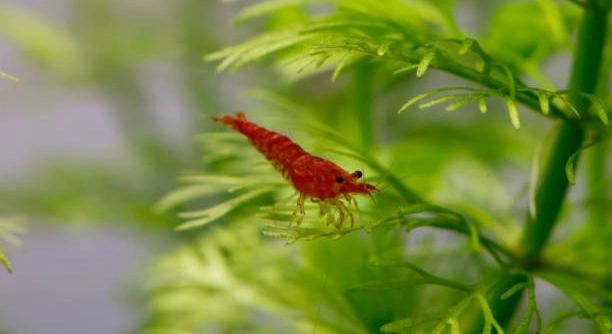
Cherry shrimp are small, vibrant creatures often kept in home aquariums. Many hobbyists notice their feeding habits and wonder how these tiny shrimp respond to different foods offered in their tanks.
Cherry shrimp can recognize specific foods through visual and chemical cues. They learn to associate certain smells and appearances with nourishment, allowing them to respond faster to preferred food types while ignoring less familiar options in their environment.
Observing these behaviors can help improve feeding practices and ensure your shrimp receive the nutrition they need to thrive in a healthy aquarium.
How Cherry Shrimp Identify Food
Cherry shrimp rely heavily on their senses to locate and identify food. They use chemoreception to detect chemicals in the water, which helps them distinguish between edible and inedible materials. Over time, they become familiar with the foods they encounter regularly, responding more quickly to familiar scents. Visual cues also play a role; shrimp notice the color, shape, and movement of food particles. This combination of senses allows them to forage efficiently even in complex tank environments. Consistency in feeding can help them learn which foods are safe, and variations in diet can encourage natural foraging behavior. Observing their reactions over time gives insight into their preferences and can improve overall care. Providing a range of foods, from algae wafers to blanched vegetables, ensures they get proper nutrition. This recognition helps shrimp maintain energy, grow properly, and remain active in the aquarium.
Recognizing specific foods improves feeding efficiency and reduces waste, ensuring your shrimp receive consistent nutrition in their tank environment.
Repeated exposure to certain foods strengthens shrimp memory. They can anticipate feeding times and move toward familiar food quickly. Understanding this behavior allows better planning for tank management and supports healthy growth, reducing stress and competition among shrimp.
Tips to Encourage Food Recognition
Introduce new foods gradually, mixing them with familiar options. This allows shrimp to explore safely and adapt without hesitation.
Start with small amounts of new food and observe reactions closely. Some shrimp may take longer to accept changes, while others respond quickly. Patience is key. Ensure the tank is clean and free from debris that could distract or confuse them. Using a consistent feeding area helps shrimp associate specific locations with meals. Rotating food types occasionally encourages a balanced diet while maintaining their ability to recognize preferred options. Over time, shrimp develop predictable behaviors, moving toward favored foods with minimal delay. Adjusting feeding schedules and amounts to their response can prevent overfeeding and maintain water quality. By monitoring reactions, owners can fine-tune feeding practices for optimal nutrition and shrimp health. This approach supports natural instincts and enhances their overall activity and interaction in the aquarium.
Observing Feeding Patterns
Cherry shrimp often approach food in a consistent manner, moving slowly toward familiar items. They may pause to inspect before nibbling, showing clear recognition of what is safe and desirable in their environment.
Feeding patterns reveal much about their preferences. Shrimp will often prioritize certain foods, such as algae wafers or blanched vegetables, over others. They tend to gather quickly around items they recognize, leaving unfamiliar food untouched for longer periods. Observing which foods are consumed first can help determine their favorites and guide future feeding choices. Timing also affects behavior, as shrimp often become more active just before regular feeding intervals, demonstrating an ability to anticipate meals. Understanding these patterns can make feeding more efficient and reduce waste, while ensuring all shrimp have access to proper nutrition. Consistent observation strengthens knowledge of their habits.
Over time, shrimp may develop subtle routines around feeding areas. They may repeatedly visit the same spot or respond to the presence of food at certain times. Tracking these behaviors helps in arranging tank environments to suit their natural tendencies. Adjusting feeding strategies based on observed patterns promotes healthier growth, reduces stress, and encourages active exploration. Additionally, monitoring interactions among shrimp during feeding can highlight social dynamics and competition, allowing for better distribution of food. Providing multiple feeding spots can prevent dominant individuals from consuming all resources, ensuring a balanced and fair feeding process.
Factors Affecting Food Recognition
Shrimp rely on water quality, lighting, and temperature to effectively recognize foods. Poor conditions can reduce their ability to detect preferred items.
Environmental factors directly influence shrimp behavior. Water parameters like pH, hardness, and cleanliness impact their sensory abilities, while lighting conditions affect visibility of foods. Changes in temperature can alter metabolism, making them slower or less responsive to meals. Even subtle disturbances, such as tank vibrations or frequent movement near the aquarium, can cause hesitation during feeding. Regularly maintaining stable conditions supports food recognition and encourages active foraging. Consistency in tank environment, combined with gradual introduction of new foods, enhances shrimp confidence in approaching unfamiliar items. Understanding these environmental influences allows for more controlled and predictable feeding sessions, promoting overall shrimp health and activity levels.
Recognizing Favorite Foods
Cherry shrimp often show clear preference for certain foods, moving quickly toward items they know. They can distinguish these from unfamiliar foods, responding with greater activity and focus during feeding times.
Repeated exposure strengthens their recognition. Shrimp remember which foods provide nourishment and tend to prioritize them, ignoring less familiar items until they feel safe to explore them.
Impact of Food Texture
Texture plays a significant role in shrimp food recognition. Softer foods are often consumed first, while harder items may require more time or effort. They use their tiny claws to test and manipulate textures before committing to eating.
Feeding Frequency and Learning
Shrimp can learn feeding schedules with repeated practice. They become more active at times when food is usually offered, anticipating meals and showing increased movement in the tank prior to feeding sessions.
Avoiding Overfeeding
Monitoring portion sizes helps shrimp maintain healthy habits. Overfeeding can reduce their ability to recognize foods properly and can harm water quality, affecting their overall well-being.
FAQ
Do cherry shrimp really recognize different types of food?
Yes, cherry shrimp can distinguish between foods based on visual and chemical cues. They respond faster to familiar foods and often ignore new or unfamiliar items until they feel comfortable exploring them. Repeated exposure reinforces their recognition and builds predictable feeding habits.
How do they identify food in the tank?
Cherry shrimp rely on chemoreception to detect chemical signals from edible substances. They also use sight to notice the color, shape, and movement of food particles. This combination allows them to locate food efficiently even in crowded or complex tank environments.
Can shrimp learn feeding schedules?
Yes, shrimp can anticipate feeding times after repeated routines. They may become more active shortly before meals, moving toward areas where food is usually provided. This shows a form of learning that helps them access food efficiently while reducing stress and competition.
Do they prefer certain textures or colors?
Texture and appearance influence their feeding choices. Softer foods like blanched vegetables or algae wafers are often consumed first, while harder items may take more time to handle. Bright or contrasting colors can also attract attention, making foods easier to identify.
How does tank environment affect food recognition?
Water quality, temperature, and lighting all play a role. Poor conditions can dull their senses, making it harder to recognize foods. Stable, clean water with consistent lighting and moderate temperature helps shrimp respond quickly and confidently to meals.
Is it important to vary their diet?
Yes, providing a range of foods ensures balanced nutrition and prevents selective feeding. Rotating vegetables, algae, and specialized shrimp food keeps them healthy and encourages natural foraging behaviors. Familiar foods should be mixed with new items to help them adjust gradually.
What happens if I overfeed them?
Overfeeding can reduce food recognition, as shrimp may become less selective when excess food is available. It also harms water quality, leading to stress or health issues. Monitoring portion sizes ensures all shrimp have access to nutrition without affecting the tank environment.
Can shrimp recognize individual pieces of food?
While they may not identify each piece individually, they can distinguish based on size, texture, and chemical cues. This allows them to focus on preferred pieces first and gradually explore less appealing options. Observation can help determine which foods they consistently prioritize.
Do shrimp interact while feeding?
Yes, shrimp often compete or gather around food together. Dominant individuals may eat faster, while others wait their turn. Providing multiple feeding spots reduces competition and ensures all shrimp receive adequate nutrition without stress.
How can I encourage them to try new foods?
Introduce new items gradually alongside familiar ones. Start with small portions and observe reactions. Over time, shrimp will explore new textures and tastes, especially when the tank environment is stable and free from distractions. Patience and consistency are key to helping them adapt.
Do all cherry shrimp recognize foods at the same rate?
No, recognition can vary by age, health, and experience. Younger or newly introduced shrimp may take longer to learn, while older shrimp with previous exposure often respond quickly. Individual differences are normal and should be accounted for during feeding.
How can I tell if they are ignoring food due to recognition issues?
If shrimp consistently avoid certain items, it may indicate unfamiliarity or stress from environmental factors. Check water quality, temperature, and food presentation. Gradually mixing new foods with known favorites can help them overcome hesitation.
Can shrimp remember foods for long periods?
Yes, repeated exposure strengthens memory. They recall foods that consistently provide nourishment, allowing them to seek these items more efficiently during feeding. Consistency in feeding patterns reinforces this recognition over time.
Do environmental changes affect food preferences?
Yes, sudden changes in water parameters, lighting, or tank layout can reduce their responsiveness to familiar foods. Maintaining stability supports natural recognition and encourages active, confident feeding behaviors.
Are there foods they should avoid?
Shrimp should not be fed heavily processed or toxic items. Stick to algae, blanched vegetables, and specialized shrimp foods. Unsafe items can harm their health, affect feeding behaviors, and disrupt recognition patterns.
How can I monitor their feeding habits effectively?
Observe their movement toward foods, the order in which items are consumed, and how long they take to handle different textures. Tracking these behaviors helps refine feeding schedules and ensures all shrimp receive balanced nutrition.
Does social behavior influence food recognition?
Yes, shrimp can learn from observing others. Individuals may follow more experienced shrimp to food sources, gradually learning to recognize items themselves. Social interaction can reinforce recognition patterns and encourage exploration of new foods.
Can food recognition improve with age?
Generally, older shrimp with repeated exposure have stronger recognition skills. Younger shrimp may need more time and consistent feeding routines to identify and prioritize different foods effectively. Gradual introduction and patience are essential.
Is it normal for some shrimp to ignore new foods entirely?
Yes, it is normal. Some shrimp are more cautious or less adventurous. Gradual introduction alongside familiar foods and repeated exposure usually encourages eventual acceptance, though some may remain selective.
What is the best way to introduce new foods?
Mix small amounts of new items with familiar favorites. Place food in consistent locations and maintain stable water conditions. Over time, shrimp will learn to identify and accept the new foods while continuing to prioritize known, preferred items.
This FAQ provides detailed insights into how cherry shrimp recognize and interact with different foods, helping ensure proper nutrition and healthy feeding habits in an aquarium environment.
Final Thoughts
Cherry shrimp are small but surprisingly observant creatures. Their ability to recognize specific foods is rooted in both chemical and visual cues. They use chemoreception to detect the presence of edible substances in the water, which helps them differentiate between items that are safe to eat and those that are not. Visual recognition adds another layer of understanding, allowing them to notice color, shape, and movement when deciding which foods to approach. Over time, repeated exposure to certain foods strengthens their memory, making feeding more predictable for both the shrimp and the aquarium owner. By understanding these behaviors, it becomes easier to provide a proper diet that meets their nutritional needs while also keeping the tank environment clean and balanced.
Feeding routines and environmental conditions play a significant role in how effectively shrimp can recognize food. Consistency in timing, food type, and portion sizes allows shrimp to develop habits, anticipating meals and responding quickly when food is offered. A stable tank environment, including water quality, temperature, and lighting, ensures that their senses function optimally. Poor conditions can dull their ability to detect familiar foods, leading to slower feeding responses or stress. Observing how shrimp interact with both familiar and new foods can give insight into their preferences and behavior patterns. Providing multiple feeding spots can reduce competition and allow all shrimp to access the nutrition they need without unnecessary stress or aggression.
Encouraging a varied diet is essential for maintaining healthy shrimp. Mixing familiar foods with occasional new items supports natural foraging behavior while ensuring balanced nutrition. Gradually introducing new foods allows shrimp to explore safely and build recognition over time. Texture, color, and type all influence their choices, so careful observation can help identify which foods are most appealing. By combining knowledge of their sensory abilities, feeding patterns, and environmental needs, owners can create a feeding routine that supports both growth and well-being. Understanding how cherry shrimp recognize specific foods is not only interesting but practical, allowing for better care and healthier, more active shrimp in the aquarium.

Hello,
If you enjoy the content that we create, please consider saying a "Thank You!" by leaving a tip.
Every little bit helps us continue crafting quality advice that supports the health, happiness, and well-being of pets around the world, for pets of all shapes, sizes, and species.
We really appreciate the kindness and support that you show us!