
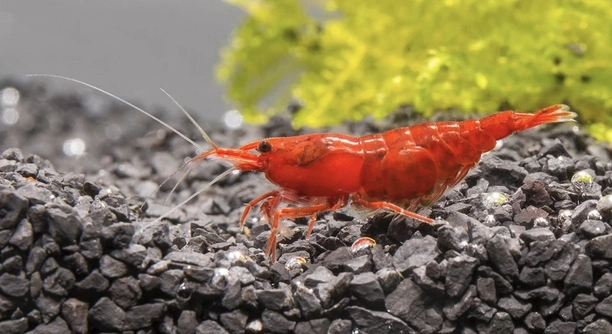
Do you enjoy keeping cherry shrimp in your tank but find yourself noticing how they move through different levels? Observing these tiny creatures can be fascinating, as they explore both the surface and the hidden corners.
Cherry shrimp are capable of perceiving depth within their tank. Their visual and sensory systems allow them to distinguish between varying distances and navigate three-dimensional spaces efficiently, supporting natural behaviors such as foraging, hiding, and interacting with their environment.
Understanding how cherry shrimp perceive depth can improve tank design and care. Their movement patterns reveal important insights into their well-being and natural instincts.
How Cherry Shrimp Use Vision and Sensory Cues
Cherry shrimp rely heavily on both vision and sensory cues to understand their surroundings. Their compound eyes allow them to detect movement and shapes, helping them judge distances between objects in the tank. This visual information is combined with sensory input from their antennae, which are highly sensitive to touch and chemical signals in the water. They use these signals to navigate tight spaces, find food, and avoid potential threats. Watching them move through plants or over rocks shows their careful assessment of depth and distance. The combination of sight and tactile feedback enables them to adjust their swimming patterns, climb surfaces, and interact with other tank inhabitants. Even subtle changes in water flow or surface texture influence their movements. Observing their behavior closely can reveal how they respond to different tank setups. Providing varied terrain and hiding spots encourages natural exploration. Proper lighting further enhances their ability to detect depth accurately.
Depth perception affects how cherry shrimp explore. Their environment influences comfort and activity levels.
Tank setups with multiple layers, plants, and decorations stimulate shrimp activity. They use height differences to forage efficiently, avoiding predators while remaining visible enough for feeding. Varying substrate textures and water currents also challenge their sensory processing, strengthening spatial awareness. Understanding these behaviors helps maintain a balanced and engaging environment. Consistent observation allows for adjustments in tank layout to promote natural behaviors, reducing stress. Enriched tanks lead to more active shrimp, healthier molting, and better breeding outcomes. By paying attention to how they use depth cues, caretakers can create a more dynamic and supportive habitat.
Impact of Tank Size and Layout
Tank size significantly affects shrimp movement and depth perception. Small tanks limit exploration, while larger tanks provide space to utilize vertical and horizontal planes efficiently.
A thoughtfully designed layout ensures that cherry shrimp can interact naturally with their environment. Multiple hiding spots, varying plant heights, and rock formations allow them to exercise depth perception consistently. Shallow areas near the surface encourage feeding, while deeper corners provide security. Layered substrate can enhance climbing and foraging behaviors, stimulating both physical activity and sensory input. Vertical structures like driftwood or tall plants promote natural vertical movement. Maintaining clear water and proper lighting further improves visibility, making it easier for shrimp to judge distances accurately. Regularly observing shrimp behavior can reveal if the current layout supports natural exploration. Adjusting decorations or adding new structures can prevent stagnation and encourage engagement. The arrangement of plants, stones, and substrate is not just aesthetic—it directly impacts shrimp confidence and health. A well-planned tank enhances social interactions, reduces stress, and promotes natural behaviors, ultimately supporting thriving cherry shrimp populations.
Feeding Behavior and Depth Awareness
Cherry shrimp adjust their feeding behavior based on depth. They explore both surface areas and the tank bottom to find algae, biofilm, and leftover food. This movement shows they assess distances to reach nourishment efficiently.
Shrimp often move cautiously when approaching food, using antennae to detect exact placement. They climb plants, hover near rocks, or probe substrate layers to access hidden nutrients. Depth perception allows them to avoid obstacles and predators while feeding. Observing their precise movements reveals how sensory input guides foraging, ensuring they do not miss small food particles. This behavior also helps maintain their health and activity levels.
Depth also impacts competition and social interactions during feeding. Dominant shrimp often occupy prime spots, while others navigate around them. Understanding these dynamics helps create a fair feeding setup, reducing stress. Proper placement of food at multiple levels encourages natural movement and exercise. Providing varied textures and elevations allows all shrimp to access nutrients safely. Monitoring feeding patterns ensures each shrimp benefits, and adjustments in food placement can enhance overall tank harmony.
Environmental Enrichment and Spatial Awareness
Adding vertical structures, varied plants, and layered substrates encourages shrimp to move through different depths more confidently. Such setups stimulate natural behaviors and exploration, improving overall health.
Enrichment challenges shrimp to navigate obstacles, climb, and forage in multiple directions. Depth differences create opportunities for exercise and mental stimulation, preventing stagnation. Shrimp use their vision and antennae to map surroundings, learning which areas are safe or advantageous for feeding and hiding. Varied water flow also enhances sensory input, giving shrimp more feedback on currents and positions. Observing these behaviors shows how depth interacts with environmental complexity to maintain activity. Regularly changing plant arrangements or adding driftwood can sustain engagement, encouraging shrimp to explore and adapt continuously. A rich environment reduces stress, improves molting success, and promotes natural interactions, making shrimp more active and healthier overall.
Swimming Patterns and Depth Navigation
Cherry shrimp adjust swimming speed and trajectory based on depth. They move cautiously near surfaces and accelerate in open areas to avoid obstacles.
Vertical movement is deliberate, often involving short climbs or drops. This controlled behavior shows they evaluate depth constantly to maintain balance and safety.
Predation Awareness in Different Depths
Shrimp instinctively prefer lower or sheltered areas when predators are present. They rely on visual and tactile cues to determine safe zones. Depth awareness helps them hide quickly, retreat to cover, or escape into complex tank structures, reducing vulnerability while maintaining access to food.
Lighting and Depth Perception
Lighting intensity and direction influence how shrimp perceive depth. Shadows and bright areas affect their movement and confidence in exploring different tank levels.
Molting and Shelter
During molting, cherry shrimp seek deeper or hidden areas. Depth and structure provide safety while they are vulnerable, supporting successful molting and recovery.
Do cherry shrimp recognize the difference between shallow and deep areas in a tank?
Yes, cherry shrimp can perceive differences in depth. They use a combination of their compound eyes and sensitive antennae to judge distances. This ability helps them navigate obstacles, find food, and select safe areas for hiding. Shallow regions are often explored for feeding, while deeper or covered areas are preferred for resting or avoiding perceived threats. Depth perception also influences how they interact with other shrimp, as they assess safe movement paths and avoid collisions. Providing varied depths in the tank supports their natural behaviors and overall well-being.
How does tank design affect their depth awareness?
Tank layout directly impacts how shrimp use depth. Multiple layers of substrate, plants, rocks, and decorations encourage vertical and horizontal movement. Open spaces allow quick swimming, while cluttered areas require careful navigation. Varied height and texture give shrimp opportunities to climb, forage, and hide. A thoughtfully arranged tank allows all shrimp to explore safely, reduces stress, and keeps them active. Even small differences in plant height or rock placement can influence their route selection. Observing how they move around obstacles provides insight into their depth perception and comfort level.
Do lighting conditions influence depth perception in cherry shrimp?
Yes, lighting affects their ability to judge distance and move confidently. Bright light can make surfaces appear closer or cast shadows, while dim areas can make depth harder to perceive. Shrimp tend to explore cautiously under strong lighting, often preferring shaded or covered regions. Balanced lighting that mimics natural conditions allows them to navigate more naturally. Proper illumination highlights tank structures and surfaces, enabling shrimp to evaluate distances accurately and move efficiently between shallow and deep zones. Adjusting lighting gradually helps shrimp adapt and reduces stress while maintaining activity.
Do shrimp use depth to avoid predators or perceived threats?
Cherry shrimp instinctively use depth and vertical space for safety. Shallow surfaces may be explored cautiously, while deeper areas or spaces under plants and rocks offer protection. When threatened, they quickly retreat to these secure zones, using both vision and tactile feedback from their antennae. Depth awareness is critical for avoiding larger tank inhabitants or sudden disturbances. Shrimp may also change swimming patterns, pause near cover, or climb vertical surfaces to escape potential dangers. Providing varied depths allows natural defensive behaviors, supporting health and reducing stress.
How does depth awareness affect feeding habits?
Depth influences where and how shrimp forage. Surface areas may contain floating food, while the substrate and plant surfaces host biofilm and algae. Shrimp assess distance to food using visual cues and antennae, carefully approaching each source. Depth perception also helps them avoid obstacles or other shrimp during feeding. Offering food at multiple levels encourages natural foraging and exercise. Observing feeding patterns provides insight into their comfort with different tank depths, helping maintain a fair distribution of resources and preventing stress among tank inhabitants.
Does molting behavior rely on depth perception?
Yes, molting shrimp seek secure, often deeper or hidden areas for protection. Vulnerable during and after shedding, they rely on safe spaces to recover without interference. Depth and structure provide concealment, allowing them to complete the process safely. Tanks with layered plants, rocks, or substrate give shrimp the options they need to feel secure while molting. Observing these behaviors confirms that depth awareness plays a significant role in their life cycle, supporting both survival and natural development.
Can cherry shrimp explore vertical surfaces effectively?
Cherry shrimp can climb plants, rocks, and decorations with ease. Their ability to judge vertical distance ensures they navigate safely without falling or getting trapped. This climbing behavior contributes to foraging, exploring, and avoiding threats. Varied vertical structures enhance tank enrichment, giving shrimp opportunities to practice depth assessment while remaining active and healthy.
How can caretakers improve depth awareness in the tank?
Providing multiple layers, varied plants, rocks, and hiding spots supports depth perception. Maintaining clear water and balanced lighting further enhances visual cues. Gradual changes in layout encourage shrimp to explore different heights safely. Observation and adjustment ensure all shrimp can navigate efficiently, reducing stress and promoting natural behaviors. Depth-focused design benefits feeding, molting, and social interactions, contributing to a healthier and more active tank environment.
Do shrimp interact differently at varying depths?
Yes, behavior changes depending on depth. Surface areas see more cautious exploration and feeding, while mid and lower levels provide shelter and social interaction zones. Shrimp may cluster under plants or rocks, using depth to balance activity with safety. This selective use of tank space demonstrates a clear understanding of three-dimensional navigation. Depth variation supports both individual comfort and group dynamics, allowing natural patterns to emerge.
Can depth perception improve over time in shrimp?
Shrimp become more confident in navigating their environment with experience. They learn which areas are safe or resource-rich, adjusting swimming patterns and foraging strategies. Depth awareness is enhanced by repeated interaction with varied tank structures, helping shrimp move efficiently, avoid collisions, and explore both horizontal and vertical planes more effectively.
Cherry shrimp are small but surprisingly capable creatures. Their ability to perceive depth in a tank is a key part of how they interact with their environment. Through a combination of vision and sensitive antennae, they can detect differences in distance and navigate both horizontal and vertical spaces. Observing their movements reveals careful assessments of surroundings, from climbing plants to hovering near the substrate. These behaviors are not random; they rely on constant evaluation of depth for feeding, exploring, and avoiding danger. Even slight changes in tank layout, such as adding plants, rocks, or uneven substrate, can influence how they move and where they feel safe. Providing a tank with varied depth encourages natural behaviors and keeps shrimp active, healthy, and confident in their environment.
Depth perception also plays a major role in specific activities such as feeding and molting. When searching for food, shrimp adjust their movement depending on how far away objects are and whether the area is safe to explore. Food placed at multiple levels allows shrimp to forage more naturally, improving both activity and health. During molting, depth becomes even more important because shrimp are vulnerable while shedding their exoskeleton. They instinctively seek deeper or sheltered areas for protection until they recover. This natural behavior demonstrates that depth awareness is not just a skill for movement but a critical part of their survival and well-being. Tank designs that account for this, with varied plants, hiding spots, and layered substrates, allow shrimp to feel secure while performing these essential tasks.
Creating an environment that supports depth awareness also enhances general activity and interaction. Vertical and horizontal variation in the tank gives shrimp opportunities to climb, hide, and explore safely. Balanced lighting and clear water improve visibility, making it easier for shrimp to assess distances accurately. Observation of their behavior can guide caretakers in adjusting tank features to meet their needs. Even small changes in layout, such as repositioning rocks or adding a new plant, can encourage exploration and reduce stress. Understanding and supporting how cherry shrimp perceive depth allows them to move naturally, interact confidently, and thrive. A tank designed with depth in mind ensures not only their physical health but also a more dynamic and engaging environment where they can behave as they would in nature.

Hello,
If you enjoy the content that we create, please consider saying a "Thank You!" by leaving a tip.
Every little bit helps us continue crafting quality advice that supports the health, happiness, and well-being of pets around the world, for pets of all shapes, sizes, and species.
We really appreciate the kindness and support that you show us!