
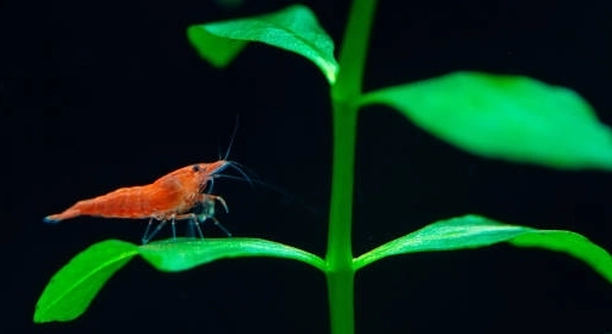
Have you ever watched your cherry shrimp glide around their tank and wondered if they recognize the rhythms of their little world each day as you feed them and care for their peaceful underwater space?
Cherry shrimp can adapt to steady tank routines through associative learning, reacting to repeated cues like feeding times and lighting changes. Their responses develop from predictable patterns, allowing them to show anticipation while still relying on consistent conditions for results.
These creatures reveal more than simple habits, and understanding subtle patterns helps you appreciate the gentle rhythm shaping their days.
How Cherry Shrimp React to Daily Tank Patterns
Cherry shrimp often respond to repeated cues in ways that feel gentle and steady, and watching these patterns can help you understand their comfort level in the tank. When their feeding schedule stays consistent, they begin to move toward the same area as soon as light shifts or shadows fall, showing a quiet sense of expectation. Over time, they may become more active right before you approach the tank, especially if they have learned that your presence usually means food or small changes in their setup. This kind of reaction is not complex thinking, but it shows that they can associate simple patterns with specific outcomes. I have noticed that stable lighting, gentle filtration, and calm surroundings help them respond more clearly to routines since sudden changes can interrupt their sense of rhythm. By keeping things steady, you can support their natural ability to settle into predictable behaviors each day.
Their reactions stay subtle, yet they become easier to notice when patterns stay steady and gentle. Small cues create simple expectations, allowing them to move with more confidence. These behaviors remain basic, but they still reflect how repeated routines shape their daily activity in a calm and stable setup overall.
When you pay attention to these small patterns, it becomes clear that cherry shrimp rely on stability to feel secure. They do not need complex stimulation, but they respond well to gentle repetition that lets them predict simple events. A steady feeding rhythm helps them stay active without unnecessary stress, and regular lighting allows their colors and movement to stay consistent through the day. Even slight changes in timing can shift their behavior, so keeping a calm routine helps them settle into reliable habits. Observing these reactions makes it easier to understand what supports their comfort and peaceful behavior daily.
Factors That Shape Their Behavior
Cherry shrimp behavior depends on the stability of their surroundings, and even small shifts can influence how they move and react. Consistent feeding, lighting, and water flow help them stay calm, allowing their natural patterns to develop in a gentle and predictable way each day in their peaceful tank environment.
Several factors guide how cherry shrimp respond to routines, and understanding these elements helps you maintain a setup that supports calm behavior. Stable lighting is one of the strongest influences since bright or sudden changes can make them hide or become less active. Keeping the lights on a timer gives them a steady rhythm, allowing their movement to feel more relaxed. Feeding practices also play an important role. When food is offered at similar times each day, they begin to explore their space with more confidence and show gentle anticipation when you approach. Water flow affects their behavior as well, because strong currents can push them around and keep them from settling into comfortable areas. A mild flow supports natural grazing and lets them stay active without stress. Decorations and plants shape their patterns too, giving them places to rest and explore without feeling exposed. When all of these factors remain steady, they develop simple routines that help them feel secure. By keeping things predictable, you create a space where their colors stay bright, their movement remains calm, and their behavior reflects a steady and peaceful environment that supports their gentle nature as they move through their daily routine comfortably.
How Repetition Shapes Their Sense of Safety
Cherry shrimp settle more easily when their environment follows steady patterns. Repeated cues help them feel secure, allowing their behavior to remain calm and predictable. When these patterns stay consistent, they move with more confidence and show simple reactions linked to daily routines.
Clear routines reduce stress by giving cherry shrimp a stable rhythm they can rely on. Regular lighting keeps them from reacting to sudden brightness, and feeding at the same time each day helps them maintain a smooth activity cycle. I have noticed that they explore more openly when they know what to expect, especially when the tank stays quiet and undisturbed. Subtle habits form naturally as they begin to associate certain moments with food or safety. Even though their learning ability is limited, repetition provides a gentle structure that guides their behavior without overwhelming them.
These patterns also influence how they interact with their surroundings. When the tank layout stays the same, they return to familiar hiding spots and grazing areas without hesitation. This steady rhythm allows them to remain active while still feeling protected. If changes are necessary, adjusting things slowly keeps their reactions mild, preventing them from withdrawing or hiding for long periods. A calm and predictable routine encourages them to settle into their tank with ease and maintain peaceful behavior throughout the day.
Why Environmental Stability Matters
Cherry shrimp depend on a stable environment to stay comfortable, and even small disruptions can influence how they behave. Keeping conditions steady supports their simple learning patterns and helps them feel more secure as they respond to daily cues in the tank.
Stable conditions create a gentle foundation that supports their natural behavior. Consistent water parameters prevent confusion and stress, allowing them to graze and move without hesitation. When lighting remains steady, they develop a soft rhythm that helps them stay active during the day and settle into calmer periods at night. A controlled feeding routine reinforces this pattern, guiding their movement with familiar cues that never feel sudden or overwhelming. Structures like plants, moss, and small hiding spaces provide a sense of safety so they can retreat when needed. All of these elements work together to reduce unnecessary stress and help them react to their environment in steady, predictable ways that reflect their gentle nature as they adapt to simple routines.
How Shrimp Respond to Feeding Patterns
Cherry shrimp react strongly to steady feeding habits, and their movement becomes more predictable when food arrives at the same time each day. A calm and consistent routine helps them settle into gentle patterns that shape their daily activity without creating stress.
Their behavior shifts when they expect food, and they often gather in familiar spots once they recognize the timing. Keeping feeding simple and steady supports their comfort, allowing them to move with ease and remain active in a relaxed and natural way.
Small Cues That Influence Their Activity
Tiny details in the tank can guide how cherry shrimp behave, especially when those cues repeat each day. Soft lighting changes, gentle shadows, and your presence near the tank all become signals they learn over time. These patterns shape subtle reactions that make their activity smoother and easier to read. A steady environment encourages them to follow simple routines that support their calm nature and help them feel safe as they explore, graze, and rest throughout the day.
Why Routine Supports Their Comfort
A predictable rhythm helps cherry shrimp feel more relaxed, allowing them to adjust to daily patterns that stay gentle and steady. Their responses remain simple, but routines give them a soft sense of structure that guides their movement and keeps their behavior calm.
FAQ
Can cherry shrimp actually learn tank routines?
Yes, cherry shrimp can learn simple routines through repeated patterns in their environment. They don’t learn in a complex way like mammals, but they respond to cues such as feeding times, light changes, or your approach to the tank. Over time, these small repetitions create predictable behavior. I’ve noticed that when my shrimp are fed at the same time each day, they begin moving toward the food area as soon as they detect a familiar shadow or movement. This shows they can associate simple events with outcomes, even if it’s just a basic expectation for food or comfort.
How long does it take for them to recognize patterns?
The time varies depending on the shrimp and the consistency of the routine. Some shrimp show subtle reactions within a few days, while others may take a week or more to respond predictably. The key is to maintain stable conditions without sudden changes, like moving plants or altering light timing. Gradual and consistent patterns help reinforce their recognition. For example, keeping a regular feeding schedule while maintaining calm water flow allows them to notice and react to cues naturally. Sudden disruptions can delay or confuse their learning, making consistency essential for them to develop a routine.
Do all cherry shrimp react the same way to routines?
No, individual shrimp vary in their responses. Some are bolder and more active, while others remain cautious and only show subtle reactions to familiar patterns. Their personality and comfort level influence how they interact with daily routines. In my tank, some shrimp swim directly to the food area at the first sign of my approach, while others linger in hiding spots before gradually joining. Differences in age, health, and stress levels also affect their reactions. Understanding these variations helps set realistic expectations and ensures the tank environment supports all shrimp without pushing any to act beyond their comfort zone.
What factors help shrimp adapt to tank routines?
Stable water conditions, consistent lighting, and predictable feeding schedules are the main factors. Gentle water flow and well-placed decorations allow shrimp to move and hide comfortably while maintaining daily patterns. Sudden changes in temperature, pH, or placement of plants can disrupt routines, so keeping things steady is essential. In my experience, using a timer for lights and feeding creates a rhythm they begin to recognize quickly. Even small, consistent cues like a shadow passing across the tank or subtle water movement help them anticipate events, reinforcing their simple learning abilities and supporting calm behavior.
Can stress interfere with their learning?
Yes, stress significantly affects how cherry shrimp respond to routines. Strong water currents, sudden temperature changes, or frequent disturbances make them retreat and hide, preventing them from following predictable patterns. When stressed, shrimp may ignore feeding cues or avoid open spaces entirely. I’ve found that keeping a calm environment with minimal handling encourages them to settle into routines. Even small disruptions like tapping the tank or adding new decorations abruptly can interrupt their learning. Supporting their comfort through gradual changes and gentle observation allows them to maintain consistent behavior and react positively to daily cues.
Are visual or environmental cues more effective for teaching routines?
Both types of cues play a role, but environmental stability is generally more important. Shrimp notice light changes, shadows, and your presence as signals, but they rely heavily on consistent water conditions and predictable feeding times. In my tank, a steady combination of gentle light shifts and a fixed feeding schedule produces the clearest responses. Decorations and hiding spots act as secondary cues, giving shrimp landmarks they can associate with certain actions. While they may notice new visual cues, predictable environmental patterns create the strongest framework for shaping their simple routines effectively.
Will routines improve shrimp health?
Yes, maintaining routines benefits their well-being. Predictable schedules reduce stress and support consistent grazing and activity, which can help maintain their color, growth, and overall vitality. Irregular feeding or sudden changes in lighting can make them inactive or hide excessively, which may affect their health over time. I’ve seen that shrimp in calm, predictable tanks spend more time exploring and eating regularly, leading to stronger shells and brighter colors. By keeping routines steady, you provide not only behavioral benefits but also a supportive environment for long-term health.
How can I introduce new routines without stressing them?
Make changes slowly and one at a time. Gradually shift feeding times, adjust lighting in small increments, or rearrange decorations carefully. Allow shrimp several days to adapt to each new element before introducing another change. In my experience, sudden changes cause retreating or hiding, whereas slow adjustments help them recognize and accept the new pattern without disruption. Combining patience with observation ensures new routines are integrated smoothly, keeping behavior consistent and the tank environment calm.
Final Thoughts
Cherry shrimp are small and delicate creatures, but they show an interesting ability to recognize simple patterns in their environment. Their learning is not complex like that of mammals or birds, but repeated events in their tank allow them to anticipate certain things. Feeding times, gentle light changes, and the presence of familiar objects create a sense of predictability they can respond to. I have watched my shrimp start moving toward their favorite spots at the same time each day, waiting for food or a quiet moment to explore. These responses may seem small, but they demonstrate that consistency and routine matter for their comfort and confidence. Over time, these little habits become a natural part of how they live in the tank, shaping their activity and behavior in subtle but meaningful ways.
Maintaining stable conditions in a shrimp tank has a clear impact on their well-being. Water quality, temperature, and gentle currents influence how comfortable they feel in their surroundings, while a steady light schedule and regular feeding help them settle into predictable patterns. I have found that when everything is consistent, the shrimp appear calmer, more active, and more willing to explore open areas without hesitation. Sudden changes, on the other hand, can make them hide or retreat, disrupting their daily rhythm and causing unnecessary stress. Even small details, like the position of plants or decorations, provide familiar landmarks they can associate with routine activities. Providing this structure allows them to thrive without forcing them into unnatural behavior, supporting both their physical health and their ability to develop simple routines.
It is worth noting that each shrimp is unique, and responses to routine can vary. Some are bold and immediately respond to cues, while others are more cautious and take longer to show anticipation. Observing their patterns carefully can help identify what works best for each individual, and small, consistent efforts have the greatest impact. Patience is important, as changes must be introduced gradually to avoid stress. By paying attention to their subtle reactions, adjusting environmental conditions carefully, and keeping daily routines predictable, you create a calm and supportive habitat. Over time, this approach not only allows cherry shrimp to feel secure but also encourages gentle activity, consistent grazing, and natural behavior, demonstrating how simple routines can shape the well-being of these tiny, peaceful creatures in a meaningful way.

Hello,
If you enjoy the content that we create, please consider saying a "Thank You!" by leaving a tip.
Every little bit helps us continue crafting quality advice that supports the health, happiness, and well-being of pets around the world, for pets of all shapes, sizes, and species.
We really appreciate the kindness and support that you show us!