
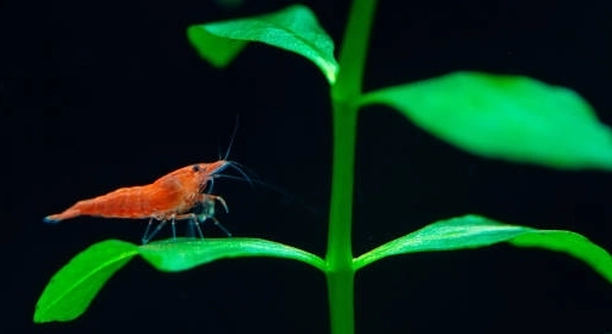
Have you ever noticed your cherry shrimp quietly moving around their tank and wondered about their resting habits? These tiny freshwater creatures have unique behaviors that are both fascinating and subtle to observe.
Cherry shrimp do not typically sleep together in clusters. They prefer to spread out across the tank, finding individual spots among plants, rocks, or hiding places to rest. This behavior reduces stress and promotes a safer environment for each shrimp.
Observing their sleeping patterns can reveal much about their comfort and tank environment. Understanding these habits helps ensure your shrimp thrive in a healthy space.
Why Cherry Shrimp Spread Out
Cherry shrimp tend to rest alone, choosing small corners or dense plants in the tank where they feel safest. Each shrimp seeks a quiet spot, often near leaves or decorations, to reduce exposure to sudden movements or light changes. This solitary resting helps them conserve energy without competition from others. Even in a group, they rarely overlap while resting. Their tiny bodies are sensitive, and clustering could increase stress or accidental disturbance. Observing them, you might notice some shrimp hiding more than others. Factors like water temperature, lighting, and tank layout influence where each shrimp prefers to rest. Providing multiple hiding spots ensures all shrimp can find a comfortable space. Some shrimp may be more adventurous, moving around at night, while others remain hidden until feeding time. Overall, giving them space allows natural behavior to flourish.
Spreading out is normal behavior and supports shrimp health. Crowding can cause unnecessary stress and lower overall activity.
By understanding their need for space, tank owners can arrange decorations and plants effectively. Placing hiding spots in various locations encourages natural resting patterns and reduces stress. Overcrowding decorations can backfire, causing shrimp to compete or hide excessively. Observing their patterns over several days reveals favorite resting areas. Adjusting tank light schedules can also influence where shrimp choose to rest. Some shrimp prefer shaded areas under plants, while others move along rocks or substrate edges. Feeding times can slightly change their locations, as shrimp explore for food. Monitoring water quality ensures all shrimp remain active and healthy. A well-planned tank respects their natural instincts while maintaining a visually appealing setup. Consistency in water parameters, combined with thoughtful placement of plants and decorations, supports a calm environment where shrimp feel safe. This approach also makes it easier to spot any health concerns early. By prioritizing their comfort, you create a stable habitat that encourages shrimp to thrive and display natural behaviors.
How Lighting Affects Rest
Lighting plays a key role in shrimp resting habits. Too bright or constant light can disturb their natural sleep.
Bright lighting can stress shrimp, forcing them into hiding instead of resting openly. Adjusting light cycles to mimic natural patterns helps them feel secure. A mix of shaded areas and gentle lighting encourages normal activity during the day. Some shrimp may move more under low light, while others rest quietly in darker spots. Gradually changing lighting intensity allows them to adjust without shock. Using floating plants or shaded zones provides options for both hiding and exploring. Consistency in lighting helps regulate their daily rhythms, making them more predictable in behavior. Regular observation ensures lighting is suitable for all shrimp.
Cherry shrimp are sensitive to sudden changes in light and need gradual adjustments to avoid stress. Bright, constant lighting may cause them to cluster in shaded areas, leaving parts of the tank unused. Low or flickering light can confuse their natural rest cycle, reducing their activity and affecting feeding habits. Floating plants, decorations, and rock formations create multiple levels of shade that encourage natural movement while resting. A consistent day-night light cycle supports their circadian rhythm, helping them remain active when appropriate and rest when needed. Observing which areas they choose during different light levels can inform adjustments for a healthier environment. Proper lighting not only ensures their comfort but also enhances the visual appeal of the tank. Balancing intensity, duration, and shaded spots allows all shrimp to find suitable resting areas, promoting overall health and longevity. Understanding these patterns helps prevent stress and supports natural behavior, making the tank a safe space for all shrimp.
Tank Layout and Resting Spots
A well-arranged tank makes it easier for cherry shrimp to find safe resting spots. Rocks, plants, and small hiding areas allow each shrimp to settle without disturbing others. Overcrowded decorations can limit their movement and increase stress.
Providing multiple hiding spots encourages natural behavior and reduces competition among shrimp. Shrimp tend to spread across the tank, choosing leaves, rocks, or substrate edges where they feel secure. Tall plants offer shade, while smaller plants or moss create low areas to rest. Driftwood or small caves give additional cover, letting shrimp select spots based on preference. Having variety ensures every shrimp finds a comfortable place without being forced into one area. Regular observation helps identify which areas they favor, allowing adjustments to improve comfort. Tank cleanliness and water parameters also influence how freely shrimp use these spots.
Shrimp activity varies depending on layout and resting choices. Open areas let some shrimp move freely, while dense clusters encourage quiet hiding. Arranging plants in layers can provide options for both activity and rest. Observing resting patterns can guide better placement of decorations and hiding spots. Ensuring each shrimp has access to at least one secure area reduces stress and promotes natural behavior. Changing the layout occasionally can encourage exploration, keeping shrimp active while still respecting their need for safe resting zones. Proper spacing between hiding spots prevents crowding, making the tank more comfortable and balanced for all inhabitants.
Feeding and Activity Patterns
Feeding times influence where and how cherry shrimp rest. Shrimp may leave their hiding spots briefly to forage before returning to safer areas. Consistent feeding schedules support predictable behavior.
Shrimp spread out during feeding to explore the tank and gather food, then gradually return to preferred hiding spots. Overfeeding can lead to excess food in resting areas, causing stress or water issues. Feeding small amounts encourages shrimp to move naturally without overwhelming the tank. Observation shows some shrimp are bolder, exploring more, while others remain near shaded areas. Different food types may influence how active shrimp become and how far they travel. Adjusting feeding locations allows all shrimp access without forcing competition. Maintaining water quality ensures resting spots remain safe after feeding, preventing unwanted contamination.
Activity levels relate directly to feeding habits and availability of food. Shrimp often forage near plants or substrate edges, then retreat to secure spots once they feel satisfied. Tracking their movements can indicate comfort levels and overall health. Providing a balanced diet supports natural behavior while keeping shrimp active. Feeding in multiple areas reduces competition, allowing timid shrimp to access food safely. Over time, predictable routines help shrimp establish favorite resting and feeding locations, promoting calm, balanced activity throughout the tank. Understanding these patterns helps ensure that shrimp remain healthy, stress-free, and display their natural behaviors consistently.
Water Quality and Resting Behavior
Clean, stable water is essential for cherry shrimp to rest calmly. Poor water conditions can cause stress, making shrimp hide more or move constantly. Maintaining proper parameters helps shrimp feel secure and supports natural resting patterns.
Ammonia, nitrite, and nitrate levels directly affect shrimp behavior. Even minor fluctuations can disrupt their comfort, forcing them to seek shelter constantly. Consistent water changes and filtration prevent stress-related movement and promote healthy resting habits.
Temperature and Comfort
Water temperature influences how active shrimp are and where they choose to rest. Stable, appropriate temperatures allow shrimp to spread out and settle in preferred spots without stress.
Signs of Disturbance
Shrimp that are frequently moving or clustering may be reacting to tank disturbances. Observing these signs helps identify environmental issues.
FAQ
Do cherry shrimp need complete darkness to sleep?
Cherry shrimp do not require total darkness to rest. They are more sensitive to sudden changes in light than absolute darkness. Soft lighting or shaded areas in the tank can provide enough comfort for them to settle. Gradually dimming lights at night can help shrimp establish a natural rhythm without stress.
Can cherry shrimp sleep together in groups?
While cherry shrimp live in groups, they usually rest alone. Spreading out reduces the chance of stress and accidental disturbances. Even in small tanks, they will find separate spots among plants, rocks, or decorations to rest comfortably. Individual resting helps maintain health and natural behavior.
How long do cherry shrimp sleep?
Cherry shrimp do not have long, uninterrupted sleep like mammals. They have short resting periods throughout the day and night. These naps can last from a few minutes to several hours, depending on activity levels, light, and temperature. Observing them over time shows patterns of frequent, brief rest.
Do hiding spots influence resting patterns?
Yes, hiding spots play a major role in where shrimp rest. Dense plants, moss, or small caves allow them to feel secure. Shrimp will choose areas that reduce exposure to light and movement. Having multiple hiding spots ensures all shrimp can rest comfortably without competition or crowding.
Does water quality affect shrimp sleep?
Poor water conditions can disturb resting behavior. Ammonia, nitrite, or nitrate fluctuations make shrimp move constantly or hide excessively. Maintaining clean, stable water with proper filtration and regular water changes supports calm resting habits. Healthy water ensures shrimp feel safe and display natural patterns.
How does tank layout impact rest?
Tank layout directly affects resting comfort. Open areas provide space for exploration, while dense clusters of plants or decorations give shelter. Layering plants and decorations creates multiple resting options, allowing shrimp to select spots based on preference. Observing patterns can guide rearrangement for better comfort.
Do feeding times change shrimp resting behavior?
Feeding times influence activity. Shrimp may leave hiding spots briefly to forage, then return to safe resting areas. Predictable feeding schedules help maintain consistent behavior. Feeding in multiple areas prevents competition and allows timid shrimp access without stress, promoting calmer resting habits.
Does temperature affect where shrimp rest?
Water temperature impacts activity and resting patterns. Stable, appropriate temperatures allow shrimp to choose preferred spots without stress. Sudden changes can make them move constantly or hide. Consistent warmth supports predictable resting locations and helps shrimp conserve energy efficiently.
Are there signs that shrimp are stressed while resting?
Shrimp that are always moving, clustering unnaturally, or hiding more than usual may be stressed. Causes include poor water quality, inadequate hiding spots, or sudden light changes. Identifying these behaviors early allows adjustments to restore comfort and promote natural resting habits.
Can shrimp adapt to changes in the tank?
Shrimp can gradually adapt to new tank layouts, lighting, or plant additions. Introducing changes slowly helps reduce stress and allows them to find new resting spots. Monitoring their behavior during adjustments ensures they remain comfortable and continue resting naturally.
Do adult and baby shrimp rest differently?
Baby shrimp tend to hide more and rest in smaller, secure areas. Adults are more confident and may spread out across open spaces. Providing varied hiding spots ensures both adults and juveniles can rest safely and display natural behaviors without interference.
How can I tell if my shrimp are healthy based on rest?
Healthy shrimp rest calmly in preferred spots and move actively during feeding or exploration. Excessive hiding, constant movement, or clustering can indicate stress, poor water quality, or illness. Observing resting patterns provides insight into overall tank conditions and shrimp well-being.
Do shrimp have favorite resting spots?
Yes, shrimp often return to the same areas repeatedly. These spots usually provide shade, cover, and a sense of security. Tracking their preferences helps optimize tank layout and ensures all shrimp have comfortable spaces to rest safely.
Can other tank inhabitants affect shrimp rest?
Yes, fish or larger tank mates can disturb shrimp resting patterns. Aggressive or curious species may force shrimp into hiding or cause clustering. Providing sufficient hiding spaces and tank separation ensures shrimp can rest undisturbed and maintain natural behavior.
Does lighting duration matter for shrimp sleep?
The length of light exposure influences shrimp behavior. Consistent day-night cycles help establish resting patterns. Too much light can stress them and reduce open resting, while proper cycles encourage natural activity and frequent, calm resting intervals throughout the day and night.
How often should I observe resting behavior?
Regular observation is important to ensure shrimp are comfortable. Watching during different times of day shows resting patterns, preferred spots, and potential stress signs. Observing frequently allows for timely adjustments in water quality, lighting, and tank layout to maintain healthy resting habits.
Can stress affect feeding and rest together?
Yes, stressed shrimp may avoid food and remain hidden, disrupting resting behavior. Stress often comes from poor water, crowding, or sudden changes. Reducing stress through stable water conditions, proper hiding spots, and predictable routines restores normal feeding and resting patterns.
Do shrimp sleep more at night?
Cherry shrimp are not strictly nocturnal or diurnal. They take short rests throughout the day and night, adjusting based on activity, light, and tank conditions. While some may be more active at night, resting is distributed evenly in small, frequent intervals to conserve energy.
Are resting patterns consistent between tanks?
Resting patterns can vary depending on tank setup, population density, and water conditions. Even with similar species, shrimp may choose different hiding spots or show varied activity levels. Observing your own tank is the best way to understand how your shrimp rest and adapt.
Can I disturb shrimp while they rest?
Frequent disturbance during resting periods can stress shrimp, leading to constant hiding or erratic movement. Minimizing sudden movements, gentle feeding, and careful tank maintenance ensures shrimp can rest safely and maintain natural behavior without unnecessary stress.
Is resting behavior linked to molting?
Resting increases before molting, as shrimp conserve energy and find secure spots. Providing ample hiding spaces during this time is crucial. Disturbance or lack of shelter can stress molting shrimp, potentially affecting health and successful exoskeleton shedding.
How do I encourage natural resting behavior?
Providing varied hiding spots, stable water quality, appropriate lighting, and consistent feeding supports natural resting habits. Observing shrimp and making small adjustments ensures they feel secure and spread out comfortably across the tank. Gradual changes help shrimp adapt without stress.
Do shrimp interact while resting?
Interactions during rest are minimal. Shrimp may be near each other but usually avoid direct contact. Occasional brushing or movement is normal, but clustering is rare. Respecting individual space supports healthy, natural resting habits and reduces stress in communal tanks.
Can tank size affect resting?
Smaller tanks may limit hiding spots, causing some shrimp to hide more frequently. Larger tanks provide more options, allowing shrimp to spread out. Ensuring multiple secure areas in any tank size promotes calm, natural resting behavior and reduces stress across the population.
Is it normal for shrimp to change resting spots?
Yes, shrimp may change locations due to feeding, light, or water conditions. Frequent movement is normal as they seek comfort or explore. Monitoring these changes can help identify preferences and optimize hiding spots for both safety and natural behavior.
Does plant density matter for resting?
Dense plants provide security and shade, encouraging shrimp to rest confidently. Sparse planting may force shrimp into fewer areas, increasing stress. Balancing plant density ensures variety in resting options while maintaining space for movement and activity.
How do I know if resting areas are adequate?
Adequate resting areas allow all shrimp to find secure spots without competition. Observing if shrimp settle peacefully and return to preferred areas indicates sufficient coverage. Adjusting decorations or adding plants can improve comfort and reduce stress in the tank.
Can shrimp rest on substrate or only on plants?
Shrimp rest on both substrate and plants. Substrate provides open resting areas, while plants offer shade and cover. Offering a mix of options ensures shrimp choose based on comfort, light exposure, and personal preference.
Final Thoughts
Cherry shrimp are small, delicate creatures with unique resting habits that are easy to overlook. Observing them over time shows that they prefer to rest alone, spreading out across the tank instead of clustering together. Each shrimp finds a spot where it feels safe, often among plants, moss, or small hiding spaces. This behavior is not random; it helps reduce stress and keeps them safe from sudden movements, light changes, or interactions with other tank mates. By understanding this, tank owners can better plan their aquarium layout to meet the needs of each shrimp. Providing a variety of hiding spots, shaded areas, and safe corners ensures that all shrimp have comfortable places to rest. Overcrowding or limiting their options can increase stress, cause erratic movement, or force some shrimp into less suitable resting areas, which can affect their health and overall behavior. Observing where your shrimp rest and how they move can give insight into their comfort levels and help you adjust the tank to suit them better.
Water quality, temperature, and lighting are critical factors that influence how and where cherry shrimp rest. Stable water conditions, with appropriate pH, temperature, and minimal fluctuations in ammonia or nitrate, allow shrimp to feel secure. Poor water quality can make them hide constantly, move nervously, or avoid open areas entirely. Temperature also plays a role in activity levels, with stable warmth encouraging calm resting and brief periods of activity. Lighting should be consistent and gentle, providing shaded areas for resting without sudden, harsh changes. Bright, constant light can stress shrimp, while proper day-night cycles allow them to develop predictable resting patterns. By monitoring these environmental factors, you can create a tank where shrimp feel safe and relaxed. This stability helps them spread out naturally, rest where they choose, and engage in normal behavior during feeding or exploration. Observing how shrimp respond to these conditions gives a clearer picture of their comfort and can prevent issues before they arise.
Feeding and tank layout also impact resting patterns. Shrimp often leave hiding spots briefly to forage, then return to preferred resting areas. Offering food in multiple locations prevents competition and allows timid shrimp to access meals safely. Tank layout, with a mix of plants, rocks, and decorations, provides options for both resting and movement. Layered plants, moss, and small caves give shrimp places to rest in comfort, while open areas allow exploration and foraging. Watching resting behavior over time shows patterns in how shrimp choose hiding spots and interact with their environment. Each shrimp has preferences, and providing a variety of options encourages natural behavior. Small adjustments, like adding a few new plants or rearranging decorations, can make a significant difference in comfort and stress reduction. By paying attention to these details, you create a healthy environment that supports the well-being of all shrimp in the tank. When shrimp can rest calmly and safely, they are more active, healthier, and display their natural behaviors, making the aquarium both enjoyable and sustainable.

Hello,
If you enjoy the content that we create, please consider saying a "Thank You!" by leaving a tip.
Every little bit helps us continue crafting quality advice that supports the health, happiness, and well-being of pets around the world, for pets of all shapes, sizes, and species.
We really appreciate the kindness and support that you show us!