
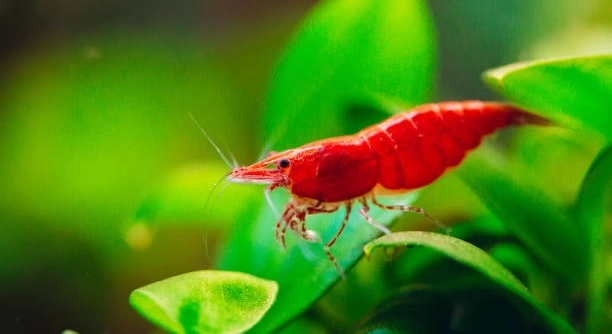
Have you ever watched cherry shrimp gliding across the substrate of your aquarium and wondered how they behave with others? Observing their tiny movements and interactions can be surprisingly calming and interesting to notice.
Cherry shrimp thrive better in groups because they display more natural behaviors, feel safer, and reduce stress when kept with companions. Group settings support social interactions, breeding, and activity levels, which promote overall health and longevity in their environment.
Learning how group dynamics affect these tiny creatures can improve your aquarium setup and ensure your shrimp live a more balanced, active life.
Why Group Living Benefits Cherry Shrimp
Cherry shrimp are naturally social creatures. In small groups, they feel more secure and less prone to stress. When kept alone, they may hide constantly or show slower activity, which can affect their growth and overall health. Observing a small group interact, feed, and explore can be rewarding and informative. They communicate through subtle movements and chemical signals in the water, which helps them find food, avoid danger, and establish territory without conflict. Group living also encourages natural behaviors like grazing on biofilm, swimming in open areas, and breeding. Without companions, some shrimp may become lethargic or fail to reproduce properly. Adding a few more shrimp can create a livelier tank, improve the appearance of activity, and make maintenance easier since they tend to spread out and consume algae and leftover food efficiently. A balanced group reduces stress hormones and supports a more stable environment overall.
Groups reduce stress and promote healthy behavior in shrimp, encouraging regular feeding and activity levels.
A larger group provides social structure that mimics their natural habitat. Shrimp will interact more frequently, establishing subtle hierarchies that reduce aggressive encounters. Breeding becomes more consistent when multiple shrimp are present, increasing survival rates of juveniles. Groups also help with tank cleanliness, as multiple shrimp graze on surfaces, reducing algae buildup and uneaten food. Observing their interactions can improve your understanding of their needs, helping you adjust feeding, water quality, and tank layout. By keeping shrimp in groups, you create an ecosystem where behaviors are predictable and healthier, leading to a more successful aquarium setup.
Signs Your Shrimp Are Happier in Groups
Shrimp show more movement, less hiding, and increased grazing when they are in groups.
Happier shrimp explore all areas of the tank, interact with each other, and have higher breeding activity. Stress levels drop, and they spend more time near the front of the tank, making them easier to observe. Keeping shrimp in groups creates a lively tank that looks balanced and natural. Social interactions also reduce the chances of illness since active shrimp maintain better immunity and physical condition. It’s easier to spot potential health issues when shrimp are active, as lethargic or isolated individuals stand out. Group living supports mental stimulation, which is often overlooked but essential for overall shrimp well-being. Water quality, tank size, and hiding spaces still play a role, but the presence of companions makes these tiny creatures feel more secure and content, enhancing their behavior and appearance in the aquarium.
Setting Up a Group-Friendly Tank
A tank with hiding spots, plants, and smooth surfaces encourages shrimp to explore together. Providing multiple areas reduces competition and helps shy shrimp feel safer while still interacting with the group.
Plants, moss, and decorations create layers for shrimp to move through freely. Open swimming areas allow active shrimp to interact and graze while secluded spots give shy individuals a chance to rest without stress. Smooth surfaces and gentle water flow prevent injuries, and moss provides both food and shelter. Lighting should be moderate to avoid stress, as strong light can push shrimp into hiding, limiting social interactions. A well-planned layout supports natural behaviors, reduces conflict, and encourages breeding in a group setting. Regular maintenance and observation ensure the environment stays stable and promotes healthy, happy shrimp.
Monitoring water parameters is key for group health. Stable temperature, pH, and cleanliness reduce stress, allowing shrimp to thrive socially.
Proper filtration, regular water changes, and gentle aeration help maintain balance. A stable tank allows shrimp to focus on feeding, exploring, and reproducing rather than reacting to sudden changes. Grouped shrimp respond positively to consistent conditions, which supports growth and vitality. By keeping water quality steady, the aquarium becomes a supportive habitat for multiple shrimp, encouraging natural social behaviors and improving overall health.
Feeding in Groups
Feeding multiple shrimp at once prevents competition and ensures all individuals get enough nutrition without stress.
Scatter small amounts of food across the tank to reach more shrimp and reduce fighting over resources. Using biofilm supplements or algae wafers supports grazing behavior and keeps the group active. Feeding in a consistent schedule helps shrimp recognize safe feeding times, reducing anxiety and allowing shy shrimp to access food. Observing how shrimp gather during feeding gives insight into their social dynamics and health, helping you adjust quantities and types of food. Group feeding promotes cooperation, keeps shrimp engaged, and strengthens natural behaviors, creating a more balanced and lively aquarium environment.
Overfeeding or limited feeding can cause stress and aggression. Distributing food evenly and in appropriate amounts encourages sharing and reduces territorial disputes among shrimp.
Providing multiple feeding spots ensures shy or smaller shrimp are not outcompeted. Avoiding excess food prevents water quality issues, which could harm the entire group. Balanced feeding supports growth, coloration, and breeding while encouraging healthy interactions. Adjusting food types, such as including plant matter, algae wafers, and occasional protein treats, satisfies nutritional needs and mimics natural foraging. Watching shrimp feed in groups helps identify dominant behaviors or individuals that need extra attention. Consistent, thoughtful feeding routines improve shrimp health, behavior, and the overall atmosphere in the tank.
Group Size Matters
A small group of three to five shrimp can be enough for activity, but larger groups often display more natural behaviors. Too many shrimp in a small tank can cause stress and competition for resources.
Choosing the right group size depends on tank space and hiding areas. Overcrowding reduces water quality and increases aggression. Gradually adding shrimp allows the group to adjust and prevents sudden stress. Observing interactions helps determine if the group size is balanced and whether additional shrimp can be added safely.
Observing Behavior Changes
Shrimp in groups are more active, grazing, and exploring regularly. Solitary shrimp often hide and move less, limiting their natural behaviors.
Monitoring group interactions reveals social patterns and dominance without causing harm. Active shrimp help maintain tank cleanliness, while shy shrimp gradually adapt and engage more with the group over time.
Maintaining Clean Water
Regular water changes and monitoring parameters keep shrimp healthy in a group. Clean water reduces stress and supports breeding.
Breeding Benefits in Groups
Groups encourage consistent breeding and higher survival rates of juveniles. Social interactions trigger mating behaviors and help maintain population balance in the tank.
FAQ
How many cherry shrimp should I keep together?
Keeping at least three to five shrimp is ideal for observing natural behaviors. Smaller numbers may lead to stress and reduced activity, while overcrowding can increase competition and water quality issues. Gradually adding shrimp allows the group to adjust without sudden stress.
Can cherry shrimp live alone?
Yes, they can survive alone, but they often appear less active and hide more frequently. Solitary shrimp may not display natural behaviors like grazing or interacting, and breeding is unlikely without companions. Grouping shrimp supports healthier activity levels and mental stimulation.
What tank size is best for groups?
A tank of at least 10 gallons is recommended for small groups. Larger tanks accommodate more shrimp comfortably, provide space for hiding spots, and reduce stress. Adequate space prevents overcrowding and allows for a stable social structure.
Do cherry shrimp fight in groups?
Cherry shrimp are generally peaceful. Minor disputes over territory or food may occur, especially in crowded tanks. Providing multiple hiding spots and feeding areas reduces conflicts and encourages more natural interactions without aggressive behavior.
How do I feed shrimp in groups?
Scatter small amounts of food in several areas of the tank. This prevents competition and ensures all shrimp, including shy ones, have access to food. Using algae wafers or biofilm supplements supports grazing behaviors and keeps the group active.
How do I know if my shrimp are stressed?
Signs include hiding constantly, reduced activity, and failing to eat. Stress can also affect coloration and reproduction. Maintaining stable water parameters, proper group size, and plenty of hiding spots helps prevent stress and promotes natural behavior.
Can cherry shrimp breed in groups?
Yes, breeding is more successful in groups. Social interactions trigger mating behaviors, and the presence of multiple shrimp increases the likelihood of survival for juveniles. Providing plants or moss gives fry shelter and a better chance to grow.
What water conditions do cherry shrimp need?
Stable water parameters are essential. Ideal temperature is 68–78°F, with a pH around 6.5–7.5. Regular water changes, gentle filtration, and monitoring ammonia, nitrite, and nitrate levels keep the tank safe and support healthy group behavior.
How do I introduce new shrimp to a group?
Acclimate new shrimp slowly by floating their bag in the tank and gradually mixing tank water. This reduces shock and allows them to adjust to water parameters. Introduce only a few at a time to prevent stress and sudden social disruption.
Can shrimp help clean the tank?
Yes, cherry shrimp graze on algae, leftover food, and biofilm, which helps keep the tank cleaner. A group of shrimp is more effective than a single shrimp, as their combined activity covers more surfaces and encourages a balanced environment.
Do shrimp need hiding spots in a group?
Absolutely. Hiding spots reduce stress, prevent competition, and provide safe areas for molting or resting. Plants, moss, and decorations help shrimp feel secure while still allowing social interactions with the group.
How often should I check my shrimp in a group?
Daily observation is ideal to monitor activity, health, and behavior. Watch for changes in movement, feeding, and social interactions. Early detection of stress or illness prevents larger problems and ensures the group stays healthy and active.
Can shrimp coexist with other species?
Yes, but tank mates should be peaceful and non-predatory. Small snails or certain small fish can coexist without harming shrimp. Avoid aggressive or larger species that may eat or stress them, especially when kept in groups.
Why are my shrimp hiding despite being in a group?
Hiding can result from stress, poor water quality, or recent tank changes. Even in groups, some shrimp may remain shy initially. Ensuring proper tank setup, stable parameters, and multiple hiding spots encourages them to become more active over time.
How do I maintain a healthy shrimp group long-term?
Provide stable water conditions, proper group size, and a balanced diet. Regular maintenance, observation, and occasional additions of new shrimp keep social structures healthy. Monitoring breeding, growth, and behavior ensures the group remains active, stress-free, and thriving.
Can shrimp recognize each other in groups?
Shrimp use chemical cues to recognize familiar individuals. While not the same as human recognition, this helps maintain social hierarchies, reduces aggression, and encourages cooperative behaviors like grazing together.
How do I prevent disease in a shrimp group?
Maintain clean water, avoid overcrowding, and quarantine new shrimp. Healthy water parameters and a balanced diet reduce susceptibility to disease. Regular observation helps catch signs of illness early, ensuring the group stays healthy and active.
Do groups affect shrimp coloration?
Yes, social interactions and reduced stress in groups can enhance coloration. Active, healthy shrimp often display brighter colors, while stressed or solitary shrimp may appear pale or dull. Group living supports overall vitality and visual appeal.
How long do cherry shrimp live in groups?
With proper care, cherry shrimp can live 1.5 to 2 years. Stable water, adequate group size, and minimal stress help extend lifespan. Groups support social behaviors that contribute to healthier, longer-living shrimp.
Is it better to buy shrimp all at once or gradually?
Buying a few at first and gradually adding more allows the group to establish social balance and reduces sudden stress. This method prevents overcrowding and helps maintain stable water conditions while observing interactions.
Can shrimp survive without plants?
Shrimp can survive without plants but will benefit greatly from them. Plants provide hiding spaces, surfaces for grazing, and help stabilize water quality. In groups, plants reduce competition and support healthier, more active shrimp.
How often should I feed shrimp in a group?
Feeding small amounts once or twice daily is sufficient. Avoid overfeeding, which can harm water quality. Observe how the group consumes food and adjust as necessary to ensure all shrimp receive proper nutrition.
Can stress affect breeding in groups?
Yes, stressed shrimp may not breed consistently. Stable water conditions, sufficient hiding spots, and an appropriate group size encourage mating behavior and increase the chances of fry survival. Stress reduction is key to successful breeding in groups.
What is the best way to observe group interactions?
Watch during feeding or while they graze in open areas. Note activity levels, dominance behaviors, and social dynamics. Observing interactions regularly helps identify health issues, adjust tank setup, and understand their natural behaviors in a group.
Do shrimp need lighting for group activity?
Moderate lighting encourages normal behavior without stressing shrimp. Too bright or constant light can cause hiding and reduce activity. Plants also benefit from lighting, creating a natural environment that supports group interactions.
How do I know if my group is thriving?
A thriving group is active, explores the tank, grazes frequently, breeds consistently, and displays bright coloration. Minimal hiding and low aggression indicate a balanced, healthy social structure. Regular observation ensures the group continues to thrive over time.
Can I mix different shrimp species in a group?
Mixing species is possible but requires caution. Different species may have varying behaviors, size, or breeding requirements. Compatibility should be researched to prevent stress, aggression, or accidental hybridization, ensuring a peaceful and healthy group environment.
How important is tank decoration for groups?
Decorations provide hiding spots, climbing surfaces, and grazing areas. They reduce stress, encourage activity, and support natural behaviors. A well-decorated tank promotes group interaction while allowing shy shrimp to feel secure.
Can groups reduce molting problems?
Yes, social support reduces stress, which can help shrimp molt successfully. Providing hiding spots and stable conditions ensures shrimp can shed their exoskeleton safely without interference from tank mates.
How do I introduce new shrimp without upsetting the group?
Quarantine new shrimp, acclimate slowly, and add only a few at a time. This approach reduces stress, prevents aggression, and allows the existing group to adjust to newcomers gradually. Proper introduction helps maintain social balance.
Are larger groups more colorful?
Often, yes. Active, healthy shrimp in larger groups display brighter coloration due to reduced stress, increased activity, and social stimulation. Dull coloration may indicate stress, illness, or poor environmental conditions.
Do shrimp recognize tank mates over time?
Shrimp use chemical signals to become familiar with other individuals. This recognition reduces conflict, encourages grazing together, and helps maintain a stable social hierarchy in the group.
Can shrimp in groups handle sudden tank changes?
Groups are slightly more resilient, but sudden changes in temperature, water chemistry, or tank layout can still stress shrimp. Gradual adjustments and careful monitoring minimize impact on their health and behavior.
Do group dynamics affect feeding order?
Yes, dominant shrimp may eat first, while shy individuals wait. Multiple feeding areas and scattering food help ensure all shrimp, regardless of rank, get enough nutrition.
How do I encourage shy shrimp to join the group?
Provide hiding spots, gentle feeding routines, and a calm environment. Over time, shy shrimp gain confidence and begin grazing and interacting with the group naturally.
Can groups improve water quality indirectly?
Yes, active grazing reduces leftover food and algae, indirectly supporting water quality. While not a replacement for maintenance, their activity helps maintain a cleaner, more balanced tank environment.
How often should I clean the tank with a shrimp group?
Regular maintenance, including partial water changes weekly, substrate cleaning, and filter checks, keeps the tank healthy. Cleaning should be gentle to avoid stressing the group.
Do shrimp communicate in groups?
Yes, they use chemical and tactile signals to indicate territory, food, and social status. Communication helps maintain balance, reduce aggression, and encourage cooperative behaviors.
Are juvenile shrimp more vulnerable in groups?
Yes, juveniles may hide more and be outcompeted for food. Plants, moss, and multiple feeding spots protect them, allowing gradual integration into the group without excessive stress.
Can a group survive long-term without breeding?
Yes, but active breeding indicates a healthy, stable environment. A lack of breeding may signal stress, poor conditions, or imbalanced social structure, requiring attention to water quality and habitat setup.
Do shrimp need supplements in a group tank?
Supplements like mineral powders support shell health and overall vitality. In groups, supplementation ensures all shrimp maintain strong exoskeletons, vibrant colors, and reproductive health.
Can groups handle fluctuations in temperature?
Minor fluctuations are tolerable, but consistent stability is ideal. Sudden temperature changes can stress the group, reduce activity, and impact breeding success.
How do I balance group size and tank maintenance?
Monitor water quality closely as group size increases. Adequate filtration, regular cleaning, and thoughtful feeding maintain balance, ensuring shrimp remain healthy, active, and stress-free in larger groups.
Are groups better for observing shrimp behavior?
Yes, multiple shrimp interacting provide more opportunities to see natural behaviors, social dynamics, and feeding patterns. Observing a group helps understand shrimp needs and improves tank management.
Do all shrimp in a group behave the same?
No, individual shrimp have different activity levels, feeding habits, and personalities. Groups allow shy, dominant, and average shrimp to coexist, creating a balanced social structure that supports natural behaviors.
Can I adjust the group without stressing them?
Yes, gradual changes, careful introduction of new shrimp, and stable water conditions minimize stress. Avoid sudden removal or overcrowding to maintain harmony in the tank.
Do groups affect shrimp lifespan?
Generally, yes. Stress reduction, social interaction, and consistent activity in groups support overall health, which can help shrimp live closer to their full lifespan of 1.5–2 years.
How do I know if my group is balanced?
A balanced group shows minimal aggression, consistent feeding behavior, regular activity, and successful breeding. Observation over time reveals whether adjustments in group size, tank setup, or feeding are needed.
Can groups help reduce algae growth?
Yes, grazing by multiple shrimp reduces biofilm and algae accumulation. While not a complete solution, active groups contribute to a cleaner tank alongside proper maintenance.
Are shrimp happier in planted tanks?
Yes, plants provide shelter, surfaces for grazing, and visual barriers that reduce stress. In groups, planted tanks allow shrimp to explore safely while interacting socially, enhancing activity and overall well-being.
Do groups require more care than solitary shrimp?
Slightly more attention is needed to monitor water quality, food distribution, and social interactions. However, the benefits of social behavior, improved health, and natural activity outweigh the additional care requirements.
Can shrimp detect changes in group size?
Yes, adding or removing shrimp can affect social dynamics. Gradual adjustments and careful observation help maintain stability and minimize stress when changing group size.
Do all species of shrimp prefer groups?
Most dwarf shrimp species are social, but preferences vary. Researching species-specific behavior ensures proper group size, tank setup, and care for optimal health and activity.
How long does it take for a new group to settle?
Typically, a few days to a week, depending on tank conditions and the number of shrimp. Providing hiding spots and stable water helps the group establish social balance quickly.
Can groups survive in small tanks?
Small tanks can house a few shrimp, but limited space increases stress and competition. Proper hiding spots, careful feeding, and monitoring water quality are essential for group survival.
Do groups molting together affect each other?
Molting shrimp benefit from hiding spaces and calm conditions. Nearby group members generally do not interfere, but crowded conditions can increase vulnerability. Adequate shelter ensures safe molting for all.
Can groups help reduce mortality rates?
Yes, social support, reduced stress, and shared activity contribute to higher survival. Healthy, active shrimp in groups are more resilient and better able to handle minor environmental fluctuations.
Do shrimp in groups need more oxygen?
Active groups may slightly increase oxygen demand. Gentle aeration or adequate filtration ensures sufficient oxygen levels for all shrimp without stressing them.
Are there signs of overpopulation in groups?
Overcrowding can lead to constant hiding, increased aggression, and water quality problems. Monitoring population and adjusting group size prevents stress and maintains a healthy environment.
How do I acclimate a mixed-age group?
Introduce older and younger shrimp gradually. Provide hiding spots and monitor feeding to ensure smaller shrimp are not outcompeted, supporting a balanced and healthy group dynamic.
Can groups live with snails?
Yes, peaceful snails coexist well. They help clean surfaces and add minimal competition for food, allowing shrimp to maintain natural behaviors while benefiting from a more balanced tank ecosystem.
Do groups require different water parameters than solitary shrimp?
Basic parameters remain the same, but stable conditions are more important to prevent stress in social groups. Consistency supports activity, reproduction, and long-term health.
How do I prevent dominant shrimp from stressing others?
Multiple hiding spots and dispersed feeding reduce dominance stress. Observing interactions and adjusting group size or tank layout helps maintain harmony among shrimp.
Can groups survive without regular observation?
They can, but regular checks ensure water quality, behavior, and health remain optimal. Observation helps detect issues early and maintain a thriving social environment.
Do shrimp enjoy company during feeding?
Yes, feeding together encourages grazing, exploration, and interaction. Shy shrimp gradually join once they feel safe, enhancing social dynamics and activity in the tank.
Are groups suitable for beginners?
Yes, groups are manageable with proper tank setup and monitoring. They teach observation skills and reward care with active, healthy, and naturally behaving shrimp.
How long does it take for shrimp to show group behaviors?
Typically within a few days, shrimp begin interacting, grazing, and exploring together. Shy individuals may take longer, but stable conditions and hiding spots accelerate adjustment.
Do groups reduce disease spread?
Indirectly, yes. Active, healthy shrimp maintain better immunity, and reduced stress lowers susceptibility. Quarantine of new shrimp remains important to prevent introducing pathogens.
Can shrimp in groups recognize feeding times?
Yes, consistent schedules help them anticipate food. Groups become more active during feeding, promoting natural grazing behavior and reducing stress.
Do groups need specific tank layouts?
A mix of open swimming areas and hiding spots works best. Balanced layout supports activity, grazing, social interaction, and safe spaces for molting or resting.
How do I prevent bullying in groups?
Provide multiple feeding areas, hiding spots, and sufficient space. Observing interactions helps identify dominant individuals and allows adjustments to maintain balance.
Can groups survive long-term in a bare tank?
They can, but activity, breeding, and stress reduction improve with plants, moss, or decorations. Bare tanks limit natural behaviors and social interaction.
Do groups improve shrimp confidence?
Yes, social support encourages shy shrimp to explore, feed, and interact. Confidence increases activity levels and promotes healthier growth and reproduction.
How do I know if new shrimp will fit in a group?
Observe temperament, size, and activity. Gradual introduction and acclimation reduce stress, helping newcomers integrate without upsetting the existing social structure.
Are groups affected by water chemistry changes?
Yes, sudden changes in pH, temperature, or hardness stress shrimp. Stable conditions are vital to maintain healthy, active group behavior.
Do groups need more frequent feeding?
Not necessarily. Feeding amounts should match the group size without overfeeding. Small, scattered portions ensure all shrimp eat and reduce water quality issues.
Can groups survive with different shrimp species together?
Yes, if species are compatible in size, behavior, and water requirements. Research is essential to prevent stress, aggression, or hybridization.
Do shrimp groom each other in groups?
Indirectly, yes. Proximity allows shrimp to interact, graze, and clean surfaces near each other, supporting overall hygiene and social interaction.
Can groups thrive in filtered or unfiltered tanks?
Filtered tanks are preferable to maintain water quality, especially with more shrimp. Unfiltered tanks require careful maintenance to prevent ammonia or nitrate buildup.
Do groups require different feeding strategies than solitary shrimp?
Yes, multiple feeding spots and scattered food ensure all shrimp eat and reduce competition. This supports healthy growth and active group behavior.
Are group behaviors visible at all times?
Activity varies throughout the day. Shrimp may hide or graze at different times, but groups consistently show social interactions, especially during feeding or exploration periods.
Do groups reduce molting issues?
Yes, social support, hiding spots, and reduced stress help shrimp molt safely. Crowded or stressed tanks increase molting complications.
Can groups live in varying water hardness?
Yes, but consistency is key. Shrimp tolerate moderate variation, but sudden changes in hardness can stress the group and affect molting or breeding.
Do groups affect shrimp lifespan?
Generally, yes. Stress reduction, social interaction, and consistent activity in groups contribute to longer, healthier lives compared to solitary shrimp.
How do I prevent overpopulation in groups?
Monitor breeding, tank size, and food availability. Remove excess shrimp if necessary to maintain balance and avoid stress, competition, and water quality problems.
**Do groups
Cherry shrimp do best when kept in groups because it supports their natural behaviors and helps reduce stress. In small groups, they are more active, spend time grazing on surfaces, and interact with each other in subtle ways that are not possible when they are alone. Group living also encourages breeding, as the presence of companions stimulates mating behavior and improves the survival of juveniles. Observing a group can give you a better understanding of how shrimp communicate and behave, from dominant individuals taking the lead to shy shrimp gradually exploring their environment. Even a small group of three to five shrimp can make a noticeable difference in activity levels and overall health, while larger groups can create a livelier and more balanced tank. Proper tank setup, including hiding spots, plants, and open swimming areas, is essential to ensure all shrimp feel safe and comfortable. Providing multiple areas for feeding and shelter reduces competition and allows shy individuals to participate in group activities without stress.
Maintaining stable water conditions is just as important as group size. Cherry shrimp are sensitive to changes in temperature, pH, and water quality, and sudden fluctuations can cause stress even in a well-established group. Regular water changes, gentle filtration, and monitoring ammonia, nitrite, and nitrate levels are necessary to maintain a safe environment. A clean tank supports healthy growth, activity, and breeding behavior, while poor conditions can lead to hiding, lethargy, or even mortality. Feeding should also be managed carefully. Scatter food in several areas to make sure all shrimp get enough nutrition, and avoid overfeeding, which can harm water quality. Balanced nutrition, along with environmental stability, helps shrimp develop vibrant colors, strong exoskeletons, and consistent activity, all of which are easier to maintain in a group than with a single shrimp. Observing their interactions during feeding and grazing can help you understand group dynamics and identify individuals that may need extra attention or care.
Creating a group-friendly tank is about balance and observation. Adding too many shrimp to a small tank can lead to stress, while too few may result in inactivity or reduced natural behavior. Providing plants, moss, or decorations gives shrimp places to hide, rest, and explore while maintaining social interactions. Gradually introducing new shrimp allows them to adjust to the group without upsetting the established social structure. Over time, a healthy group becomes more confident, active, and visually vibrant, making the aquarium more enjoyable to watch. Careful monitoring, regular maintenance, and attention to feeding and water quality help ensure the group remains stable and thriving. By supporting social behavior, reducing stress, and creating an environment that mimics their natural habitat, shrimp kept in groups can live healthier, more active lives. Watching a well-balanced group interact shows the benefits of group living and makes caring for these tiny creatures more rewarding.

Hello,
If you enjoy the content that we create, please consider saying a "Thank You!" by leaving a tip.
Every little bit helps us continue crafting quality advice that supports the health, happiness, and well-being of pets around the world, for pets of all shapes, sizes, and species.
We really appreciate the kindness and support that you show us!