
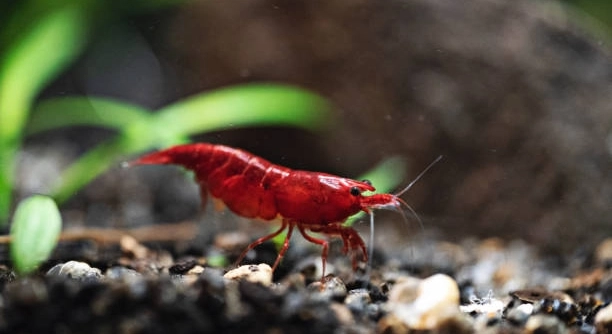
Cherry shrimp are small, colorful creatures that often attract attention in aquariums. Observing their behavior can be fascinating, especially when they spend more time near the water’s surface than at the bottom.
Cherry shrimp hover near the surface for several reasons, including oxygen levels, water quality, temperature fluctuations, and feeding habits. Surface activity can indicate environmental stress, molting, or the shrimp’s natural tendency to forage in areas with higher oxygen concentration.
Understanding why these shrimp gather near the top helps maintain a healthy tank environment and ensures their long-term wellbeing and comfort in captivity.
Low Oxygen Levels
When cherry shrimp hover near the surface, low oxygen in the tank is often a primary reason. Shrimp require well-oxygenated water to breathe, and if oxygen levels drop, they instinctively move toward the water’s surface where oxygen exchange occurs more readily. This can happen in tanks with poor water circulation, high stocking density, or excessive organic waste. Surface activity may increase during warmer months since oxygen solubility decreases as water temperature rises. Adding air stones, adjusting filter output, or ensuring the tank is not overcrowded can improve oxygen distribution. Regular water changes and monitoring temperature also help maintain oxygen at safe levels. Observing shrimp behavior can be a reliable indicator of oxygen issues before water tests show dangerous readings. It’s important to act promptly, as prolonged low oxygen can stress shrimp, making them more prone to illness and affecting their molting cycles.
Keeping the tank properly aerated and monitoring shrimp regularly helps prevent oxygen-related surface activity.
Shrimp moving to the surface for oxygen is often an early sign of potential water quality issues, highlighting the importance of consistent tank maintenance.
Temperature Fluctuations
Cherry shrimp are sensitive to sudden or extreme temperature changes in their environment. Even a few degrees’ difference can make them uncomfortable, leading them to hover near the top where temperature may feel slightly different. Sudden drops in temperature, often caused by air conditioning or nighttime cooling, can stress shrimp. Similarly, heaters placed incorrectly can create uneven temperature zones, prompting shrimp to search for a more stable area. Stable temperature is crucial for molting and feeding. Maintaining the tank within the ideal range for cherry shrimp, usually between 72–78°F, reduces this surface activity. Monitoring with reliable thermometers at multiple locations in the tank ensures consistency. Small adjustments are better than large swings to keep shrimp calm and active. Noticing patterns in surface activity can help identify if temperature fluctuations are the reason for their unusual behavior, allowing you to take targeted action.
Temperature-related hovering is a clear indicator that the tank’s environment needs careful observation and gradual adjustment.
Proper temperature management is essential for maintaining shrimp health and reducing stress. Avoid rapid heating or cooling, check heater placement, and track daily temperature changes. Shrimp thrive in stable, moderate conditions, which directly influences feeding, molting, and overall activity levels. Creating a consistent environment minimizes hovering at the surface and supports long-term well-being. Regular checks and slow, controlled adjustments prevent unnecessary stress while maintaining a safe habitat. In addition, balancing temperature with other water parameters, such as oxygen and pH, ensures that all aspects of the tank environment remain optimal for cherry shrimp.
Water Quality Issues
Poor water quality can drive cherry shrimp to the surface. High levels of ammonia, nitrites, or nitrates make the lower regions of the tank uncomfortable, forcing shrimp to seek cleaner water near the top. Regular testing is crucial to prevent this behavior.
Maintaining stable water parameters is essential for shrimp health. Filtration, routine water changes, and avoiding overfeeding reduce harmful compounds that accumulate in the tank. Cherry shrimp are sensitive to pH fluctuations, and even slight imbalances can stress them. Using conditioned water and monitoring chemical levels consistently ensures a safe environment. Observing shrimp behavior provides early warning signs before water chemistry becomes dangerous. Adjusting cleaning schedules and equipment can help maintain a balanced, healthy tank environment, keeping shrimp active and comfortable at all levels.
In addition to chemical balance, physical factors like debris buildup on the substrate or insufficient circulation can worsen water quality. Removing waste promptly and ensuring gentle water movement prevents stagnant areas where shrimp might avoid swimming. A combination of consistent maintenance, proper feeding, and monitoring environmental conditions keeps the tank stable. This reduces surface-hanging behavior and supports overall shrimp activity, growth, and molting cycles. Well-maintained water encourages natural exploration and feeding behaviors throughout the entire tank.
Feeding Patterns
Cherry shrimp often hover near the surface when they anticipate food. They can learn to associate certain times or locations with feeding, gathering where food is introduced. Regular, predictable feeding encourages this behavior.
Shrimp prefer small, frequent meals rather than large portions. Uneaten food can decay, impacting water quality, so providing measured amounts keeps the tank clean. Surface-feeding can also indicate a preference for floating or suspended foods. Observing how shrimp respond to different food types, such as algae wafers, blanched vegetables, or specialized pellets, helps you adjust feeding strategies. Timing and portion control ensure shrimp get adequate nutrition while preventing stress caused by water contamination.
Understanding shrimp feeding patterns allows you to manage their environment effectively. Providing a balanced diet at consistent times reduces excessive surface activity and promotes even distribution in the tank. Adjusting feeding methods, such as sinking pellets or scattering food, encourages shrimp to explore all areas, improving overall activity and tank dynamics. Monitoring their behavior after feeding gives insight into health and satisfaction, while careful attention to feeding schedules prevents overfeeding and maintains water stability. Healthy feeding habits support molting, reproduction, and long-term vitality.
Molting
Cherry shrimp may hover near the surface during molting periods. They often seek calmer areas where they feel safer while shedding their exoskeleton. Surface zones can provide easier access to oxygen and less crowded space.
Molting is a vulnerable time for shrimp. They need stable water conditions, adequate calcium, and minimal disturbance to complete the process safely. Ensuring a stress-free environment reduces the risk of molting complications and supports healthy growth and regeneration of their new exoskeleton.
Stress
Stress causes shrimp to change their behavior, including staying near the water’s surface. Sudden changes in water parameters, overcrowding, or aggressive tankmates can trigger this response.
Cherry shrimp are sensitive creatures. Stress can weaken their immune system, slow molting, and reduce feeding activity. Monitoring the tank for potential stressors, such as rapid temperature changes or incompatible species, helps maintain a calm environment. Consistent water parameters, sufficient hiding spots, and gentle handling minimize stress. Observing shrimp regularly allows early detection of behavioral changes, ensuring corrective actions before long-term harm occurs. A stable, quiet environment encourages shrimp to distribute naturally throughout the tank, reducing surface-hovering tendencies.
Breeding Behavior
During breeding, cherry shrimp may gather near the surface to find optimal conditions for mating and egg-laying. This behavior is natural and indicates active reproduction.
Oxygen-Rich Zones
Cherry shrimp often seek areas with higher oxygen concentrations. Surface regions and areas near filters or air stones provide better aeration, attracting shrimp who need more oxygen for activity and health.
Why do my cherry shrimp keep hovering at the top of the tank?
Cherry shrimp hover at the top primarily due to environmental factors. Low oxygen levels, temperature fluctuations, and poor water quality often push them upward. They instinctively move toward areas where oxygen is higher or water feels safer. Observing their behavior can give early insight into tank conditions. Maintaining stable water parameters, regular filtration, and proper aeration usually reduces this surface activity. In some cases, hovering can also be linked to feeding habits or molting periods. Ensuring consistent care helps shrimp feel secure and encourages them to explore all tank areas.
Is it normal for cherry shrimp to spend time at the surface?
Yes, occasional surface activity can be normal. Cherry shrimp are curious and may investigate floating food or oxygen-rich areas. Temporary surface-hanging does not always indicate a problem, especially if water parameters are stable and shrimp appear healthy. Minor hovering can be part of their natural foraging behavior. However, if surface activity increases consistently or is paired with signs of stress like lethargy, color fading, or erratic swimming, it is likely a response to environmental stressors. Regular monitoring ensures their activity remains safe and normal.
How can I tell if my tank has low oxygen levels?
Shrimp hovering near the surface, gasping, or clustering around areas with bubbles often indicate low oxygen. Other signs include lethargy and reduced feeding. Testing dissolved oxygen levels with a reliable meter helps confirm the issue. Aeration devices like air stones, proper filtration, and water circulation improve oxygen distribution. Avoid overcrowding and remove decaying organic matter, as excess waste consumes oxygen. Maintaining an ideal temperature also supports oxygen solubility. Observing shrimp behavior regularly allows early intervention before low oxygen levels become dangerous, keeping them healthy and active throughout the tank.
What water parameters do cherry shrimp prefer?
Cherry shrimp thrive in stable water with a pH between 6.5 and 8.0, soft to moderately hard water, and temperatures from 72 to 78°F. Ammonia and nitrite levels must remain at zero, and nitrates should be below 20 ppm. Consistent water changes, filtration, and monitoring prevent fluctuations that can stress shrimp. Stability is more important than exact numbers, as sudden changes often trigger surface-hanging behavior. Using conditioned water and avoiding overfeeding further protects water quality. Maintaining these parameters encourages shrimp to explore the entire tank, rather than remaining near the surface due to stress or discomfort.
Can feeding habits cause surface hovering?
Yes, cherry shrimp often associate the surface with food. Floating or slow-sinking foods attract them upward. They learn feeding schedules and may gather near the top in anticipation of meals. Overfeeding can worsen water quality, indirectly causing more surface activity. Providing small, frequent meals and observing shrimp behavior helps manage this. Sinking foods or scattering food evenly encourages shrimp to feed throughout the tank. Monitoring how shrimp respond to different foods ensures they get adequate nutrition while reducing stress-related surface activity. Feeding practices play a significant role in overall shrimp behavior and tank dynamics.
Does molting affect where shrimp stay in the tank?
During molting, shrimp are more vulnerable and may seek calm areas, including near the surface. They need oxygen-rich water and minimal disturbance to shed and harden their new exoskeleton safely. Stress, poor water quality, or lack of hiding spots can complicate molting. Providing a stable environment, adequate calcium, and gentle water flow supports healthy molting cycles. Observing shrimp during this time helps prevent injuries or failed molts. Recognizing molting-related surface activity prevents unnecessary concern, as it is a natural and temporary behavior linked to growth and regeneration.
How can I reduce stress for my cherry shrimp?
Stress increases surface-hanging behavior. Avoid rapid temperature changes, aggressive tankmates, and overcrowding. Stable water parameters, adequate hiding spots, and minimal disturbances improve shrimp comfort. Gentle handling and consistent feeding routines reduce stress. Observing shrimp for color, activity, and molting patterns helps identify early stress signs. Maintaining a calm, predictable environment encourages shrimp to distribute naturally, reducing excessive surface activity and supporting overall health.
Is surface-hanging always a sign of a problem?
Not always. Occasional hovering is normal, especially around feeding or oxygen-rich areas. Persistent or sudden increases in surface activity usually indicate environmental stress, water quality issues, or molting needs. Observing shrimp behavior, testing water parameters, and maintaining stable conditions ensures that surface-hanging does not become harmful. Balanced care allows shrimp to thrive throughout the tank, preventing long-term health concerns while supporting natural behaviors and activity levels.
What should I do if my shrimp hover constantly at the surface?
Check water quality first, including ammonia, nitrite, nitrate, pH, and temperature. Improve aeration with air stones or filters and ensure proper circulation. Reduce stress by providing hiding spots and avoiding overcrowding. Adjust feeding practices and monitor molting patterns. Observing behavior regularly allows prompt action to correct environmental issues, ensuring shrimp health and activity.
Can breeding influence surface activity?
Yes, during breeding periods, shrimp may move to surface zones to find optimal conditions for mating or egg-laying. This behavior is natural and usually temporary. Maintaining a stable tank with adequate hiding spots and clean water supports successful reproduction while preventing stress-related surface activity. Breeding activity often coincides with other environmental adjustments, making careful observation important.
Are there long-term risks if surface-hanging continues?
Prolonged surface-hanging can indicate persistent stress, low oxygen, or poor water quality. Continuous exposure to unfavorable conditions weakens the immune system, slows molting, and reduces feeding efficiency. Addressing environmental issues promptly ensures shrimp maintain proper health, growth, and reproduction. Regular monitoring and maintenance prevent chronic stress and support long-term vitality.
Final Thoughts
Cherry shrimp are fascinating creatures with behaviors that can tell us a lot about their environment. One of the most noticeable behaviors is hovering near the surface of the tank. While it may seem concerning at first, this activity often reflects normal responses to conditions in their habitat. Factors such as water quality, oxygen levels, temperature, and feeding patterns all influence where shrimp spend their time. By paying attention to these behaviors, you can better understand the needs of your shrimp and maintain a healthy, stable aquarium. Observing them closely provides early warnings about potential problems, allowing adjustments before issues escalate. For instance, noticing frequent surface activity may signal low oxygen or water imbalances, which are relatively easy to fix with proper aeration and regular water changes.
Maintaining a balanced tank environment is key to reducing stress and keeping cherry shrimp active throughout all levels of the tank. Ensuring proper water parameters, such as pH, temperature, and hardness, prevents sudden changes that can trigger surface-hanging behavior. Feeding routines also play an important role. Offering small, frequent meals and using sinking or evenly distributed foods encourages shrimp to explore all areas rather than congregating at the top. Additionally, providing hiding spots and gentle water flow creates a calm environment that supports natural molting, reproduction, and growth. Every small adjustment, from filtration placement to air stone positioning, contributes to a more stable habitat. Consistent care not only improves shrimp behavior but also enhances their overall health and longevity.
Understanding cherry shrimp behavior is an ongoing process that requires attention, patience, and observation. Surface-hanging is just one of many signals they give about their environment. By monitoring these signs and making thoughtful adjustments, you can create a tank where shrimp thrive and display natural behaviors across all regions. Paying attention to oxygen levels, water quality, temperature stability, and feeding habits ensures your shrimp are comfortable, safe, and active. Over time, these practices lead to a healthier, more vibrant tank where the shrimp can grow, reproduce, and enjoy a balanced environment. Simple steps like regular water changes, proper aeration, and consistent feeding schedules can prevent many common problems. With careful observation and steady maintenance, surface-hanging will become less frequent, reflecting a well-managed, stable habitat that supports your shrimp’s long-term wellbeing and natural activity.

Hello,
If you enjoy the content that we create, please consider saying a "Thank You!" by leaving a tip.
Every little bit helps us continue crafting quality advice that supports the health, happiness, and well-being of pets around the world, for pets of all shapes, sizes, and species.
We really appreciate the kindness and support that you show us!