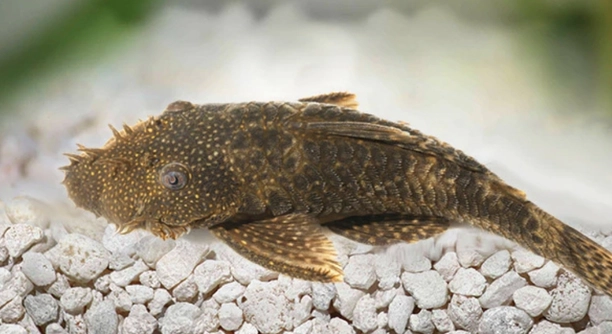
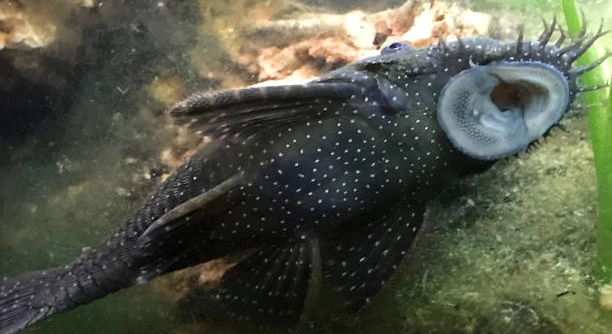
Can Bristlenose Plecos Navigate by Smell?
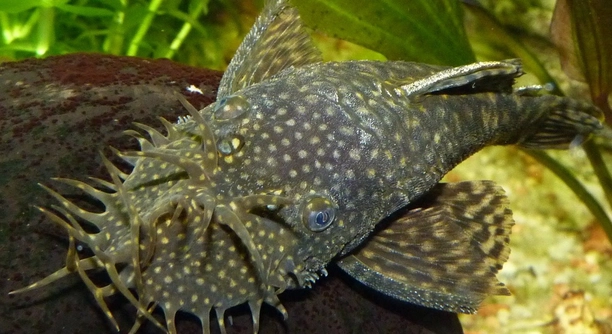
Have you ever watched your Bristlenose Pleco glide across the tank, seemingly confident in every turn it makes? These small, armored fish often appear to know exactly where they are going without hesitation. Bristlenose Plecos rely on their sense of smell to navigate their environment. Their olfactory system helps them detect food, avoid obstacles, and … Read more
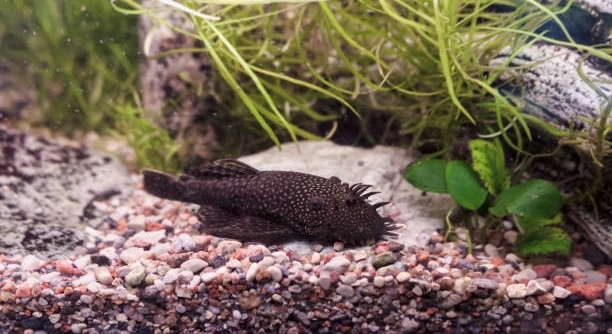
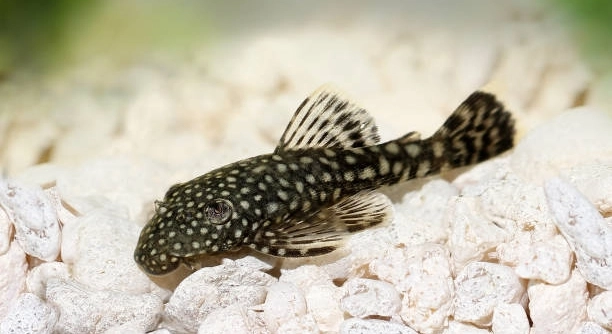
Can Bristlenose Plecos Hear Human Voices?

Bristlenose plecos are popular freshwater fish known for their algae-eating habits and distinctive whisker-like appendages. Many aquarists enjoy observing their behaviors and wonder about the ways these fish interact with their environment and caretakers. Bristlenose plecos do not have the anatomical structures necessary to perceive human speech. Their sensory system is primarily adapted to detect … Read more

Why Do Plecos Sometimes Float Near the Top?

Have you noticed your plecos lingering near the water’s surface instead of resting on the tank bottom? This behavior can be surprising for aquarium owners who expect them to stay hidden or attached to decorations. Observing them carefully helps. Plecos sometimes float near the top due to swim bladder issues, water quality problems, or dietary … Read more

7 Ways to Encourage Plecos to Come Out

Are your plecos hiding most of the time, leaving your tank feeling empty and dull? These peaceful fish are often nocturnal and shy, making it challenging to see them actively swimming during the day in their aquatic environment. Encouraging plecos to come out involves creating a suitable habitat, offering appropriate food, adjusting lighting conditions, and … Read more

7 Ways to Prevent Pleco Tank Aggression

Keeping a pleco in a community tank can be rewarding but sometimes challenging. These fish may display aggressive behaviors that can disrupt harmony and stress other tank mates. Understanding their nature helps create a calmer aquarium environment. Pleco tank aggression can be mitigated through proper habitat design, sufficient hiding spaces, balanced feeding schedules, and monitoring … Read more

7 Signs Your Pleco Is Lacking Nutrition

Is your pleco showing signs of lethargy or unusual behavior in its tank? Many owners may not realize that subtle changes in their fish’s appearance or habits can indicate nutritional deficiencies. Plecos require a balanced diet rich in vitamins, minerals, and fiber to maintain proper health. Nutritional deficiencies can manifest as stunted growth, faded coloration, … Read more

What Happens If a Pleco Loses Its Bristles?

Do you ever notice your pleco swimming differently or rubbing against surfaces more than usual? Many pleco owners watch closely for changes in their fish, especially when unusual signs like bristle loss appear over time. When a pleco loses its bristles, it can indicate stress, poor water quality, or health issues such as infections or … Read more

Do Bristlenose Plecos Like Tank Companions?

Do you enjoy keeping freshwater aquariums and have a soft spot for unique bottom-dwelling fish like Bristlenose Plecos? These small plecos are popular for their algae-eating habits and interesting facial bristles. Many aquarists wonder how they interact with other fish. Bristlenose Plecos generally tolerate tank companions but prefer a calm and spacious environment. Aggressive or … Read more

Why Your Pleco Hides After You Clean the Tank

Do you ever notice your pleco disappearing into a corner right after you clean its tank? These fish can be shy and cautious, especially when their environment changes, and sudden activity can make them retreat. The primary reason plecos hide after tank cleaning is stress caused by sudden changes in their environment. Altered water conditions, … Read more

7 Ways to Make a Breeding Cave More Inviting

Breeding caves are important spaces for reptiles and amphibians, providing security and comfort for their natural behaviors. Creating a welcoming environment can help reduce stress and encourage healthier breeding outcomes for your animals. Proper setup matters. The most effective ways to make a breeding cave inviting include adjusting lighting, maintaining optimal temperature and humidity, providing … Read more