
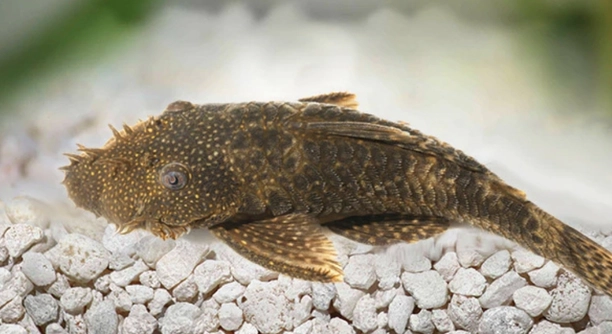
Are your plecos hiding most of the time, leaving your tank feeling empty and dull? These peaceful fish are often nocturnal and shy, making it challenging to see them actively swimming during the day in their aquatic environment.
Encouraging plecos to come out involves creating a suitable habitat, offering appropriate food, adjusting lighting conditions, and maintaining water parameters that support their natural behavior. Providing hiding spots, varied diets, and minimal disturbances significantly increases visibility and activity levels.
By applying these simple strategies, you can enjoy watching your plecos more often and create a more lively, engaging aquarium environment.
Create Hiding Spots and Shelters
Plecos naturally seek out hiding places during the day to feel secure. Adding caves, driftwood, and plants provides them with areas to rest without stress. Driftwood is especially beneficial, as many plecos graze on it for fiber while using it for shelter. Rocks and PVC pipes also work well, offering multiple hiding options. Placing these items in different parts of the tank encourages exploration and reduces territorial disputes. Avoid overcrowding the tank with decorations, as plecos need both open swimming areas and secluded spots. Observing where your plecos choose to hide can help you rearrange the tank for maximum comfort. Some plecos prefer vertical spaces, while others hide at the bottom or behind plants. Maintaining these shelters ensures they feel safe and are more likely to come out during feeding or calmer moments, enhancing both their health and your ability to enjoy their activity.
Providing various hiding spots encourages plecos to explore more and increases the chances of them swimming in visible areas.
Offering multiple shelters keeps plecos active, reduces stress, and mimics natural environments. Different textures and heights encourage movement and grazing behavior, leading to healthier, more confident fish.
Adjust Lighting to Natural Patterns
Lighting greatly affects pleco activity. Too bright light can stress them, making them hide more often. Low or dim lighting encourages natural behavior. Using a timer to simulate day and night cycles helps plecos know when to rest and when to be active. Avoid sudden changes in light intensity, as this can startle them. Consider floating plants or shaded areas to create gradients of light. Observing how plecos respond to different lighting can guide adjustments. Proper lighting not only promotes visibility but also supports algae growth, a food source for many pleco species, which encourages them to graze openly.
Dim and consistent lighting can make plecos feel safer and more likely to come out.
Gradually adjusting light levels can help plecos adapt and increase activity. Starting with softer light in the morning and evening, then slightly brighter mid-day, aligns with their natural rhythm. Avoiding harsh light reduces stress and encourages grazing and exploration. Floating or planted areas create shadowed regions that plecos use to feel secure while venturing out. Over time, this pattern can increase the frequency and duration of visible activity, allowing you to enjoy their presence. Pairing light adjustments with feeding routines further reinforces positive behaviors, as plecos associate the environment with safety and nourishment. Proper lighting is essential for tank health, fish well-being, and observing plecos without disrupting their comfort or natural habits.
Offer a Varied Diet
Providing different types of food keeps plecos interested and encourages them to come out. Algae wafers, fresh vegetables, and occasional protein treats meet their dietary needs while stimulating natural foraging behavior.
Variety in diet ensures plecos receive proper nutrition and remain active. Leafy greens such as zucchini, spinach, and cucumber are excellent for grazing, while sinking pellets or wafers mimic natural feeding patterns. Some species also benefit from occasional protein sources like bloodworms or shrimp, which can be offered sparingly. Rotating foods prevents boredom, encourages exploration, and increases the likelihood of observing plecos during feeding times. Offering fresh vegetables alongside commercial foods also helps maintain digestive health. Maintaining a consistent feeding schedule reinforces habits, so plecos feel confident coming out to feed. Observing their preferences allows small adjustments to keep meals appealing and nutritious.
Regularly changing food types and presentation promotes natural behaviors. Feeding in different tank areas encourages movement, exploration, and more visible activity, keeping plecos engaged and healthy.
Maintain Stable Water Conditions
Stable water quality is essential for plecos to feel secure and active. Sudden changes in temperature, pH, or ammonia levels cause stress and hiding behavior.
Regular testing and gradual adjustments support long-term health and activity. Plecos thrive in water within specific temperature and pH ranges depending on their species. Consistent filtration, routine water changes, and careful monitoring of ammonia, nitrite, and nitrate levels prevent harmful spikes. Sudden chemical shifts can lead to stress, illness, and prolonged hiding. Stability in water conditions allows plecos to establish a routine, increasing their confidence in exploring the tank. Observing behavior after minor changes helps identify preferences and tolerance levels. Maintaining appropriate parameters supports feeding, growth, and natural behaviors, making plecos more likely to come out regularly. Proper water care also minimizes stress-induced aggression and promotes overall vitality.
Reduce Tank Disturbances
Frequent tapping on glass or sudden movements can make plecos retreat. Keeping activity around the tank minimal allows them to feel secure and encourages them to explore more often.
Consistent, calm behavior near the tank helps plecos adjust to their environment. Avoid loud noises, sudden lighting changes, or rapid water splashes. Even small disturbances can trigger hiding behavior, especially in shy species. Creating a predictable environment makes plecos more comfortable coming out during the day and encourages natural behaviors.
Feed at Consistent Times
Feeding plecos on a regular schedule helps them develop predictable routines. They begin to associate specific times with safety and food, which encourages them to emerge from hiding. Offering food at the same time daily reduces stress and promotes activity.
Introduce Tank Mates Carefully
Adding compatible species can stimulate pleco activity. Avoid aggressive fish that may intimidate them. Compatible tank mates encourage exploration without causing stress, making plecos more visible.
FAQ
Why does my pleco hide all the time?
Plecos naturally prefer hiding during the day because they are nocturnal and shy by nature. Bright lights, sudden movements, and disturbances can make them retreat. Lack of hiding spots or insufficient food may also contribute to prolonged hiding. Ensuring a comfortable habitat with shelters, shaded areas, and proper water conditions helps reduce stress and encourages them to explore more frequently. Observing their behavior can indicate if environmental changes or dietary adjustments are needed.
How often should I feed my pleco?
Most plecos do well with one feeding per day, preferably in the evening when they are naturally more active. A combination of algae wafers, fresh vegetables, and occasional protein treats ensures balanced nutrition. Avoid overfeeding, as leftover food can pollute the water and harm both plecos and other tank inhabitants. Maintaining a consistent feeding schedule encourages plecos to emerge and associate specific times with food, promoting regular activity.
What kind of hiding spots are best for plecos?
Driftwood, caves, and PVC pipes are excellent hiding spots. Driftwood also provides fiber for grazing. Rock formations and dense plants create shaded areas, giving plecos multiple options to feel secure. Placing shelters in different tank areas encourages exploration while preventing territorial disputes. Observing their preferred hiding spots helps you adjust placement to maximize comfort and visibility. Proper shelters mimic natural conditions, reduce stress, and increase the likelihood of plecos being active.
Can lighting affect my pleco’s behavior?
Yes, lighting has a significant impact. Bright lights may stress plecos and keep them hiding, while dim or shaded lighting encourages natural behaviors. Using timers to simulate day and night cycles supports their activity patterns. Floating plants or strategic placement of decorations can create gradients of light, providing safe areas while allowing visibility. Gradually adjusting light intensity prevents startling plecos and promotes grazing and exploration, increasing the chance of seeing them out in the open.
How important is water quality for pleco activity?
Water quality is critical for pleco health and activity. Sudden changes in temperature, pH, or chemical levels cause stress, leading to hiding. Regular testing, proper filtration, and routine water changes maintain stable conditions. Plecos thrive in specific temperature and pH ranges depending on the species, and stable water reduces stress-related behaviors. Observing their response to minor changes helps identify tolerance levels. Healthy water encourages feeding, movement, and overall vitality.
Will adding tank mates help my pleco come out?
Compatible tank mates can stimulate activity, but aggressive or overly active fish may intimidate plecos. Peaceful species encourage natural behaviors without causing stress. Observing interactions helps ensure harmony. Adding companions gradually and monitoring pleco behavior prevents conflicts. The presence of other fish can increase exploration and visibility, especially if they graze on algae or stir the environment without threatening the pleco’s space.
Why is my pleco not eating even when it comes out?
If a pleco comes out but avoids food, it may be stressed, ill, or not interested in the current diet. Check water parameters, tank conditions, and food types. Offering fresh vegetables or varied sinking pellets can encourage feeding. Health issues like parasites or injuries can also affect appetite. Monitoring for unusual behavior, discoloration, or lethargy helps identify potential problems early. Ensuring a calm, stable environment encourages normal feeding habits and activity.
How can I make my pleco more active during the day?
Creating a safe, enriched environment with multiple hiding spots, shaded areas, and regular feeding schedules promotes daytime activity. Minimizing disturbances, maintaining stable water conditions, and providing varied foods encourages exploration. Adjusting light gradually and observing preferences also helps plecos feel comfortable being visible. Combining these factors gradually builds confidence and increases the likelihood of seeing them more often.
Do plecos need live plants to come out?
Live plants are not required but can improve comfort. They provide hiding spaces, shaded areas, and grazing surfaces. Floating or dense plants allow plecos to feel secure while exploring. If live plants are not possible, artificial plants or decorations can serve similar purposes. The goal is to offer a sense of safety and natural-like structure to encourage activity without forcing exposure.
Can stress make plecos hide permanently?
Prolonged stress can reduce activity and weaken the immune system, but permanent hiding is uncommon if conditions improve. Minimizing disturbances, maintaining water quality, providing proper shelters, and offering a balanced diet can restore normal behavior. Observing patterns and responding to stress factors ensures plecos regain confidence and regularly come out of hiding.
How can I tell if my pleco is happy and healthy?
Active grazing, smooth swimming, vibrant coloration, and consistent feeding are signs of a healthy pleco. They may spend time exploring, resting in shelters, or interacting with gentle tank mates. Stress, erratic behavior, or prolonged hiding may indicate issues with water, diet, or health. Proper care and observation help maintain a safe, comfortable environment, allowing plecos to exhibit natural behaviors consistently.
Final Thoughts
Keeping plecos active and visible in an aquarium requires attention to their natural behaviors and needs. These fish are nocturnal and naturally shy, so understanding their habits is the first step in encouraging them to come out. Providing a safe and comfortable environment is essential. This includes stable water conditions, appropriate temperatures, and clean, well-maintained tanks. Regular monitoring of water quality helps prevent stress, which is a common reason plecos hide for long periods. By maintaining these basic parameters, plecos feel secure and are more likely to explore their surroundings. Proper care and observation allow you to notice small changes in behavior that can indicate discomfort or health issues. Adjusting environmental factors gradually ensures that plecos adapt without feeling threatened.
Hiding spots and shaded areas are critical in promoting activity. Plecos need places to rest and feel safe, and the presence of caves, driftwood, plants, or PVC pipes fulfills this need. These shelters not only provide protection but also encourage natural behaviors such as grazing, exploration, and occasional interaction with the environment. Offering multiple hiding options in different areas of the tank prevents territorial disputes and ensures all plecos have access to safe spaces. Variety in the layout can stimulate curiosity, encouraging them to come out more frequently. Observing where plecos prefer to hide helps refine the tank setup and ensures their comfort. Additionally, creating a balance between open swimming areas and covered spaces gives plecos confidence to explore while feeling secure. Consistent environmental structure allows them to establish routines, which increases visibility during feeding and calm periods.
Diet, light, and social considerations also play a major role in encouraging plecos to be active. Feeding them a varied diet of algae wafers, fresh vegetables, and occasional protein treats supports health and promotes natural foraging behaviors. Regular feeding schedules make plecos more predictable in their activity and reinforce positive routines. Lighting should be gradual and mimic natural day-night cycles, avoiding sudden brightness that can cause stress. Careful selection of tank mates can provide gentle stimulation without intimidation. Combining these factors—nutrition, environmental comfort, and suitable companions—supports physical health and mental well-being. Over time, plecos become more confident in exploring the tank, allowing you to observe their unique behaviors and personalities more frequently. Consistency in these practices ensures long-term happiness and activity for plecos in a home aquarium setting.

Hello,
If you enjoy the content that we create, please consider saying a "Thank You!" by leaving a tip.
Every little bit helps us continue crafting quality advice that supports the health, happiness, and well-being of pets around the world, for pets of all shapes, sizes, and species.
We really appreciate the kindness and support that you show us!