
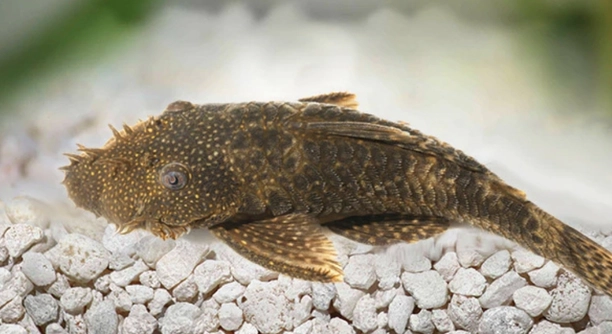
Breeding caves are important spaces for reptiles and amphibians, providing security and comfort for their natural behaviors. Creating a welcoming environment can help reduce stress and encourage healthier breeding outcomes for your animals. Proper setup matters.
The most effective ways to make a breeding cave inviting include adjusting lighting, maintaining optimal temperature and humidity, providing soft substrate, adding hiding spaces, ensuring cleanliness, using natural décor, and offering adequate ventilation. Each factor directly impacts the animals’ comfort and reproductive behavior.
Learning how to arrange a breeding cave thoughtfully can improve your pets’ wellbeing and promote more successful breeding experiences over time. Small adjustments often make a noticeable difference in their environment.
Adjust Lighting Appropriately
Lighting plays a critical role in creating a comfortable breeding cave. Too much light can make animals anxious, while too little may disrupt their natural cycles. For reptiles, subtle ambient light that mimics dawn or dusk often works best. Amphibians may prefer dimmer setups with shaded areas. Consider using LED lights or low-wattage bulbs to maintain a gentle glow without overheating the cave. Avoid direct light sources that shine on the animals, as this can cause stress and reduce breeding activity. Light timers can help maintain consistent day-night cycles. Proper lighting encourages natural behaviors, helping your animals feel secure. By observing their reactions to different light levels, you can adjust the setup until it suits their needs. Using natural or soft-colored decorations near light sources can also diffuse brightness and make the environment appear more natural. Maintaining these subtle lighting adjustments often leads to calmer, more comfortable animals and better breeding success.
Lighting management ensures animals remain calm and active, fostering an environment conducive to natural reproductive behaviors.
A balanced lighting setup not only supports activity patterns but also promotes overall health. Reptiles and amphibians rely on light cues to regulate feeding, resting, and breeding. By mimicking natural cycles, you help them feel safe and confident in their space. Overly bright conditions can trigger stress responses, reducing appetite and interest in mating. On the other hand, overly dark or inconsistent lighting can confuse circadian rhythms and cause lethargy. Introducing gentle transitions, such as dimming lights gradually or providing shaded spots, allows the animals to adjust naturally. Monitoring temperature near light sources ensures that the area does not become uncomfortably warm. Adding natural elements like rocks, plants, or moss near lit areas can diffuse the intensity and create hiding spaces, enhancing the cave’s appeal. Paying attention to how animals respond to lighting changes gives valuable feedback. Over time, these careful adjustments make the breeding cave a more inviting and functional environment for your pets, encouraging healthier behavior and better reproductive outcomes.
Maintain Optimal Temperature and Humidity
Temperature and humidity must be stable to support breeding success. Each species has specific ranges that encourage comfort and natural behavior. Maintaining these levels is essential.
Using thermostats, hygrometers, and regular monitoring can help keep conditions consistent. Sudden changes in temperature or moisture can stress animals, discouraging breeding. Proper ventilation paired with humidity control prevents mold growth and keeps air fresh. Heating pads, ceramic heaters, or misting systems may be needed depending on the species. Observing behavior like hiding, basking, or burrowing can indicate whether the environment feels right. Adjustments should be gradual to avoid shocking the animals. Combining temperature and humidity management with other environmental factors ensures the cave remains suitable for breeding. Keeping these elements balanced creates a space where animals feel safe and can reproduce naturally. A well-regulated environment also promotes general health, helping eggs develop properly and hatchlings thrive without complications. Regular checks and small tweaks maintain long-term stability.
Provide Soft Substrate
Soft substrate cushions animals and gives them a comfortable place to rest or dig. It reduces stress and supports natural behaviors. Choosing the right material is key.
Substrate options like coconut fiber, moss, or fine sand provide a soft, natural feel. They retain moisture well, helping maintain proper humidity levels while allowing easy burrowing. Avoid harsh materials like gravel that can injure delicate skin or claws. Layering substrate to different depths gives animals choices for nesting or hiding, encouraging more natural activity patterns. Regularly cleaning or replacing the substrate prevents odor buildup and keeps the cave hygienic, reducing the risk of infections. Observing your animals’ preferences can guide which substrate combination works best, improving their comfort and breeding outcomes.
Soft substrate also supports egg-laying species by giving them a secure, gentle place to deposit eggs. The texture and depth matter for species that dig or burrow. Regular maintenance keeps the area clean and safe, while occasional additions of fresh material maintain a natural feel. Over time, animals become more confident and less stressed, which improves their likelihood of reproducing successfully.
Add Hiding Spaces
Hiding spaces reduce stress and make the cave feel secure. Animals naturally seek cover for safety and comfort, which encourages normal behavior and breeding.
Using small shelters, hollow logs, or artificial caves gives animals multiple options for retreat. Position these spaces in quiet, dim areas to increase their sense of security. Hiding spots can be placed at varying heights or locations to match the species’ natural habits. Incorporating plants or moss around these areas adds a natural touch and enhances camouflage, making animals feel safer. Ensure all hiding spaces are stable and free of sharp edges to prevent injury. Observing how animals use these areas helps determine whether additional shelters or adjustments are needed. Well-placed hiding spaces not only reduce stress but also promote confidence, activity, and reproductive behaviors, creating a more successful breeding environment.
Ensure Cleanliness
Keeping the breeding cave clean prevents stress and health issues. Regularly removing waste and soiled substrate is essential.
Disinfecting surfaces with safe, non-toxic cleaners helps reduce bacteria and mold. Clean water dishes daily and replace any damp bedding to maintain hygiene.
Use Natural Décor
Natural décor makes the cave feel more like a real habitat. Rocks, branches, and moss provide texture, hiding spots, and climbing opportunities. They encourage natural exploration and reduce stress, improving overall comfort for breeding.
Offer Adequate Ventilation
Good airflow prevents stagnant air and excessive moisture buildup. Proper ventilation supports respiratory health and keeps the cave environment stable for animals.
FAQ
How often should I clean a breeding cave?
Cleaning should be done regularly to maintain a healthy environment. Spot cleaning daily by removing waste and leftover food is essential. A deeper cleaning, including changing substrate and disinfecting surfaces, should occur every few weeks depending on the species and number of animals. Over-cleaning can disturb natural scents, so balance is important. Observing your animals can help determine the ideal schedule, ensuring the cave remains hygienic without causing unnecessary stress.
What type of substrate works best for breeding caves?
The substrate should be soft, non-toxic, and able to hold moisture if needed. Coconut fiber, moss, and fine sand are popular options. Layering different depths can provide choices for burrowing or resting. Avoid sharp or rough materials that could injure sensitive skin or claws. Clean or replace the substrate regularly to prevent mold and bacterial buildup. Some species prefer drier surfaces, while others need moisture-retentive bedding. Matching substrate type to your animals’ natural habits improves comfort and encourages natural breeding behaviors.
How do I control temperature and humidity effectively?
Temperature and humidity should mimic natural conditions for your species. Thermometers and hygrometers are essential for monitoring. Use heating pads, ceramic heaters, or misting systems as needed, adjusting gradually to avoid stress. Proper ventilation helps maintain stable conditions without creating drafts. Observing behavior like basking, burrowing, or hiding can indicate whether adjustments are needed. Gradual changes are better than sudden shifts. Balancing these factors ensures animals remain healthy and comfortable, supporting reproduction and overall wellbeing.
How important is lighting in a breeding cave?
Lighting affects activity levels, feeding, and reproductive behavior. Too bright can stress animals; too dim can disrupt circadian rhythms. Soft ambient light or low-wattage LEDs work well. Timers can help maintain consistent day-night cycles. Adding shaded areas or natural décor can diffuse light and create hiding spots. Observing animals’ reactions allows fine-tuning. Proper lighting encourages natural behaviors and reduces stress, making the cave more inviting for breeding.
Should I add hiding spots or décor inside the cave?
Yes, hiding spots reduce stress and provide a sense of security. Use small shelters, hollow logs, or branches. Natural décor like moss or rocks enhances camouflage and comfort. Placement matters—quiet, dim corners work best. Stable structures prevent injuries. Multiple options encourage exploration, natural activity, and successful breeding. Watching how animals interact with these spaces helps determine if adjustments are needed to improve their comfort.
Can overcrowding affect breeding success?
Overcrowding increases stress and competition, reducing the likelihood of mating. Each animal needs enough space for hiding, resting, and normal movement. Proper cave size and multiple shelters prevent aggression and ensure animals feel secure. Monitoring population density and rearranging the environment can improve comfort. Overcrowded conditions can lead to poor health and lower reproductive rates. Providing adequate space is a simple yet critical step in creating a successful breeding cave.
How do I know if my animals are comfortable in the cave?
Comfort can be observed through behavior. Animals that explore, rest in hiding spots, eat normally, and display natural reproductive behavior are likely comfortable. Signs of stress include pacing, excessive hiding, aggression, or refusal to eat. Adjusting lighting, temperature, substrate, or décor can improve comfort. Regular observation helps you make incremental improvements, ensuring the cave remains inviting and supportive of breeding.
Is ventilation really necessary in a breeding cave?
Yes, proper ventilation prevents stagnant air, excess moisture, and mold growth. It supports respiratory health and maintains consistent environmental conditions. Small vents or mesh covers allow airflow without creating drafts. Observing condensation levels and air quality can help determine if ventilation is sufficient. Proper airflow combined with humidity control ensures a safe, stable environment that encourages natural behaviors and breeding success.
How often should I check temperature and humidity?
Daily monitoring is recommended, especially during seasonal changes or extreme weather. Consistent readings help detect deviations that could stress animals. Thermometers and hygrometers should be checked and recalibrated regularly. Gradual adjustments are better than sudden changes, preventing shock to the animals. Keeping a record of daily measurements can help track trends and maintain optimal conditions for health and breeding.
Can natural décor affect humidity and temperature?
Yes, natural décor like moss or live plants can retain moisture, slightly raising humidity levels. Rocks or wood may absorb heat, affecting local temperature. Placement of these items should consider their impact on environmental conditions. Using décor that supports natural behaviors while maintaining balance in temperature and humidity is key. Regular observation ensures the cave remains comfortable, safe, and conducive to breeding.
How do I prevent mold in a breeding cave?
Prevent mold by controlling humidity, ensuring proper ventilation, and regularly cleaning the cave. Remove damp or decaying material and replace it with fresh substrate. Overwatering plants or moss can increase risk. Using breathable materials and maintaining airflow reduces moisture buildup. Regular inspections help catch early signs of mold before it becomes a problem. Prevention ensures animals stay healthy and the breeding environment remains safe.
What are signs that breeding conditions are ideal?
Signs include regular activity, normal feeding, use of hiding spots, and observed reproductive behavior. Eggs or successful mating attempts indicate favorable conditions. Animals appear calm, show curiosity, and interact naturally with their environment. Monitoring these indicators allows you to confirm that lighting, temperature, humidity, substrate, and décor are all balanced to support health and reproduction. Minor adjustments can enhance comfort and breeding outcomes.
Can different species share a breeding cave?
Sharing a cave is risky unless species have similar environmental needs and compatible temperaments. Mixed species can cause stress, aggression, or disease transmission. When housing multiple animals, ensure adequate space, separate hiding spots, and observe behavior closely. Usually, a species-specific setup is safer and more effective for breeding success.
How do I safely introduce new animals to the cave?
Introduce new animals gradually and monitor interactions closely. Quarantine new additions for a few weeks to prevent disease. Start with visual contact or separated areas before full integration. Gradual introductions reduce stress and aggression, helping maintain a calm environment conducive to natural behavior and breeding.
What should I do if my animals stop using the cave?
If animals avoid the cave, check temperature, humidity, lighting, and substrate. Ensure hiding spaces are secure and that the environment feels safe. Small changes like repositioning décor, adding fresh substrate, or adjusting light levels can make the space more appealing. Observing behavior helps identify problems. Consistency and subtle improvements encourage animals to return.
How can I encourage breeding behavior in the cave?
Maintain optimal environmental conditions, provide sufficient hiding spots, and ensure minimal stress. Proper lighting, temperature, humidity, and substrate all influence reproductive behavior. Offering privacy, calm surroundings, and species-specific cues helps animals feel secure. Observing their interactions can guide further adjustments to encourage mating naturally.
Can I use artificial plants or décor?
Yes, artificial décor can provide hiding spots and visual interest without affecting humidity or introducing pests. Choose safe, non-toxic materials. Combine with natural elements if needed to mimic a realistic environment. Stable placement and attention to animal interaction are important to prevent injury or stress.
How do I track success in the breeding cave?
Track success by observing activity, feeding, mating behavior, and egg or offspring production. Keeping a log of environmental conditions, changes, and observations can reveal patterns that support better breeding outcomes. Regular review helps refine cave setup and ensures a healthy, comfortable environment for the animals.
Is it necessary to adjust conditions seasonally?
Yes, some species respond to seasonal changes for breeding. Adjusting light cycles, temperature, and humidity to mimic natural variations can trigger reproductive behaviors. Gradual changes reduce stress and help animals acclimate, improving the likelihood of successful breeding.
What safety precautions should I take?
Ensure all materials are non-toxic, stable, and free of sharp edges. Monitor temperature and humidity to prevent extremes. Clean regularly and remove mold or debris promptly. Observing animals for signs of stress or illness ensures the environment remains safe and supportive of breeding.
Can stress impact breeding success?
Stress can reduce appetite, activity, and interest in mating. Factors like poor hiding spots, overcrowding, extreme temperatures, or sudden changes in lighting increase stress. Minimizing disturbances and maintaining a stable, comfortable environment supports reproductive health and encourages natural breeding behavior.
How often should I observe the animals?
Daily observation helps identify stress, illness, or environmental problems early. Notes on activity, feeding, and behavior provide valuable insight into comfort levels and breeding readiness. Regular monitoring ensures adjustments can be made quickly to maintain optimal conditions.
What is the most important factor in a breeding cave?
While many factors matter, providing a safe, comfortable, and stable environment is key. Temperature, humidity, lighting, substrate, hiding spaces, and cleanliness all contribute. Balancing these elements ensures animals feel secure, healthy, and ready to breed naturally.
How do I make small improvements over time?
Observe behavior, adjust lighting, reposition décor, or replace substrate gradually. Small, consistent changes help animals adapt without stress. Over time, incremental improvements enhance comfort, reduce stress, and support breeding success while keeping the cave environment stable.
How do I handle unexpected problems?
Identify the source, such as temperature fluctuations, mold, or aggression. Adjust conditions carefully and monitor responses. Quarantine sick animals if needed. Acting quickly prevents issues from escalating and maintains a safe, comfortable breeding environment.
Can breeding caves be used year-round?
Yes, if environmental conditions are maintained consistently. Seasonal adjustments may be necessary depending on species. Proper monitoring, gradual changes, and regular maintenance allow year-round use while supporting health and reproduction.
How important is water availability?
Fresh, clean water is essential. It supports hydration, thermoregulation, and natural behaviors. Bowls or small pools should be cleaned daily, and water levels checked regularly to ensure animals always have access. Proper hydration contributes to overall health and breeding success.
What role does observation play in breeding success?
Careful observation helps detect stress, illness, or environmental issues early. Tracking behavior, feeding, and reproductive activity informs adjustments to lighting, temperature, humidity, substrate, and décor. Observation allows proactive management, creating an environment conducive to healthy, successful breeding.
How do I prevent injury in the cave?
Ensure all décor is stable and free of sharp edges. Avoid overcrowding and monitor interactions. Soft substrate cushions movement, and secure hiding spots prevent falls or collapse. Regular inspections reduce risks and keep the environment safe for breeding animals.
Can I use the same cave for different breeding cycles?
Yes, with careful cleaning and substrate replacement between cycles. Check temperature, humidity, and décor to ensure they remain suitable. Adjustments may be needed to accommodate different stages of breeding or species-specific needs. Proper maintenance supports multiple cycles safely.
How do I know when changes are necessary?
Watch for signs like refusal to eat, hiding excessively, stress behaviors, or lack of reproductive activity. Environmental measurements outside optimal ranges indicate adjustments. Observing animals’ comfort and responses guides timely changes to improve the cave.
What small touches make the cave more inviting?
Adding moss, branches, shallow water dishes, and multiple hiding spaces improves comfort. Gradual lighting changes, soft substrate, and natural décor create a realistic and secure environment. Small details encourage exploration and natural behavior, supporting breeding success.
How do I balance cleanliness with natural scent?
Clean regularly but avoid over-disinfecting. Animals rely on natural scents for comfort and recognition. Spot cleaning, substrate replacement, and careful disinfecting maintain hygiene while preserving essential scent cues that reduce stress and support breeding behavior.
How important is consistency in care?
Consistency reduces stress and helps animals adjust to their environment. Stable temperature, humidity, light cycles, and cleaning routines support comfort and natural behaviors. Predictable conditions encourage confidence, feeding, and breeding, making consistency a key factor in a successful breeding cave.
What should I do if breeding fails repeatedly?
Evaluate environmental factors, substrate, hiding spots, light, temperature, and humidity. Adjust gradually, ensure minimal stress, and review species-specific requirements. Observing behavior closely helps identify barriers. Small, incremental changes often improve conditions, increasing the likelihood of successful breeding over time.
Can I monitor eggs or offspring safely?
Yes, with minimal disturbance. Observe from a distance and avoid handling unless necessary. Keep environmental conditions stable and provide adequate hiding spots. Monitoring ensures health and development without causing stress to the parents or young.
How do I know if the cave is too stressful?
Signs include hiding excessively, refusing food, pacing, aggression, or unusual lethargy. Rapid environmental changes, overcrowding, or insufficient hiding spots often cause stress. Adjusting conditions gradually, improving security, and observing responses helps reduce stress and encourages natural behaviors.
Are there any tools that help maintain the cave?
Thermometers, hygrometers, timers for lights, misting systems, and substrate gauges help maintain stable conditions. Using these tools ensures accurate monitoring and consistent adjustments, supporting health, comfort, and successful breeding.
Can I use the same setup for multiple species?
Only if environmental requirements match closely. Different species may need distinct temperature, humidity, or hiding spaces. Using one setup for multiple species without matching needs can increase stress and reduce breeding success. Species-specific adjustments are generally safer.
How do I encourage natural behaviors in the cave?
Provide proper substrate, hiding spots, décor, lighting, temperature, and humidity. Observe and adjust based on species-specific needs. Natural behaviors emerge when animals feel secure, comfortable, and unstressed, supporting healthy breeding.
What should I avoid in a breeding cave?
Avoid sharp or toxic materials, overcrowding, sudden environmental changes, and poor hygiene. Excessive handling or inconsistent care can also stress animals. Minimizing these risks supports comfort, health, and successful reproduction.
How do I maintain long-term cave health?
Regular cleaning, monitoring temperature and humidity, replacing substrate, and checking décor stability maintain a safe environment. Observing animals and making small, gradual adjustments ensures a durable, inviting, and effective breeding space over time.
What is the easiest way to spot problems early?
Daily observation of behavior, feeding, and environmental measurements reveals issues before they escalate. Monitoring allows prompt intervention, maintaining health, comfort, and optimal conditions for breeding.
Can I make the cave visually appealing for myself?
Yes, adding natural décor, moss, branches, and structured hiding spots can enhance visual appeal while remaining functional. Balance aesthetics with safety and comfort to ensure the environment remains ideal for animals.
Do animals prefer certain hiding spots over others?
Yes, preferences vary by species and individual temperament. Observe which areas are used most often to optimize placement and improve comfort. Providing multiple options ensures security and encourages natural behavior.
How do I handle aggressive behavior in a breeding cave?
Separate animals if aggression is observed. Check for overcrowding or inadequate hiding spots. Adjust environmental conditions and monitor interactions carefully. Minimizing stress and ensuring proper spacing reduces conflict and supports breeding success.
Is monitoring light cycles really necessary?
Yes, consistent light cycles regulate circadian rhythms and reproductive behavior. Timers or gradual changes help maintain stability. Proper light management reduces stress and encourages natural activity and breeding.
How can I prevent water contamination?
Change water daily, clean bowls, and avoid placing waste-prone items nearby. Using shallow dishes or separate water sources can reduce contamination. Clean water supports hydration, health, and breeding success.
What is the best way to track environmental changes?
Keep a log of temperature, humidity, light cycles, and cleaning schedules. Recording observations and adjustments helps identify patterns, troubleshoot issues, and maintain optimal conditions for breeding.
Can stress from handling affect breeding?
Yes, excessive or rough handling can trigger stress, reducing appetite, activity, and mating behavior. Limit interaction to essential care and monitoring. Gradual, calm handling minimizes negative effects.
How often should I replace décor and substrate?
Replace substrate when it becomes soiled or loses structure. Décor should be checked for wear or contamination and replaced as needed. Regular updates maintain hygiene, comfort, and natural appeal.
Can breeding caves improve animal health beyond reproduction?
Yes, a well-maintained cave supports general health, reduces stress, encourages activity, and promotes natural behaviors. Comfortable, stable conditions enhance wellbeing and longevity, benefiting both breeding success and overall quality of life.
How do I know when the cave needs an upgrade?
Observe stress behaviors, reduced breeding activity, or environmental inconsistencies. Signs like mold, worn substrate, or inadequate hiding spaces indicate that improvements or upgrades are necessary. Gradual enhancements can restore comfort and encourage natural behaviors.
Is it okay to experiment with new setups?
Yes, careful experimentation can improve conditions. Introduce changes gradually and monitor animal responses. Small adjustments in lighting, décor, or substrate can enhance comfort and breeding outcomes without causing stress.
How do I balance multiple factors in a breeding cave?
Temperature, humidity, light, substrate, décor, ventilation, and space must all work together. Monitor each factor regularly, observe animal behavior, and adjust gradually. Maintaining balance ensures a stable, comfortable, and successful breeding environment.
What are the signs of a well-maintained breeding cave?
Animals are active, feed normally, use hiding spots, show natural reproductive behaviors, and appear calm. Environmental measurements remain within optimal ranges, and cleanliness is maintained. A balanced cave supports health, comfort, and successful breeding outcomes.
Can small changes make a big difference?
Yes, adjusting light intensity, rearranging décor, or refreshing substrate can significantly improve comfort and reduce stress. Incremental changes often lead to better behavior, increased activity, and higher breeding success.
How do I prevent unexpected environmental shifts?
Use reliable thermostats, hygrometers, timers, and ventilation. Regular monitoring, gradual adjustments, and backup systems prevent sudden changes in temperature, humidity, or lighting that could stress animals and disrupt breeding.
Are there any long-term maintenance tips?
Maintain cleanliness, monitor environmental conditions, replace worn substrate or décor, and observe animals’ behavior. Small, consistent care routines ensure stability, comfort, and a healthy breeding environment for years.
What is the most common mistake in breeding caves?
Neglecting proper environmental control, overcrowding, or inadequate hiding spots often causes stress and reduces breeding success. Attention to detail and regular observation prevent these issues, promoting a comfortable and effective breeding environment.
Can breeding caves be used for observation purposes?
Yes, they provide insight into natural behaviors when designed safely. Proper lighting, hiding spots, and minimal disturbance allow observation without stressing animals, supporting research and personal understanding of their habits.
How important is patience in managing a breeding cave?
Patience is crucial. Gradual adjustments, careful observation, and allowing animals to acclimate promote comfort and natural behaviors. Rushing changes or expecting immediate results can cause stress, reducing breeding success.
How do I know if a breeding cave setup is successful?
Success is indicated by active, healthy animals showing normal reproductive behaviors, consistent egg or offspring production, and stable environmental conditions. Observing comfort, stress levels, and interactions provides confirmation of an effective setup.
What are some small, overlooked improvements?
Adjusting light angles, adding multiple shallow water sources, layering substrate, or slightly repositioning décor can improve comfort. Observing how
Creating a successful breeding cave is not about making dramatic changes all at once, but about small, consistent adjustments that improve the environment for your animals. Each factor, from temperature and humidity to lighting and substrate, contributes to the overall comfort and security of the cave. Maintaining these conditions takes attention and patience, but the payoff is a space where your animals can behave naturally, rest safely, and reproduce with less stress. Observing their responses to different setups can guide your decisions and help you create a cave that feels stable and inviting. Even minor tweaks, like adjusting the placement of a hiding spot or changing the depth of the substrate, can have a meaningful impact on the animals’ wellbeing.
Cleanliness is another key component. A breeding cave that is regularly cleaned and monitored for mold or bacteria ensures the animals remain healthy and reduces the risk of disease. Substrate should be replaced as needed, water dishes refreshed, and décor inspected for wear or contamination. These routines not only keep the environment safe but also encourage the animals to feel secure and confident in their space. Proper ventilation and airflow, combined with controlled humidity, prevent dampness and maintain a fresh environment. These steps might feel small, but they are essential for long-term success, creating a space where animals can thrive.
Ultimately, a breeding cave is about balance. It requires meeting the needs of the animals while creating a stable environment that supports natural behavior. Lighting, temperature, substrate, hiding spaces, décor, and water all work together, and monitoring these factors regularly is key. Animals respond to subtle changes in their surroundings, so careful observation and gentle adjustments are crucial. By paying attention to their behavior, ensuring comfort, and maintaining cleanliness and stability, you set up a breeding cave that promotes health, reduces stress, and encourages successful reproduction. Over time, this approach results in a space that supports the animals’ natural instincts and provides a safe, secure, and functional environment for both daily life and breeding activities.

Hello,
If you enjoy the content that we create, please consider saying a "Thank You!" by leaving a tip.
Every little bit helps us continue crafting quality advice that supports the health, happiness, and well-being of pets around the world, for pets of all shapes, sizes, and species.
We really appreciate the kindness and support that you show us!