
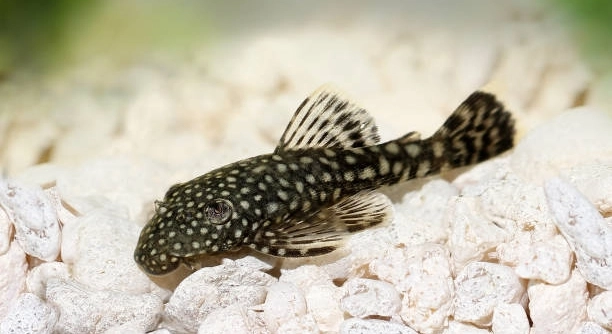
Have you noticed your plecos lingering near the water’s surface instead of resting on the tank bottom? This behavior can be surprising for aquarium owners who expect them to stay hidden or attached to decorations. Observing them carefully helps.
Plecos sometimes float near the top due to swim bladder issues, water quality problems, or dietary factors. These conditions can affect their buoyancy, causing them to rise unintentionally, and addressing the root cause can restore normal swimming behavior.
Understanding why plecos exhibit this behavior can improve their overall health and ensure your aquarium remains a safe, balanced environment for all fish.
Common Reasons Plecos Float Near the Top
Plecos floating near the water surface is often linked to their swim bladder or digestive system. Overfeeding or feeding inappropriate foods can produce gas, making it difficult for them to control their buoyancy. Poor water quality also plays a significant role. High levels of ammonia, nitrite, or nitrate create stress, which can impact a pleco’s health. Temperature fluctuations in the tank may exacerbate the problem, as plecos are sensitive to sudden changes. Additionally, infections and parasites can cause bloating or discomfort, prompting them to stay near the top. Observing your plecos’ eating habits and checking water parameters regularly helps detect issues early. Adjusting feeding schedules, improving filtration, and maintaining stable water conditions usually encourage them to return to normal swimming patterns. It is also important to quarantine new fish before adding them to the main tank to prevent spreading illnesses that affect buoyancy.
Maintaining stable water conditions and monitoring diet are often enough to keep plecos swimming normally.
Swim bladder problems are a leading reason plecos float unexpectedly. By adjusting diet, feeding smaller portions, and ensuring proper water parameters, owners can reduce instances of floating. Regular observation allows early detection of illness or stress, supporting long-term health.
Water Quality and Tank Conditions
Poor water quality directly impacts a pleco’s ability to swim properly. Dirty or unbalanced tanks increase stress, making floating behavior more likely.
Ensuring consistent water temperature, removing excess waste, and checking chemical levels are essential for healthy plecos. Clean tanks prevent gas buildup and infections. Regular water changes, proper filtration, and testing for ammonia, nitrites, and nitrates keep conditions stable. Oxygen levels also matter; low oxygen encourages fish to stay near the surface. Using dechlorinated water and monitoring pH helps avoid stress. Providing hiding spots and sufficient swimming space reduces anxiety that can contribute to floating. Observing behavior after water adjustments confirms whether improvements are effective. Small changes often restore normal activity.
Creating a balanced environment reduces floating incidents. Tank setup, filtration, and water quality management all play crucial roles. Paying attention to these factors ensures plecos remain active, healthy, and comfortable. A clean, stable environment helps prevent long-term health issues and supports normal behavior, making it easier to care for plecos over time.
Diet and Feeding Habits
Overfeeding or giving the wrong type of food can make plecos float. Gas buildup from certain foods affects their buoyancy. Feeding smaller portions and choosing suitable foods helps maintain their digestive health.
A pleco’s diet directly influences swim bladder function. Foods high in protein or those that produce gas, like beans or certain algae wafers, can cause bloating and floating. Vegetables such as zucchini or cucumber are easier to digest and can prevent buoyancy issues. Feeding once or twice a day in controlled portions avoids overloading their digestive system. Observing how your pleco responds to different foods allows adjustments to prevent floating.
Some plecos develop floating issues after sudden changes in diet. Introducing new foods gradually reduces stress on their digestive system. Avoiding overfeeding and ensuring a mix of vegetables and protein sources supports proper digestion. Consistency in meal types and portion sizes helps prevent recurring buoyancy problems, allowing plecos to maintain normal swimming behavior. Regular observation and adjusting feeding habits can make a noticeable difference in their overall health.
Health and Stress Factors
Illness or stress can cause plecos to float near the top. Stressors include tank overcrowding, aggressive tankmates, or sudden environmental changes.
Parasites, infections, and swim bladder disorders are common health reasons for floating. Stress weakens immunity, making plecos more prone to illness. Observing changes in behavior, appetite, or appearance can indicate a problem. Isolating affected fish and maintaining optimal water conditions helps recovery. Providing hiding spots reduces stress and encourages natural activity. Some health issues require veterinary care or specific treatments to restore normal buoyancy. Regular tank maintenance and careful monitoring prevent minor issues from escalating.
A pleco’s environment strongly affects its stress levels. Overcrowding or incompatible tankmates often lead to floating or unusual swimming patterns. Maintaining stable water temperature, low noise levels, and a predictable feeding routine reduces stress. Stress management is essential for preventing illness, and early detection of changes in behavior allows prompt action. Ensuring a calm and stable environment supports the pleco’s immune system, reduces floating occurrences, and promotes normal activity. Regular observation and preventive measures can help maintain a healthy, balanced tank ecosystem.
Temperature and Oxygen Levels
Plecos are sensitive to sudden temperature changes. Water that is too cold or too warm can make them float near the surface. Maintaining a stable, appropriate temperature supports healthy swimming behavior and overall comfort.
Low oxygen levels also affect buoyancy. Plecos may rise to the top to access more oxygen. Proper aeration and filtration help maintain dissolved oxygen, preventing floating due to oxygen stress.
Tank Layout and Hiding Spots
Plecos feel safer when they have hiding places. Lack of shelter can make them stay near the surface, exposing them to stress. Adding caves, driftwood, or plants encourages them to explore the tank more naturally.
Observing Behavior
Watching your plecos regularly helps spot floating issues early. Changes in activity, appetite, or swimming patterns often indicate underlying problems that need attention. Prompt observation allows corrective measures before minor issues escalate.
Preventive Measures
Regular water changes, stable temperature, and proper diet reduce floating risks. Preventive care supports long-term health and keeps plecos active, comfortable, and less likely to develop buoyancy problems.
FAQ
Why is my pleco floating at the top of the tank?
Floating at the surface usually points to swim bladder problems, digestive issues, or water quality concerns. Overfeeding or feeding foods that produce gas can cause bloating, affecting buoyancy. Poor water parameters or sudden temperature changes may also stress plecos, making them rise to the top.
Can a floating pleco recover on its own?
Yes, sometimes minor floating is temporary. If it is caused by overfeeding, adjusting the diet and fasting for a day or two can help. Stable water conditions and proper tank maintenance often restore normal swimming. However, persistent floating should be checked carefully, as it may indicate illness.
What foods can help prevent floating?
Vegetables like zucchini, cucumber, and peas are easier to digest and reduce gas buildup. Avoid feeding too many protein-heavy or processed foods at once. Smaller, controlled portions once or twice a day prevent digestive stress and support healthy swim bladder function.
How does water quality affect buoyancy?
High ammonia, nitrite, or nitrate levels stress plecos, impacting health and buoyancy. Dirty water can cause gas accumulation in the digestive system, making floating more likely. Regular water changes, proper filtration, and testing water chemistry prevent these problems and keep plecos active.
Can temperature changes cause floating?
Yes. Plecos are sensitive to rapid shifts in water temperature. Sudden cold or hot water stresses them, affecting metabolism and buoyancy. Using a reliable heater, monitoring temperature, and avoiding drastic changes help maintain normal swimming patterns.
Does tank size matter?
Smaller, overcrowded tanks can increase stress, which may lead plecos to float. Providing adequate swimming space, hiding spots, and a calm environment reduces stress and encourages normal behavior. Driftwood, plants, or caves give plecos secure areas to rest.
Should I isolate a floating pleco?
Isolation can help if illness or parasites are suspected. Quarantining the fish prevents the spread of disease and allows focused observation. Ensure the quarantine tank has clean water, proper temperature, and hiding spots to reduce stress.
How long does it take for a pleco to return to normal?
Recovery depends on the cause. Minor digestive or stress-related floating may resolve within a few days after adjusting diet and water conditions. Persistent issues caused by disease or swim bladder damage may take weeks and could require treatment or veterinary guidance.
Can stress alone cause floating?
Yes. Stress from tankmates, environmental changes, or excessive handling can affect buoyancy. Providing stable water conditions, hiding places, and consistent feeding routines minimizes stress and encourages normal swimming behavior.
Are there signs to watch for besides floating?
Changes in appetite, lethargy, abnormal swimming patterns, bloating, or visible parasites are important indicators. Early detection allows prompt intervention. Observing your plecos regularly helps prevent minor issues from becoming serious health problems.
Is it possible to prevent floating completely?
While some causes like sudden illness may be unavoidable, careful tank maintenance, stable water conditions, appropriate diet, and stress reduction significantly lower the likelihood. Consistent observation and preventive care create an environment where plecos thrive and maintain proper buoyancy.
Do all plecos float the same way?
Not necessarily. Some may tilt, float sideways, or struggle to stay upright. The severity and type of floating can indicate the underlying problem, helping to determine whether dietary, environmental, or medical intervention is needed.
Can medications help with floating issues?
Medications may be necessary if floating is caused by infection or parasites. It is important to identify the cause first and follow proper treatment guidelines. Misusing medications can harm the pleco or other tank inhabitants, so careful application is critical.
How often should I check water quality?
Weekly testing is recommended for ammonia, nitrite, nitrate, and pH levels. Keeping water parameters stable prevents stress-related floating and ensures the pleco remains healthy. Observing water clarity and cleanliness between tests is also important.
Are there natural remedies for floating?
Fasting for a day or two, feeding peeled peas, and maintaining clean water can help mild digestive-related floating. These steps are often sufficient for minor issues, but persistent floating may require more specific interventions or professional advice.
What should I do if floating continues?
Persistent floating despite diet and water adjustments may indicate disease or severe swim bladder problems. Consulting an experienced aquarist or veterinarian is important. Quarantine, treatment, and ongoing observation are necessary to prevent long-term harm and restore normal swimming.
Can tank decorations affect floating?
Yes. Lack of hiding spots or overcrowded decorations can increase stress, causing plecos to stay near the surface. Providing driftwood, caves, or plants helps them feel secure and encourages natural swimming behavior.
Does age affect floating?
Younger plecos may be more prone to floating due to developing swim bladders. Older plecos can experience age-related issues affecting buoyancy. Adjusting care for life stage, including diet and tank conditions, supports healthy swimming across their lifespan.
How long can a pleco survive floating at the top?
Short periods may not be harmful, but prolonged floating indicates a problem that needs addressing. Extended floating increases stress and vulnerability to disease. Early detection and correction are essential to ensure long-term survival and well-being.
Can multiple factors cause floating simultaneously?
Yes. Diet, water quality, stress, temperature, and illness often interact. Addressing only one factor may not resolve the issue. A comprehensive approach, including diet adjustments, water management, and stress reduction, provides the best results for healthy plecos.
Is observation more important than intervention?
Observation allows you to detect subtle changes before serious problems occur. Recognizing early signs of floating, appetite changes, or abnormal behavior often leads to quicker, more effective intervention, reducing risks to the pleco’s health.
What role does filtration play in preventing floating?
Proper filtration maintains water quality, reduces toxins, and ensures oxygen levels are adequate. This helps prevent stress and digestive issues that can cause floating. A well-filtered tank contributes significantly to the overall health and buoyancy of plecos.
How often should I feed my pleco?
Once or twice daily in controlled portions is sufficient. Overfeeding can produce gas and digestive problems that lead to floating. Consistent meal timing supports digestion, buoyancy, and overall health.
Does lighting affect floating behavior?
Bright or constant lighting can increase stress in plecos. Providing shaded areas or subdued lighting encourages natural behavior, reduces stress, and decreases the likelihood of floating due to anxiety.
Can floating be a temporary behavior?
Yes. Occasional floating may result from minor digestive issues or temporary stress. If it resolves quickly with proper care, it is usually not a serious concern. Tracking frequency and duration helps determine if further action is needed.
Are there warning signs in the eyes or fins?
Cloudy eyes, frayed fins, or unusual color changes often accompany floating caused by disease. Monitoring these physical signs alongside behavior helps identify the underlying problem and guides appropriate care.
Does tank temperature need to be constant?
Yes. Plecos thrive in stable temperatures. Fluctuations can affect metabolism, digestion, and buoyancy. Using a reliable heater and thermometer helps maintain consistent conditions and prevents floating caused by temperature stress.
Can stress from other fish cause floating?
Aggressive or territorial tankmates can stress plecos, making them float or swim awkwardly. Ensuring compatible tankmates and sufficient hiding spaces reduces stress, encouraging normal swimming behavior and overall well-being.
Is floating always a sign of illness?
Not always. Diet, stress, and minor environmental changes can cause temporary floating. Persistent or severe floating, combined with other symptoms, usually indicates an underlying health issue that needs attention.
How does water hardness affect floating?
Extreme hardness or softness can stress plecos and impact buoyancy. Keeping water within suitable hardness and pH ranges supports normal swimming and reduces floating behavior. Regular testing ensures water parameters remain stable.
Can adjusting feeding schedules prevent floating?
Yes. Feeding smaller portions at regular intervals prevents overloading the digestive system and reduces gas formation. Consistency in feeding helps maintain healthy buoyancy and prevents swim bladder problems.
Is quarantine important for new fish?
Quarantining new plecos or other tankmates prevents the spread of disease, parasites, or infections that could cause floating. Observation during quarantine allows early detection and protects the main tank population.
What are the long-term effects of ignoring floating?
Ignoring floating can lead to chronic stress, malnutrition, or serious illness. Prolonged buoyancy problems weaken the immune system, making plecos more susceptible to disease and reducing their lifespan if left unaddressed.
Are there signs in swimming patterns that indicate floating problems?
Erratic movement, tilting, spinning, or struggling to stay upright are common indicators. Tracking swimming patterns over time helps identify issues early and guides corrective action for better buoyancy management.
Can supplements help with floating?
Some digestive or vitamin supplements can support healthy digestion and prevent minor swim bladder issues. They should be used cautiously and according to guidelines to avoid over-supplementation, which can worsen problems.
Does water flow affect floating?
Strong currents can stress plecos and interfere with normal swimming, sometimes causing them to float. Adjusting flow to a comfortable level helps reduce stress and supports normal buoyancy.
Is tank size a factor in preventing floating?
Yes. Smaller or overcrowded tanks increase stress, reduce oxygen availability, and limit hiding spaces, all of which can contribute to floating. Ensuring enough space promotes healthy swimming behavior.
How can I differentiate between temporary and serious floating?
Temporary floating resolves quickly after minor adjustments in diet or water quality. Serious floating persists despite changes and may accompany illness, abnormal swimming, or physical symptoms. Monitoring duration, frequency, and related signs helps determine severity.
Are plecos more prone to floating than other fish?
Their anatomy and bottom-dwelling nature make plecos more sensitive to swim bladder and digestive issues. Proper care, diet, and environment reduce floating incidents compared to poorly maintained tanks.
Can overstocking cause floating?
Yes. Too many fish increase waste, stress, and competition for resources. Floating may occur as plecos react to crowding or poor water conditions. Managing population density helps maintain health.
Does floating affect feeding behavior?
Often, yes. Floating plecos may eat less or struggle to reach food. Observing feeding patterns alongside floating behavior helps identify underlying issues and adjust care appropriately.
Is it necessary to remove floating plecos from the main tank?
Only if disease or stress is suspected. Otherwise, minor floating may resolve with diet and water adjustments. Careful observation is essential before deciding on removal or isolation.
Can water additives prevent floating?
Some additives improve digestion or water quality, reducing floating risks. However, they are not a substitute for proper feeding, filtration, and tank maintenance. Using additives appropriately can support long-term health.
Do plecos float more in certain seasons?
Temperature fluctuations during seasonal changes may stress plecos, affecting buoyancy. Maintaining consistent tank conditions year-round reduces seasonal floating incidents and promotes stable behavior.
How important is routine observation?
Routine observation is crucial. Detecting subtle changes in behavior, swimming, or appearance allows early intervention, preventing floating from escalating into serious health problems. Regular attention ensures plecos remain healthy and active.
Can floating plecos recover fully?
Yes, with proper diet, water quality, stress management, and treatment when needed. Recovery depends on cause severity, but many plecos return to normal buoyancy with consistent care.
What is the most effective way to prevent floating?
Maintaining clean water, stable temperature, appropriate diet, stress reduction, and careful observation is the best prevention strategy. Combining these factors creates an environment where plecos thrive and remain active.
How does aquarium size influence recovery?
Larger tanks provide more space, reduce stress, and dilute waste, making recovery from floating issues faster. Smaller tanks may exacerbate problems and slow the healing process. Proper tank size supports overall health.
Can I use observation logs for floating behavior?
Yes. Keeping a log of diet, water parameters, and behavior helps identify patterns, triggers, and progress. This information aids in early intervention and more effective management of buoyancy issues.
Are floating plecos at higher risk of disease?
Yes. Floating often signals stress, digestive issues, or infection. Early detection and proper care reduce disease risk, but prolonged floating increases vulnerability to health problems.
Can tankmates influence floating recovery?
Calm, compatible tankmates reduce stress, allowing faster recovery. Aggressive or territorial fish may prolong floating problems by increasing stress and interfering with feeding.
How often should I monitor floating plecos?
Daily observation is ideal. Noticing subtle changes early allows quick action. Monitoring ensures diet, water quality, and stress are properly managed, reducing floating risk.
Are there environmental adjustments that help recovery?
Adding hiding spots, adjusting water flow, and providing gentle lighting reduce stress. Stable environmental conditions promote normal swimming and buoyancy, supporting overall health and comfort.
Do water parameters need constant adjustment?
Yes. Maintaining ammonia, nitrite, nitrate, pH, and oxygen within safe ranges prevents stress and buoyancy problems. Regular testing ensures conditions remain optimal for plecos.
Can floating indicate multiple problems at once?
Often, yes. Diet, water quality, stress, and illness can combine. Addressing all factors simultaneously is necessary for effective recovery and prevention of recurring floating.
How long should I isolate a sick pleco?
Isolation continues until symptoms improve, water parameters are stable, and buoyancy normalizes. The duration varies based on severity, but careful monitoring ensures safe reintegration into the main tank.
Can adding plants reduce floating?
Yes. Plants provide oxygen, shelter, and stress relief. They encourage natural behavior, reduce floating due to anxiety, and improve overall tank health.
Is floating more common in certain pleco species?
Some species are more sensitive due to size, digestive traits, or anatomy. Understanding species-specific needs helps prevent floating and ensures proper care.
Does fasting help with floating?
Short-term fasting relieves digestive pressure, allowing the swim bladder to function properly. One or two days without food can reduce minor floating caused by overeating.
Can overfeeding alone cause floating?
Yes. Excess food produces gas and bloating, directly affecting buoyancy. Adjusting portion sizes prevents recurring issues and supports healthy swimming patterns.
Are floating plecos at risk during transport?
Yes. Stress, handling, and water changes during transport can trigger floating. Maintaining stable conditions and gentle handling reduces risk.
Can lighting cycles affect recovery?
Consistent light and dark periods reduce stress. Disrupted lighting can contribute to floating by increasing anxiety or disturbing natural behavior patterns.
Do plecos need a special diet for recovery?
A balanced diet of easily digestible vegetables and controlled protein supports recovery. Avoiding gas-producing foods helps restore normal buoyancy.
Is floating more common in new tanks?
Yes. New tanks often have unstable water parameters, which can stress plecos and trigger floating. Regular testing and gradual acclimation reduce risk.
Can temperature adjustments aid recovery?
Yes. Maintaining species-appropriate, stable temperatures supports metabolism, digestion, and swim bladder function. Avoid rapid changes, as they can worsen floating.
Are there signs that floating is resolved?
Normal swimming patterns, stable buoyancy, appetite return, and relaxed behavior indicate recovery. Tracking these signs confirms the pleco is back to healthy activity.
Can floating recur after recovery?
Yes. If diet, water quality, or stress factors are not consistently managed, floating may reappear. Preventive care is essential to minimize recurrence.
Does tank maintenance prevent floating permanently?
Consistent cleaning, water changes, and monitoring reduce floating risks but do not guarantee prevention. Continuous care ensures long-term health and supports normal buoyancy.
Can floating plecos coexist with other fish safely?
Yes, if tankmates are compatible and the environment is stress-free. Careful monitoring ensures floating is not worsened by aggression or overcrowding.
Is there a link between size and floating severity?
Larger plecos may show more pronounced floating due to greater gas accumulation or swim bladder stress. Smaller plecos may float less noticeably but still experience underlying issues.
How do I know when professional help is needed?
Persistent floating, physical symptoms, loss of appetite, or abnormal swimming warrant consultation with an experienced aquarist or veterinarian for accurate diagnosis and treatment guidance.
Can I adjust water hardness to help?
Maintaining proper hardness supports metabolic function and buoyancy. Extreme hardness or softness can stress plecos and contribute to floating, so regular monitoring and adjustments are beneficial.
Does adding driftwood help?
Yes. Driftwood provides hiding spots, encourages natural grazing, and reduces stress. This can prevent floating caused by anxiety or lack of shelter.
Are there behavioral signs before floating occurs?
Lethargy, reluctance to feed, and slow movement may precede floating. Early detection allows preventive measures before buoyancy becomes an issue.
Can plecos recover without dietary changes?
Sometimes, minor floating resolves with water adjustments or stress reduction. However, diet modification is often necessary to prevent recurring buoyancy problems and maintain long-term health.
Do plecos float more at night?
Occasionally, floating may occur if the tank is underlit or stressed at night. Providing dark hiding spots ensures comfort and reduces nighttime buoyancy issues.
Can tankmates trigger temporary floating?
Yes. Aggressive or fast-moving fish may scare plecos, causing temporary floating. Monitoring interactions and providing shelters mitigates stress-related buoyancy.
Are there differences in floating between male and female plecos?
Some observations suggest minor differences in buoyancy tendencies due to size or reproductive behavior, but overall care requirements remain consistent for both genders.
How important is filtration type?
A reliable filter maintains water quality, reduces toxins, and ensures oxygenation. Proper filtration is essential in preventing floating caused by poor tank conditions.
Can adding aeration prevent floating?
Yes. Air stones or gentle water movement increase oxygen levels, reducing surface-seeking behavior due to low oxygen and supporting healthy swimming.
Is floating more common in community tanks?
Community tanks with incompatible species or overcrowding may stress plecos, leading to floating. Adequate space, hiding spots, and compatible tankmates help prevent this.
Can stress from lighting or noise cause floating?
Bright lights, frequent disturbances, or loud vibrations can stress plecos, increasing floating tendencies. Reducing environmental stress helps maintain normal behavior.
Are there physical signs of swim bladder damage?
Abnormal tilting, upside-down floating, or inability to maintain position often indicates swim bladder damage. Prompt care and dietary adjustments support recovery.
Does overstocking cause floating?
Yes. Too many fish increase waste, stress, and competition, potentially leading plecos to float. Managing tank population and providing adequate space reduces this risk.
Can floating affect breeding behavior?
Yes. Stress or buoyancy
Floating behavior in plecos is often unsettling for aquarium owners, but it usually points to manageable issues rather than something permanently harmful. Many cases are related to diet, water quality, or environmental stress, all of which can be corrected with careful observation and consistent care. Understanding the reasons behind this behavior is key to providing a stable and comfortable environment. Regular monitoring of water parameters, tank cleanliness, and temperature stability plays a major role in keeping plecos healthy and reducing the likelihood of floating incidents. Paying attention to small details, like portion sizes and the types of foods offered, can make a big difference in preventing digestive issues that impact buoyancy.
Addressing floating behavior requires a combination of preventive and corrective measures. Providing hiding spots, driftwood, or plants in the tank reduces stress and encourages natural behavior. Stress from overcrowding, aggressive tankmates, or sudden environmental changes can make plecos more likely to float. Ensuring that they have enough space and safe areas to rest supports normal activity. Similarly, maintaining proper aeration and filtration helps oxygen levels remain stable, which prevents plecos from rising to the surface due to lack of oxygen. Observing swimming patterns and appetite changes gives early clues to potential health problems. In many cases, prompt adjustments to water quality, feeding habits, or tank layout are sufficient to restore normal swimming behavior without the need for more intensive intervention.
Recovery and long-term prevention depend on consistent care and attention. Floating may sometimes recur if the underlying causes are not fully addressed, so ongoing maintenance is essential. Keeping track of behavior, water quality, and diet creates a routine that minimizes stress and helps detect issues early. Temporary floating due to minor digestive or environmental factors often resolves quickly when these routines are followed. More serious or persistent cases, such as swim bladder damage or infections, may require additional treatment or guidance from experienced aquarists or veterinarians. By combining observation, preventive care, and timely action, pleco owners can ensure their fish remain healthy, comfortable, and active. Regular attention to these factors not only helps reduce floating behavior but also contributes to the overall well-being of plecos, allowing them to thrive in a balanced aquarium environment.

Hello,
If you enjoy the content that we create, please consider saying a "Thank You!" by leaving a tip.
Every little bit helps us continue crafting quality advice that supports the health, happiness, and well-being of pets around the world, for pets of all shapes, sizes, and species.
We really appreciate the kindness and support that you show us!