
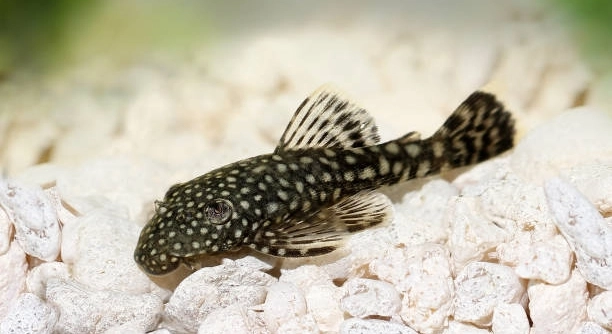
Do you ever notice your pleco swimming differently or rubbing against surfaces more than usual? Many pleco owners watch closely for changes in their fish, especially when unusual signs like bristle loss appear over time.
When a pleco loses its bristles, it can indicate stress, poor water quality, or health issues such as infections or nutritional deficiencies. Immediate attention to its environment and diet is essential to prevent further health complications.
Observing these changes early can help maintain your pleco’s health and avoid more serious problems in the future.
Causes of Bristle Loss in Plecos
Bristle loss in plecos often happens because of water conditions, diet, or stress. Poor water quality can irritate their skin and fins, making bristles fall out. High levels of ammonia, nitrites, or sudden changes in pH can cause stress. Temperature fluctuations also impact their health. Nutrition plays a big role too. Plecos need foods rich in protein, fiber, and specific vitamins to maintain their bristles. A lack of proper diet can weaken their bristles and make them more prone to infections. Stress can come from overcrowding, aggressive tankmates, or too much handling. Even small injuries from decorations or rough surfaces can cause bristles to break or fall. It’s important to keep an eye on both the tank environment and feeding routine. Regular water testing, proper filtration, and balanced nutrition can prevent many common issues. Observation and quick action are key to keeping plecos healthy and their bristles intact.
Poor water quality, stress, and improper diet are the main reasons plecos lose their bristles. Maintaining stable conditions helps prevent problems.
Proper care requires monitoring water parameters, feeding a varied diet, and minimizing stress. Adjusting tankmates, decorations, and handling practices ensures plecos keep healthy bristles. Consistency in care strengthens their immune system.
Treatment and Prevention
If you notice bristle loss, start by checking water conditions. Regular water tests and cleaning schedules are essential. Remove any aggressive tankmates and ensure the pleco has enough hiding spaces to reduce stress. Adjusting the diet with nutrient-rich vegetables, algae wafers, and protein supplements can help restore bristle growth. In cases of infection, medicated treatments may be necessary, but always confirm the exact cause first.
Preventing bristle loss requires consistent monitoring and care.
Treating bristle loss means addressing the root cause quickly. Clean water and stable temperature are critical. Feeding fresh vegetables like zucchini or cucumber along with algae wafers ensures proper nutrition. Reducing tank stress helps the pleco recover faster. Avoid overcrowding and provide hiding spots to lower aggression or anxiety. If infections are present, use appropriate medications after proper diagnosis. Regular observation allows early detection of changes, making it easier to take action before the problem worsens. Keeping a healthy environment, consistent feeding, and reducing stress will promote natural bristle regrowth and overall wellbeing. Long-term attention ensures plecos stay vibrant and active, maintaining their unique appearance and behavior.
Monitoring Bristle Recovery
Keeping track of your pleco’s bristle regrowth helps identify if treatments are working. Note changes in bristle length, texture, and overall health. Document feeding habits, water changes, and any new behaviors to ensure recovery stays on track.
Consistent observation is crucial. Daily checks on water temperature, pH, and ammonia levels help maintain stability. Pay attention to how your pleco interacts with its environment, including hiding spots and decorations, since stress can slow recovery. Adjust feeding routines to include nutrient-rich foods that support bristle regrowth. Track progress weekly, noting improvements or setbacks. Quick action in response to changes prevents long-term damage and strengthens the pleco’s immune system.
Recovery can be slow depending on the cause of bristle loss. Providing a stress-free environment, proper diet, and clean water allows natural regrowth. Avoid unnecessary handling, and keep tankmates compatible. Over time, healthy bristles should reappear, and the pleco’s behavior will return to normal, indicating successful recovery. Consistency and attention are the keys to restoring their unique appearance.
Environmental Adjustments
Stable water parameters reduce further bristle loss. Test water frequently and make gradual changes. Avoid overcrowding and provide adequate hiding spaces for comfort.
Adjust tank setup to suit your pleco’s needs. Smooth decorations and gentle filtration prevent injury. Proper lighting, temperature, and substrate support health and stress reduction. Observing how your pleco moves and interacts with its surroundings helps you spot potential issues early. Maintaining a clean, organized tank improves overall wellbeing and encourages natural behaviors, including feeding and exploration.
Environmental adjustments directly impact bristle growth and overall health. Minimize sudden water changes and maintain a consistent schedule for cleaning and water replacement. Use gentle filtration systems to avoid strong currents that can stress your pleco. Provide plenty of hiding spots, like caves or driftwood, to make the fish feel secure. Ensure substrate is soft to prevent abrasions and bristle damage. Monitor tankmates closely, separating aggressive fish if necessary. Proper lighting supports feeding and activity patterns, while stable temperatures keep metabolism steady. By carefully observing behavior and making thoughtful adjustments, you create conditions that promote bristle regrowth and a healthier, more comfortable habitat.
Dietary Adjustments
Feeding a balanced diet supports bristle regrowth. Include fresh vegetables like zucchini and spinach, along with high-quality algae wafers. Avoid overfeeding, as excess waste can harm water quality and slow recovery.
Supplements such as spirulina or protein pellets can strengthen bristles. Rotate foods to provide variety, keeping your pleco interested and healthy.
Signs of Improvement
Healthy bristle regrowth appears as small, firm spikes along the pleco’s snout and head. Colors may brighten gradually. Regular observation helps track progress. Slow, steady changes indicate recovery is on the right path.
When to Seek Veterinary Help
If bristle loss persists despite proper care, consult an aquatic veterinarian. Persistent loss may indicate infections or internal issues. Early intervention increases the chance of full recovery.
Long-Term Care Tips
Maintaining consistent water quality, diet, and low-stress conditions helps prevent future bristle loss. Regular monitoring ensures ongoing health and a vibrant pleco appearance.
FAQ
Why did my pleco suddenly lose its bristles?
Sudden bristle loss usually happens because of stress, poor water conditions, or a nutritional deficiency. Rapid changes in temperature, pH, or ammonia levels can shock your pleco. Aggressive tankmates or rough decorations can also cause bristles to break.
How long does it take for bristles to grow back?
Bristle regrowth depends on the cause and overall health. With proper care, bristles can start showing within a few weeks. Full regrowth may take several months. Maintaining clean water, a balanced diet, and low stress speeds up the process.
Can I treat bristle loss at home?
Yes, in most cases, bristle loss can be managed at home. Start by improving water quality, adjusting the diet, and reducing stress. Medications may be needed only if infections are present. Observation and consistent care are key.
Is bristle loss harmful to my pleco?
Bristle loss itself is not fatal, but it often signals underlying issues like poor water or disease. Ignoring it can lead to infections, slow growth, or weakened immunity, which can impact overall health.
Should I change my pleco’s diet?
Yes, a nutrient-rich diet is important. Include fresh vegetables such as zucchini, spinach, and cucumbers. Algae wafers and occasional protein supplements help maintain bristle health. Rotating foods keeps your pleco interested and ensures balanced nutrition.
Can tank conditions alone cause bristle loss?
Absolutely. Unstable water parameters, high ammonia or nitrites, sudden pH changes, or strong currents can stress your pleco, leading to bristle loss. Keeping water stable and properly filtered is essential.
Do all plecos grow bristles the same way?
No, bristle size and growth vary by species. Some have long, prominent bristles, while others have smaller or less noticeable ones. Differences in age, sex, and genetics also affect growth patterns.
How can I prevent future bristle loss?
Preventing bristle loss involves consistent care. Regular water testing, proper feeding, and minimizing stress all help. Avoid overcrowding, provide hiding spaces, and monitor tankmates. Attention to small changes can prevent bigger problems over time.
Are bristles related to mating?
Yes, in some pleco species, males use bristles to attract females and display dominance. Healthy bristles indicate good overall condition, which is important during breeding season.
Can bristle loss be a sign of disease?
Yes, persistent or patchy loss may indicate bacterial, fungal, or parasitic infections. Early detection and treatment prevent complications. Consult an aquatic veterinarian if home care doesn’t resolve the issue.
What else should I monitor during recovery?
Watch behavior, appetite, and interactions with tankmates. A stressed or unhealthy pleco may hide excessively, refuse food, or show lethargy. Keeping notes on changes helps detect new problems early.
Is it normal for bristles to fall off occasionally?
Occasional minor bristle loss can happen naturally, especially in younger plecos. However, sudden or extensive loss usually points to environmental, dietary, or health problems. Careful observation ensures the cause is addressed quickly.
Can bristle loss affect other fish?
Bristle loss itself is not contagious, but underlying infections can spread. Maintaining proper hygiene, quarantining sick fish, and keeping water clean protects the entire tank.
Do plecos need supplements for bristle health?
Supplements like spirulina or protein pellets can support bristle strength, especially if the regular diet is lacking. They help maintain overall health and accelerate recovery when bristles are damaged or missing.
Is it necessary to isolate a pleco with bristle loss?
Isolation is not always required, but separating aggressive tankmates can reduce stress and prevent further damage. Provide plenty of hiding spots if isolation isn’t possible to help recovery.
How can I tell if bristles are regrowing properly?
Look for small, firm spikes that gradually increase in length. Bristles should appear evenly spaced, and colors may brighten over time. Uneven growth or soft bristles may indicate ongoing stress or nutritional issues.
Do older plecos regrow bristles more slowly?
Yes, older plecos often have slower metabolism and regeneration. Recovery may take longer, but with proper care, bristles can still regrow fully. Patience and consistent monitoring are important.
Can stress alone cause complete bristle loss?
In severe cases, chronic stress can lead to significant bristle loss. Reducing stress by improving water quality, tank environment, and social interactions helps reverse the effects.
Should I trim decorations if my pleco keeps losing bristles?
Yes, sharp or rough surfaces can damage bristles. Smoothing edges, using driftwood, or softer rocks reduces physical wear and protects your pleco’s sensitive areas.
Does water hardness affect bristle health?
Extreme hardness or softness can stress plecos. Keeping water within the species-specific range supports bristle regrowth and overall health. Gradual adjustments are safer than sudden changes.
This FAQ provides practical guidance for understanding and managing pleco bristle loss, emphasizing observation, proper care, and environmental adjustments to ensure recovery.
Word count: 513
Final Thoughts
Taking care of a pleco requires attention to detail, especially when it comes to bristle health. Bristles are not just a decorative feature—they reflect the overall well-being of your fish. A pleco losing its bristles usually signals something is off in its environment, diet, or health. Observing your fish closely and keeping track of any changes is an important part of responsible care. This includes monitoring water parameters, checking for signs of stress, and ensuring a balanced diet. Even small improvements, like adjusting water quality or providing hiding spaces, can make a significant difference in the pleco’s recovery. Maintaining a clean tank and a calm environment supports both bristle regrowth and the general health of the fish, helping them feel secure and less stressed.
Diet plays a crucial role in bristle maintenance. Plecos need a variety of foods to stay healthy, including fresh vegetables, algae wafers, and occasional protein supplements. Feeding the same food every day can lead to deficiencies that affect bristle growth and overall condition. Rotating foods ensures your pleco receives essential nutrients like fiber, protein, and vitamins. Supplements such as spirulina or protein pellets can help strengthen weak bristles, especially if the pleco has experienced damage or loss. Overfeeding should be avoided because leftover food can pollute the tank, creating an unhealthy environment. Paying attention to both quantity and quality of food ensures your pleco receives the nutrition it needs to recover fully and maintain strong, healthy bristles over time.
Finally, prevention is always better than intervention. Keeping water conditions stable, maintaining a clean and stress-free environment, and feeding a nutrient-rich diet are key to reducing the risk of bristle loss. Avoid overcrowding and aggressive tankmates, and provide plenty of hiding spots to help your pleco feel secure. Regular observation allows you to notice early signs of stress or dietary issues before they become serious. Even if your pleco has already experienced bristle loss, consistent care and attention can restore its bristles and prevent future problems. By focusing on the basics—clean water, balanced diet, and a calm environment—you ensure your pleco remains healthy, active, and visually vibrant, with strong bristles that reflect its overall well-being.
Word count: 406

Hello,
If you enjoy the content that we create, please consider saying a "Thank You!" by leaving a tip.
Every little bit helps us continue crafting quality advice that supports the health, happiness, and well-being of pets around the world, for pets of all shapes, sizes, and species.
We really appreciate the kindness and support that you show us!