Can Plecos Be Kept in High-Tech Tanks?

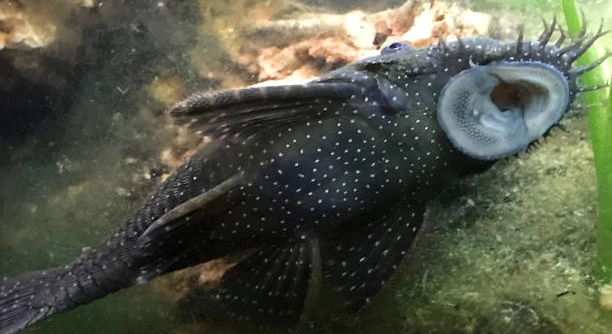
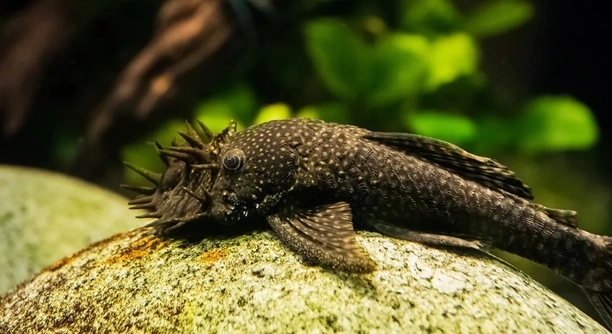
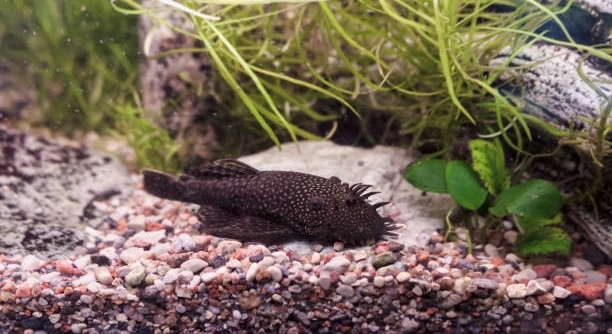
Have you ever thought about keeping plecos in a modern, high-tech aquarium? Many fish enthusiasts enjoy upgrading their tanks with advanced equipment, but plecos have unique needs that require careful consideration for their long-term well-being. Plecos can be kept in high-tech tanks, provided their natural behaviors and environmental requirements are met. Proper filtration, hiding spaces, … Read more
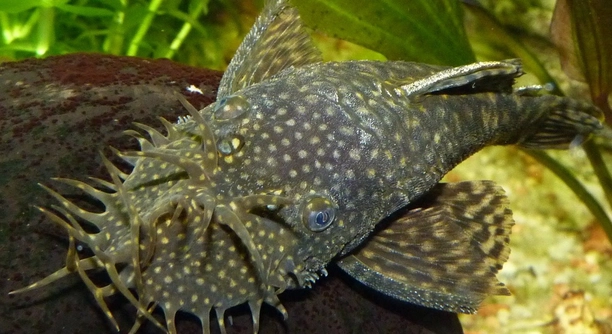
Why Your Pleco Stopped Grazing the Glass

Are your plecos no longer grazing the glass like they used to in your aquarium? It can be puzzling when a fish that once seemed so active suddenly changes its behavior in subtle ways. The primary reason your pleco stopped grazing the glass is a change in diet, water quality, or stress levels. Plecos may … Read more

Do Bristlenose Plecos Communicate With Each Other?

Bristlenose plecos are quiet, bottom-dwelling fish often kept in home aquariums. They move slowly across surfaces, using their bristly snouts to graze on algae. Observing them, it is easy to assume they are solitary and silent creatures. Bristlenose plecos communicate through subtle body movements, tactile interactions, and occasional sounds like clicks or grunts. These signals … Read more

Can Bristlenose Plecos Be Hand Fed?

Bristlenose plecos are small, peaceful fish often kept in home aquariums. Many aquarists enjoy observing their unique bristly appearance and calm behavior. They can form interesting habits, making them enjoyable companions for fish enthusiasts. Bristlenose plecos can be hand fed, though it requires patience and consistency. Regular, gentle offering of food by hand encourages trust, … Read more

7 Things Plecos Avoid in Shared Tanks

Do you ever notice your plecos acting shy or hiding in the tank? These fish have unique habits that can make sharing a tank challenging, especially when certain conditions make them uncomfortable or stressed. Plecos tend to avoid aggressive tankmates, sudden water changes, poor water quality, bright lighting, overcrowded environments, insufficient hiding spots, and unsuitable … Read more

7 Creative Foods Bristlenose Plecos Try

Keeping bristlenose plecos healthy often starts with offering a variety of foods. These fish are not picky eaters, but adding new textures and flavors can support their growth and make their meals more enjoyable. Bristlenose plecos can consume a range of creative foods beyond standard algae wafers, including blanched vegetables, zucchini, cucumber, spinach, peas, and … Read more

Can Bristlenose Plecos Tell Day From Night?

Have you ever noticed your Bristlenose Pleco moving around differently at various times of the day? These small freshwater fish have unique habits, and their behavior can sometimes leave aquarium owners wondering about their natural routines. Bristlenose Plecos are capable of distinguishing between day and night primarily through light cues. They are naturally nocturnal, becoming … Read more

7 Things That Can Harm Pleco Skin or Scales

Are your plecos showing signs of damaged skin or missing scales? Plecos are delicate fish, and even small mistakes in their care can affect their health. Understanding potential risks can help maintain their well-being. Several factors can harm pleco skin or scales, including poor water quality, inappropriate tank conditions, rough decorations, aggressive tankmates, improper diet, … Read more

7 Clues That Plecos Are Near Spawning Time

Have you ever noticed subtle changes in your aquarium and wondered if your plecos are preparing to spawn? Observing their behavior can reveal important clues, helping you better understand their natural reproductive cycle and environment needs. Plecos exhibit specific behavioral and physical changes as they near spawning time. Increased territoriality, frequent cleaning of surfaces, changes … Read more

Why Your Pleco Might Be Ignoring Its Food

Is your pleco sitting quietly at the bottom of the tank while its food floats untouched? Many owners notice this behavior and worry about their fish’s health and eating habits. Understanding why it happens can ease concerns. Plecos often ignore food due to stress, water conditions, or improper diet. Factors such as tank size, water … Read more