
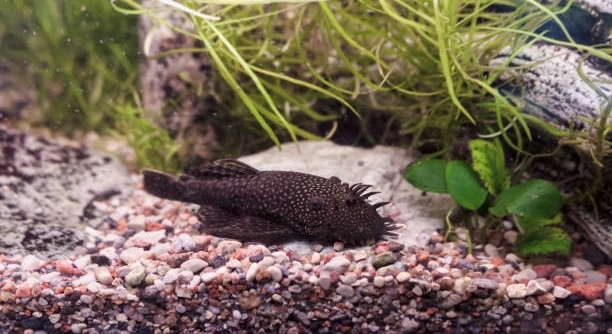
Bristlenose plecos are popular freshwater fish known for their algae-eating habits and distinctive whisker-like appendages. Many aquarists enjoy observing their behaviors and wonder about the ways these fish interact with their environment and caretakers.
Bristlenose plecos do not have the anatomical structures necessary to perceive human speech. Their sensory system is primarily adapted to detect vibrations and water movement, allowing them to respond to environmental changes rather than vocal communication from humans.
Understanding how plecos perceive their surroundings can improve care and interaction. Learning about their senses helps create a healthier, more comfortable habitat for these unique fish.
How Bristlenose Plecos Sense Their Environment
Bristlenose plecos rely heavily on their lateral line system to detect vibrations and movement in the water. This system helps them find food, avoid danger, and navigate their surroundings. Unlike mammals, they lack ears designed to process airborne sounds, so human voices do not register as meaningful stimuli. Observing them, you may notice that they respond more to changes in water flow, tank vibrations, or tapping on the glass rather than your talking. Their whisker-like appendages, or “bristles,” help them explore surfaces and sense textures, giving them tactile feedback. Plecos also use smell and taste to locate algae and detritus to feed on. Their sensory adaptations are specifically tuned to their aquatic environment, making them excellent at finding resources but limited in perceiving external noises. Understanding these behaviors allows you to create a stable and comfortable environment, reducing stress and supporting natural activity patterns within the tank.
This awareness means plecos respond to motion more than sound, shaping how they interact with their tank and surroundings.
By knowing how plecos sense water vibrations and physical changes, you can better plan feeding, cleaning, and tank placement. For example, moving decorations or introducing new plants slowly prevents startling them. Gentle handling and minimizing sudden movements near the tank help maintain calm behavior. Recognizing that bristlenose plecos rely on touch and vibration rather than hearing allows for more predictable interactions. Even lighting and water flow adjustments affect their comfort, as they detect subtle changes in currents. A consistent feeding routine and a stable environment help them thrive, while understanding their limitations ensures you don’t expect responses to human speech. Observing how they explore surfaces and react to vibrations gives insight into their natural instincts, supporting both health and behavioral enrichment.
Interacting with Your Bristlenose Pleco
Plecos can recognize you through consistent routines and visual cues, even without hearing your voice.
Regular tank maintenance and consistent feeding schedules foster trust. Over time, plecos may swim toward familiar faces, investigate hands in the tank, or show more activity when their routine is followed. They learn patterns and environmental changes rather than associating sounds with actions. Watching their behavior gives insight into what stimulates them and what may cause stress. Providing hiding spots, smooth surfaces to explore, and gentle water flow ensures comfort while encouraging natural behaviors. Understanding how they interact with movement and touch creates a more engaging and supportive habitat. Visual and tactile stimuli guide their daily activity, helping you notice subtle changes in health or mood. Observing these patterns allows for tailored care, improving both their well-being and your experience as a caretaker. This approach ensures the tank environment aligns with their sensory capabilities, promoting long-term health and contentment.
Feeding Responses and Behavior
Bristlenose plecos respond strongly to feeding cues, relying on sight and vibration rather than sound. They detect movement of food in the water and changes in current caused by feeding, allowing them to locate algae, pellets, and vegetables efficiently.
They often become more active when food is introduced. Floating or sinking pellets create vibrations in the water that attract them quickly. Fresh vegetables, like zucchini or cucumber, stimulate tactile exploration and nibbling. Plecos tend to patrol surfaces, scraping algae with their mouths. Their feeding behavior is influenced by routine, so consistent times help them recognize patterns. Even minor water disturbances from adding food can signal them to investigate. Over time, they associate visual cues like hands near the tank with meals, but these are tied to motion, not voice. This explains why they appear responsive to presence without actually hearing.
Understanding their feeding behavior helps plan tank layout and feeding methods. Providing multiple surfaces for algae growth and consistent feeding encourages natural activity. Observing how they move during meals can indicate health and well-being, revealing changes in appetite or mobility. By creating conditions that match their sensory strengths, plecos remain active, engaged, and less stressed. Rotation of vegetables or pellet types keeps their diet varied, while avoiding sudden water disturbances preserves calm. Recognizing these patterns ensures their environment supports both feeding efficiency and natural behaviors.
Environmental Awareness and Interaction
Plecos are sensitive to water quality and movement, reacting to subtle changes in temperature, flow, and tank decorations. These stimuli guide their daily activity and comfort. Their responses are rooted in survival instincts rather than auditory perception.
Strong currents, rapid water changes, or abrupt decoration rearrangements can stress them. They prefer stable environments with gentle flow and hiding spaces. Observing how they explore new plants, rocks, or caves shows their comfort level and adaptability. Plecos will investigate carefully, using bristles to sense surfaces and currents. They may retreat if they feel unsafe, showing preference for familiar areas. Tank vibration from nearby activity can alter movement patterns, and maintaining consistent lighting and feeding routines reduces stress. Gradual introductions of changes in the environment allow them to acclimate safely. Recognizing these patterns helps you provide an optimal habitat tailored to their sensory strengths, promoting long-term health and calm behavior.
Visual Cues and Recognition
Bristlenose plecos rely on sight to recognize patterns and movement in their environment. They notice changes in lighting, shadows, and objects passing near the tank. Visual cues help them identify food sources and navigate safely around obstacles.
They can learn to associate regular motions, like hands approaching the tank, with feeding. Over time, this recognition builds familiarity and predictability, reducing stress and encouraging natural activity.
Stress Signals
Plecos show stress through unusual hiding, rapid swimming, or loss of appetite. These behaviors indicate environmental discomfort or poor water conditions. Maintaining stable water parameters and consistent routines minimizes stress and supports their health.
Tank Placement and Noise
Placement of the tank affects plecos’ comfort. Vibrations from nearby appliances or high-traffic areas can disturb them. Choosing a quiet, stable location reduces unnecessary stress and supports natural behavior.
Interaction Without Voice
Plecos respond to presence and movement rather than spoken words. Subtle motions and consistent routines encourage engagement while respecting their sensory limits.
FAQ
Can bristlenose plecos hear human voices?
Bristlenose plecos cannot hear human voices. Their sensory system is designed to detect vibrations and water movement, not airborne sounds. While they may appear responsive when you talk to them, it is actually the motion of your hands or changes in the water that catch their attention.
How do plecos sense their environment?
Plecos rely on their lateral line system, bristles, and sense of smell to navigate and locate food. They detect water vibrations, flow changes, and textures along surfaces. These adaptations allow them to explore safely, avoid stress, and interact with the tank environment effectively.
Why does my pleco seem to react when I speak?
When a pleco appears to respond to speech, it is usually reacting to vibrations or visual cues. For example, tapping on the tank, moving your hands, or adding food creates disturbances they can detect. This can give the impression that they recognize voices.
How can I tell if my pleco is stressed?
Stress signs include hiding excessively, erratic swimming, loss of appetite, or scraping against surfaces more than usual. Poor water quality, rapid temperature changes, and strong tank vibrations are common triggers. Monitoring these behaviors helps you address environmental issues promptly.
What is the best way to feed bristlenose plecos?
Feed plecos using sinking pellets, algae wafers, or fresh vegetables like zucchini or cucumber. Introduce food slowly to minimize water disturbance. Observing their feeding patterns over time helps you determine portions and frequency, ensuring they remain healthy and active.
Do plecos recognize their owners?
Plecos can recognize visual patterns and routines, such as the sight of a person approaching the tank at feeding time. This recognition is based on motion and consistency rather than hearing. They may swim toward familiar movements, showing anticipation or curiosity.
Can loud noises affect plecos?
Yes, vibrations from loud appliances, music, or frequent tapping on the tank can stress plecos. They respond to physical disturbances rather than sound itself. Placing the tank in a quiet, stable area reduces stress and supports natural behavior.
How do plecos explore new decorations or plants?
Plecos use their bristles and mouth to sense textures and surfaces. They investigate slowly, often retreating if they sense sudden changes. Gradual introduction of decorations or plants allows them to adjust comfortably, minimizing stress while encouraging natural exploration.
Is it necessary to speak to my pleco?
Speaking to your pleco is not necessary for their well-being. They rely on tactile, visual, and vibrational cues. Talking may provide a sense of connection for you, but it does not impact their behavior or health.
What should I do to make my pleco comfortable?
Maintain stable water conditions, provide hiding spots, and offer gentle water flow. Feed consistently and introduce changes gradually. Observing their behavior and adjusting the environment according to their sensory needs ensures a calm, healthy habitat.
Can plecos communicate with each other?
Plecos communicate mainly through body movements, vibrations, and sometimes chemical signals in the water. These behaviors include territorial displays, mating signals, and coordination while feeding. Understanding these cues can help you interpret interactions in a community tank.
How often should I check on my pleco?
Daily observation is ideal. Look for changes in appetite, activity, or appearance. Small shifts in behavior can indicate stress, illness, or water issues, allowing timely intervention before problems escalate.
Do plecos need companionship?
Bristlenose plecos are mostly solitary. They can coexist with other fish but do not require social interaction. Territorial behavior can occur if space is limited, so ensuring sufficient hiding areas and territory is important.
Can plecos adapt to different tanks?
Yes, plecos can adapt if water parameters, flow, and hiding spaces meet their needs. Gradual acclimation and stable conditions help them settle without stress. Sudden changes can lead to hiding, reduced feeding, or illness.
How do I know if my pleco is healthy?
A healthy pleco is active during feeding, explores its environment, and maintains clean, intact skin and bristles. Appetite, coloration, and movement patterns are good indicators of overall well-being. Regular monitoring ensures early detection of potential problems.
This FAQ provides practical guidance for understanding and caring for bristlenose plecos. Recognizing their sensory strengths, stress signals, and environmental preferences helps create a stable, healthy habitat while improving interactions and feeding routines.
Bristlenose plecos are fascinating fish with unique sensory adaptations that shape how they experience their environment. Unlike mammals, they do not possess the ability to hear human voices, so any reaction they appear to have when someone speaks is linked to motion, vibrations, or visual cues. Observing their behaviors closely reveals a pattern: they respond to changes in water flow, tapping, or movement near the tank rather than actual sound. Their lateral line system and bristles allow them to sense vibrations and explore textures, giving them the tools they need to navigate, find food, and remain safe. Recognizing these traits helps aquarists set realistic expectations for interaction and avoid misinterpreting normal behaviors as responses to speech. When feeding, plecos are drawn to movement in the water and the presence of familiar visual cues, not human voices. Understanding this distinction makes it easier to provide care and interpret daily activity in the tank accurately.
Creating a supportive environment for bristlenose plecos involves paying attention to water quality, stable routines, and tank placement. Plecos are sensitive to vibrations and sudden changes, which can stress them and disrupt their natural behaviors. Placing the tank in a quiet, low-traffic area reduces unnecessary disturbances and encourages calm behavior. Maintaining stable water parameters, including temperature, pH, and flow, allows them to thrive and reduces the likelihood of health problems. Providing hiding spots, smooth surfaces for exploration, and areas where they can scrape algae supports natural instincts and promotes activity. Gradual introduction of new plants, decorations, or tank mates ensures they feel secure while adapting to environmental changes. Observing how they react to these adjustments gives insight into their comfort level and overall health. Consistency in feeding times and careful monitoring of behavior helps identify potential issues before they escalate. Recognizing that plecos rely on tactile, visual, and vibrational cues rather than auditory signals allows caretakers to tailor the environment to their needs effectively.
Interacting with bristlenose plecos can be rewarding, even if it is different from engaging with animals that respond to sound. They recognize consistent patterns and visual cues, which can create a sense of familiarity and predictability in their daily routines. Over time, plecos may swim toward the tank glass when feeding is expected or explore surfaces more confidently when they feel secure. Their natural behaviors, from scraping algae to investigating new objects, reflect instincts shaped for survival in their natural habitats. Observing these behaviors closely allows caretakers to understand their moods, health, and comfort without relying on voice communication. By focusing on water conditions, stable routines, and gentle interaction, you can ensure bristlenose plecos live in a stress-free and engaging environment. Their unique adaptations highlight the importance of tailoring care to their sensory strengths, which ultimately supports long-term well-being, natural activity, and a healthier, more harmonious aquarium ecosystem.

Hello,
If you enjoy the content that we create, please consider saying a "Thank You!" by leaving a tip.
Every little bit helps us continue crafting quality advice that supports the health, happiness, and well-being of pets around the world, for pets of all shapes, sizes, and species.
We really appreciate the kindness and support that you show us!