
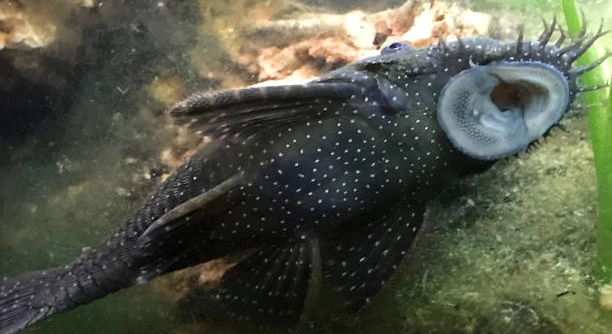
Is your pleco showing signs of lethargy or unusual behavior in its tank? Many owners may not realize that subtle changes in their fish’s appearance or habits can indicate nutritional deficiencies.
Plecos require a balanced diet rich in vitamins, minerals, and fiber to maintain proper health. Nutritional deficiencies can manifest as stunted growth, faded coloration, weakened immunity, or abnormal behavior, making early identification essential for preventing long-term health issues.
Recognizing these signs early can help ensure your pleco stays healthy and active, promoting a thriving and vibrant aquatic environment in your tank.
Faded Coloration
A pleco’s vibrant colors are often the first indicator of its health. When a fish’s colors begin to fade, it may signal a lack of essential nutrients in its diet. Plecos rely on a combination of proteins, fiber, and micronutrients to maintain their skin and scale coloration. Over time, a diet limited to only algae wafers or occasional vegetables can fail to provide the necessary vitamins and minerals, leading to dull or pale appearance. Environmental factors like low light, poor water quality, or stress can also contribute, but nutrition is usually the main factor. Observing your pleco regularly helps identify changes early. Adding a variety of leafy greens, fresh vegetables, and specially formulated pleco pellets can help restore color over time. Consistency in feeding and monitoring your fish ensures that they regain their natural vibrancy and remain healthy.
Faded coloration is often linked to dietary deficiencies and can improve with a more balanced and varied feeding plan.
Providing fresh vegetables such as zucchini, cucumber, or spinach, alongside fortified pellets, supports pigment restoration. Avoid overfeeding, as excess food can pollute the tank. Supplements containing vitamin C or carotenoids may also help enhance natural color. Maintaining stable water conditions, moderate lighting, and a consistent feeding schedule encourages plecos to display their full range of hues while preventing future deficiencies.
Lethargy and Reduced Activity
Lethargy in plecos is a clear sign that nutrition may be insufficient.
When plecos are undernourished, they often become less active, hiding more frequently or resting for extended periods. Reduced activity may also be caused by stress, poor water quality, or disease, but dietary deficiencies are a primary factor. A pleco that is not receiving enough protein or essential vitamins will have lower energy levels. Feeding a mix of vegetables, algae-based foods, and protein-rich pellets can help restore activity. Observing swimming patterns and behavior daily allows for early intervention, preventing long-term health issues.
Proper feeding involves offering a balanced diet at consistent intervals. Leafy greens provide fiber, while protein sources like shrimp pellets or bloodworms supply essential amino acids. Vitamins and minerals support metabolism and overall energy. Overfeeding should be avoided to prevent water contamination and digestive problems. Introducing variety in the diet keeps the fish engaged and ensures it receives all necessary nutrients. Monitoring both diet and behavior over time allows for adjustments that can improve vitality. Additionally, maintaining stable water parameters, including temperature and pH, enhances nutrient absorption and energy utilization. A consistent routine promotes natural activity levels and reduces stress-related lethargy, helping your pleco thrive in its environment.
Poor Growth
Slow growth in plecos is often linked to inadequate nutrition. A lack of essential proteins, vitamins, or minerals can prevent your fish from reaching its full size potential, even in optimal tank conditions.
A pleco’s growth depends heavily on a balanced diet. Young plecos especially need sufficient protein for muscle development and overall health. Feeding only algae wafers or limited vegetables may not supply enough nutrients for proper growth. Supplementing with protein-rich foods such as shrimp pellets, bloodworms, or spirulina ensures your pleco receives necessary amino acids. Vitamins and minerals also play a crucial role, supporting metabolism and bone development. Observing size progression and adjusting diet gradually can help correct stunted growth.
Environmental factors like water temperature and pH influence growth, but diet remains the most controllable factor. Consistent feeding, along with varied nutrient sources, promotes steady growth. Avoid overfeeding, which can harm water quality and stress your fish, indirectly affecting development. Tracking feeding habits and physical changes allows you to identify deficiencies early, supporting healthy, gradual growth in a natural, stress-free environment.
Unusual Fin Deterioration
Damaged or deteriorating fins can indicate nutritional gaps in a pleco’s diet. Without adequate vitamins and minerals, fins may appear ragged or frayed, and regeneration slows.
Fins are sensitive to both physical stress and nutritional deficiencies. A lack of vitamin C or other micronutrients weakens fin structure, leaving edges uneven or torn. Over time, insufficient nutrition can also impair regeneration after minor injuries. Proper feeding with a combination of fortified pellets, vegetables, and occasional protein boosts fin health. Maintaining clean water conditions minimizes additional stress and supports recovery. Regular observation of fin edges allows you to catch deterioration early and make dietary adjustments.
In addition to nutrition, ensuring a calm tank environment helps prevent further fin damage. Avoid overcrowding, sharp decorations, or aggressive tank mates. A balanced diet enriched with vitamin supplements strengthens fin tissue, supports regrowth, and improves overall immunity. Consistency in feeding and monitoring water quality maximizes fin recovery and prevents recurring deterioration. Observing behavior and fin condition together gives insight into overall health, allowing targeted interventions to maintain a healthy, vibrant pleco.
Loss of Appetite
A pleco that refuses food may be suffering from nutritional deficiencies. Lack of essential vitamins or protein can make feeding less appealing, affecting overall health.
Offering a variety of foods, including fresh vegetables and fortified pellets, encourages eating. Monitoring appetite daily helps identify early nutritional issues.
Abnormal Poop
Changes in a pleco’s waste often reflect diet quality. Nutritional imbalances can lead to irregular, discolored, or unusually soft feces. Maintaining a diet with sufficient fiber and protein helps normalize digestion and supports gut health. Observing stool patterns regularly allows early correction of dietary gaps.
Weight Loss
Rapid or gradual weight loss in plecos is often tied to poor nutrition or insufficient feeding. Inadequate protein, vitamins, or minerals can lead to body mass reduction and weakened condition. Consistent monitoring and dietary adjustments are necessary to restore healthy weight.
Fragile Skin
Skin that appears thin, pale, or prone to damage signals dietary deficiencies. Proper nutrition strengthens protective barriers and supports overall health.
What should I feed my pleco to prevent nutritional deficiencies?
A balanced pleco diet includes a combination of vegetables, algae-based foods, and protein sources. Leafy greens like spinach, zucchini, and lettuce provide fiber, while algae wafers and spirulina pellets supply essential nutrients. Protein can come from shrimp pellets or bloodworms, supporting growth and energy. Rotating foods ensures all vitamin and mineral requirements are met. Avoid feeding only one type of food, as this can quickly lead to deficiencies. Regularly monitoring your pleco’s health and appearance helps adjust diet to meet its needs effectively.
How often should I feed my pleco?
Juvenile plecos should be fed daily in small portions, while adults can be fed every other day. Overfeeding can harm water quality and cause digestive problems, so it’s better to provide controlled amounts that the fish can consume within a few hours. Observing feeding behavior allows you to adjust portion sizes and ensure that each pleco receives enough nutrition without leftover food polluting the tank. Consistent feeding routines improve appetite, growth, and overall health.
How can I tell if my pleco is undernourished?
Common signs of malnutrition include faded coloration, slow growth, lethargy, unusual fin deterioration, weight loss, and fragile skin. Abnormal poop is also an indicator. Observing these changes early allows you to adjust diet and improve your pleco’s health. Combining visual monitoring with dietary variety is key to prevention. Changes in behavior or appearance over time often signal a need for dietary reassessment. Proper nutrition, including protein, fiber, and vitamins, is essential to avoid long-term health issues.
Are supplements necessary for plecos?
Supplements can be useful when dietary sources are limited or if your pleco shows specific deficiencies. Vitamin C, carotenoids, and other trace elements support color, immunity, and fin health. However, supplements should complement a balanced diet, not replace whole foods. Overuse of supplements can create imbalances, so follow recommended dosages. Monitoring your fish’s condition ensures that supplementation is beneficial. Regularly introducing fresh vegetables and fortified pellets often reduces the need for extra vitamins, but supplements remain a helpful tool for correcting deficiencies quickly.
Can water conditions affect nutrition absorption?
Yes, poor water quality can impact a pleco’s ability to absorb nutrients. High ammonia or nitrate levels, incorrect pH, or unstable temperatures can stress the fish, leading to reduced appetite and slower growth. Maintaining clean, stable conditions enhances digestion and nutrient utilization. Regular water testing, proper filtration, and timely water changes support both environmental health and nutrition efficiency. Healthy water conditions complement a balanced diet, ensuring that nutrients are absorbed effectively and promoting strong immunity, vibrant coloration, and overall wellbeing in your pleco.
What foods should I avoid giving my pleco?
Avoid feeding plecos too many starchy foods, processed human food, or items high in fats or sugar. These can disrupt digestion and lead to nutrient deficiencies. Certain vegetables, like iceberg lettuce, have little nutritional value and should be limited. Stick to nutrient-rich vegetables, fortified pellets, algae wafers, and occasional protein treats. Overfeeding any single item can also cause imbalance, so variety is important. Keeping the diet natural and balanced ensures your pleco receives the essential vitamins, minerals, and fiber needed to maintain health and vitality.
How long does it take for a malnourished pleco to recover?
Recovery depends on the severity of deficiencies, diet adjustments, and overall tank conditions. Minor nutritional gaps may show improvement within a few weeks, with color returning and energy levels rising. Severe malnutrition may take several months to fully correct, requiring consistent feeding, high-quality food, and stable water conditions. Monitoring progress through behavior, growth, and physical appearance helps gauge recovery. Patience is key, as gradual improvements reflect long-term health restoration and reduce the risk of relapse. Ensuring proper nutrition and a stable environment accelerates recovery and promotes a thriving pleco.
Can plecos survive on algae alone?
While algae is a natural part of a pleco’s diet, relying solely on it is insufficient for long-term health. Algae lacks some essential vitamins, minerals, and protein required for growth, energy, and immunity. Supplementing with vegetables, pellets, and protein sources ensures a complete diet. A varied diet prevents malnutrition, supports vibrant coloration, and reduces lethargy. Observing behavior and physical condition helps determine if the diet is adequate. Consistent, balanced feeding is necessary to maintain a healthy, active pleco over time.
How can I encourage a picky pleco to eat a balanced diet?
Introduce new foods gradually alongside familiar favorites to reduce stress and encourage acceptance. Blanching vegetables can make them softer and more appealing. Rotating food types prevents boredom and ensures exposure to different nutrients. Consistent feeding schedules and removing uneaten food within a few hours also promote healthy eating habits. Monitoring appetite and adjusting diet based on preferences helps maintain proper nutrition without compromising water quality. Patience and observation are key to establishing long-term feeding success for a picky pleco.
Are commercial pleco pellets enough on their own?
Commercial pellets provide a convenient nutrient source, but they often lack sufficient variety. Feeding only pellets can lead to deficiencies over time. Combining pellets with fresh vegetables and occasional protein treats ensures a complete diet. Observing health, coloration, and activity helps determine if additional foods are needed. A mixed diet supports optimal growth, immunity, and energy levels while keeping the fish engaged and healthy. Balanced feeding prevents common nutritional issues and promotes long-term wellbeing.
What signs indicate the diet is improving my pleco’s health?
Visible improvements include brighter coloration, stronger fins, increased activity, normalized weight, and consistent eating habits. Digestive health improves, with normal feces and stable body condition. These changes indicate that the diet is meeting nutritional requirements. Continued observation ensures ongoing health, allowing adjustments if needed.
Final Thoughts
Caring for a pleco goes beyond just keeping the tank clean and maintaining water conditions. Nutrition plays a crucial role in their overall health, appearance, and activity levels. A well-balanced diet ensures your pleco grows properly, maintains vibrant colors, and avoids common health issues such as fin deterioration, lethargy, and weight loss. Observing your fish regularly allows you to notice subtle changes in behavior, appearance, or appetite, which can signal nutritional gaps early. Catching these issues promptly makes it easier to adjust the diet and support recovery before problems become severe. Feeding a combination of fresh vegetables, algae-based foods, and protein ensures all essential vitamins and minerals are available. Over time, a consistent, varied diet promotes strong immunity and longevity, helping your pleco thrive in the tank environment.
It is important to understand that plecos cannot rely solely on one type of food. Algae alone, or only one type of vegetable or pellet, will not meet all their nutritional needs. Introducing a variety of food sources helps prevent deficiencies and encourages natural feeding behavior. Protein sources like shrimp pellets or occasional bloodworms are essential for growth and energy, while leafy greens and vegetables provide fiber and micronutrients. Supplements may also be necessary in some cases, especially if deficiencies are observed. However, they should complement the diet, not replace whole foods. Maintaining a balance between nutrition, tank conditions, and feeding routines ensures that plecos receive the care they need without overcomplicating their daily management.
Consistency and observation are key when caring for plecos. Monitoring their eating habits, activity, coloration, and growth helps track whether the diet is effective. Adjusting food types gradually and providing variety prevents both malnutrition and boredom. Water quality and stable environmental conditions are also essential, as they affect nutrient absorption and overall health. By focusing on a balanced diet, proper portion sizes, and a clean tank, you create the conditions for your pleco to flourish. Attention to these details ensures that your fish remains active, healthy, and visually vibrant over the long term. With careful observation and consistent care, nutritional issues can be addressed early, and your pleco can enjoy a full, healthy life in its aquatic home.

Hello,
If you enjoy the content that we create, please consider saying a "Thank You!" by leaving a tip.
Every little bit helps us continue crafting quality advice that supports the health, happiness, and well-being of pets around the world, for pets of all shapes, sizes, and species.
We really appreciate the kindness and support that you show us!