
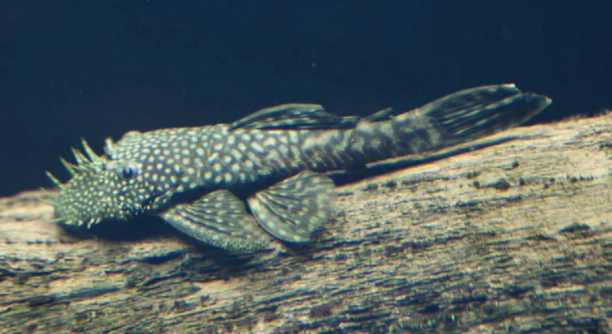
Keeping a pleco in a community tank can be rewarding but sometimes challenging. These fish may display aggressive behaviors that can disrupt harmony and stress other tank mates. Understanding their nature helps create a calmer aquarium environment.
Pleco tank aggression can be mitigated through proper habitat design, sufficient hiding spaces, balanced feeding schedules, and monitoring social interactions. Consistently applying these measures reduces stress and territorial conflicts, ensuring healthier and more peaceful tank dynamics for all inhabitants.
Implementing small changes in tank setup and care routines can greatly improve your pleco’s behavior and the overall balance of your aquarium.
Understanding Pleco Territorial Behavior
Plecos are naturally territorial, especially as they grow older. In a tank, they may claim certain areas as their own and defend them from other fish. This behavior is more noticeable when hiding spots or feeding zones are limited. Some species are more aggressive than others, and males tend to be more dominant. Observing their behavior closely can help you identify signs of tension early. If a pleco constantly chases or nudges other tank mates, it is likely asserting dominance. Creating multiple hiding spots and ensuring the tank is large enough helps reduce these conflicts. Overcrowding can escalate aggression, so maintaining proper fish density is essential. Even subtle changes in lighting or decorations can affect how comfortable a pleco feels in its space. Offering consistent feeding times and varied diets can also reduce stress-related aggression. By understanding these tendencies, you can design a tank environment that balances the needs of your pleco and other fish.
Recognizing when a pleco is stressed or territorial allows you to intervene before conflicts escalate, maintaining a peaceful tank.
Observing your pleco daily provides insights into its behavior patterns. Changes in swimming, hiding, or feeding habits often signal discomfort or aggression. Acting on these signs early can prevent injuries and stress to other fish. Adjustments such as rearranging decorations or adding plants can make a big difference. Over time, this careful attention helps the entire tank thrive and keeps your pleco healthier and calmer.
Providing Adequate Hiding Spaces
Plecos need places to retreat when they feel threatened or want to rest. Hiding spots can include caves, driftwood, or dense plants.
A well-structured tank with multiple shelters reduces confrontations. Each pleco can claim a space without disturbing others. This separation decreases stress and allows fish to feel secure.
When setting up hiding spots, consider both quantity and placement. Multiple locations prevent dominant plecos from monopolizing one area. Use a mix of natural and artificial structures to mimic their preferred habitats. Ensure spaces are accessible yet spacious enough for your pleco to move comfortably. Dense planting not only provides cover but also improves water quality and reduces light exposure, which plecos prefer. Driftwood offers a natural surface for grazing and a sense of territory. Regularly inspecting these areas for cleanliness prevents algae buildup and maintains a safe environment. By thoughtfully arranging these retreats, plecos are less likely to become aggressive, and other fish can coexist peacefully. This careful planning transforms the tank into a balanced ecosystem where each species can thrive while maintaining calm interactions.
Maintaining Proper Tank Size
A larger tank gives plecos enough space to establish their own territories without constant conflict. Crowded conditions often trigger aggression, so it is important to provide ample swimming and hiding areas for each fish.
Ensuring proper tank size is critical for reducing stress-related behaviors. Plecos grow quite large depending on the species, and small tanks can quickly become overcrowded. A spacious environment allows each fish to explore freely, rest comfortably, and avoid unnecessary confrontations. Overcrowding can lead to increased chasing, nipping, and competition for resources, which harms both plecos and other tank mates. Regularly monitoring the population and providing enough space ensures healthier social interactions. Large tanks also stabilize water parameters more easily, which contributes to overall fish health. Proper tank size is a simple yet effective way to prevent aggression before it starts, creating a calm and balanced aquatic environment.
A well-sized tank also allows for diverse decorations, plants, and hiding spots. With adequate room, plecos are less likely to feel territorial over a single area, reducing fights. This setup encourages natural behavior and provides a more visually appealing aquarium. Regular observation of how fish interact in this space helps identify any emerging issues early.
Balanced Feeding Practices
Regular and sufficient feeding prevents plecos from becoming aggressive due to hunger. Starvation or inconsistent meals often trigger chasing and territorial disputes among fish.
Providing a balanced diet tailored to your pleco species is key to maintaining peace. Include algae wafers, vegetables like zucchini or cucumber, and occasional protein-rich foods. Feeding in multiple locations ensures all fish get enough without competing. Uneaten food should be removed to prevent water quality issues, which can further stress plecos and lead to aggression. Consistent feeding routines build trust and reduce food-related conflicts, as fish learn when and where to expect meals. Observing each pleco’s feeding habits helps ensure no individual is being bullied or left hungry, which supports overall tank harmony and healthy growth.
Monitoring Social Interactions
Watching how plecos interact helps prevent aggression before it becomes serious. Early observation allows you to identify dominant behavior and intervene if needed.
Separating aggressive individuals or adjusting tank layout can reduce conflicts. Understanding their social hierarchy ensures a calmer environment for all fish.
Adjusting Tank Layout
Rearranging decorations and hiding spots periodically prevents plecos from becoming overly territorial. Changing the tank setup disrupts established dominance patterns and encourages exploration. Rotating plants, caves, and driftwood creates new territories, reducing stress and conflict. A varied layout also keeps plecos engaged, minimizing boredom-related aggression.
Maintaining Water Quality
Clean water reduces stress and aggression. Regular water changes, proper filtration, and monitoring parameters keep plecos healthy and calm.
FAQ
Why is my pleco always chasing other fish?
Plecos chase other fish mainly because of territorial instincts. In smaller tanks or areas with limited hiding spots, dominant individuals try to assert control over space and resources. Providing enough room, multiple hiding areas, and adequate food reduces this behavior. Monitoring interactions and adjusting the tank setup can help restore peace.
Can pleco aggression harm other fish?
Yes, aggressive behavior can stress or injure other fish. Constant chasing or nipping may lead to physical injuries, weakened immune systems, or stunted growth. Reducing aggression involves ensuring proper tank size, balanced feeding, and sufficient hiding spots to allow fish to retreat safely.
How do I know if my pleco is stressed?
Signs of stress include hiding excessively, refusing food, erratic swimming, or frequent confrontations. Stressed plecos may also lose color or show signs of illness. Observing daily behavior helps detect these changes early so corrective measures can be applied promptly.
Is aggression normal for plecos?
Some level of aggression is natural, particularly among males or larger species. Territorial disputes are part of their behavior. The goal is not to eliminate aggression completely but to manage it so it does not harm other tank mates or compromise water quality.
How many plecos can I keep in one tank?
The number depends on tank size, species, and hiding spots. Overcrowding increases aggression and stress. Generally, one pleco per 30-40 gallons is recommended, with extra space and shelters for each additional fish. Monitoring interactions ensures everyone gets along.
Will rearranging the tank help reduce aggression?
Yes, changing decorations, caves, and plants breaks up established territories and prevents dominant plecos from controlling the space. This encourages natural exploration and can reduce fights. Regularly updating the layout while maintaining familiar hiding spots supports calmer interactions.
Does diet affect pleco behavior?
Absolutely. Starvation or inconsistent feeding can trigger aggression. Providing a balanced diet of algae wafers, vegetables, and occasional protein ensures plecos are well-fed. Feeding in multiple locations prevents competition and reduces food-related fights, keeping the tank peaceful.
Can plecos live peacefully with other species?
Yes, most plecos coexist with community fish when proper tank conditions are met. Adequate space, hiding areas, and stable water parameters help reduce stress. Avoid pairing with overly aggressive or slow-moving species that may provoke or be harmed by territorial plecos.
How often should I clean the tank to prevent aggression?
Regular maintenance is key. Weekly partial water changes, monitoring filters, and removing debris prevent water quality issues that can stress plecos and increase aggression. Clean tanks support calmer behavior, healthier fish, and better overall tank balance.
What should I do if one pleco is extremely aggressive?
Isolate aggressive plecos temporarily or permanently if needed. Adjust the tank setup by adding hiding spots or separating feeding areas. Observing behavior closely ensures that aggression does not escalate, protecting other fish and maintaining harmony in the aquarium.
Can plecos become less aggressive over time?
With proper care, many plecos mellow as they establish territories and adapt to their environment. Maintaining adequate space, balanced feeding, and varied hiding spots supports calmer behavior. Consistency in routine helps plecos feel secure and reduces overall aggression.
Are certain pleco species more aggressive than others?
Yes, larger species and males tend to be more territorial. Some common examples include common plecos and sailfin plecos. Knowing the temperament of your species before introducing them to a community tank helps prevent conflicts and ensures smoother tank dynamics.
How do I manage multiple aggressive plecos?
Provide extra hiding spots, increase tank size, and distribute food in several locations. Observe daily interactions and be prepared to separate individuals if conflicts persist. Strategic management allows multiple plecos to coexist with minimal stress and aggression.
Does water temperature affect pleco behavior?
Yes, sudden temperature changes or inappropriate ranges can stress plecos, increasing irritability and aggression. Maintaining a stable, species-appropriate temperature helps reduce conflict and supports overall health. Consistent monitoring is essential for calm tank dynamics.
What signs indicate aggression is escalating beyond normal behavior?
Persistent chasing, injuries, torn fins, and continuous dominance displays signal that aggression is beyond typical territorial behavior. Immediate intervention through isolation, tank adjustments, or feeding management is necessary to protect the other fish and reduce stress.
How can I prevent aggression before it starts?
Planning is key: provide a spacious tank, multiple hiding spots, balanced diet, and regular observation. Adjust decorations and feeding routines to avoid competition. Early intervention prevents fights, keeps plecos calm, and ensures a stable environment for all tank inhabitants.
Is it necessary to monitor plecos daily?
Yes, daily observation helps identify early signs of stress or aggression. Detecting subtle changes allows for timely adjustments to feeding, layout, or social arrangements, maintaining a healthy and peaceful tank environment consistently.
Can lighting influence pleco behavior?
Bright or inconsistent lighting can stress plecos, triggering territorial behavior. Providing dimmer areas and natural hiding spots mimics their preferred environment and helps reduce stress-related aggression. Gradual lighting transitions support calmer interactions.
Do plecos need companions to reduce aggression?
Not necessarily. Aggression is more about territory than loneliness. Ensuring enough space, hiding spots, and proper feeding routines is more effective than adding tank mates, which can sometimes worsen conflicts if overcrowding occurs.
How long does it take for aggression to stabilize?
With proper care and adjustments, plecos often settle within a few weeks to a few months. Consistency in feeding, tank setup, and monitoring supports a smoother transition to calmer behavior. Patience is key to achieving a balanced tank.
This FAQ section provides guidance on understanding and managing pleco aggression, helping you create a safer, calmer aquarium for all your fish.
Final Thoughts
Managing pleco aggression requires patience and careful attention to your tank setup. These fish naturally display territorial behaviors, but thoughtful planning can prevent conflicts and ensure all inhabitants coexist peacefully. Providing sufficient space is one of the most important steps. A larger tank allows plecos to establish their own areas without feeling threatened. Overcrowding increases stress and triggers chasing or nipping, which can harm both plecos and other fish. Paying attention to tank size and monitoring population density helps maintain balance and reduces the likelihood of aggressive incidents.
Creating multiple hiding spots is equally essential. Plecos feel more secure when they have access to caves, driftwood, and dense plants. Hiding areas give them a sense of safety and reduce the need to compete for a single spot. Rearranging these spaces occasionally also prevents dominant plecos from claiming permanent control over certain areas. Providing a mix of natural and artificial shelters allows plecos to engage in their natural behaviors, such as resting, grazing, and exploring, without causing stress to other tank mates. Thoughtful placement of hiding spots contributes to a calmer and more stable tank environment.
Consistent feeding routines and proper diet also play a significant role in minimizing aggression. Starvation or uneven feeding can lead to food-related conflicts and increased territorial behavior. Feeding in multiple locations ensures that all plecos receive enough nutrition and reduces competition. In addition, maintaining clean water, stable temperatures, and proper lighting supports overall fish health, which further lowers stress and aggressive tendencies. By combining these strategies—adequate space, hiding spots, balanced feeding, and attentive care—you can create a peaceful and harmonious tank. Observing daily behavior and making adjustments as needed ensures that your plecos and other fish remain healthy, calm, and thriving in their aquatic home.

Hello,
If you enjoy the content that we create, please consider saying a "Thank You!" by leaving a tip.
Every little bit helps us continue crafting quality advice that supports the health, happiness, and well-being of pets around the world, for pets of all shapes, sizes, and species.
We really appreciate the kindness and support that you show us!