
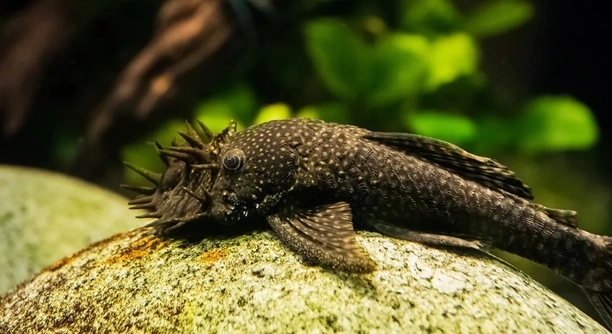
Do you ever notice your plecos acting shy or hiding in the tank? These fish have unique habits that can make sharing a tank challenging, especially when certain conditions make them uncomfortable or stressed.
Plecos tend to avoid aggressive tankmates, sudden water changes, poor water quality, bright lighting, overcrowded environments, insufficient hiding spots, and unsuitable foods. These factors can lead to stress, illness, and diminished well-being for plecos in shared aquariums.
Learning which conditions plecos dislike helps create a calmer, healthier tank. Following these tips can ensure your plecos feel safe and thrive alongside other fish.
Aggressive Tankmates
Having aggressive fish in the same tank can be stressful for plecos. They are naturally peaceful and prefer calm surroundings. Fish that chase, nip, or crowd them can cause injury or constant stress. Plecos will often hide for long periods, avoiding interaction completely. This can make it difficult to monitor their health. Over time, stress can weaken their immune system, making them more prone to disease. Even seemingly minor aggression, like occasional chasing, is enough to disrupt a pleco’s comfort. Providing separate spaces or using tank dividers can reduce stress. When selecting tankmates, consider species that share similar temperaments. Avoid larger or territorial fish that may compete for food or space. Watching their behavior in the early days after introducing new fish can reveal hidden aggression. Plecos need hiding spots like driftwood or caves to retreat safely. These spaces allow them to feel secure and avoid unnecessary confrontations. Peaceful coexistence helps plecos feed, grow, and remain active.
Aggressive tankmates can cause stress, injuries, and poor health in plecos. Keeping calm, compatible fish is essential for their well-being.
Providing adequate hiding spaces and observing interactions carefully will ensure plecos feel secure and thrive alongside other fish. Proper tank planning can prevent long-term stress.
Sudden Water Changes
Plecos are sensitive to rapid shifts in water conditions. Quick changes in temperature, pH, or hardness can shock them. Even small fluctuations can make them sluggish, stressed, or ill. Gradual adjustments are key to maintaining stability and promoting their health.
Gradual water adjustments prevent stress and support plecos’ long-term health.
Sudden changes in water can also trigger disease outbreaks. Plecos rely on consistent water parameters because they are adapted to stable environments. Frequent large water changes or adding untreated tap water can lead to chemical stress. Chlorine or heavy metals present in untreated water can irritate their skin and gills. It’s best to use a water conditioner and slowly acclimate plecos when making changes. Monitoring water parameters regularly helps detect issues before they become dangerous. Keeping temperature, pH, and hardness within acceptable ranges ensures plecos remain active and feed properly. Consistency reduces stress-related behaviors like hiding or refusing food. Maintaining steady water conditions also benefits other tank inhabitants, creating a healthier overall ecosystem. For new tank setups, cycling the tank fully before introducing plecos reduces sudden fluctuations and promotes stability. Patience during water changes is a simple way to protect their health and longevity.
Bright Lighting
Excessive lighting can make plecos uncomfortable. They prefer dim or shaded areas and may hide constantly under strong lights. Proper lighting helps them feel secure and reduces stress in the tank.
Bright light can disturb plecos’ natural behavior. In the wild, they are nocturnal and seek shelter during the day. Continuous exposure to strong light can lead to hiding, reduced feeding, and sluggish activity. Plecos feel safer when parts of the tank provide shade or caves. Using floating plants or placing decorations strategically can create dimmer areas. LED lights with adjustable intensity are helpful for controlling brightness without affecting other fish. Monitoring pleco behavior under different lighting conditions ensures their environment suits their needs. Some species are more sensitive to light than others, so adjusting based on species-specific habits is beneficial. Proper lighting not only supports plecos’ comfort but also encourages natural movement and feeding patterns. Avoid leaving lights on for extended periods, as this can increase stress levels and disturb sleep cycles.
Providing shaded areas, such as driftwood or plants, allows plecos to retreat when needed. Controlled lighting supports healthier, calmer fish.
Overcrowded Environments
Too many fish in one tank creates stress for plecos. They need space to move, feed, and hide comfortably. Overcrowding can cause constant competition for resources and increase aggression from other fish.
Overcrowded tanks often lead to poor water quality, which adds to plecos’ stress. Waste builds up faster, reducing oxygen and increasing toxins. Plecos may struggle to find enough food and proper hiding spots. Limited space can trigger territorial behavior or constant fleeing from other fish, affecting their health and activity levels. Adequate tank size and proper stocking are crucial to avoid these issues. Decorations, caves, and plants can help create separate zones within the tank, giving plecos their own areas. Observing how fish interact in crowded tanks allows adjustments before problems become serious. Overcrowding not only affects plecos but can also reduce overall harmony in the aquarium.
Spacing out tankmates, maintaining sufficient hiding spots, and keeping an appropriate number of fish improves plecos’ comfort and overall tank health. Proper planning ensures they thrive.
Insufficient Hiding Spots
Plecos need places to hide to feel safe. Without caves, driftwood, or dense plants, they may stay stressed and inactive. Hiding spots reduce anxiety and allow them to rest comfortably.
Providing multiple hiding areas helps plecos feel secure. Different types of shelters give them options to choose their preferred space.
Unsuitable Foods
Feeding plecos the wrong diet can lead to poor health. They need high-fiber vegetables, algae wafers, and occasional protein sources. Avoid overfeeding or relying on only one type of food to maintain proper nutrition and digestion.
Sudden Loud Noises
Plecos are sensitive to vibrations and sudden noises near the tank. Constant banging or tapping can stress them, causing them to hide or stop eating. Reducing external disturbances helps maintain calm behavior and overall well-being.
FAQ
What tankmates should I avoid for my plecos?
Aggressive or territorial fish are not suitable companions. Fish that nip fins or compete for space can stress plecos. Stick to peaceful species that share similar water preferences. Avoid large, dominant fish, as plecos may hide constantly and fail to feed properly.
How can I help plecos adjust to a new tank?
Introduce them slowly, ensuring stable water parameters. Provide hiding spots and dim lighting. Monitor their behavior closely during the first few days. Gradual acclimation helps prevent stress, encourages normal feeding, and reduces the risk of illness.
How often should I change the water?
Regular, partial water changes are ideal. Replace 20–30% of water weekly, ensuring temperature and pH match existing conditions. Sudden large changes can shock plecos, while consistent maintenance promotes healthy growth and behavior.
What foods are best for plecos?
Plecos thrive on algae wafers, high-fiber vegetables, and occasional protein sources like shrimp pellets. Rotate foods to ensure balanced nutrition. Avoid overfeeding, as uneaten food can decay and worsen water quality.
Why is my pleco hiding all the time?
Hiding is normal if the tank is bright, crowded, or has aggressive tankmates. However, constant hiding may indicate stress, poor water quality, or illness. Check water parameters, provide sufficient hiding spots, and observe for changes in appetite or appearance.
Can plecos live with other bottom-dwellers?
Yes, if the tank is large enough. Provide multiple hiding areas to reduce territorial disputes. Ensure species have compatible temperaments and feeding habits to avoid competition and stress. Observing interactions helps maintain harmony in shared tanks.
What water parameters suit plecos best?
Most plecos prefer slightly acidic to neutral pH (6.5–7.5), moderate hardness, and temperatures around 74–82°F (23–28°C). Sudden fluctuations should be avoided. Consistent water conditions reduce stress and support proper growth, coloration, and feeding behavior.
How do I prevent stress from lighting?
Plecos prefer dim or shaded areas. Use floating plants, caves, or driftwood to create low-light zones. Avoid prolonged exposure to bright lights, which can cause hiding, reduced feeding, and lethargy. Adjust lighting gradually to mimic natural conditions.
Can overcrowding harm plecos?
Yes. Overcrowding leads to competition for food and hiding spots and deteriorates water quality. Maintain appropriate tank size, limit fish numbers, and provide plenty of decorations and plants. This ensures plecos remain active, healthy, and stress-free.
What signs indicate my pleco is stressed?
Signs include constant hiding, reduced appetite, faded coloration, rapid breathing, or sluggish movement. Stress often stems from aggressive tankmates, poor water quality, bright lighting, or insufficient hiding spaces. Identifying and correcting these factors helps plecos recover and thrive.
How do I encourage natural behavior in plecos?
Provide caves, driftwood, and plants for exploration. Feed a varied diet and maintain stable water conditions. A calm environment allows plecos to graze on algae, hide, and swim naturally. Observing their preferences helps create a habitat that matches their instincts.
Are plecos compatible with community tanks?
Yes, if tankmates are peaceful and the environment is suitable. Proper spacing, hiding spots, and stable water conditions are essential. Avoid aggressive or overly active species that may harass plecos. Compatibility ensures stress-free interactions and proper feeding for all fish.
How important is tank maintenance for plecos?
Regular cleaning and water testing are critical. Remove debris, monitor ammonia, nitrite, and nitrate levels, and perform partial water changes. Consistent maintenance prevents disease, supports growth, and reduces stress in plecos and other tank inhabitants.
Can plecos tolerate different water temperatures?
They can handle moderate fluctuations but prefer stable conditions within their ideal range. Sudden temperature changes can shock them, weakening immunity and reducing activity. Gradual adjustments are safer when changing tanks or during seasonal variations.
How do I know if my pleco is eating properly?
Check for leftover food and observe feeding times. A healthy pleco should graze on algae, accept prepared foods, and occasionally take protein sources. Reduced appetite may indicate stress, illness, or unsuitable water conditions. Adjust diet and environment as needed.
What is the best way to introduce new plecos to an existing tank?
Quarantine new plecos for a few weeks to monitor health. Introduce them gradually, maintaining water parameters. Provide hiding spots and watch for interactions with current tankmates. Careful introduction reduces stress, prevents disease, and encourages healthy adaptation.
How can I reduce stress from sudden noises?
Place the tank in a quiet area, away from frequent vibrations or tapping. Loud noises can make plecos hide or stop eating. Consistency in surroundings helps them feel safe and encourages normal activity.
Do plecos need supplements?
Most receive sufficient nutrients from a varied diet of vegetables, algae wafers, and occasional protein. Supplements can be used if deficiencies appear but are generally unnecessary in well-balanced diets. Focus on variety rather than excess additives.
How can I tell if my pleco has disease?
Look for physical changes like lesions, discoloration, frayed fins, or abnormal swimming. Behavioral changes, such as hiding, refusing food, or sluggishness, also indicate illness. Early detection and treatment are crucial to prevent serious health problems.
What steps improve overall pleco well-being?
Maintain stable water, provide hiding spots, feed varied foods, and avoid aggressive or overcrowded conditions. Observing behavior regularly ensures early detection of stress or illness, supporting long-term health and activity in shared tanks.
How do I keep plecos healthy in shared tanks long-term?
Regular maintenance, appropriate tankmates, stable water parameters, varied diet, and sufficient space are key. Providing an environment that mimics their natural conditions reduces stress, promotes growth, and ensures plecos remain active and comfortable alongside other fish.
What common mistakes should I avoid?
Avoid overcrowding, aggressive tankmates, poor water quality, sudden changes, inadequate hiding spots, and unsuitable foods. Ignoring these factors can stress plecos, reduce feeding, and increase the risk of disease. Correcting mistakes early supports a healthier, more harmonious tank.
How important is observation for pleco care?
Daily monitoring helps spot stress, illness, or dietary issues early. Observing interactions, feeding habits, and general behavior ensures the tank remains suitable and adjustments can be made before problems escalate. Regular attention is essential for healthy, thriving plecos.
Can plecos thrive in community tanks long-term?
Yes, with proper tank setup, compatible species, hiding spots, stable water, and balanced nutrition. Attention to stress factors and environmental needs ensures plecos remain healthy, active, and comfortable in shared aquariums for many years.
How do I manage pleco aggression toward tankmates?
Plecos are generally peaceful, but territorial disputes can occur in crowded or poorly structured tanks. Provide sufficient space, hiding spots, and separate feeding zones to minimize conflicts. Observing behavior helps identify and correct aggression early.
What are warning signs of poor water quality?
Cloudy water, strong odors, algae overgrowth, or unusual fish behavior often indicate water problems. Regular testing and maintenance prevent stress, disease, and long-term health issues for plecos and other tank inhabitants.
How can I make plecos feel secure in the tank?
Ensure multiple hiding areas, moderate lighting, calm tankmates, and stable water parameters. Creating an environment that mirrors their natural habitat encourages normal behavior and reduces stress.
Are plecos sensitive to overcrowding differently than other fish?
Yes. Being bottom-dwellers, they rely on sufficient space to feed and hide. Overcrowding can significantly stress them, unlike some mid- or top-level swimmers, who may tolerate tighter conditions.
How do I maintain a balanced diet for plecos?
Rotate vegetables, algae wafers, and occasional protein sources. Avoid overfeeding any one type of food. Balanced nutrition supports healthy digestion, coloration, and growth.
How can I tell if plecos are stressed by tank lighting?
Excessive hiding, reduced feeding, or lethargy often indicates discomfort from bright lights. Adjust lighting, provide shaded areas, and observe for more natural behavior patterns.
What long-term care practices benefit plecos most?
Maintain stable water, monitor health, provide hiding spots, feed varied foods, and prevent overcrowding. Regular observation and early intervention ensure plecos remain healthy and active in shared tanks.
How do I prevent disease in plecos?
Quarantine new fish, maintain clean water, avoid sudden changes, and provide a varied diet. Early detection of behavioral or physical changes allows prompt treatment, reducing the risk of serious illness.
Can plecos thrive in tanks with plants?
Yes. Plants provide hiding spaces, reduce stress, and improve water quality. Select hardy species that plecos cannot uproot, creating a stable environment that benefits both fish and vegetation.
Are plecos affected by temperature swings?
Yes. Rapid changes can shock them, reduce feeding, and weaken immunity. Gradual adjustments are safer and help maintain their health and activity levels.
What is the best way to monitor pleco health daily?
Observe behavior, feeding, color, and movement. Check water parameters regularly. Early signs of stress, illness, or dietary issues can be addressed before they become serious, supporting long-term well-being.
How important is tank layout for plecos?
Very important. Providing caves, driftwood, plants, and shaded areas allows natural behavior, reduces stress, and minimizes conflicts with other fish, supporting overall health.
Do plecos need special care compared to other fish?
Yes. They require stable water, dim lighting, hiding spots, suitable tankmates, and a varied diet. Attention to these needs ensures they remain healthy, active, and stress-free in shared tanks.
What common mistakes should be avoided with pleco feeding?
Overfeeding, relying on a single food type, or providing unsuitable items can harm plecos. Balanced, varied diets in appropriate portions support digestion, growth, and overall health.
How often should plecos be observed for stress or illness?
Daily observation is ideal. Watch for changes in behavior, hiding, appetite, coloration, or swimming patterns. Early detection helps prevent serious health issues and ensures plecos remain comfortable.
What environment promotes natural pleco behavior?
Stable water, dim lighting, hiding spots, calm tankmates, and a varied diet encourage grazing, exploration, and restful hiding, reflecting their instincts and keeping them healthy.
Can plecos live long in shared tanks?
Yes, with proper care. Suitable tankmates, stable water, sufficient space, hiding spots, and balanced nutrition support long-term health, activity, and comfort in community aquariums.
How do I manage feeding when plecos share a tank?
Feed in multiple locations or near hiding spots to reduce competition. Observe eating habits and adjust portions to ensure all plecos receive adequate nutrition.
Are plecos sensitive to changes in tankmates?
Yes. Introducing new fish can cause stress. Gradual introductions, sufficient hiding spots, and observation help plecos adjust without health or behavior problems.
How can I identify stress from overcrowding?
Signs include constant hiding, chasing other fish, reduced feeding, or lethargy. Maintaining proper stocking levels and adequate space helps prevent these issues.
What steps ensure pleco comfort during water changes?
Match temperature and pH of new water, change gradually, and provide hiding spots. Avoid sudden large changes that can shock or stress plecos.
Can plecos adapt to varying water hardness?
They can tolerate moderate differences but thrive in stable conditions within their preferred range. Consistency supports feeding, growth, and overall health.
How do I know if plecos are eating enough?
Observe grazing on algae, feeding on prepared foods, and general activity. Uneaten food or loss of appetite may indicate stress, illness, or unsuitable conditions.
How do hiding spots reduce stress?
They provide security, reduce conflicts, and allow rest. Multiple types of shelters give plecos choices, supporting natural behavior and well-being.
Are plecos affected by tank cleaning routines?
Yes. Sudden, intense cleaning or disturbing the substrate can stress them. Gradual, careful maintenance is best to protect their comfort and health.
How often should plecos be fed?
Once or twice daily is sufficient. Overfeeding can pollute water and cause health issues. Ensure portions are manageable and appropriate for tank size.
How can I encourage plecos to explore the tank?
Provide hiding spots, varying substrates, and safe open spaces. Gentle observation without disturbance allows them to feel secure while moving naturally.
Do plecos interact with other fish?
They generally coexist peacefully but may assert territory in cramped or poorly structured tanks. Observation ensures minimal stress and proper coexistence.
What are the signs of proper pleco adaptation?
Active swimming, regular feeding, normal coloration, and use of hiding spots indicate comfort and health. Consistency in water and environment supports these behaviors.
How do I prevent plecos from being stressed by bright lights or noises?
Provide shaded areas, adjust lighting gradually, and place tanks in quiet locations. Limiting disturbances reduces hiding, lethargy, and feeding issues.
Can plecos live in tanks without hiding spots?
They may survive but will be stressed, hide constantly, and eat less. Hiding areas are essential for comfort, activity, and long-term health.
How important is tank size for plecos?
Adequate space reduces stress, prevents conflicts, and ensures access to food and hiding spots. Larger tanks support healthier, more active plecos.
Are plecos sensitive to aggressive feeding habits of other fish?
Yes. Dominant feeders can intimidate plecos and limit their access to food. Multiple feeding areas or target feeding helps ensure all fish receive proper nutrition.
What adjustments help plecos thrive in shared tanks?
Stable water, dim lighting, hiding spots, compatible tankmates, varied diet, and careful monitoring ensure plecos remain active, healthy, and stress-free over time.
How do I know if a pleco is stressed from its environment?
Constant hiding, refusal to eat, faded colors, or sluggish movement are common signs. Identifying the source, such as lighting, overcrowding, or water quality, helps restore comfort.
What is the best way to maintain pleco health long-term?
Consistent water parameters, proper tankmates, adequate hiding spots, balanced diet, regular observation, and careful maintenance create an environment where plecos can thrive in shared tanks.
How do I prevent plecos from being bullied by other fish?
Provide plenty of hiding spots, space, and separate feeding areas. Observe tank interactions and remove aggressive fish if necessary to ensure plecos remain safe.
Can plecos survive without a varied diet?
They may survive, but long-term health and digestion suffer. Providing vegetables, algae wafers, and occasional protein supports proper growth and vitality.
How do I handle a pleco that refuses to eat?
Check water parameters, lighting, tankmates, and hiding spots. Offer a variety of foods and reduce stressors. Observation and gradual adjustments usually restore appetite.
Are plecos affected by tank decorations?
Yes. Driftwood, caves, and plants provide security and reduce stress. Lack of suitable decorations can lead to hiding, lethargy, and feeding problems.
How do I make a shared tank pleco-friendly?
Stable water, calm tankmates, dim lighting, hiding spots, varied diet, and regular observation ensure plecos remain healthy, comfortable, and active alongside other fish.
Can plecos thrive in a community tank indefinitely?
Yes, with proper care. Attention to space, hiding spots, diet, water stability, and tankmate compatibility ensures long-term health, activity, and reduced stress in shared tanks.
What is the biggest factor in pleco well-being?
Consistent water conditions, proper tankmates, hiding areas, diet, and minimal stress are key. Maintaining these factors supports active, healthy, and comfortable plecos.
How can I identify early signs of pleco distress?
Look for changes in hiding, appetite, color, or activity. Early detection allows interventions to restore comfort and health in shared tanks.
What are practical ways to reduce pleco stress daily?
Provide shaded areas, hideouts, calm tankmates, stable water, and observe their behavior. Consistent environment reduces stress and encourages normal activity.
How do I maintain pleco comfort during tank maintenance?
Clean gradually, maintain water parameters, avoid sudden disturbances, and ensure hiding spots remain available. This minimizes stress and supports well-being.
Can plecos live with aggressive fish if precautions are taken?
It is risky. Aggressive species can stress plecos even with hiding spots. Monitoring interactions and being prepared to separate fish is essential.
How do I make feeding fair for plecos in a community tank?
Feed in multiple areas, near hiding spots, or use target feeding. Ensuring plecos get enough food prevents competition and stress.
Are plecos affected by seasonal changes?
Temperature fluctuations and lighting changes can stress them. Gradual adjustments and stable tank conditions help maintain comfort and health.
What is the most important daily care routine for plecos?
Observe behavior, check water parameters, ensure food availability, and monitor tankmates. Consistent attention prevents stress, illness, and feeding issues.
How do I prevent plecos from being startled?
Keep the tank in a quiet area, avoid sudden tapping or vibrations, and provide hiding spots. This reduces stress and supports normal activity.
Can plecos adapt to a wide range of tank conditions?
They tolerate moderate variation but thrive in stable water, moderate lighting, and calm environments. Maintaining consistency ensures long-term health and comfort.
How do I know if plecos are thriving in a shared tank?
Active behavior, regular feeding, bright coloration, and use of hiding spots indicate they are healthy, comfortable, and stress-free in the environment.
What are the most common mistakes in pleco care?
Overcrowding, aggressive tankmates, sudden water changes, bright lighting, insufficient hiding spots, and poor diet lead to stress and health issues. Correcting these prevents long-term problems.
How do I ensure plecos are safe during tank rearrangements?
Move decorations slowly, maintain water parameters, and leave hiding spots accessible. Minimizing disturbance reduces stress and prevents hiding or injury.
Can plecos live with aggressive feeding habits in the tank?
Only with multiple feeding locations and monitoring. Dominant fish can prevent plecos from eating properly, leading to malnutrition or stress.
How can I encourage healthy activity in plecos?
Provide ample space, hiding spots, dim lighting, and a varied diet. Calm, consistent conditions encourage grazing, swimming, and natural behavior.
How do I maintain long-term water stability for plecos?
Final Thoughts
Keeping plecos in a shared tank requires careful attention to their specific needs. These fish are peaceful, nocturnal, and rely on calm surroundings to thrive. Understanding their behavior and preferences is key to preventing stress, illness, and discomfort. Aggressive tankmates, sudden changes in water conditions, overcrowding, bright lighting, insufficient hiding spots, unsuitable foods, and loud noises are all factors that can negatively affect plecos. By recognizing these challenges, you can create a healthier environment where plecos feel secure and active. Observing their behavior daily and adjusting the tank setup as needed helps maintain a balanced ecosystem for all inhabitants. Plecos may hide more often than other fish, but with the right conditions, they will feed, grow, and interact naturally. Paying attention to their feeding patterns, preferred hiding spots, and general activity gives you insight into their comfort level and overall well-being. A well-planned tank is not just about aesthetics but about meeting the practical needs of every species.
Water stability is one of the most important aspects of keeping plecos healthy. They are sensitive to sudden changes in temperature, pH, and hardness, and even minor fluctuations can stress them over time. Regular, partial water changes help maintain water quality without shocking the fish. Testing parameters frequently ensures that ammonia, nitrite, and nitrate levels remain safe. Using a water conditioner when necessary and slowly acclimating plecos to new water prevents health problems. Clean water promotes proper feeding, growth, and activity. Overcrowded tanks or tanks with poor filtration make it difficult to maintain stability, which can harm plecos and other fish. Planning the tank size and stocking levels carefully helps reduce stress and allows plecos to move freely and find space to feed and hide. Combining proper water management with thoughtful tank organization, like providing caves, driftwood, and plants, creates an environment that supports natural behavior and reduces conflict.
Feeding and diet also play a critical role in pleco care. Plecos require a varied diet that includes algae wafers, high-fiber vegetables, and occasional protein sources. Overfeeding or offering only one type of food can lead to poor health and water quality issues. It is important to observe how plecos eat, especially in a community tank, and provide multiple feeding areas if necessary. Hiding spots, shaded areas, and calm tankmates contribute to their willingness to eat and explore the tank. Lighting should be moderate, and sudden loud noises or vibrations should be minimized. These measures encourage natural activity, reduce stress, and help plecos feel secure in their shared environment. Taking the time to address all these factors ensures that plecos not only survive but thrive alongside other species. With careful planning, observation, and maintenance, a shared tank can become a safe and healthy habitat where plecos display their natural behaviors and maintain long-term health.

Hello,
If you enjoy the content that we create, please consider saying a "Thank You!" by leaving a tip.
Every little bit helps us continue crafting quality advice that supports the health, happiness, and well-being of pets around the world, for pets of all shapes, sizes, and species.
We really appreciate the kindness and support that you show us!