
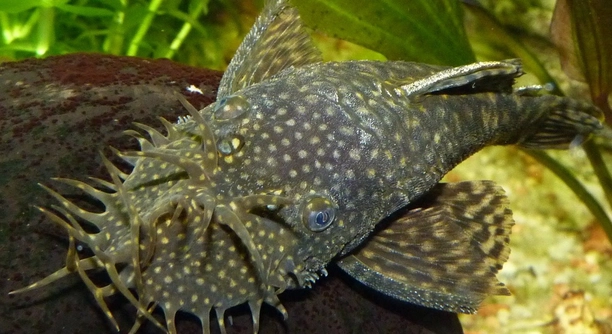
Bristlenose plecos are quiet, bottom-dwelling fish often kept in home aquariums. They move slowly across surfaces, using their bristly snouts to graze on algae. Observing them, it is easy to assume they are solitary and silent creatures.
Bristlenose plecos communicate through subtle body movements, tactile interactions, and occasional sounds like clicks or grunts. These signals serve to establish territory, signal stress, or attract mates. Communication is generally low-frequency and mostly detectable during close encounters.
Understanding their communication can enhance aquarium care and improve social interactions among plecos, ensuring a healthier, more harmonious environment for these unique fish.
How Bristlenose Plecos Use Body Language
Bristlenose plecos rely heavily on body language to communicate. They use subtle movements such as fin flicks, tail swings, or head nudges to convey messages to other fish. When two plecos meet, they often circle each other, adjusting posture to signal dominance or submission. These interactions are mostly about territory, helping prevent serious conflicts. In addition, plecos sometimes press their bodies against surfaces or each other to indicate comfort or reassurance. Watching them closely reveals that these gestures are intentional. Even slight movements of their bristles can signal curiosity or caution. Recognizing these signs allows aquarists to understand how their plecos feel in the tank. Observing patterns over time makes it easier to detect changes in behavior that may indicate stress or illness. Learning their language is subtle but rewarding. Plecos are far more expressive than they initially appear.
Body language is usually enough for plecos to communicate without needing sounds. They rely on touch and posture.
By paying attention, it becomes clear how plecos manage interactions daily. Body movements help prevent fights while establishing clear social hierarchies. Even small gestures like bristle spreading or gentle nudging can indicate moods or intentions. Observing these behaviors consistently allows for better tank management, reducing stress. Some plecos respond to others by retreating or changing positions, which maintains harmony in shared spaces. Additionally, these signals are critical during feeding times, helping avoid competition. Over time, it is possible to recognize individual personalities based on these cues. Knowing their habits helps predict how they will react to new tank mates or changes in environment. This understanding also assists in ensuring each pleco has enough hiding spots and resources. Paying attention to body language fosters a calm, balanced aquarium where plecos can thrive naturally.
Sounds and Vibrations in Communication
Bristlenose plecos occasionally produce sounds, usually in low-frequency ranges, to interact with each other. These sounds are subtle but important.
These clicks and grunts typically occur during territorial disputes, mating, or stress. The sounds are not constant and are often accompanied by specific movements, such as fin flicks or rubbing against surfaces. Aquarists may notice them only when the tank is quiet. Research indicates that these vibrations can travel through water to nearby plecos, signaling caution or aggression. Some sounds are unique to individual fish, allowing recognition among tank mates. While not loud, these noises play a role in maintaining social order. Plecos may also use vibrations from body movements to communicate when direct contact is limited. Understanding these auditory cues complements observations of body language. When combined, they offer a fuller picture of pleco behavior. Recognizing sound signals can help aquarists intervene early if conflicts arise, improving tank harmony and health for all inhabitants.
Social Behavior and Group Dynamics
Bristlenose plecos are not strictly solitary. They interact with other plecos through both body language and sound, forming loose social hierarchies that reduce aggression. Observing their patterns helps maintain peace in community tanks and ensures proper care.
In shared tanks, plecos often establish territories around hiding spots or feeding areas. Dominant individuals usually claim the most secure spots, while others adapt by choosing less central spaces. Conflicts are often brief and resolved through gestures rather than fighting. Plecos may also coordinate feeding times, with subordinate fish waiting their turn. Understanding these behaviors allows aquarists to anticipate interactions, provide adequate hiding spaces, and reduce stress. Careful observation is key, as even subtle changes in movement or posture can indicate shifts in social ranking or comfort levels. By recognizing these patterns, it becomes easier to manage multiple plecos together.
Group dynamics also influence mating and overall activity levels. Plecos are more active and confident when they feel secure in their environment. Hiding places, stable tank conditions, and minimal disturbances help maintain harmony. Even subtle interactions, such as synchronized grazing or gentle nudges, reflect their communication and adaptation within the group. These small signals play a large role in preventing injuries, reducing stress, and ensuring each pleco’s well-being. Observing their interactions over time reveals personalities and preferences, allowing for tailored care that meets both social and environmental needs.
Stress Signals and Responses
Plecos display stress through rapid fin flicking, hiding, or abrupt movements. Recognizing these cues is essential for maintaining their health.
Stress can arise from overcrowding, aggressive tank mates, or sudden environmental changes. Stressed plecos may reduce feeding, hide excessively, or exhibit unusual swimming patterns. Water quality also directly impacts stress levels, as poor conditions can trigger defensive behaviors. Providing consistent temperature, clean water, and proper hiding spots minimizes these responses. Plecos sometimes signal stress to each other using body posture or soft vibrations, which can help alert others to potential threats. Monitoring these behaviors allows adjustments to tank setup, preventing prolonged stress.
Reducing stress improves both social interaction and overall activity. Plecos respond better when they feel secure, leading to natural behaviors like grazing, exploring, and gentle interaction with tank mates. Stress management includes maintaining proper tank dimensions, ensuring hiding areas, and avoiding sudden changes in lighting or water parameters. Recognizing early signs, like subtle fin flicks or bristle movement, allows timely intervention. Calm plecos are more likely to establish stable hierarchies, communicate effectively, and interact without conflict. Over time, attentive care reduces health risks and supports a thriving, harmonious environment.
Feeding Communication
Bristlenose plecos often signal feeding times through subtle movements and positioning near algae or food sources. They may flick fins or hover near the surface to indicate interest, helping reduce competition and confusion among tank mates.
Some plecos use gentle nudges or brushing against others to assert priority without aggression. Observing these behaviors ensures feeding is distributed fairly and helps prevent stress or dominance issues.
Territory Establishment
Plecos clearly mark and defend preferred spots with body displays and minor nudges. They often retreat to hiding places when challenged, maintaining order. Observing these interactions allows aquarists to provide sufficient shelters and reduce conflict. Proper territory management ensures plecos coexist peacefully, supporting natural behaviors and overall well-being.
Breeding Signals
During mating periods, plecos display increased fin movements, bristle flaring, and gentle nudges toward potential mates. These signals indicate readiness and help synchronize reproductive behaviors within the tank.
Recognizing Aggression
Aggressive plecos exhibit rapid tail flicks, chasing, or persistent posturing. Early recognition of these signs prevents injuries and allows adjustments to tank layout or population, ensuring a balanced environment.
FAQ
How do bristlenose plecos communicate without making noise?
Bristlenose plecos rely heavily on visual and tactile signals. Subtle body movements, like flicking fins, nudging with their heads, or spreading bristles, allow them to send messages to other fish. These gestures help establish territories, signal stress, or show curiosity. In many cases, these visual cues are enough to avoid direct conflict. Plecos may also press their bodies against surfaces or each other to indicate comfort or reassurance, creating a network of nonverbal communication that works well in both solitary and community tank settings. Observing these behaviors closely helps aquarists understand their interactions.
Do bristlenose plecos make sounds underwater?
Yes, plecos occasionally produce low-frequency sounds like clicks or grunts. These are subtle and often only noticeable in quiet tanks. The sounds usually accompany body movements such as rubbing against surfaces, flicking fins, or nudging other plecos. Sounds are commonly associated with stress, territorial disputes, or mating behaviors. While not constant, these auditory signals complement visual cues and help maintain social order. By recognizing the context of these noises, aquarists can better understand when a pleco is stressed, asserting dominance, or interacting socially.
Can plecos recognize each other?
Bristlenose plecos can recognize familiar tank mates using a combination of visual cues, tactile interactions, and subtle sounds. Individual patterns of movement and bristle display can help them distinguish between different plecos. This recognition aids in establishing hierarchies and preventing repeated conflicts. Over time, plecos often show preferences for certain areas or hiding spots near specific tank mates, demonstrating memory and social awareness. Recognizing individual behaviors also allows aquarists to monitor changes in health, comfort, or social dynamics within the tank.
What behaviors indicate stress in plecos?
Stressed plecos often flick fins rapidly, hide excessively, or swim erratically. They may also reduce feeding, remain in one area for long periods, or display unusual body postures. Environmental changes like overcrowding, aggressive tank mates, poor water quality, or sudden temperature shifts can trigger stress. Subtle signals, such as gentle nudges or body bristle movements, can also indicate discomfort. Recognizing these behaviors early allows aquarists to make adjustments, like adding hiding spots, improving water conditions, or reducing disturbances, ensuring the plecos remain calm and healthy.
How do plecos communicate during feeding?
During feeding, plecos use body movements and positioning to communicate. Hovering near algae or food indicates interest, while gentle nudges help assert priority without aggression. These subtle cues reduce competition and ensure that multiple plecos can feed without conflict. Observing these interactions provides insight into social dynamics and helps aquarists distribute food fairly. Coordinated feeding behaviors also reveal individual personalities and comfort levels within the group, making it easier to maintain harmony in a shared tank.
What are mating signals in bristlenose plecos?
During mating periods, plecos display increased fin movements, flaring bristles, and gentle nudges toward potential mates. Males often guard or clean cave-like spaces while signaling readiness through specific postures. Females respond with cautious approaches and brushing movements. These behaviors ensure that mating occurs safely and efficiently. Observing these interactions gives aquarists insight into reproductive health and social behavior, allowing them to provide optimal conditions for breeding while minimizing stress for all fish in the tank.
Can plecos communicate with other species?
While bristlenose plecos primarily communicate with their own kind, they can send signals that other fish notice. Movements like sudden tail flicks, grazing patterns, or posturing can indicate territory or stress to nearby species. However, these signals are less effective than communication between plecos and are often interpreted differently by other fish. Understanding these interspecies interactions helps in managing community tanks, reducing aggression, and creating a more balanced environment where all fish coexist peacefully.
Why is observing pleco communication important?
Observing communication provides insight into social hierarchies, health, and environmental needs. Subtle behaviors indicate comfort, stress, or readiness to mate. Recognizing patterns allows aquarists to intervene early, adjust tank conditions, and ensure all plecos thrive. Attention to these cues promotes natural behaviors, reduces aggression, and supports long-term well-being in the aquarium. Tracking body movements, sound production, and interactions over time creates a clearer picture of each pleco’s personality and needs, allowing for more effective and compassionate care.
How can I improve communication understanding in my tank?
Providing a stable environment, hiding spots, and consistent feeding schedules helps plecos communicate naturally. Observing interactions over time, noting subtle gestures, and recognizing patterns improves understanding of social dynamics. Minimizing disturbances ensures signals are noticed and reduces stress, making communication more effective. Recording behaviors, such as fin flicks, bristle movements, or nudges, allows aquarists to track changes and adapt tank management. Paying attention to both visual and auditory cues ensures plecos remain comfortable, interact naturally, and display normal behaviors, supporting a healthy and balanced aquarium ecosystem.
What should I do if communication signals indicate aggression?
Aggressive behaviors include chasing, tail flicks, or persistent posturing. Early recognition is key. Adjust tank layout by adding hiding spots or separating individuals if needed. Monitoring interactions and providing sufficient space prevents escalation, maintains harmony, and protects weaker plecos from injury. Observing patterns over time also helps identify triggers and allows for long-term adjustments. By responding proactively, aquarists can reduce stress, support social stability, and encourage natural communication behaviors, ensuring all plecos coexist safely and continue healthy social interactions in the tank environment.
Final Thoughts
Bristlenose plecos are far more expressive than they might appear at first glance. Their communication is subtle but meaningful, relying on a combination of body movements, tactile interactions, and occasional low-frequency sounds. Watching them interact over time shows how they establish territories, signal stress, or indicate comfort with each other. Even small gestures like a gentle nudge or a flick of the fins carry significance in their daily interactions. These behaviors are natural and essential, helping plecos maintain balance within the tank environment. Observing these cues allows aquarists to understand the personalities of individual fish and anticipate their needs, which can make caring for them more straightforward and enjoyable. While they do not have the loud, obvious ways of expressing themselves that some other fish species do, the plecos’ methods are effective for their social structure and survival. Paying attention to these subtleties provides a deeper appreciation of their behaviors and intelligence.
Understanding pleco communication is important for maintaining a healthy aquarium. Stress, aggression, and territorial disputes are all minimized when their signals are recognized and accommodated. Providing hiding spots, stable water conditions, and enough space for each fish to establish its preferred area ensures that communication remains calm and effective. When plecos are stressed or uncomfortable, their behaviors change—rapid fin flicks, hiding for extended periods, or erratic swimming are common signs. Recognizing these patterns early helps aquarists adjust the tank environment before problems escalate. It also supports social stability, allowing both dominant and subordinate plecos to interact without constant conflict. Over time, observing these interactions can reveal more about each fish’s personality, preferences, and responses to changes in their environment. By paying attention to these subtle signals, aquarists create a safer and more comfortable space for their plecos to thrive.
Communication among bristlenose plecos also has implications for breeding and overall activity levels. During mating periods, specific gestures such as fin movements, bristle displays, and nudges toward potential mates help synchronize behaviors and ensure successful reproduction. In general, plecos are more active and confident when they feel secure and understood by their tank mates. Stress-free conditions, proper feeding routines, and minimal disturbances encourage natural behaviors, such as grazing, exploring, and gentle social interactions. Recognizing the combination of body language, sound, and tactile cues allows for better tank management and supports the health of all plecos. Observing and interpreting these signals is not just a practical approach to care—it enhances the enjoyment of keeping these unique fish. By understanding their communication, aquarists can foster a balanced and harmonious environment that meets both social and environmental needs, ultimately ensuring that bristlenose plecos remain healthy, active, and comfortable in the aquarium.

Hello,
If you enjoy the content that we create, please consider saying a "Thank You!" by leaving a tip.
Every little bit helps us continue crafting quality advice that supports the health, happiness, and well-being of pets around the world, for pets of all shapes, sizes, and species.
We really appreciate the kindness and support that you show us!