
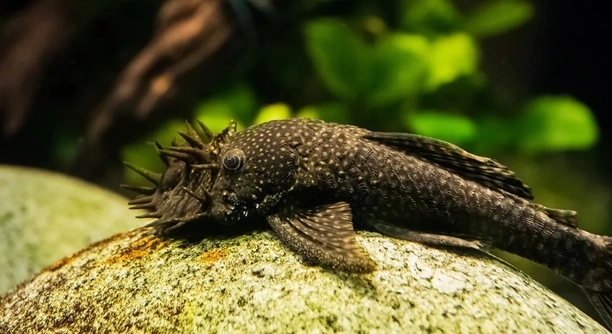
Have you ever noticed your Bristlenose Pleco moving around differently at various times of the day? These small freshwater fish have unique habits, and their behavior can sometimes leave aquarium owners wondering about their natural routines.
Bristlenose Plecos are capable of distinguishing between day and night primarily through light cues. They are naturally nocturnal, becoming more active in low-light conditions, while bright light signals rest periods. Their internal circadian rhythm helps regulate feeding and activity cycles.
Observing their patterns can improve tank care and feeding schedules. Understanding their daily rhythms supports both their health and a more balanced aquarium environment.
How Bristlenose Plecos Sense Light
Bristlenose Plecos rely heavily on light levels to determine their activity. In nature, they are found in rivers and streams with plenty of hiding spots. During the day, bright sunlight makes them stay hidden under rocks or driftwood. In the aquarium, this instinct continues. They prefer dim lighting or shaded areas and will often remain inactive until the light softens. Many owners notice that their Plecos become more visible at dusk or in the evening. Their eyes are adapted to detect even subtle changes in light intensity, which helps them navigate their environment safely. Sudden bright lights may stress them or make them retreat. Adjusting tank lighting to mimic natural cycles can encourage healthier activity patterns. Proper lighting also affects their feeding habits, as they feel more secure eating in low-light conditions. Over time, observing these behaviors helps owners provide a stable environment for their Plecos.
This sensitivity to light allows them to remain safe while still exploring when conditions feel secure.
Creating a tank that mimics their natural light cycle benefits both their health and behavior. Adjusting LED timers or providing shaded areas ensures they have control over when to rest and when to feed. Many Plecos will explore more openly if the tank has a mix of bright and shaded spots. Observing their routines helps owners understand feeding times and placement of decorations. Inconsistent lighting can disrupt sleep and stress these fish. Providing a predictable day-night cycle promotes natural behavior, better appetite, and overall well-being. Even small changes, like covering part of the tank or dimming lights in the evening, make a noticeable difference. They also rely on subtle changes in shadows to sense movement and other fish nearby, reinforcing the importance of stable lighting conditions. By respecting these natural cues, owners support their Pleco’s comfort and long-term health.
Feeding and Activity Patterns
Bristlenose Plecos are more active during the night, which aligns with their feeding habits.
Feeding schedules should consider their nocturnal nature to ensure they get enough food. Offering sinking pellets, vegetables, or algae wafers in the evening supports their natural behavior. Consistent feeding at low-light times encourages activity and reduces stress. Some Plecos may explore more actively when the tank is quieter, making it easier for owners to monitor health. Overfeeding during the day can lead to leftover food and water quality issues, so timing is important. Adjusting feeding routines to match their natural cycle also strengthens their digestion and overall growth. Monitoring their activity during feeding helps identify health changes early. Small portions at night mimic natural conditions and maintain clean water. Knowing when they are naturally active allows owners to interact appropriately without disturbing their rest periods. In this way, the Plecos remain healthy and exhibit behaviors closer to their natural instincts.
Tank Setup and Lighting
Providing shaded areas in the tank helps Bristlenose Plecos feel secure. Rocks, driftwood, and plants allow them to hide during the day and become active at night without stress.
A balanced tank setup mimicking their natural habitat encourages healthy activity. Plecos need places to rest during bright hours and areas to explore when lights dim. Adding caves and overhangs gives them hiding spots, while open spaces allow movement at night. Lighting should be adjustable, and bright overhead lights can be softened with floating plants or tank covers. This approach reduces stress, prevents hiding for long periods, and improves overall behavior. Observing their habits can guide placement of decorations to match their comfort needs. Regularly checking water quality and ensuring adequate filtration supports a calm environment. A well-structured tank allows the Plecos to express natural behaviors and feel safe, making them more visible and active in predictable cycles.
Proper lighting and hiding spots prevent overexposure to bright light, which can trigger stress or illness. Plecos thrive when they have control over their environment, retreating or exploring as they choose. By adjusting lighting gradually and providing consistent shelter, owners support both health and behavior. Combining these measures with consistent feeding and gentle maintenance ensures a stable habitat. Plecos benefit from observing routines, which reinforce security and reduce unnecessary stress. Over time, these adjustments help the fish settle into predictable patterns, making tank management easier. Owners notice more natural movement and increased feeding activity in a supportive environment. Simple changes in lighting and structure improve their comfort and overall quality of life.
Nighttime Behavior
Bristlenose Plecos exhibit increased activity once the lights dim. They swim more, forage for food, and explore their territory.
Nighttime is the peak for Pleco behavior. They use low light to move safely around the tank while avoiding potential threats. Their whisker-like bristles help them sense food and navigate. Many Plecos will come out to graze on algae or eat provided vegetables. Observing them at night gives insight into feeding preferences and social interactions with other fish. It also shows their natural routines, which daytime activity can obscure. Reducing disturbances during these hours is important. Tank owners often notice they are calmer and more confident when they have dark periods, mirroring their natural environment.
Providing consistent night conditions ensures Plecos remain active and healthy. Dim lights or moonlight LEDs help maintain their natural rhythm. Avoid sudden lighting changes, which can stress them and disrupt feeding habits. Plecos rely on predictable darkness to navigate efficiently and feel safe. Consistency in night environment supports digestion, movement, and overall well-being. Tank design, including caves and driftwood, complements their nocturnal behavior. Nighttime activity also allows for more accurate observation of their health and behavior patterns. Monitoring these behaviors can indicate changes in appetite or stress, helping owners take action quickly. Gradual adjustments to lighting and environment promote comfort, encouraging natural activity cycles. A stable routine improves both visibility and overall happiness in the tank.
Adjusting to Light Changes
Bristlenose Plecos respond gradually to changes in light. Sudden bright lights can cause stress, making them hide or reduce activity temporarily.
Using a dimmer or slow lighting transitions helps them adapt. Gradually increasing or decreasing light simulates natural sunrise and sunset, supporting their natural rhythms and reducing stress in the tank.
Feeding Timing
Feeding Plecos during low-light periods matches their natural activity. Offering sinking pellets or vegetables in the evening encourages foraging behavior and ensures they eat without competition from other fish. Adjusting feeding times improves appetite and overall health.
Observing Behavior
Watching their daily and nightly routines helps detect stress, illness, or unusual habits. Early observation can prevent health issues and improve tank care.
Tank Decorations
Adding caves, driftwood, and plants provides hiding spots and shaded areas. These features allow Plecos to explore safely while controlling exposure to light and potential stressors.
FAQ
Can Bristlenose Plecos see in complete darkness?
Bristlenose Plecos cannot see in complete darkness. Their eyes detect low light but not total absence of it. They rely on their sensory bristles to navigate, find food, and sense objects around them. In a tank, providing minimal ambient light or moonlight LEDs helps them move safely at night.
Why does my Pleco hide during the day?
Hiding during daylight is normal. Bristlenose Plecos are naturally nocturnal and feel safer in shaded areas or caves when exposed to bright light. Sudden light changes or a lack of hiding spots can increase stress, so providing driftwood, plants, or rocks is essential for comfort.
How can I encourage my Pleco to be more active during the evening?
Encouraging activity requires simulating natural lighting. Gradually dim tank lights toward evening, creating shaded areas for them to explore. Feeding during low-light periods also motivates movement. Observing their routines and adjusting environmental cues helps them follow a predictable night activity pattern.
Is it normal for my Pleco to move less in the tank?
Yes, reduced daytime movement is normal. They are mostly active at night and rest during the day. However, sudden inactivity or hiding more than usual may indicate stress, illness, or water quality issues. Regular observation ensures their behavior is healthy and predictable.
Do Plecos recognize their owners?
Bristlenose Plecos do not recognize humans like mammals do. They respond to consistent feeding routines, vibrations, and tank movement. Over time, they may swim closer during feeding because they associate your presence with food, but this is behavioral conditioning rather than recognition.
Can Plecos get stressed from too much light?
Yes, excessive bright lighting can stress them. Stress can lead to hiding, reduced feeding, or weakened immunity. Providing shaded areas and gradual light transitions prevents stress and supports natural activity cycles. Maintaining consistent lighting helps them feel secure and more active at night.
How do I know if my Pleco’s night activity is healthy?
Healthy night activity includes foraging, swimming around the tank, and occasional interaction with surroundings. If your Pleco is consistently active at night but hides or rests during the day, it is normal. Reduced activity, erratic swimming, or refusal to eat may indicate stress or illness.
Do Plecos follow a strict day-night schedule?
Bristlenose Plecos follow a circadian rhythm influenced by light cues. They are not strictly clock-driven but adjust activity based on light intensity and environmental consistency. Consistent lighting, feeding, and hiding spots support natural routines, encouraging regular nocturnal behavior.
What lighting setup works best for a Pleco tank?
A dimmable lighting setup with shaded areas works best. Floating plants, driftwood, or partial covers help create low-light zones. LED lights with timers simulating sunrise and sunset promote comfort, reduce stress, and encourage natural night activity. Gradual changes are better than sudden bright or dark transitions.
Should I feed my Pleco during the day or night?
Feeding in the evening or low-light periods aligns with natural behavior. Sinking pellets, vegetables, and algae wafers are ideal. Daytime feeding may be ignored or cause competition from other fish. Evening feeding promotes activity and ensures the Pleco receives proper nutrition without stress.
Can Plecos see their tank mates at night?
They can detect movement and shapes in low light but do not see clearly in darkness. Their bristles help sense nearby fish. This sensory adaptation allows safe navigation and foraging while avoiding conflicts or potential threats at night.
How long does it take a Pleco to adapt to new light conditions?
Adaptation depends on the fish and the extent of change. Gradual adjustments over several days to weeks are best. Providing shaded areas and maintaining a predictable day-night cycle reduces stress and helps them establish new routines naturally.
Do Plecos sleep during the day?
Yes, Plecos rest during the day. Their sleep is light and they may move slightly while staying hidden. Ensuring dark or shaded areas allows them to rest without interruption, supporting overall health, digestion, and stress reduction.
Can I use a night light for my Pleco?
A dim night light or moonlight LED is safe. It provides enough visibility for the Pleco to move and forage without causing stress. Avoid bright or direct lights at night, which can disrupt their circadian rhythm and reduce nighttime activity.
How do I tell if my Pleco is stressed from light changes?
Signs of stress include prolonged hiding, reduced feeding, erratic swimming, or clamped fins. Adjusting lighting gradually, adding shaded areas, and maintaining consistency helps reduce stress. Observing behavior closely ensures the Pleco remains healthy and comfortable in its environment.
What is the best way to monitor Pleco activity patterns?
Observation during both day and night is essential. Tracking when they feed, swim, or hide helps identify normal routines. Noting changes in behavior can alert you to stress, illness, or environmental issues, allowing timely adjustments to lighting, feeding, or tank setup.
Do Plecos need complete darkness to rest?
They do not need complete darkness but prefer low-light conditions. Partial shading and calm environments allow them to rest while remaining aware of surroundings. Total darkness is not harmful, but gentle light levels support natural movement and foraging at night.
Can Plecos adjust to a completely lit tank?
They may adapt but remain stressed and hide more than usual. Constant bright light disrupts natural activity patterns and may reduce feeding or overall health. Providing shaded areas and simulating natural light cycles improves adaptation and reduces stress.
How do tank decorations influence Pleco behavior?
Caves, driftwood, and plants provide shelter, reducing stress and encouraging exploration during low-light periods. These decorations allow Plecos to control exposure to light, feel secure, and maintain healthy nocturnal activity. Proper decoration placement supports natural movement and feeding habits.
Should I worry if my Pleco is less active in the morning?
Morning inactivity is normal. Bristlenose Plecos are nocturnal and naturally rest during daylight. Occasional early activity is fine, but persistent lethargy or hiding beyond daylight hours may indicate stress, illness, or poor water conditions, requiring attention.
Can Plecos tell day from night without light?
Without light cues, their circadian rhythm may become irregular. They rely on subtle light changes to time activity and feeding. Lack of light can cause confusion, stress, or irregular feeding patterns, so even dim ambient lighting is important for maintaining a normal schedule.
Do Plecos prefer consistent light cycles?
Yes, consistent light cycles help regulate activity, feeding, and rest. Predictable day-night transitions reduce stress and encourage natural behaviors. Inconsistent lighting can confuse them, leading to hiding, reduced feeding, or disrupted nocturnal activity patterns.
Can Plecos sleep in low-light tanks?
Yes, low-light conditions allow them to rest safely. They may remain partially active but feel secure, enabling proper digestion, reduced stress, and preparation for nighttime activity. Providing adequate shading supports healthy sleep and natural rhythms.
How long should the night period be for Plecos?
A night period of 10–12 hours aligns with natural behavior. Gradual light transitions in the evening help them adjust. Consistent night length supports feeding, rest, and activity, improving overall health and well-being in the tank.
Do Plecos respond to shadows at night?
Yes, they sense movement and nearby objects using shadows and their sensory bristles. This helps them navigate safely, locate food, and detect tank mates without relying solely on vision, which is limited in darkness.
How does light affect Pleco feeding habits?
Feeding is more effective during dim light. Bright light may cause hiding or refusal to eat. Adjusting feeding times to low-light periods promotes foraging, natural behavior, and better nutrition absorption, supporting growth and health.
Can Plecos become active during the day if lights are dim?
Some Plecos may explore during dim daylight if they feel safe. However, their natural tendency is nocturnal, and they are usually more active during the evening. Gradual light adjustments can influence minor daytime activity but do not change inherent nocturnal instincts.
Do Plecos need a light-dark schedule to thrive?
Yes, a consistent light-dark schedule supports natural behavior, reduces stress, and promotes health. Irregular cycles can disrupt sleep, feeding, and activity patterns, leading to long-term issues. Predictable lighting allows Plecos to maintain normal routines in captivity.
Can Plecos recognize feeding times by cues other than light?
They respond to vibrations, movement, and presence near the tank during feeding. Over time, they associate these cues with food, helping them anticipate meals even if light conditions vary slightly. Consistency in timing reinforces these learned behaviors.
How do Plecos react to sudden light changes?
Sudden bright lights can startle them, causing rapid retreat or hiding. Gradual adjustments and shaded areas reduce this reaction. Maintaining a calm, predictable environment ensures they remain comfortable and exhibit natural behaviors.
Are Plecos more active in community tanks at night?
Yes, nighttime activity is typically higher, allowing them to forage without interference. Interaction with tank mates is minimal at night, reducing stress and competition for food, which helps maintain a balanced and peaceful environment.
Does tank size affect day-night behavior?
Tank size influences movement and comfort. Larger tanks with adequate hiding spots allow Plecos to express natural behavior, while small or overcrowded tanks may increase stress and reduce nighttime activity. Proper space and decor are crucial for healthy routines.
Can water conditions influence Pleco activity?
Yes, poor water quality or inappropriate temperature can reduce activity and increase hiding. Maintaining clean water, stable temperature, and proper pH supports natural day-night behavior, feeding, and overall health. Regular monitoring ensures optimal conditions for active Plecos.
Do Plecos require specific plants for night activity?
Plants provide shade and security rather than being required for activity. Floating or tall plants help create low-light zones, making them feel safe and encouraging exploration during dim periods. Decorations and plants together enhance comfort and natural behavior.
Can Plecos adapt to different light colors?
They respond primarily to intensity rather than color. Red or dim blue lights are less stressful and allow safe nocturnal movement. Bright white or intense lighting may cause stress and reduce nighttime activity. Choosing soft light colors supports natural behavior.
How long do Plecos stay hidden during the day?
They may hide most of the day, depending on light intensity, tank setup, and stress levels. Adequate hiding spots and consistent lighting ensure they emerge at night to feed and explore normally. Observation helps track patterns.
What is the best way to provide shade in the tank?
Use caves, driftwood, tall plants, or floating plants to create shaded zones. These areas allow Plecos to control light exposure, rest during the day, and feel secure while maintaining normal activity cycles at night.
Can Plecos sleep while partially active?
Yes, they may move slightly while resting. Low-light environments allow safe partial activity, supporting digestion, comfort, and preparation for nighttime foraging. Their sleep is light but restorative, matching natural habits.
Do Plecos need a separate night feeding area?
Not required, but placing food in shaded or quiet areas encourages foraging without stress. Evening feeding near shelters promotes natural feeding behavior and supports healthy nutrition absorption.
Can Plecos become stressed from too little light?
Extreme darkness can disrupt circadian rhythm, causing irregular activity and feeding. Minimal ambient light or moonlight LEDs maintain a natural cycle, reducing stress and supporting health.
How do I know my Pleco is happy with the light schedule?
Indicators include normal hiding during the day, active nighttime exploration, regular feeding, and minimal stress behaviors. Consistency and observation help confirm their comfort with the tank lighting.
Do Plecos prefer caves over open spaces at night?
They use caves for shelter but may explore open areas once comfortable. Open spaces are safer under low-light conditions, while caves provide security if they feel threatened or need rest. A mix supports natural behavior.
Can Plecos sleep near other fish at night?
Yes, they tolerate other fish if space and hiding spots are adequate. Nighttime activity is less competitive, but ensuring enough shaded areas reduces stress and allows safe resting positions.
Is it okay for Plecos to stay out all night?
Yes, they are naturally nocturnal and active during the night. Monitoring food consumption, water quality, and behavior ensures their activity is healthy and aligns with natural patterns.
Do Plecos adjust to seasonal light changes?
Yes, they respond to variations in light duration and intensity. Gradual adjustments help them maintain natural activity patterns and prevent stress from abrupt seasonal lighting changes.
How long can Plecos stay active at night?
Typically several hours, depending on tank conditions, feeding, and light. They rest intermittently but spend most of the night foraging, exploring, and moving around. Consistent routines support healthy activity duration.
Can Plecos recognize feeding sounds at night?
Yes, they respond to vibrations and movement associated with feeding. Consistent cues help them anticipate meals, supporting proper nutrition even during low-light periods.
Do Plecos hide more in new tanks?
Yes, new tanks increase stress. They may hide longer until comfortable with light levels, tank mates, and surroundings. Providing shaded areas, gradual lighting, and consistent feeding helps them adapt more quickly.
Can Plecos become active before lights dim?
Occasionally, some Plecos explore during dim daylight. However, full nocturnal behavior typically begins as light decreases. Gradual transitions encourage proper timing of activity and feeding routines.
Do Plecos need constant observation at night?
Not constantly, but periodic checks ensure health, feeding, and safety. Excessive disturbance can stress them, so quiet monitoring is preferable to maintain natural behavior.
How can I track my Pleco’s activity patterns?
Use notes, photos, or video during day and night. Tracking feeding, swimming, and hiding behaviors helps detect changes in health, stress, or environmental needs, allowing adjustments to support natural routines.
Do Plecos interact more at night?
Interaction is minimal but may occur during foraging or exploration. Nighttime provides safer conditions for movement, reducing competition and stress from other fish present during the day.
Can Plecos rest in low-light water flow areas?
Yes, calm low-flow areas under shade are ideal for resting. They provide security while allowing gentle water circulation, supporting health and natural nighttime activity.
Do Plecos need separate hiding spots for day and night?
Separate hiding spots are helpful but not essential. Shaded zones and caves provide flexibility for resting during the day and exploring at night, supporting natural behavior and comfort.
Are Plecos more comfortable with a consistent feeding schedule?
Yes, consistent timing helps them anticipate meals, reduces stress, and aligns with natural nocturnal habits. Evening or low-light feeding reinforces healthy activity patterns.
Can Plecos adjust to indoor lighting cycles?
They can adapt gradually. Timed LEDs or dimmers simulating natural light changes help maintain activity and feeding routines, reducing stress from abrupt indoor lighting.
Do Plecos respond to tank vibrations?
Yes, vibrations indicate movement or feeding. They help Plecos detect food or nearby fish, complementing vision and bristle sensory input, especially during low-light periods.
How important is water quality for night activity?
High water quality is essential. Poor conditions reduce movement, stress the fish, and disrupt feeding. Clean, stable water supports normal nocturnal behavior and overall health.
Do Plecos prefer quiet environments at night?
Yes, quiet surroundings reduce stress. Excessive noise or vibrations can interfere with natural behavior, causing hiding or reduced activity. Calm conditions support healthy exploration and feeding patterns.
Can Plecos learn feeding times?
Yes, through consistent cues like time, vibrations, and human presence. They anticipate food, which encourages activity and regular foraging during appropriate periods.
Do Plecos need extra nighttime food if active?
Not necessarily, as long as daily feeding meets nutritional needs. Offering food during their active period supports natural behavior without overfeeding.
Are Plecos sensitive to temperature at night?
Yes, they prefer stable temperatures. Sudden drops or spikes can reduce activity, increase stress, and affect feeding habits. Maintaining consistent water temperature supports healthy nocturnal behavior.
Can Plecos coexist peacefully with other nocturnal fish?
Yes, if space, hiding spots, and food are sufficient. Minimal conflict occurs when each species has access to shelter and feeding areas during active periods.
Do Plecos need occasional daylight exposure?
Some daylight is beneficial for general health and algae growth in the tank. However, they prefer shaded areas and will hide when light is too bright, balancing exposure naturally.
Can Plecos see colors at night?
Color perception is limited in low light. They rely on contrast, movement, and bristle sensors to navigate and locate food. Bright colors may not influence nighttime behavior.
Do Plecos prefer natural or artificial light?
They adapt to artificial light but respond better to gradual changes that mimic natural conditions. LED lights with timers or dimmers are effective for promoting natural behavior.
How often should I check Pleco activity?
Periodic observation during day and night is sufficient. Frequent disturbance may stress them, but regular checks ensure feeding, health, and safe behavior.
Can Plecos explore during partial light periods?
Yes, they often begin activity as light dims. Partial light encourages safe movement, feeding, and gradual transition into full nocturnal behavior.
Do Plecos rest more in planted tanks?
Planted tanks provide shade, security, and low-light zones. These conditions encourage resting during daylight while supporting safe nighttime activity. Plants enhance comfort and natural behavior.
Are Plecos more active in larger tanks?
Yes, larger tanks allow more exploration and hiding opportunities. Adequate space reduces stress, supports nocturnal behavior, and allows better expression of natural movement.
Do Plecos need observation cameras for night behavior?
Optional, but helpful for detailed monitoring. Cameras allow study of nocturnal activity without disturbing the tank, ensuring accurate assessment of feeding and movement patterns.
Can Plecos adjust to seasonal temperature changes?
Gradual seasonal adjustments are tolerable. Abrupt shifts can reduce activity, stress the fish, and impact feeding. Maintaining stable conditions supports nocturnal behavior and health.
Do Plecos prefer dim or colored night lights?
Dim or red/blue moonlight LEDs are less stressful and support safe nocturnal movement. Bright white lights may disrupt activity and cause hiding. Choosing gentle illumination maintains comfort.
How long do Plecos rest between night activity periods?
They rest intermittently, often returning to sheltered areas. These breaks support digestion, energy conservation, and comfort, ensuring sustained nighttime foraging and movement.
Can Plecos become stressed by irregular feeding times?
Yes, inconsistent feeding can disrupt routines, cause anxiety, or reduce activity. Predictable evening feeding supports natural nocturnal behavior and promotes healthy nutrition absorption.
Do Plecos need special night care?
Mostly, providing
Bristlenose Plecos are fascinating fish, and understanding their natural habits can make caring for them much easier. They are naturally nocturnal, which means they spend most of the day resting and become active when the lights dim. This is completely normal and should not cause worry. Observing their behavior over time shows that they rely on light cues to decide when to move, forage, and explore. Their bristles are sensitive tools that help them sense their environment, especially in low light. In an aquarium, mimicking their natural environment with dim lighting, shaded areas, and hiding spots allows them to feel safe. When Plecos are comfortable, their activity patterns are more predictable, and their health is easier to maintain. Understanding this aspect of their biology helps owners provide a stable environment, ensuring that the fish can live in a way that is close to what they would experience in the wild.
Setting up a tank for Bristlenose Plecos requires attention to both lighting and decorations. Bright, direct light can make them feel stressed, so it is important to provide caves, driftwood, plants, or other shaded areas where they can retreat during the day. Gradually adjusting light levels, such as dimming the tank in the evening, can encourage natural activity. Feeding should also align with their nocturnal behavior. Offering sinking pellets, vegetables, or algae wafers during low-light periods encourages movement and helps the fish maintain a healthy routine. Water quality and temperature play a significant role in their activity as well. Maintaining stable conditions prevents stress and supports natural behavior. By paying attention to these details, owners create a safe, comfortable, and predictable environment for their Plecos. This makes it easier to monitor health, detect changes in behavior, and support overall well-being.
Finally, observing and learning from Bristlenose Plecos can be very rewarding. They respond well to a consistent day-night cycle and predictable routines. Hiding during the day and becoming active at night is normal behavior, not a sign of illness, as long as water quality, feeding, and tank conditions are appropriate. Providing shaded zones, hiding spots, and gradual light transitions creates a sense of security that allows Plecos to thrive. Tracking their routines can also help owners notice subtle signs of stress, illness, or changes in appetite before problems become serious. When Plecos feel safe and their environment supports their natural behavior, they are healthier, more active, and more likely to engage with their surroundings. Paying attention to lighting, feeding, and habitat details ensures that Bristlenose Plecos can live comfortably, exhibiting their natural behaviors in a way that is both satisfying for the fish and informative for the owner.

Hello,
If you enjoy the content that we create, please consider saying a "Thank You!" by leaving a tip.
Every little bit helps us continue crafting quality advice that supports the health, happiness, and well-being of pets around the world, for pets of all shapes, sizes, and species.
We really appreciate the kindness and support that you show us!