Do Bristlenose Plecos Like Tank Backgrounds?
Do you enjoy keeping Bristlenose Plecos but find yourself curious about how they react to the decorations in their tank? Many aquarists wonder if a simple background can influence their behavior or comfort levels. Bristlenose Plecos generally respond positively to tank backgrounds, as these additions provide a sense of security and help reduce stress. Solid … Read more
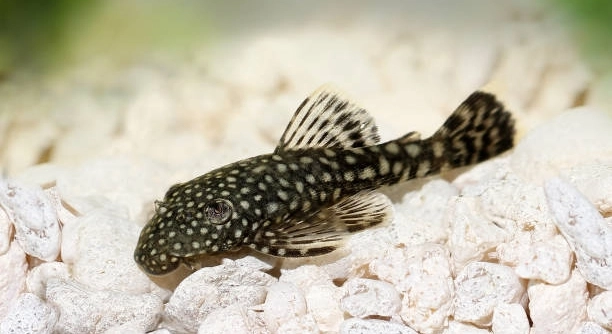
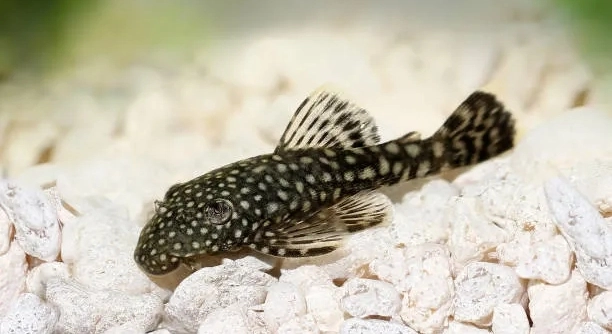
Can Bristlenose Plecos Climb Out of Water?

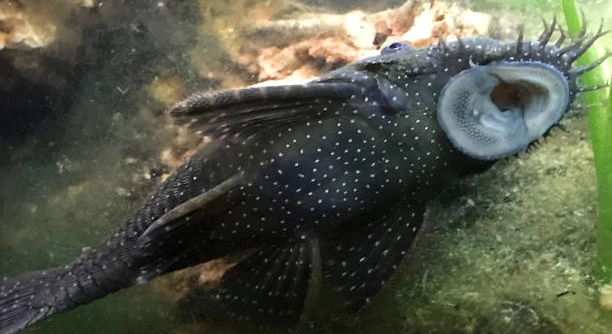
Have you ever noticed your Bristlenose Pleco acting unusually near the surface and wondered if it could actually climb out of the water? These fascinating little fish have surprising behaviors that often catch aquarium owners off guard. Bristlenose Plecos are capable of climbing out of water under certain conditions. Their strong pectoral fins and sucker-like … Read more

7 Minor Illnesses That Affect Pleco Behavior

Do your plecos seem less active than usual or hide more than normal in the tank? Observing sudden changes in behavior can indicate minor health issues that may affect their daily routine and overall well-being. Minor illnesses in plecos, such as fin rot, ich, swim bladder disorder, and parasitic infections, can directly impact their activity … Read more

7 Tips for Creating a Pleco Breeding Cave

Have you ever tried breeding plecos but found it difficult to get them to spawn successfully in your aquarium? The best way to encourage plecos to breed is by creating a suitable breeding cave that mimics their natural environment. Providing the right size, shape, and placement of the cave helps them feel secure and ready … Read more

7 Warning Signs of Poor Pleco Health

Have you ever noticed your pleco behaving differently in the tank and wondered if something might be wrong with its health? Observing changes early can make a big difference in keeping your fish happy and thriving. Poor pleco health often manifests through changes in appetite, unusual swimming patterns, discoloration, lethargy, fin damage, excessive mucus production, … Read more

Why Is My Pleco Circling the Heater?

Is your pleco constantly circling the heater in your aquarium, leaving you puzzled about its unusual behavior? Observing this can be concerning, especially when you want to ensure your fish is healthy and comfortable in its environment. The primary reason your pleco circles the heater is likely due to a need for warmth or stress … Read more

Do Bristlenose Plecos Sleep in Burrows?

Bristlenose plecos are popular freshwater fish, admired for their unique appearance and algae-eating habits. Many hobbyists enjoy watching them move around the tank, but understanding their daily routines can be both interesting and important. Bristlenose plecos do not typically sleep in burrows. Instead, they prefer hiding in caves, under driftwood, or among plants during rest … Read more

7 Things Plecos Do When They’re Territorial

Are your plecos showing unusual behavior in their tank, acting restless or more aggressive than usual? Observing them closely can help you understand how they interact with their environment and other fish around them. Plecos exhibit territorial behavior through actions such as chasing other fish, marking surfaces, hiding in preferred spots, and guarding food. These … Read more

7 Breeding Mistakes That Reduce Fry Survival

Breeding fish can be rewarding, yet many hobbyists face challenges that reduce fry survival. Even small mistakes in setup, feeding, or water quality can have a significant impact on the delicate early life stages of fry. Fry survival is often compromised by common breeding errors such as overfeeding, improper water parameters, insufficient hiding places, neglecting … Read more

7 Things Plecos Do When They’re Comfortable

Do your plecos seem more active and relaxed lately? Observing their behavior can reveal how at ease they are in their tank. Comfort in fish often shows through small yet noticeable daily habits. When plecos are comfortable, they display consistent and calm behaviors. These include resting openly, exploring without hesitation, feeding regularly, and interacting with … Read more