
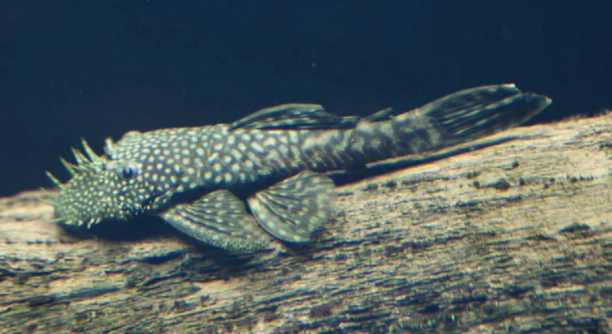
Bristlenose plecos are small, peaceful fish often kept in home aquariums. Many aquarists enjoy observing their unique bristly appearance and calm behavior. They can form interesting habits, making them enjoyable companions for fish enthusiasts.
Bristlenose plecos can be hand fed, though it requires patience and consistency. Regular, gentle offering of food by hand encourages trust, allowing the fish to approach and feed safely without stress, supporting both their nutrition and comfort in captivity.
Learning the proper technique and timing for hand feeding can improve interactions and help you care for your plecos more effectively.
Understanding Bristlenose Plecos’ Behavior
Bristlenose plecos are naturally cautious but curious fish. They spend most of their time exploring the tank, grazing on algae, and hiding among decorations. Observing them closely reveals patterns in how they feed and interact with their environment. Over time, they may recognize your presence and movements, especially near feeding times. Hand feeding works best when the fish feel safe and unthreatened. They may take several sessions to approach the hand, so patience is important. Providing consistent food types, such as algae wafers or vegetables like zucchini, helps them associate your hand with nourishment. Watching a pleco accept food directly from your hand is rewarding, and it can strengthen your ability to care for them effectively. Their behavior may change slightly depending on tank size, water parameters, and other inhabitants, so adjustments may be necessary to encourage hand-feeding without causing stress.
Hand feeding requires calm movements and a quiet environment to avoid startling the pleco.
With regular practice, plecos gradually learn to approach hands. Starting with small offerings allows them to investigate without fear. Avoid sudden gestures, and maintain consistent feeding spots. Over time, the pleco may swim directly toward your hand, showing comfort and recognition. Hand feeding also allows monitoring of their health and appetite closely, providing an opportunity to notice changes early. Patience is key; some plecos take longer than others to respond. This approach can enhance your experience while ensuring the fish remain healthy and stress-free, ultimately making feeding both practical and engaging.
Tips for Safe Hand Feeding
Hand feeding should always prioritize the fish’s safety.
Always wash hands before feeding to prevent contamination. Use slow, steady movements and avoid forcing food into their mouths. Choose firm vegetables or specially designed pleco wafers that allow easy handling. Removing sharp objects or obstacles near the feeding area reduces the risk of injury. Start with short feeding sessions to build trust gradually. Observe the pleco’s reactions and adjust timing and placement of food as needed. Repetition helps establish a reliable feeding pattern. Avoid overfeeding, as uneaten food can affect water quality. Keeping sessions calm and predictable ensures the pleco associates hand presence with positive experiences. Eventually, hand feeding can become a smooth, safe, and enjoyable routine for both caretaker and fish.
Over time, plecos can respond reliably to hand feeding. Offering a variety of suitable foods encourages balanced nutrition. Begin by holding a small piece of vegetable or wafer near the tank bottom. Let the pleco explore at its own pace, retreating if it feels uneasy. Gradually, it will learn to nibble from your fingers, linking hands with food. Patience and consistency are crucial; skipping days or moving too quickly can reset progress. Pay attention to the pleco’s comfort, allowing brief sessions that grow longer as trust builds. Hand feeding also provides a chance to check for health issues like fin damage or reduced appetite. This method not only supports physical health but also enriches their behavior, giving them mental stimulation through interaction. Regularly offering a mix of algae-based and vegetable foods ensures proper nutrition while reinforcing hand-feeding habits.
Preparing for Hand Feeding
Consistency is essential when preparing to hand feed bristlenose plecos. Use the same types of food and feed at regular times. Ensure the tank is calm and free from sudden movements to make the fish feel secure during the process.
Start with small amounts of food placed near your hand. Allow the pleco to observe and approach at its own pace. Avoid reaching directly into the tank aggressively, as sudden movements can scare them. Using firm vegetables or algae wafers helps the fish grab food without difficulty. It is helpful to feed at the same location repeatedly, so the pleco learns where to find food. Observing their behavior over several days allows you to notice patterns, which can guide adjustments in timing and food placement. Hand feeding is a gradual process that relies on trust and consistency.
During feeding, watch the pleco’s reactions carefully. Some may hesitate at first but gradually become more confident. Offering multiple small pieces instead of one large portion encourages exploration and reduces competition with other tank inhabitants. Ensure water quality remains high, as leftover food can cause problems. Over time, the fish may begin to associate your hand with food consistently. Hand feeding becomes smoother when the pleco understands there is no threat. This method not only provides nourishment but also reinforces positive interactions and mental stimulation, helping the fish remain comfortable and active in its environment.
Common Mistakes to Avoid
Overfeeding is one of the most frequent mistakes when hand feeding plecos.
Introducing food too quickly or using aggressive hand movements can stress the fish. Some caretakers feed at irregular times, confusing the pleco and making it reluctant to approach hands. Using soft foods that break apart easily can result in leftover debris that degrades water quality. It is better to offer firm, manageable portions and remove uneaten food promptly. Gradually building the pleco’s trust takes patience; rushing the process can undo progress. Keeping sessions short and consistent encourages learning and reduces stress. Avoid sudden changes in diet or environment during hand-feeding sessions.
Patience is key for successful hand feeding. Plecos may take days or even weeks to consistently approach hands. Observe their comfort level and progress slowly. Forcing interaction can cause retreat or hiding behaviors. Feeding at predictable times helps the fish associate hands with positive experiences. Using the same type of food repeatedly reinforces this trust. Adjusting the method based on the pleco’s personality ensures steady improvement. Maintaining water cleanliness is critical to prevent stress from deteriorating conditions. Monitoring the fish during each session allows early detection of issues like reduced appetite or unusual behavior. Hand feeding becomes effective when the caretaker respects the fish’s pace, gradually increasing interaction time and fostering a calm, trusting relationship.
Choosing the Right Food
Firm vegetables like zucchini, cucumber, and spinach work best for hand feeding bristlenose plecos. Algae wafers are also ideal because they are easy to hold and nutrient-rich. Avoid overly soft foods that dissolve quickly in water.
Fresh, clean food helps prevent water contamination. Chop vegetables into manageable sizes for the fish to nibble safely. Rotate vegetables and algae wafers to ensure balanced nutrition. Always remove uneaten pieces after feeding to maintain water quality and prevent stress on the pleco.
Building Trust Slowly
Start by placing food near the pleco without touching it. Allow it to approach at its own pace. Gradually bring your hand closer over multiple sessions. Keep movements slow and predictable. This encourages the pleco to feel safe and reduces the chance of startling it. Over time, the fish will associate your presence with positive experiences, increasing confidence in hand feeding. Patience and consistency are key, as forcing interaction too soon may lead to hiding or avoidance. Observing body language helps guide the pace, ensuring a steady and comfortable approach.
Avoiding Overfeeding
Hand feeding should be limited to small portions to prevent digestive issues and water contamination.
Maintaining Tank Cleanliness
Regularly remove uneaten food and debris to keep the water clean. This prevents stress and ensures the pleco stays healthy and willing to hand feed.
FAQ
Can all bristlenose plecos be hand fed?
Not all plecos will take food from your hand immediately. Some are naturally shy or cautious, and may require more time to build trust. Regular, calm feeding sessions improve the chances, but patience is essential. Each pleco has a unique personality, so progress can vary.
How long does it take for a pleco to start hand feeding?
The time varies depending on the fish and its comfort level. Some plecos may begin approaching hands within a few days, while others may take several weeks. Consistency and gentle movements speed up the process, allowing the fish to feel safe. Avoid rushing or forcing interaction.
What foods are safest for hand feeding?
Firm vegetables like zucchini, cucumber, spinach, and peas are ideal. Algae wafers are also excellent because they are easy to hold and provide necessary nutrients. Avoid soft or crumbling foods that dissolve quickly, as these can pollute the water and create stress for the pleco.
How often should I hand feed my pleco?
Hand feeding should complement their regular diet, typically once a day or every other day. Overfeeding can lead to health problems and poor water quality. Short, consistent sessions help the pleco learn that hands are a safe source of food without encouraging dependency.
What if my pleco is too shy to approach my hand?
Start by placing food near the tank without attempting to touch it. Gradually move closer over several sessions. Avoid sudden movements, loud noises, or reaching directly toward the fish. Patience and a predictable routine encourage confidence and allow shy plecos to approach naturally.
Can hand feeding improve the bond with my pleco?
Yes. Hand feeding allows you to observe behavior closely and monitor appetite and health. Plecos can recognize your presence and link it to positive experiences. This interaction fosters trust, making them more comfortable and interactive within the tank environment over time.
Is there a risk of injuring my pleco while hand feeding?
The risk is minimal if proper precautions are taken. Use slow movements and avoid placing hands near sharp decorations or objects. Choose firm food pieces to reduce the chance of slipping or biting accidents. Always observe the pleco’s reactions to avoid stressing it.
How do I maintain water quality during hand feeding?
Remove uneaten food immediately to prevent decay. Feed small portions to reduce waste. Monitor water parameters regularly, as leftover food can increase ammonia and nitrite levels, which are harmful to plecos. Maintaining a clean tank supports both their health and willingness to hand feed.
Can hand feeding replace normal feeding methods?
Hand feeding should not replace regular feeding. It is a supplementary activity that encourages interaction and monitoring. Plecos still require a balanced diet of algae, vegetables, and prepared foods to meet their nutritional needs fully. Hand feeding works best as part of a structured routine.
What if multiple plecos are in the same tank?
Feed each pleco separately if possible, or offer multiple food pieces spread out to prevent competition. Some plecos may dominate feeding areas, causing shyer individuals to avoid hand feeding. Observing behavior and adjusting placement ensures each fish receives enough food safely.
How can I tell if my pleco is comfortable with hand feeding?
A comfortable pleco will approach your hand slowly and nibble at food without hesitation. Signs of stress include retreating, hiding, or rapid swimming away. Gradual progress and consistent calm interactions indicate growing trust and comfort with hand feeding.
Are there any long-term benefits of hand feeding plecos?
Hand feeding supports mental stimulation, helps monitor health closely, and strengthens recognition of caretaker presence. Over time, plecos become more confident and interactive, making their environment more engaging. It also allows early detection of appetite changes, aiding in proactive care and overall well-being.
Can I train my pleco to take food from my hand reliably?
Yes, but it requires patience, consistency, and positive reinforcement. Begin with small food pieces, maintain predictable feeding times, and move slowly. Gradually, the pleco will link your hand to food and respond reliably, creating a smoother feeding routine.
Should I adjust feeding based on pleco size or age?
Yes. Juvenile plecos may need smaller, softer pieces, while adults can handle larger vegetables and wafers. Monitor each fish individually to ensure they can comfortably consume the food without difficulty, while still maintaining water cleanliness.
What common mistakes should be avoided during hand feeding?
Overfeeding, rushing interactions, sudden movements, and feeding in stressful environments are common mistakes. These can lead to hiding, refusal to eat, or poor water quality. Consistency, calmness, and small portions create the best conditions for successful hand feeding and long-term trust.
This FAQ section provides detailed guidance for anyone interested in safely hand feeding bristlenose plecos while promoting trust, health, and positive interactions in the aquarium.
Final Thoughts
Bristlenose plecos are fascinating fish that can adapt well to home aquariums, and hand feeding them can be a rewarding practice. These fish are naturally cautious and may take time to feel comfortable approaching hands for food. Observing their behavior closely helps you understand their personality, preferences, and comfort level. Consistency in feeding times and food type is essential to encourage trust. Using firm vegetables like zucchini, cucumber, or spinach, and algae wafers, makes the feeding process easier for both the fish and the caretaker. Small, manageable pieces allow the pleco to feed safely while reducing leftover debris that could impact water quality. Creating a calm environment with slow, predictable movements makes the fish feel secure and willing to engage in hand feeding over time. Patience is key, as forcing interaction or rushing the process can cause stress and undo progress.
Hand feeding also provides a practical benefit beyond trust-building. By offering food directly to the fish, you can closely monitor their health, appetite, and behavior. Changes in feeding patterns, nibbling strength, or activity levels can indicate early signs of illness or stress. This allows for timely adjustments to care, diet, or tank conditions. Additionally, the process enriches the pleco’s environment by encouraging exploration and interaction. While they are not as actively social as some other aquarium fish, plecos are intelligent and observant. Gradually incorporating hand feeding into their routine gives them mental stimulation and helps reduce boredom, especially in tanks with fewer decorations or hiding spots. It also teaches the fish to associate human presence with positive experiences, which can make general tank maintenance less stressful for both the pleco and the caretaker.
Overall, successful hand feeding of bristlenose plecos relies on understanding their natural tendencies, maintaining consistency, and practicing patience. Each pleco will respond differently, so adapting to the individual’s pace is essential. Starting with small portions, slow movements, and predictable routines allows the fish to feel safe while gradually building confidence. Maintaining water quality is equally important, as uneaten food can affect both health and behavior. By paying attention to these details, hand feeding becomes a safe and rewarding activity that benefits the pleco’s well-being and strengthens your ability to care for them effectively. Over time, you can enjoy the unique experience of seeing the fish respond to your presence, demonstrating trust and comfort in a way that makes the effort worthwhile. Hand feeding is not just about nutrition; it is an opportunity to observe, interact, and create a healthier, more engaging environment for your bristlenose plecos.

Hello,
If you enjoy the content that we create, please consider saying a "Thank You!" by leaving a tip.
Every little bit helps us continue crafting quality advice that supports the health, happiness, and well-being of pets around the world, for pets of all shapes, sizes, and species.
We really appreciate the kindness and support that you show us!